

Choosing the right international shipping method is one of the most important decisions in global trade. Yet many businesses — especially growing e-commerce brands, manufacturers, and importers — make logistics choices based only on price or speed without fully understanding how transportation modes match different business scenarios.
The result is often predictable: delayed inventory, unnecessary shipping costs, cash flow pressure, or unhappy customers.
Sea freight, air freight, and rail transport each serve very different purposes. None is universally better. The best option depends entirely on your cargo characteristics, delivery timeline, budget structure, and operational goals.
This guide walks you step by step through how each transportation method works, when to use it, and how to match shipping strategy to real business situations.
Why Transportation Choice Matters More Than Ever
Global supply chains today operate under tighter margins and faster expectations than ever before. Customers expect quick delivery, while businesses must control costs amid fluctuating fuel prices and international uncertainties.
Transportation decisions influence:
-
total landed cost
-
inventory turnover
-
warehouse planning
-
customer satisfaction
-
risk exposure
-
environmental impact
Shipping is no longer just a logistics task — it is a strategic business decision.
The Three Core International Transport Modes
Most global cargo moves through one of three primary methods:
-
Sea Freight (Ocean Shipping)
-
Air Freight
-
Rail Freight (International Railway Transport)
Each represents a different balance of cost, speed, capacity, and reliability.
Understanding these differences is the foundation of smart logistics planning.
Part 1: Sea Freight — The Backbone of Global Trade
What Is Sea Freight?
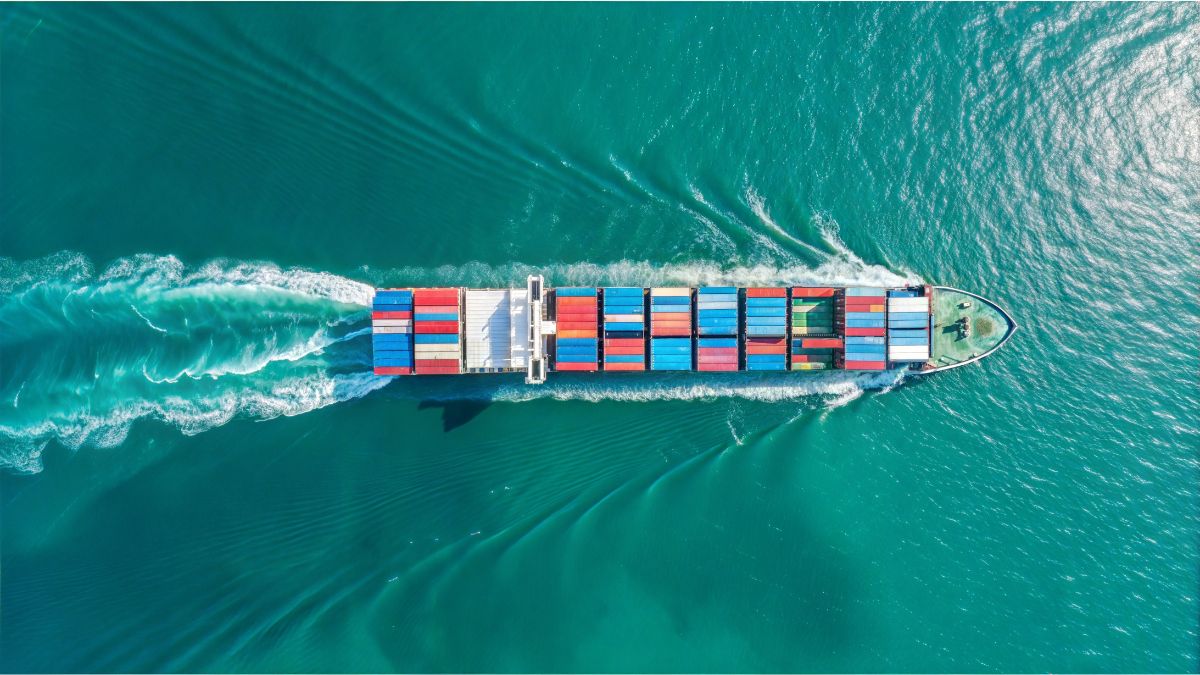
Sea freight transports cargo via container ships across oceans. It handles roughly 80–90% of global trade volume.
Cargo is typically loaded into standardized containers:
-
20-foot containers (20GP)
-
40-foot containers (40GP)
-
40-foot high cube containers (40HQ)
Advantages of Sea Freight
1. Lowest Cost Per Unit
Ocean shipping offers the most economical option for large shipments.
Cost efficiency increases as volume grows.
Ideal for:
-
bulk goods
-
furniture
-
machinery
-
large inventory replenishment
2. Massive Capacity
Ships carry thousands of containers simultaneously.
Heavy or oversized cargo that cannot move by air often travels by sea.
3. Flexible Cargo Types
Sea freight supports:
-
palletized cargo
-
loose cargo (LCL)
-
oversized equipment
-
hazardous goods (with regulation)
Disadvantages of Sea Freight
Longer Transit Time
Typical transit durations:
-
Asia to North America: 15–35 days
-
Asia to Europe: 25–45 days
Port congestion may extend timelines.
Schedule Variability
Weather, port operations, and customs clearance can affect arrival predictability.
Best Business Scenarios for Sea Freight
Choose sea freight when:
-
goods are non-urgent
-
shipment volume is large
-
shipping cost sensitivity is high
-
inventory planning allows longer lead time
Examples include seasonal inventory preparation or manufacturing restocking.
Part 2: Air Freight — Speed and Precision
What Is Air Freight?
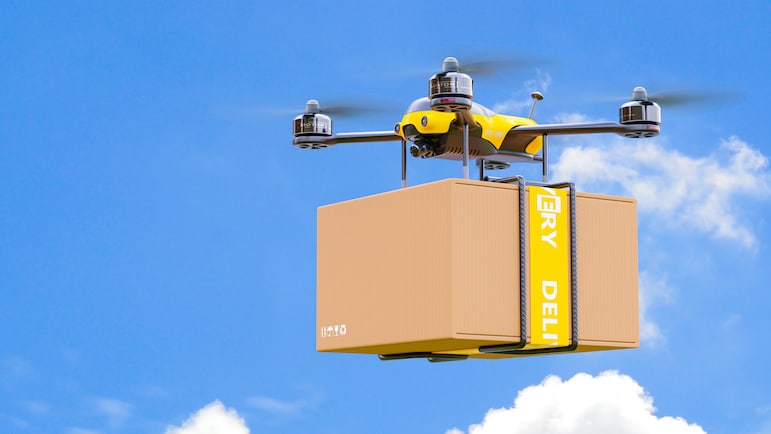
Air freight transports goods via commercial or cargo aircraft between international airports.
Shipments move through airport logistics hubs and customs systems optimized for speed.
Advantages of Air Freight
1. Fastest Transit Time
Typical delivery:
-
Asia to US: 3–7 days door-to-door
-
Europe to US: 2–5 days
Ideal for urgent shipments.
2. High Reliability
Airlines follow strict schedules with fewer unexpected delays compared to ocean shipping.
3. Reduced Inventory Holding Cost
Faster delivery means less capital tied up in stock.
This improves cash flow for fast-moving businesses.
Disadvantages of Air Freight
Higher Cost
Air shipping may cost 5–10 times more than sea freight per kilogram.
Size and Weight Limitations
Aircraft capacity restricts oversized or extremely heavy cargo.
Best Business Scenarios for Air Freight
Air freight works best when:
-
products are high value
-
delivery deadlines are tight
-
stockouts are costly
-
demand is unpredictable
Common examples:
-
electronics
-
fashion launches
-
replacement parts
-
urgent replenishment inventory
Part 3: Rail Transport — The Middle Ground
What Is International Rail Freight?
Rail freight connects major inland regions via cross-border railway networks, especially between Asia and Europe.
Often called land bridge transport, it combines advantages of sea and air shipping.
Advantages of Rail Freight
1. Balanced Speed
Transit times typically fall between sea and air:
-
China to Europe: 12–20 days
Faster than sea, cheaper than air.
2. Stable Scheduling
Rail routes experience fewer weather disruptions compared to sea transport.
3. Environmental Efficiency
Rail produces lower emissions per ton than air freight.
Many companies choose rail for sustainability goals.
Disadvantages of Rail Freight
Geographic Limitations
Rail networks serve specific corridors only.
Not ideal for all origin or destination pairs.
Border Handling Complexity
Multiple customs checkpoints can introduce procedural delays.
Best Business Scenarios for Rail Freight
Rail works well when:
-
timelines are moderate
-
shipment value is mid-range
-
predictable scheduling matters
-
shipping routes align with rail corridors
Step-by-Step: How to Choose the Right Method
Instead of guessing, follow this structured decision process.
Step 1: Define Delivery Urgency
Ask:
How quickly must goods arrive?
| Timeline | Recommended Mode |
|---|---|
| 1 week | Air |
| 2–3 weeks | Rail |
| 4+ weeks | Sea |
Speed requirements immediately narrow options.
Step 2: Evaluate Cargo Value
High-value goods tolerate higher shipping costs.
Low-value goods require cost efficiency.
Rule of thumb:
-
High value → Air
-
Medium value → Rail
-
Low value → Sea
Step 3: Analyze Shipment Volume
Large volumes favor sea freight due to economies of scale.
Small shipments may benefit from air consolidation services.
Step 4: Consider Inventory Strategy
Businesses using just-in-time inventory may rely more on air or rail.
Bulk stocking strategies align with sea freight.
Step 5: Assess Risk Tolerance
Sea freight has longer exposure to delays.
Air freight minimizes uncertainty.
Rail offers balance.
Real Business Scenarios Explained
Scenario 1: E-Commerce Brand Launching a New Product
Priority: speed and market timing.
Best option: Air freight for initial launch inventory, followed by sea freight for replenishment.
Scenario 2: Furniture Importer Restocking Warehouse
Priority: cost efficiency.
Best option: Sea freight using full container load.
Scenario 3: Fashion Brand Mid-Season Replenishment
Priority: quick restock without extreme cost.
Best option: Rail freight.
Scenario 4: Factory Shipping Replacement Machine Parts
Priority: operational continuity.
Best option: Air freight.
Downtime costs exceed shipping expense.
Scenario 5: Stable Monthly Manufacturing Supply Chain
Priority: predictability and balance.
Best option: combination of sea and rail shipments.
Hybrid Logistics Strategies (Used by Experienced Importers)
Many successful companies combine transportation modes.
Examples include:
Air + Sea Strategy
Air freight for urgent SKUs, sea freight for bulk inventory.
Rail + Sea Strategy
Rail handles mid-cycle replenishment while sea supports baseline inventory.
Rolling Inventory Model
Multiple shipments dispatched regularly through different modes to reduce risk.
Hybrid planning improves resilience.
Cost Comparison Overview
While pricing fluctuates, general comparisons look like:
| Mode | Cost | Speed | Capacity |
|---|---|---|---|
| Sea | Lowest | Slow | Highest |
| Rail | Medium | Medium | Medium |
| Air | Highest | Fastest | Limited |
Understanding this triangle helps visualize trade-offs.
Hidden Costs Businesses Often Overlook
Transportation cost is only one component.
Consider:
-
warehousing fees
-
customs clearance delays
-
inventory holding cost
-
insurance
-
packaging requirements
Sometimes faster shipping reduces overall operational expense despite higher freight rates.
Environmental Considerations
Sustainability increasingly influences logistics decisions.
Approximate emission comparisons:
-
Air freight: highest emissions
-
Sea freight: moderate
-
Rail freight: lowest among long-distance options
Many companies adopt mixed strategies to balance efficiency and environmental goals.
Common Mistakes When Choosing Shipping Methods
Choosing Based Only on Price
Cheapest freight may increase overall business cost.
Ignoring Lead Time Variability
Unexpected delays disrupt supply chains.
Using Air Freight for All Shipments
Fast but financially unsustainable long term.
Poor Demand Forecasting
Late planning forces expensive emergency shipping.
Building a Transportation Decision Framework
Create internal guidelines based on:
-
product value tiers
-
delivery urgency categories
-
inventory thresholds
-
seasonal demand cycles
This removes guesswork from future decisions.
The Future of Multimodal Logistics
Global logistics increasingly integrates transportation modes seamlessly.
Technologies improving decision-making include:
-
predictive demand analytics
-
real-time shipment tracking
-
automated routing systems
-
AI-driven logistics planning
Businesses that understand transport fundamentals adapt faster to these innovations.
Quick Decision Checklist
Before booking shipment, ask:
-
How urgent is delivery?
-
What is cargo value?
-
What volume am I shipping?
-
How sensitive is my cash flow?
-
What risks can I tolerate?
Answering these questions usually reveals the best option clearly.
Final Thoughts: Matching Transport to Business Reality
There is no universally superior shipping method.
Sea freight excels at scale and cost efficiency.
Air freight delivers speed and certainty.
Rail freight balances time and expense.
The smartest logistics strategies don’t choose one method forever — they match transportation modes to evolving business needs.
When companies align shipping decisions with product value, demand timing, and operational goals, logistics transforms from a cost burden into a competitive advantage.
Choosing between sea, air, and rail transport is ultimately about understanding your business rhythm — and selecting the pathway that moves goods at the same pace as your growth.