
In today’s on-demand economy, consumers expect fast, accurate, and convenient delivery as a basic service rather than a luxury. Whether ordering groceries, electronics, furniture, or daily essentials, customers rarely think about the complex logistics network operating behind the scenes.
Yet within this massive global system, one stage consistently stands out as the most difficult — and the most expensive.
This stage is known as last-mile delivery.
Despite representing only a small portion of total shipping distance, the last mile often accounts for more than half of total logistics costs. For retailers, e-commerce sellers, and logistics providers, understanding why this happens is essential for controlling expenses and improving customer satisfaction.
This article explores what last-mile delivery really means, how it works, why it costs so much, and how companies are redesigning logistics systems to overcome its challenges.
What Does “Last-Mile Delivery” Mean?
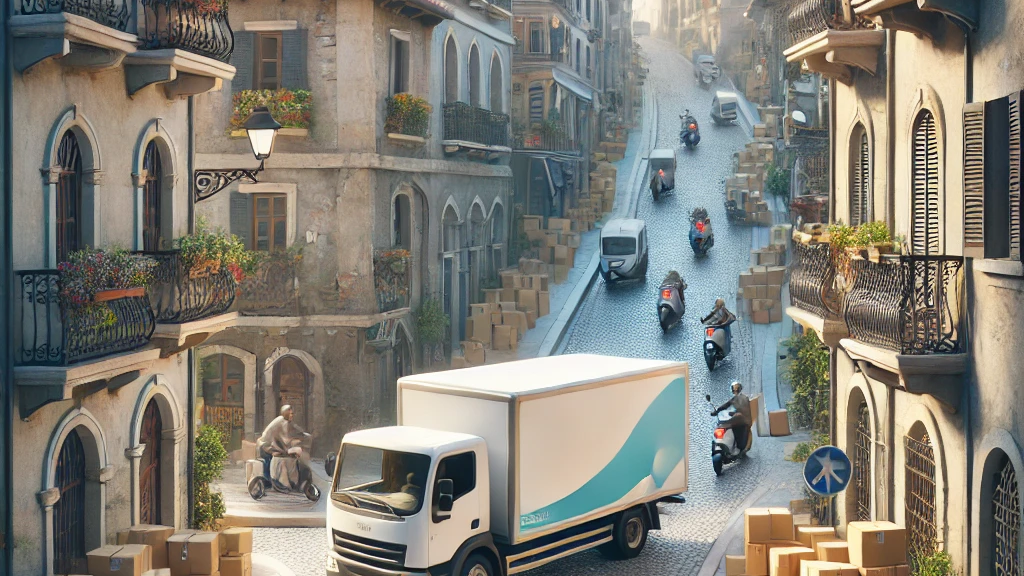
Last-mile delivery refers to the final step of the logistics journey, where goods move from a transportation hub or distribution center to the customer’s doorstep.
The journey of a product typically includes several stages:
-
Manufacturing or sourcing
-
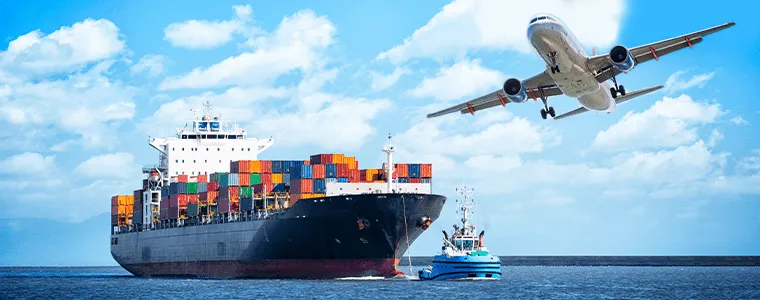
Long-distance transportation (air, sea, rail, or truck)
-
Regional distribution centers
-
Local sorting facilities
-
Final delivery to the customer
The last mile is the transition from centralized logistics efficiency to individualized service.
Instead of delivering thousands of items to one warehouse, companies must deliver single packages to thousands of unique addresses.
This shift fundamentally changes cost dynamics.
Why the Last Mile Matters More Than Ever
Historically, logistics focused on bulk shipping efficiency. Today, consumer expectations have reshaped priorities.
Modern customers expect:
-
Fast delivery options
-
Real-time tracking
-
Flexible scheduling
-
Free or low-cost shipping
-
Reliable arrival windows
These expectations place enormous pressure on the final delivery stage.
The last mile is no longer just transportation — it is a customer experience moment that directly influences brand perception.
The Logistics Efficiency Paradox
Earlier logistics stages benefit from economies of scale.
For example:
-
A cargo ship moves thousands of containers simultaneously.
-
A freight train transports massive volumes efficiently.
-
Long-haul trucks carry consolidated shipments.
Cost per item decreases as volume increases.
The last mile reverses this efficiency.
Delivery becomes fragmented, unpredictable, and labor-intensive.
Why Last-Mile Delivery Is the Most Expensive Step
Several structural factors make last-mile logistics inherently costly.
1. Low Delivery Density
In bulk transportation, many items share the same destination.
In last-mile delivery:
-
Every stop is different.
-
Routes constantly change.
-
Drivers travel longer distances between deliveries.
Lower density means higher cost per package.
Urban areas improve density slightly, but suburban and rural deliveries dramatically increase expense.
2. Labor Costs Dominate
Unlike automated warehouses or container shipping, last-mile delivery relies heavily on human labor.
Drivers must:
-
Navigate traffic
-
Locate addresses
-
Handle packages individually
-
Interact with customers
-
Manage delivery verification
Labor becomes the largest cost component.
Wages, benefits, training, and scheduling complexity all add financial pressure.
3. Failed Delivery Attempts
One of the biggest hidden costs comes from unsuccessful deliveries.
Common causes include:
-
Customer not home
-
Incorrect address
-
Restricted building access
-
Signature requirements
Each failed attempt doubles or triples operational cost.
Redelivery consumes time, fuel, and labor without generating additional revenue.
4. Traffic and Urban Complexity
City environments introduce unpredictability:
-
Congestion delays
-
Parking limitations
-
Delivery restrictions
-
One-way streets
-
Elevator wait times
Unlike long-haul routes, urban delivery efficiency is difficult to standardize.
Time variability increases operational uncertainty.
5. Small Shipment Sizes
E-commerce encourages single-item purchases.
Delivering one package costs nearly as much as delivering several to the same address, yet revenue per delivery remains low.
This imbalance drives cost inflation.
6. High Customer Expectations
Speed expectations have escalated rapidly.
Same-day or next-day delivery reduces planning efficiency because logistics providers must operate with shorter consolidation windows.
Faster delivery usually means:
-
Smaller shipment batches
-
More vehicles
-
Higher operational costs
Convenience increases complexity.

The Economics Behind Last-Mile Costs
Industry analyses often show last-mile delivery accounting for 40%–60% of total logistics expenses.
Key cost drivers include:
-
Labor
-
Fuel or energy
-
Vehicle maintenance
-
Insurance
-
Routing software
-
Customer service support
While upstream logistics benefits from predictability, the last mile introduces variability — and variability is expensive.
The Role of E-Commerce Growth
Online shopping dramatically expanded last-mile challenges.
Traditional retail delivered goods once to a store.
E-commerce delivers individual items repeatedly to homes.
This shift multiplied delivery endpoints exponentially.
Instead of one truck supplying a shopping mall, hundreds of deliveries now occur across residential neighborhoods.
Urban vs. Rural Last-Mile Challenges
Urban Deliveries
Advantages:
-
High population density
-
Shorter distances
Challenges:
-
Traffic congestion
-
Parking restrictions
-
Building access complexity
Rural Deliveries
Advantages:
-
Easier navigation
-
Less congestion
Challenges:
-
Long travel distances
-
Few deliveries per route
-
Higher fuel consumption
Both environments present unique cost pressures.
Technology’s Role in Managing Last-Mile Complexity
Companies increasingly rely on technology to improve efficiency.
Route Optimization Software
Algorithms calculate optimal delivery sequences based on traffic and distance.
Real-Time Tracking
Tracking systems reduce failed deliveries by informing customers of arrival times.
Delivery Notifications
Customers can prepare to receive packages, improving first-attempt success rates.
Predictive Analytics
Demand forecasting helps position inventory closer to customers before orders occur.
Micro-Fulfillment Centers: Bringing Inventory Closer
One major strategy involves building smaller warehouses near urban populations.
Benefits include:
-
Shorter delivery distances
-
Faster fulfillment
-
Lower transportation time
However, operating multiple small facilities introduces new operational costs.
The balance between proximity and efficiency remains complex.
Alternative Delivery Models Emerging
To reduce costs, companies are experimenting with new approaches.
Parcel Lockers
Customers retrieve packages from centralized pickup locations.
Advantages:
-
One stop serves many customers.
-
Fewer failed deliveries.
Local Pickup Points
Retail stores act as delivery collection hubs.
This reduces individual doorstep deliveries.
Crowd-Sourced Delivery
Independent drivers complete deliveries using flexible schedules.
While scalable, quality control becomes challenging.
Autonomous Delivery
Emerging solutions include:
-
Delivery robots
-
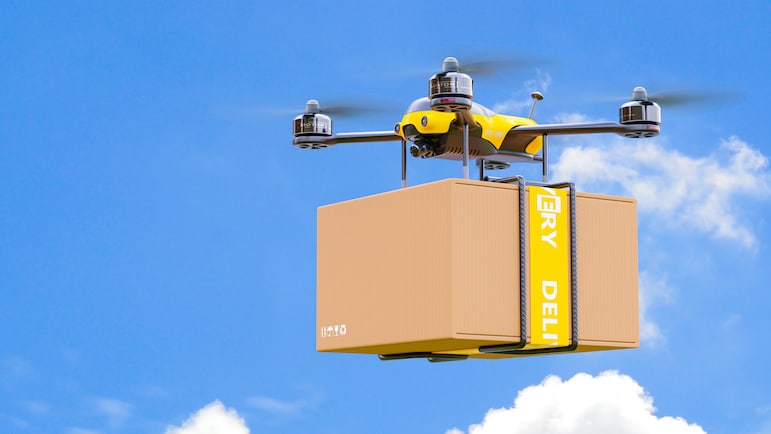
Drones
-
Self-driving vehicles
These technologies aim to reduce labor costs but still face regulatory and technical hurdles.
Sustainability Challenges in the Last Mile
Environmental concerns add another layer of complexity.
Frequent small deliveries increase:
-
Carbon emissions
-
Traffic congestion
-
Urban pollution
Companies respond by adopting:
-
Electric delivery vehicles
-
Route consolidation strategies
-
Bicycle couriers in dense cities
Sustainability goals increasingly shape logistics decisions.
Why Free Shipping Is Not Actually Free
Consumers often expect free delivery, but costs are absorbed elsewhere.
Retailers may:
-
Increase product prices
-
Require minimum order values
-
Reduce margins
-
Optimize packaging
Last-mile costs ultimately influence overall pricing structures.
Packaging’s Hidden Influence on Delivery Costs
Package size directly affects logistics efficiency.
Oversized packaging reduces vehicle capacity, increasing trips required.
Optimized packaging design improves delivery economics by:
-
Maximizing vehicle space
-
Reducing damage rates
-
Lowering fuel consumption per item
Packaging decisions impact last-mile profitability significantly.
The Human Factor in Last-Mile Delivery
Delivery drivers operate at the intersection of logistics and customer service.
Their responsibilities extend beyond transportation:
-
Problem-solving access issues
-
Managing customer expectations
-
Handling fragile goods carefully
Human interaction adds value but also complexity and cost.
The Customer Experience Connection
The last mile is often the only physical interaction customers have with an online brand.
Late deliveries or damaged packages directly affect satisfaction and loyalty.
For businesses, last-mile performance influences repeat purchasing more than upstream logistics efficiency.
Why Last-Mile Optimization Is So Difficult
Unlike manufacturing or warehousing, last-mile logistics faces constant variability:
-
Weather conditions
-
Customer availability
-
Traffic fluctuations
-
Address accuracy
-
Seasonal demand spikes
No fixed system works universally.
Optimization requires continuous adjustment.
The Future of Last-Mile Logistics
Industry innovation focuses on balancing speed, cost, and sustainability.
Key trends include:
-
AI-driven routing
-
Urban micro-hubs
-
Autonomous delivery technologies
-
Smart delivery scheduling
-
Integrated inventory networks
The goal is not eliminating the last mile but making it smarter and more predictable.
Lessons for Businesses and Sellers
Understanding last-mile costs helps businesses make better operational decisions.
Key considerations include:
-
Choosing warehouse locations strategically
-
Designing compact packaging
-
Offering flexible delivery options
-
Encouraging pickup solutions
-
Managing customer expectations realistically
Operational awareness improves profitability.
Final Thoughts
Last-mile delivery represents one of the greatest logistical challenges of the modern economy. Although it covers the shortest physical distance in a product’s journey, it introduces the highest level of complexity, variability, and cost.
The shift toward individualized delivery transformed logistics from a bulk transportation problem into a personalized service challenge.
Every package delivered to a doorstep reflects a carefully coordinated system balancing labor, technology, infrastructure, and customer expectations.
As e-commerce continues expanding, the importance of solving last-mile inefficiencies will only grow. Companies that successfully manage this final step will not only reduce costs but also deliver better customer experiences — turning logistics from an operational necessity into a competitive advantage.
In the end, the last mile is not just the final leg of delivery. It is where logistics meets real life, and where efficiency meets human expectation.