
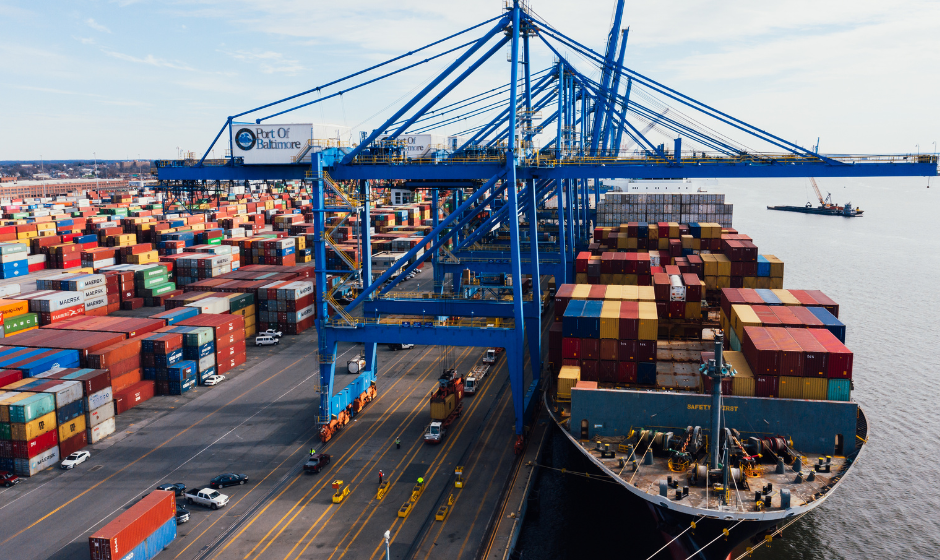

For many importers, exporters, and online sellers, international shipping feels like a black box. Goods leave a factory, travel across oceans or skies, and then suddenly… stop.
Tracking updates freeze.
Statuses change to unfamiliar phrases like:
- Customs inspection
- Held for clearance
- Pending documentation
- Released by customs
At this stage, shipments appear to vanish into an invisible system known simply as customs.
But what actually happens there?
Customs declaration and clearance are not random bureaucratic delays. They are structured, data-driven processes involving risk analysis, legal compliance, taxation, and national security controls. Every shipment entering or leaving a country undergoes evaluation — even when inspection is not physically visible.
Understanding what cargo experiences during this process can help businesses reduce delays, avoid penalties, and design smoother global logistics operations.
This article pulls back the curtain on customs procedures and explains, step by step, what really happens to goods once they arrive at the border.
Why Customs Exists in Global Trade
Before examining the process, it helps to understand customs’ purpose.
Customs authorities are responsible for:
- Collecting import duties and taxes
- Enforcing trade regulations
- Preventing illegal goods movement
- Protecting public safety
- Monitoring trade statistics
- Enforcing intellectual property rights
- Ensuring product compliance standards
Every country operates its own customs agency, but most follow internationally aligned frameworks guided by global trade agreements.
Customs is not designed to slow trade — it is designed to regulate it.
The Two Core Processes: Declaration vs Clearance
Although often used interchangeably, customs declaration and customs clearance are distinct stages.
Customs Declaration
The submission of shipment data to customs authorities.
This includes detailed information about:
- What the goods are
- Where they come from
- Who owns them
- Their value
- Their classification
- Their intended use
Declaration is primarily a data process.
Customs Clearance
The approval process allowing goods to legally enter or exit a country.
Clearance is the decision outcome based on the declaration.
Think of declaration as applying for permission, and clearance as receiving approval.
Step 1: Pre-Arrival Data Submission
In modern logistics, customs procedures often begin before cargo physically arrives.
Carriers or brokers submit electronic manifests containing shipment details, including:
- Bill of lading information
- Shipper and consignee data
- Container numbers
- Commodity descriptions
- Estimated arrival times
Customs systems analyze this data using automated risk assessment algorithms.
Many decisions are partially made before ships dock or planes land.
Step 2: Arrival at Port or Airport
Once cargo reaches a port, airport, or land border crossing, it enters a controlled customs zone.
At this point:
- Containers are unloaded
- Shipment records are matched with electronic filings
- Storage locations are assigned
- Time tracking begins
Goods cannot legally enter domestic commerce yet.
They are technically still under customs supervision.
Step 3: Filing the Customs Declaration
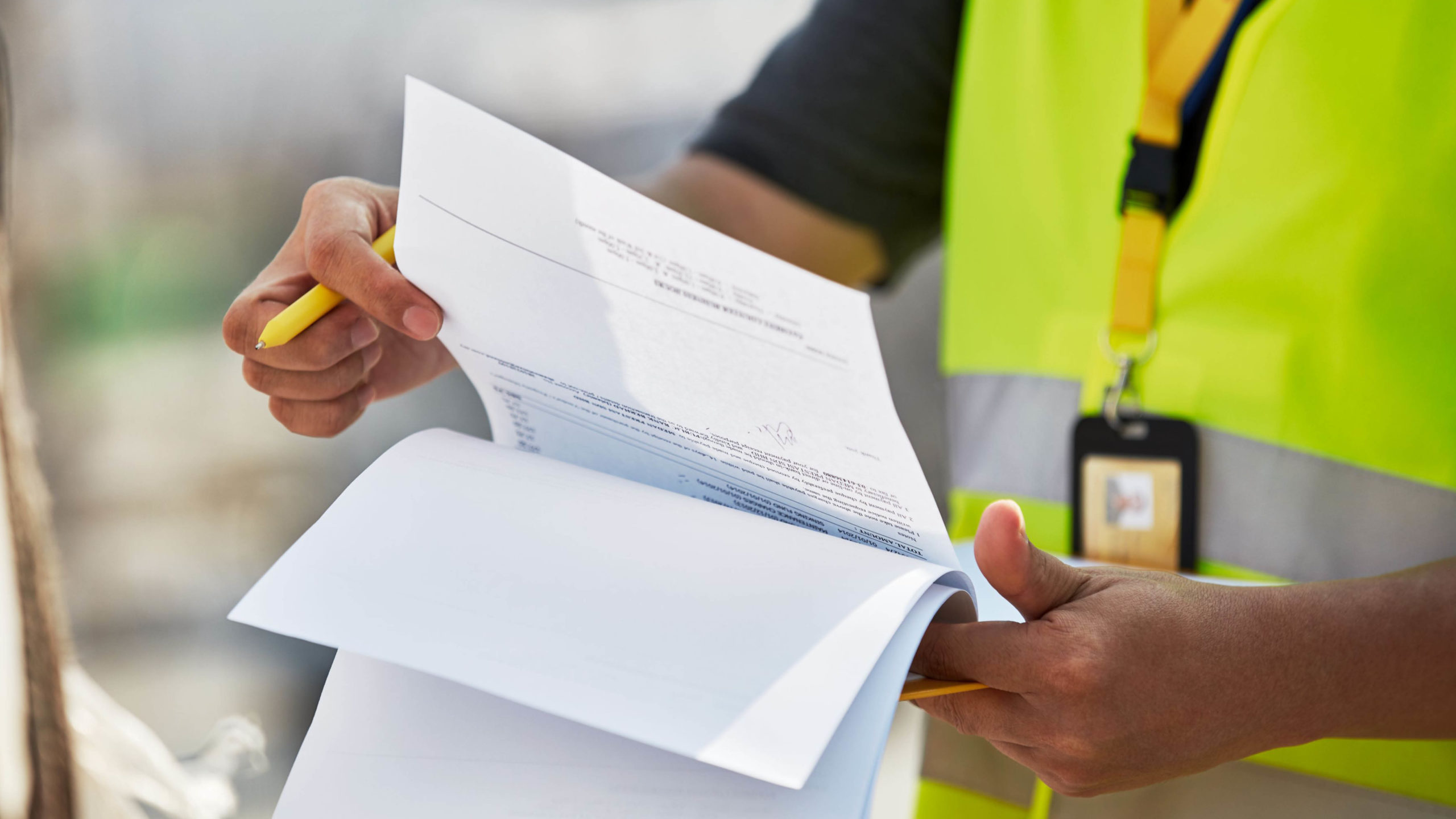
The importer or their customs broker submits formal declaration documents.
Typical documents include:
- Commercial invoice
- Packing list
- Bill of lading or airway bill
- Import license (if required)
- Certificate of origin
- Insurance documentation
Accuracy here is critical.
Customs systems compare declared data against historical trade patterns and risk databases.
Even small inconsistencies may trigger review.
Step 4: HS Code Classification
One of the most important elements of declaration is the Harmonized System (HS) code.
Every internationally traded product receives a numerical classification describing its category.
HS codes determine:
- Duty rates
- Regulatory requirements
- Inspection likelihood
- Trade restrictions
Misclassification is one of the most common causes of customs delays and penalties.
For example, a product classified as electronics may face completely different regulations than one categorized as household goods.
Step 5: Customs Valuation Review
Customs authorities must confirm that declared shipment value reflects true transaction pricing.
Why?
Import duties are typically calculated as a percentage of value.
Authorities examine whether:
- Pricing matches market norms
- Discounts appear legitimate
- Related-party transactions are properly declared
- Shipping and insurance costs are included correctly
If value appears suspiciously low, customs may request additional proof.
Step 6: Automated Risk Assessment
Modern customs agencies rely heavily on risk management systems.
These systems evaluate shipments using criteria such as:
- Country of origin
- Product category
- Importer history
- Documentation accuracy
- Trade route patterns
- Security intelligence data
Most shipments pass without physical inspection because they score low risk.
High-risk shipments move to additional review stages.
Step 7: Inspection Decision
Customs inspections occur at different levels.
Document Inspection
Officials review paperwork only.
Non-Intrusive Inspection
X-ray or scanning technology checks container contents.
Physical Inspection
Containers are opened and goods examined manually.
Physical inspections are relatively rare but cause the longest delays.
Inspection does not imply wrongdoing — often it is random or statistical.
Step 8: Duties and Taxes Calculation
Once customs accepts classification and valuation, duties are calculated.
Possible charges include:
- Import duties
- Value-added tax or sales tax
- Anti-dumping duties
- Environmental fees
- Special tariffs
Payment must usually occur before release authorization.
Some importers use deferred payment accounts to accelerate processing.
Step 9: Compliance Verification
Customs may confirm compliance with national regulations.
Examples include:
- Product safety certifications
- Labeling requirements
- Electrical standards
- Health regulations
- Intellectual property checks
Certain goods require approval from additional government agencies before clearance proceeds.
Step 10: Customs Release
After all requirements are satisfied, customs issues a release order.
At this moment:
- Goods legally enter the country
- Logistics providers can arrange delivery
- Storage fees stop accumulating
The shipment transitions from regulatory control to commercial distribution.
Why Shipments Get Delayed
Delays usually stem from predictable issues rather than randomness.
Common causes include:
- Incorrect HS codes
- Missing documentation
- Value discrepancies
- Restricted goods
- Random inspections
- Incomplete importer registration
- Regulatory agency holds
Understanding these risks allows businesses to prepare proactively.
The Role of Customs Brokers
Customs brokers act as intermediaries between importers and authorities.
They:
- Prepare declarations
- Ensure compliance
- Communicate with officials
- Calculate duties
- Resolve issues quickly
Experienced brokers often prevent delays before they occur by identifying errors early.
Digital Transformation in Customs Processing
Customs procedures have evolved dramatically through technology.
Modern systems include:
- Electronic data interchange (EDI)
- Automated clearance platforms
- AI risk scoring
- Blockchain trade documentation pilots
- Real-time cargo tracking integration
Digitalization reduces manual paperwork while increasing accuracy.
What Happens During a Customs Hold
A hold means customs temporarily suspends clearance.
Possible reasons:
- Documentation verification
- Security screening
- Random audit selection
- Agency coordination review
During this period, goods remain in bonded storage areas.
Importers may need to submit additional documents or explanations.
Bonded Warehouses Explained
Some shipments move into bonded warehouses instead of immediate clearance.
These facilities allow goods to be stored without paying duties immediately.
Benefits include:
- Cash flow flexibility
- Re-export opportunities
- Inventory staging
Duties apply only when goods enter domestic markets.
Export Customs Procedures
Exports also undergo customs processing, though typically faster.
Authorities verify:
- Export legality
- Controlled technology restrictions
- Accurate trade reporting
- Compliance with sanctions laws
Export declaration ensures governments track outbound trade flows.
How E-Commerce Changed Customs Operations
The growth of cross-border online shopping introduced millions of small parcels into customs systems.
Agencies adapted by:
- Automating parcel screening
- Using advanced data analytics
- Introducing simplified clearance thresholds
- Expanding electronic declarations
Small shipments now move faster but remain subject to regulation.
Preparing Shipments for Smooth Clearance
Successful importers adopt preventive strategies:
- Use precise product descriptions
- Maintain consistent valuation methods
- Verify HS classifications regularly
- Work with experienced logistics partners
- Keep compliance records organized
Preparation often determines whether clearance takes hours or weeks.
The Human Side of Customs
Despite automation, customs still involves human judgment.
Officers interpret regulations, evaluate risk signals, and resolve unusual cases.
Professional communication and transparent documentation significantly improve outcomes.
The Cost of Non-Compliance
Incorrect declarations can result in:
- Fines and penalties
- Shipment seizure
- Increased inspection frequency
- Import privilege suspension
Compliance builds long-term trust with customs authorities.
Future Trends in Customs Clearance
Global trade continues evolving.
Key developments include:
- Unified digital trade windows
- Predictive risk analytics
- Paperless customs environments
- Increased data transparency
- Cross-border regulatory cooperation
The goal is faster trade with stronger oversight.
What Importers Should Really Remember
Customs is not an obstacle — it is a system designed to ensure fairness, safety, and accountability in international trade.
Most shipments move smoothly when data is accurate and compliance is respected.
Delays rarely happen without identifiable reasons.
Understanding the process transforms uncertainty into strategy.
Final Thoughts: From Mystery to Predictable Process
When cargo reaches customs, it does not sit idle waiting for approval.
Instead, it moves through a structured journey:
- Data analysis
- Risk evaluation
- Compliance verification
- Duty assessment
- Release authorization
Each stage serves a purpose within global trade infrastructure.
By understanding what happens behind the scenes, businesses gain control over timelines, costs, and expectations.
The next time a tracking update reads “Under customs clearance,” you’ll know your shipment is not lost — it is simply progressing through one of the most important checkpoints in international commerce.
And once you understand the logic behind customs declaration and clearance, global shipping becomes far less mysterious — and far more manageable.