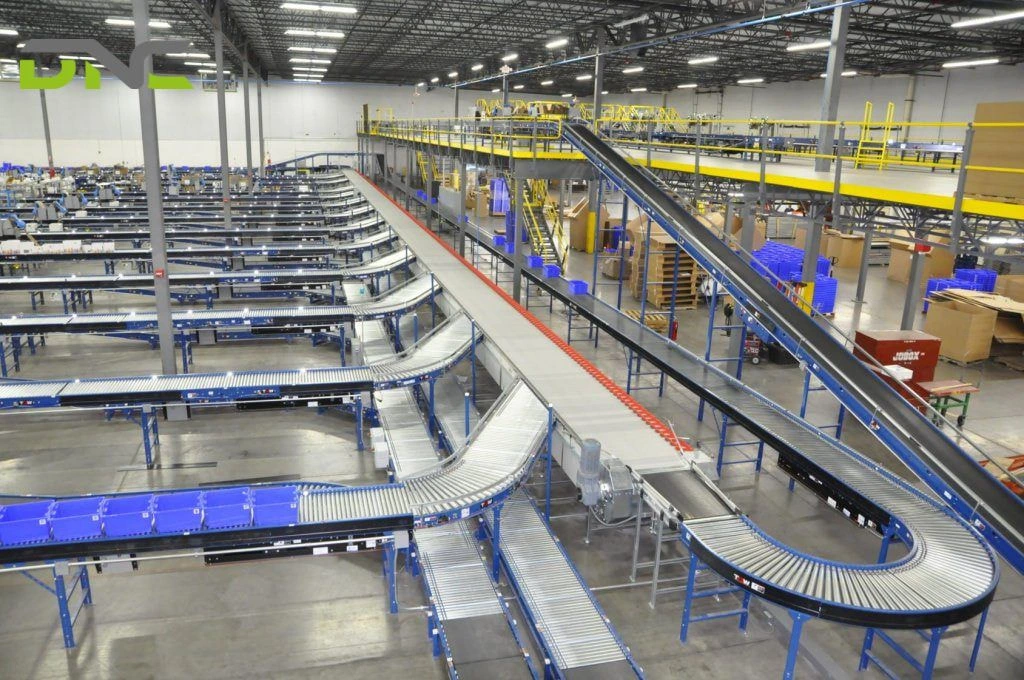
Custom Parcel Sorting Systems. Engineered for Real Operations.

Custom Parcel Sorting Systems. Engineered for Real Operations.
In today’s hyper-competitive third-party logistics (3PL) landscape, companies like DHL Supply Chain, UPS Supply Chain Solutions, and FedEx Supply Chain face mounting pressure to deliver faster, more accurate, and cost-efficient parcel handling across multiple clients and shipping channels. To maintain their edge, these industry leaders rely on automated sortation systems engineered to scale with growing volume demands while minimizing operational complexity.
The Truelisort Sliding Shoe Sorter is designed specifically to enhance the production capabilities of 3PL operations — delivering the speed, flexibility, and integration required to optimize throughput, reduce labor dependency, and meet stringent Service Level Agreements (SLAs).
Handling diverse parcel profiles, carrier requirements, and SLA commitments within the same facility.
Managing significant order surges without sacrificing accuracy or throughput.
Deploying high-throughput automation within existing footprint constraints.
Avoiding misroutes and chargebacks that negatively impact client relationships and margins.


Automated sortation reduces manual handling by up to 60%, enabling redeployment of workforce to higher-value tasks.
High accuracy and throughput ensure on-time delivery, reducing chargebacks and enhancing client satisfaction.
Modular expansion supports business growth without major system overhauls, protecting capital investment.
Anti-jam sliding shoe technology and proactive maintenance deliver >99% system uptime.
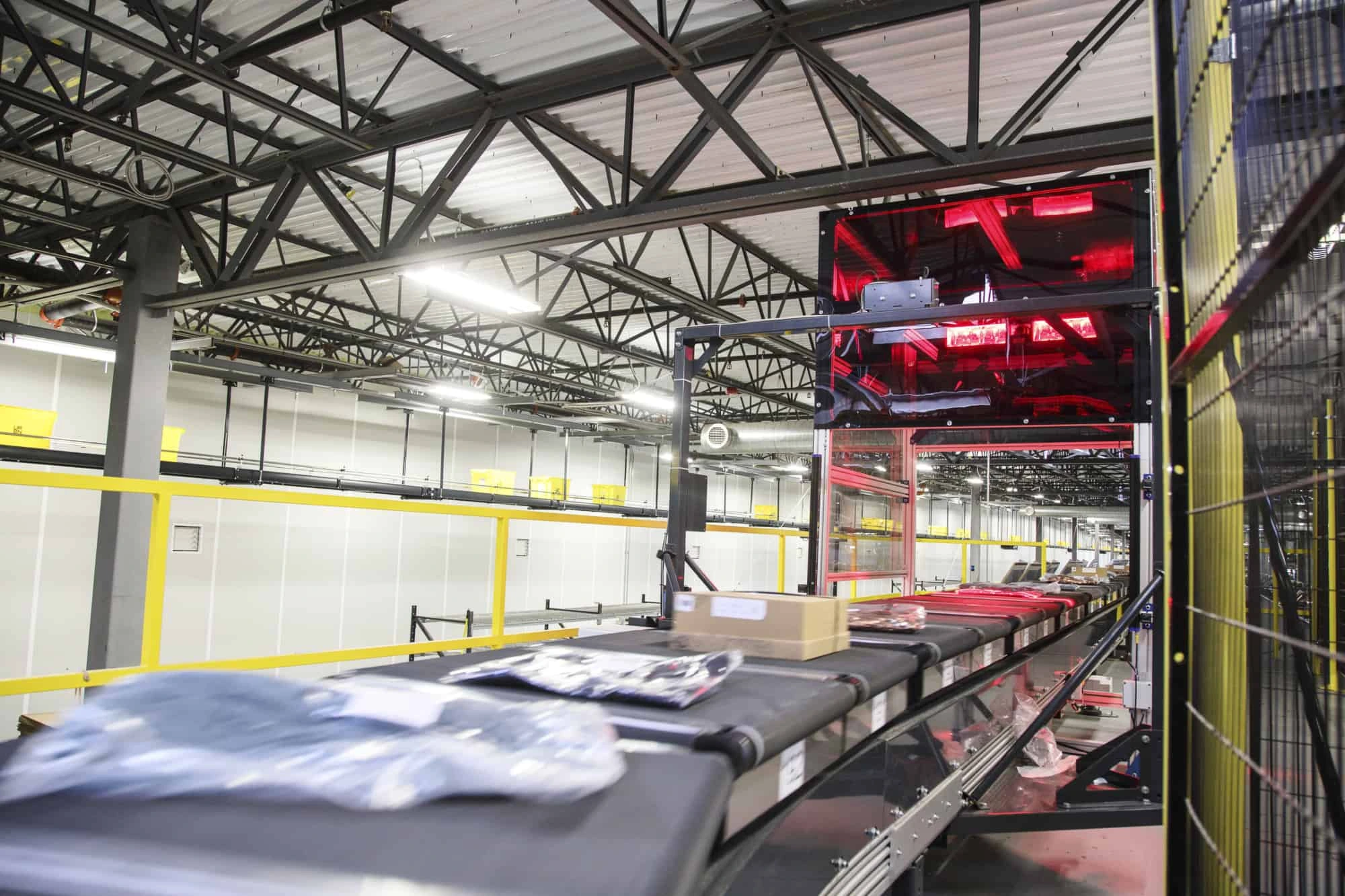

The Xstream system’s ability to meet the rigorous demands of complex, high-volume 3PL operations makes it the preferred sortation platform among industry leaders. Our collaborative engineering approach ensures your system is precisely tuned to your facility layout, operational requirements, and client mix.
In short: The Xstream Sliding Shoe Sorter empowers 3PL providers like DHL, UPS, FedEx, and others to dramatically increase parcel throughput and accuracy, all while maintaining operational flexibility and reducing total cost of ownership.
If you’re an operations leader or engineer at a 3PL facility seeking to maximize throughput, reduce errors, and future-proof your sortation infrastructure, contact Truelisort today to discuss how the engineered to meet your specific challenges and growth goals.
A 3PL sells promises about other people’s freight. The sorter is where those promises are physically kept:
| 3PL promise | Sorter capability behind it | Breach signature |
|---|---|---|
| “Client SLAs met daily” | Per-client destination accuracy | Mis-sorts landing in wrong accounts |
| “Onboard new clients fast” | Software destination setup | Weeks of re-chuting per client |
| “Transparent reporting” | Per-parcel scan and event logs | Client questions answered by memory |
| “Peak-ready every year” | Rehearsable profiles and headroom | Peak performance as annual surprise |
The onboarding row is the 3PL growth engine: a sorter whose destinations are configuration brings a new client’s flow live in days, turning onboarding from a project into a product feature — and sales teams sell what operations can demonstrably do. The reporting row converts the sorter’s event stream into the transparency clients audit: parcels tracked by scan through every sort answer questions with data, and data-answered questions renew contracts. The SLA row is the quiet risk register — one client’s mis-sorted freight is another client’s late delivery, and destination accuracy is therefore a cross-client covenant, not a single-account metric. 3PLs that treat the sorter as their promise engine price it accordingly; the ones that treat it as back-office machinery discover the distinction in lost renewals. The service architecture around this is in resilience through sorting, and the flow backbone in five flows, one backbone. Reference: 3PL industry and SLA practice.