Custom Parcel Sorting Systems. Engineered for Real Operations.

Custom Parcel Sorting Systems. Engineered for Real Operations.
In high-throughput warehouse environments—like those operated by DHL Supply Chain, UPS, and other major third-party logistics providers—automation isn’t optional, it’s mission-critical. Operational efficiency, parcel tracking integrity, and on-time performance are foundational to profitability and service-level agreements (SLAs).
To meet these demands, NPI engineered the Xstream Sliding Shoe Sorter: a high-speed, modular sortation platform designed to optimize warehouse production workflows while seamlessly integrating into complex logistics ecosystems.
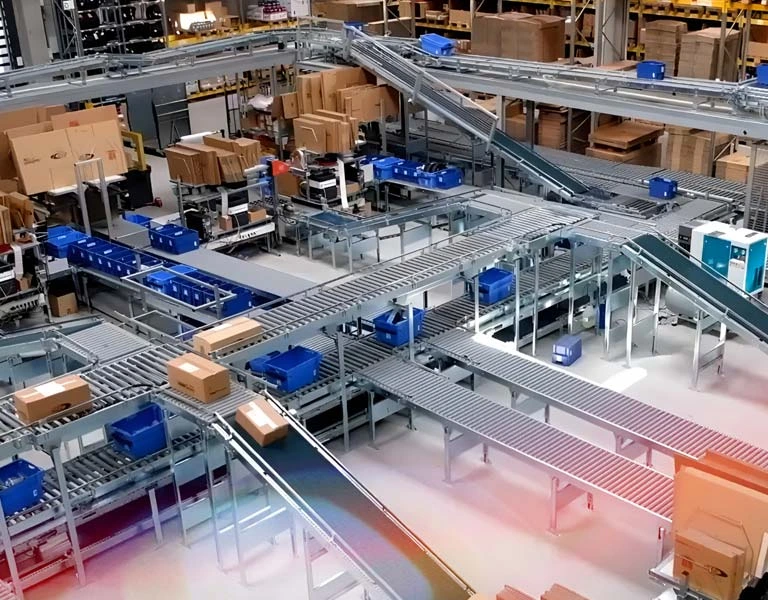
Over 159 billion parcels were shipped globally in 2023 — a figure projected to hit 256 billion by 2027. With these volumes rising, sortation systems must evolve beyond traditional conveyor logic and single-function systems.
That’s where the Parcel Sortation System from Truelisort comes in — engineered not only for speed but for resilience, flexibility, and long-term ROI.
Warehouse operators in enterprise logistics face rising parcel volumes and SKU variability, coupled with labor volatility and tighter SLA windows. This creates critical operational challenges:
Legacy conveyor systems and manual sortation methods are no longer viable for operations targeting next-day or same-day delivery service levels.
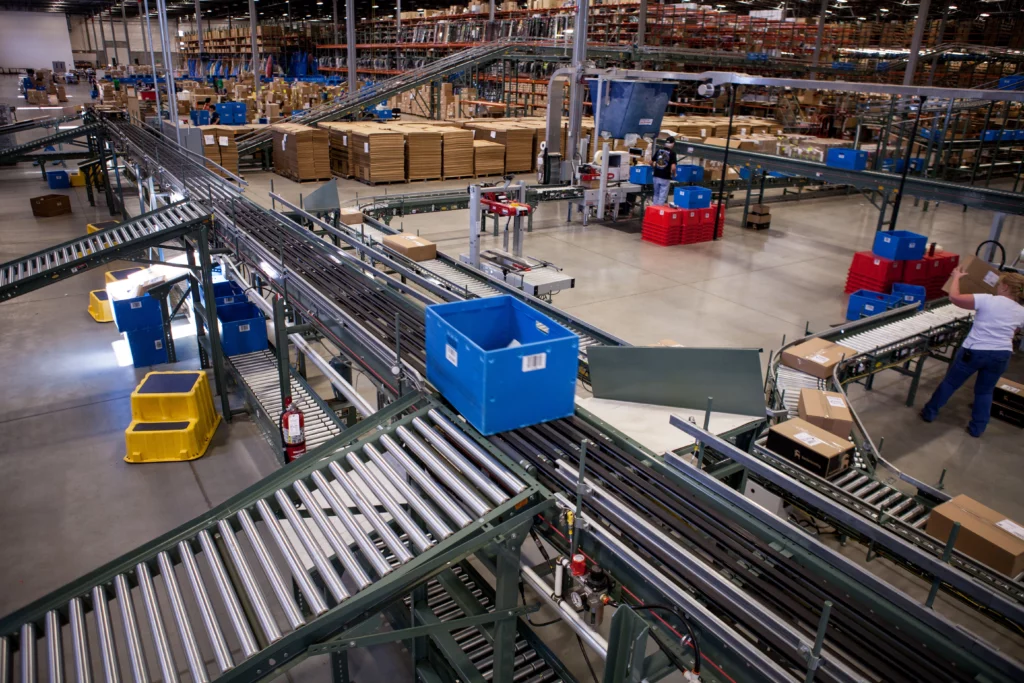
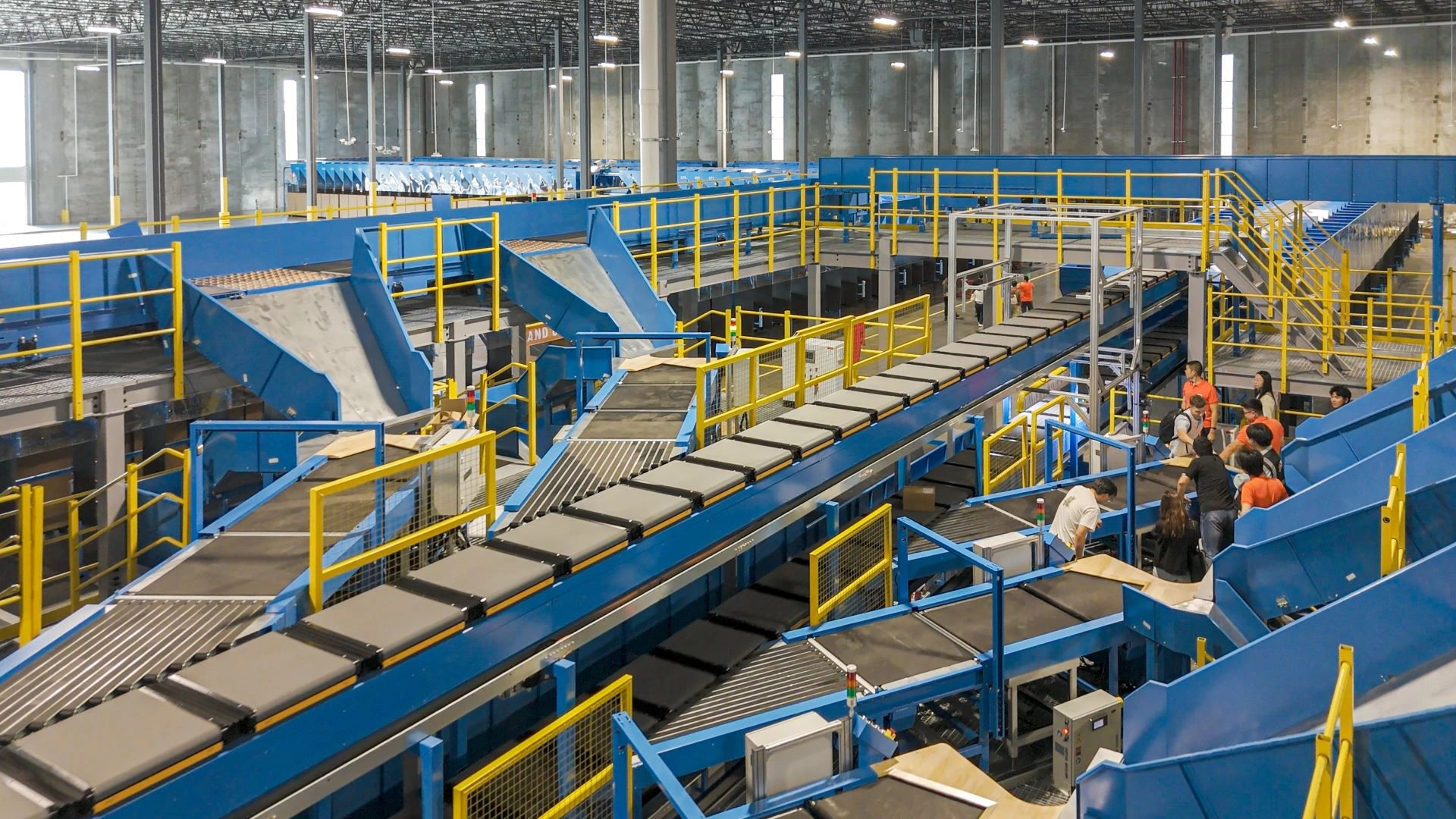
In third-party logistics (3PL) environments and high-volume distribution hubs, the Xstream empowers operations teams to:
Case Insight: A multi-client fulfillment center utilizing Xstream achieved a 41% increase in parcels/hour per operator and reported a full ROI in under 13 months.
From day one, Truelisort works directly with your engineering and operations teams to design a system that aligns with your floor plan, throughput goals, and client commitments. Whether you’re upgrading a single regional hub or scaling across multiple sites, we provide the tools and guidance needed to ensure successful deployment—without operational disruption.
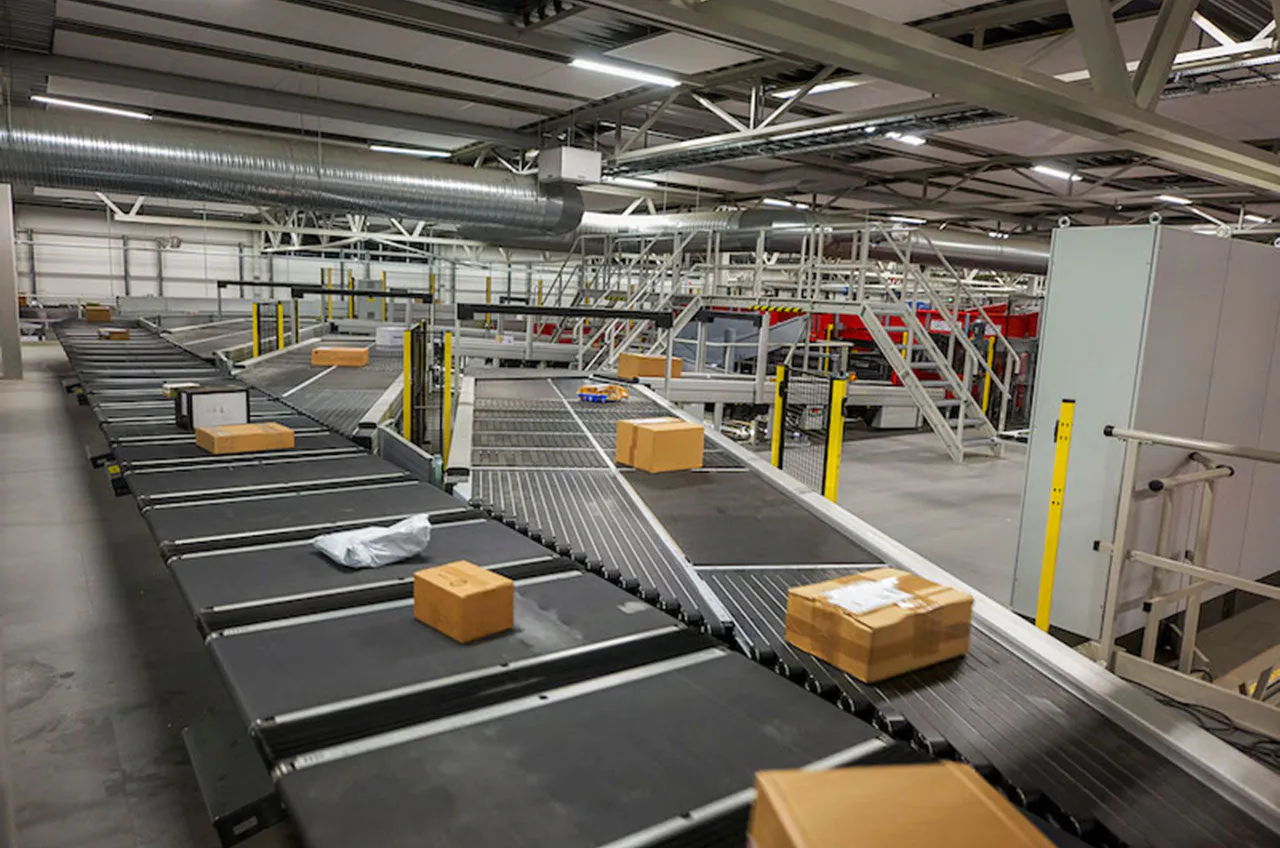
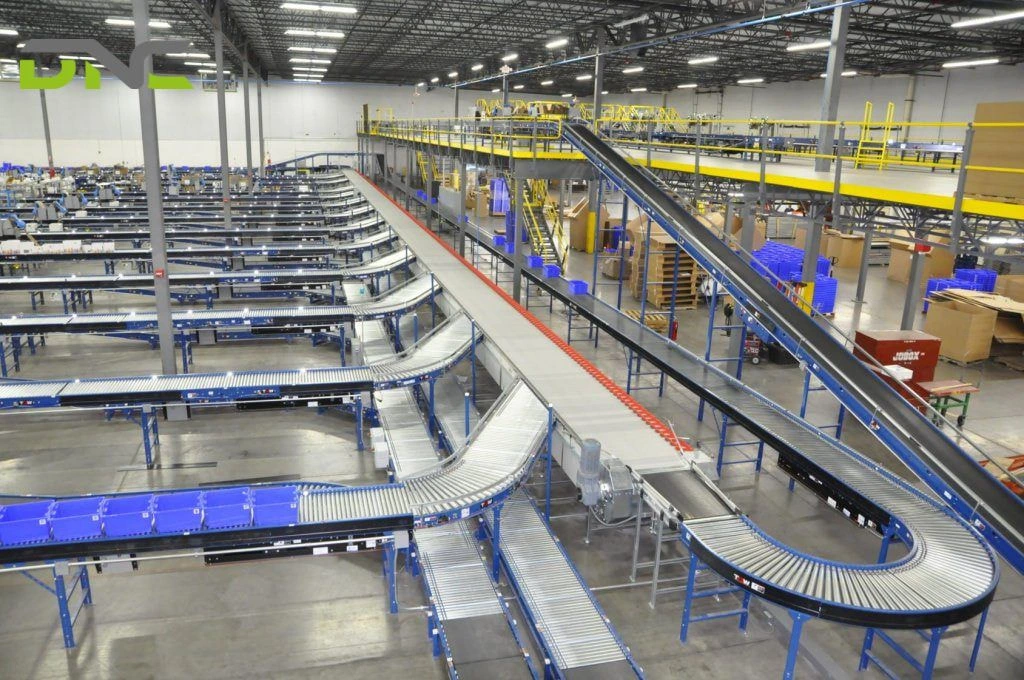
Engineered for high throughput and precision, our sorting solutions deliver consistent performance even during peak demand.
Lower labor dependency, improve accuracy, and achieve a faster return on investment with a system designed for long-term efficiency.
Warehouse distribution manages two currencies — stock at rest and stock in flow — and the balance decides everything:
| Currency | What optimises it | Cost of imbalance |
|---|---|---|
| Stock at rest | Slotting, density, retrieval paths | Storage cost without velocity |
| Stock in flow | Sortation, wave design, dispatch | Velocity without accuracy |
| The handoff | Pick-to-sort continuity | Both costs at once |
The handoff row is where distribution operations actually win or lose: stock that rests efficiently but queues at the sortation boundary pays both currencies’ costs — storage invested, dispatch delayed. The flow currency is the sorter’s home ground, and its discipline is wave design: orders released in shapes the sorter can digest — by carrier cut-off, by destination density, by handling class — keep the flow currency converting at rate. Distribution centers that measure the boundary wait — the time a picked order spends waiting to sort — find it the most actionable number on their dashboard, because it names the seam between the two currencies. Balanced distribution is thus less a storage question than a sequencing question, and the sequence lives or dies at the sorter. The flow architecture is in five flows, one backbone, and the fulfillment promise in e-commerce fulfillment. Reference: inventory management and warehouse operations.


