

In today’s interconnected economy, products rarely begin and end their journey in the same place. A smartphone assembled in Southeast Asia may contain components from Europe, rare materials sourced from Africa, software engineered in North America, and packaging manufactured in China — all before arriving at a customer’s doorstep thousands of miles away.
Behind this seemingly effortless flow lies a complex system known as the global supply chain.
At the center of this system is logistics — the coordinated movement, storage, and delivery of goods. While marketing attracts customers and product design creates value, logistics determines whether a business can actually deliver on its promises.
Modern companies increasingly discover a fundamental truth: logistics is not merely an operational function. It is the lifeline that sustains growth, resilience, and competitiveness.
This article introduces the foundations of global supply chains, explains how logistics became strategically critical, and explores why businesses that master logistics gain a lasting advantage in the modern marketplace.
What Is a Global Supply Chain?
A global supply chain refers to the entire network involved in producing and delivering goods across international boundaries. It includes:
- Raw material sourcing
- Manufacturing
- Supplier coordination
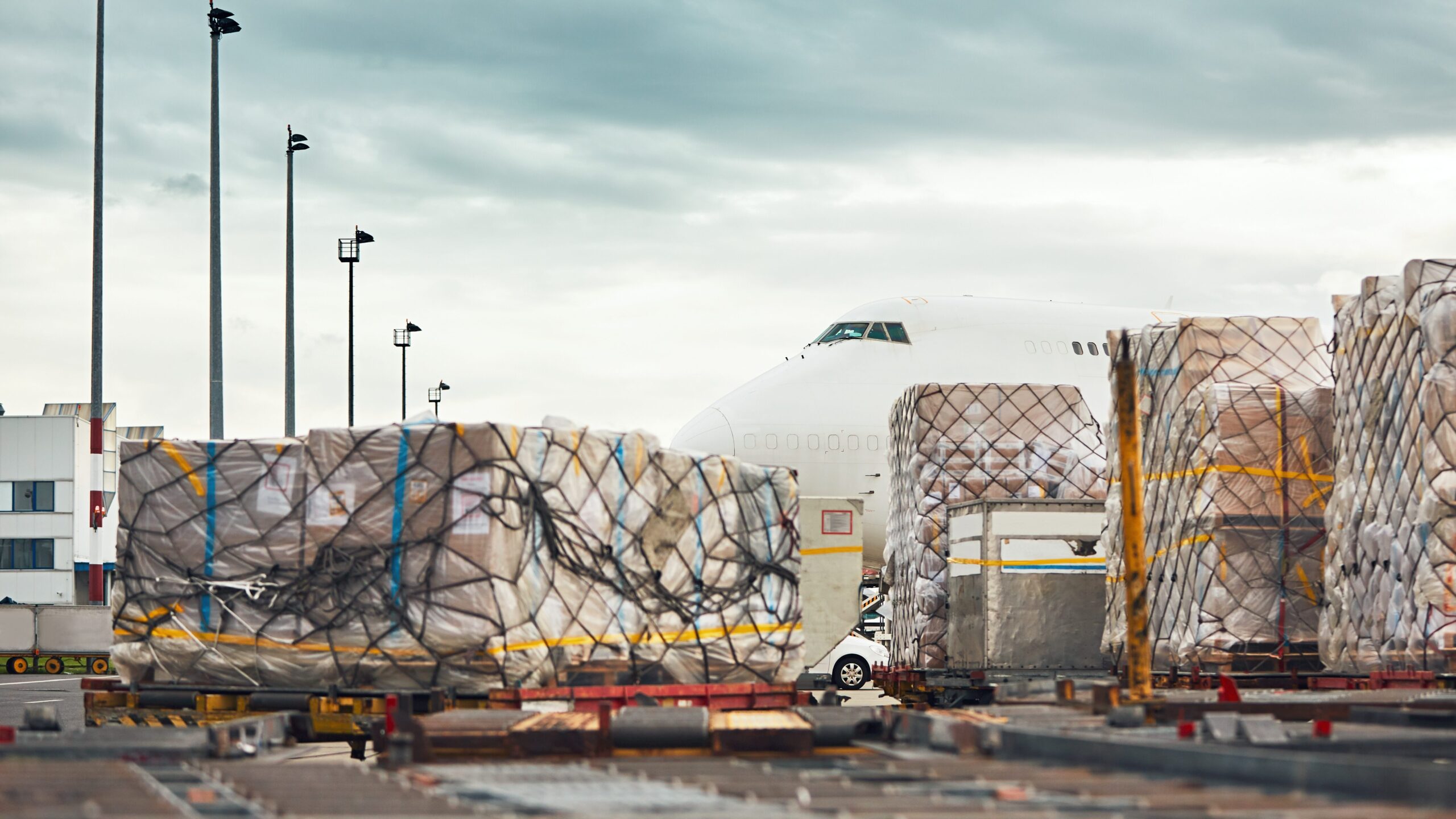
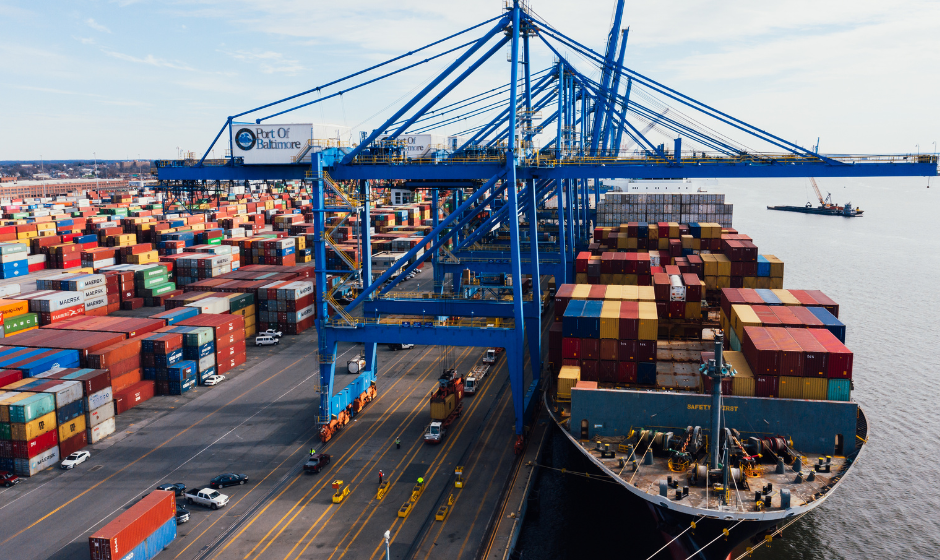
- Transportation
- Warehousing
- Inventory management
- Distribution
- Final delivery
Each stage connects organizations, technologies, and infrastructures across continents.
Unlike traditional local production systems, global supply chains rely on specialization. Companies source materials and services from regions offering cost efficiency, expertise, or resource availability.
The result is a highly optimized yet deeply interdependent system.
Logistics vs. Supply Chain: Understanding the Difference
These terms are often used interchangeably, but they describe different concepts.
Supply Chain
The strategic framework covering the entire lifecycle of a product.
Logistics
The operational execution responsible for moving and storing goods within that framework.
If the supply chain is the circulatory system, logistics is the bloodstream carrying vital resources where they are needed.
Without effective logistics, even the best-designed supply chain fails.
The Evolution of Logistics: From Support Role to Strategic Core
Historically, logistics was viewed as a back-office cost center focused primarily on transportation efficiency.
Several global shifts transformed its importance:
Globalization
Companies expanded sourcing internationally to reduce production costs, increasing logistical complexity.
E-Commerce Growth
Consumers began expecting rapid, predictable delivery regardless of distance.
Just-in-Time Manufacturing
Businesses reduced inventory buffers, making timely delivery essential.
Digital Transformation
Real-time tracking and data analytics turned logistics into a measurable performance driver.
Today, logistics influences customer satisfaction, brand reputation, and financial performance directly.
Why Logistics Is the Lifeline of Modern Enterprises
1. It Converts Production into Revenue
Products generate value only when they reach customers.
A factory producing thousands of units means little if shipments are delayed or lost. Logistics bridges the gap between production and payment.
Cash flow depends on movement.
2. It Determines Customer Experience
Delivery speed and reliability increasingly shape customer perception.
Late shipments can outweigh product quality in customer reviews. Fast, predictable logistics builds trust and repeat purchases.
In many industries, logistics performance is the customer experience.
3. It Controls Operational Efficiency
Transportation, warehousing, and inventory decisions significantly influence costs.
Optimized logistics reduces:
- Storage expenses
- Stockouts
- Excess inventory
- Emergency shipping fees
Efficiency improvements often deliver immediate financial impact.
4. It Enables Global Market Access
Without logistics networks, companies remain geographically limited.
Efficient international shipping allows even small businesses to reach global customers, transforming market potential.
Logistics democratizes commerce.
The Core Components of Global Logistics
Understanding logistics requires examining its main elements.
Transportation
Movement by:
- Ocean freight
- Air cargo
- Rail systems
- Trucking networks
Each mode balances cost, speed, and reliability.
Warehousing
Warehouses serve as buffering points between supply and demand.
Modern facilities integrate automation, robotics, and inventory software to accelerate order fulfillment.
Inventory Management
Inventory decisions affect both cash flow and service levels.
Too much inventory ties up capital. Too little risks lost sales.
Logistics aligns inventory placement with demand patterns.
Customs and Compliance
International shipping involves regulatory requirements including:
- Documentation
- Tariffs
- Import/export laws
- Safety certifications
Compliance failures can halt shipments entirely.
Last-Mile Delivery
The final stage — delivering goods to customers — is often the most expensive and complex part of logistics.
Urban congestion, delivery expectations, and labor costs make last-mile efficiency critical.
The Hidden Complexity Behind a Simple Delivery
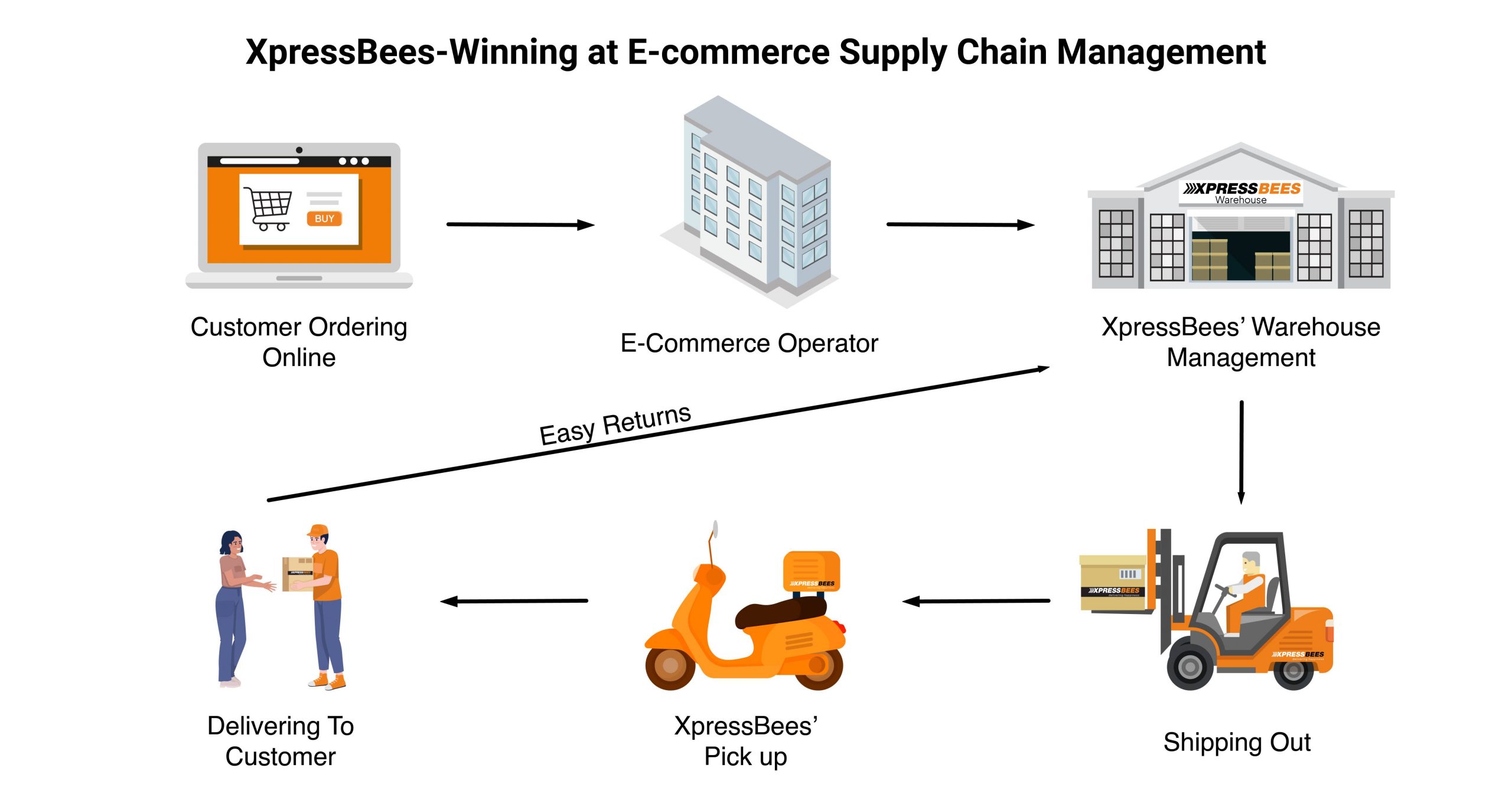
A single online order may involve:
- Overseas manufacturing.
- Container shipment across oceans.
- Port unloading and inspection.
- Regional distribution centers.
- Inventory sorting.
- Local delivery routing.
Each step requires coordination among multiple companies and digital systems.
Customers see a package. Businesses manage a global orchestration.
Technology’s Role in Modern Logistics
Technology transformed logistics from reactive operations into predictive systems.
Key innovations include:
Real-Time Tracking
GPS and IoT sensors provide shipment visibility.
Data Analytics
Predictive models forecast demand and optimize routing.
Warehouse Automation
Robotic picking systems improve speed and accuracy.
Cloud Platforms
Shared data environments enhance collaboration across partners.
Technology reduces uncertainty — the biggest enemy of supply chains.
Supply Chain Disruptions: Lessons from Recent Years
Global events exposed the fragility of interconnected logistics systems.
Common disruption causes include:
- Port congestion
- Labor shortages
- Extreme weather
- Political instability
- Pandemic-related shutdowns
Companies learned that efficiency alone is insufficient without resilience.
Resilience vs. Efficiency: A New Balance
For decades, businesses optimized logistics primarily for cost reduction.
Modern strategies emphasize balance:
| Traditional Focus | Modern Focus |
|---|---|
| Lowest cost | Risk diversification |
| Minimal inventory | Strategic buffers |
| Single sourcing | Multi-supplier networks |
| Predictability | Adaptability |
Resilient logistics systems recover faster from disruptions.
The Financial Impact of Logistics Decisions
Logistics affects multiple financial metrics:
- Working capital
- Profit margins
- Customer acquisition costs
- Return rates
- Inventory turnover
Small improvements in shipping efficiency can produce large profitability gains.
Logistics as a Competitive Advantage
Companies increasingly compete through operational excellence rather than product differentiation alone.
Fast delivery, reliable stock availability, and transparent tracking create measurable advantages.
Businesses with superior logistics often outperform competitors even with similar products.
Sustainability and Green Logistics
Environmental concerns reshape logistics strategies.
Companies pursue:
- Route optimization to reduce fuel usage
- Electrified delivery fleets
- Eco-friendly packaging
- Regional warehousing to shorten transport distances
Sustainable logistics aligns environmental responsibility with long-term cost efficiency.
The Human Element Behind Global Systems
Despite automation, logistics remains people-driven.
Professionals coordinate:
- Procurement decisions
- Shipment planning
- Risk management
- Carrier negotiations
Human judgment remains essential when unexpected disruptions occur.
Common Logistics Mistakes Businesses Make
Treating Logistics as an Afterthought
Operational planning must begin alongside product development.
Overreliance on Single Suppliers
Diversification reduces vulnerability.
Poor Demand Forecasting
Inaccurate projections create inventory imbalances.
Lack of Visibility
Without tracking systems, problems escalate unnoticed.
Logistics for Small and Medium Businesses
Global logistics is no longer exclusive to large corporations.
SMBs leverage:
- Third-party logistics providers (3PLs)
- Cross-border fulfillment services
- Digital freight platforms
These tools allow smaller companies to operate globally without owning infrastructure.
The Rise of Integrated Supply Chain Ecosystems
Modern logistics relies on collaboration rather than isolated operations.
Integrated ecosystems connect:
- Manufacturers
- Freight forwarders
- Warehouses
- Retailers
- Delivery networks
Shared data enables synchronized decision-making across the entire chain.
Future Trends Shaping Global Logistics
Several trends will redefine logistics in coming years:
- Artificial intelligence routing optimization
- Autonomous delivery technologies
- Nearshoring manufacturing strategies
- Blockchain-based shipment verification
- Predictive inventory placement
The goal is greater speed, transparency, and resilience.
Why Logistics Knowledge Matters for Every Business Leader
Even non-operational leaders benefit from understanding logistics.
Strategic decisions involving pricing, expansion, marketing campaigns, and product launches depend heavily on fulfillment capability.
Ignoring logistics risks overpromising and underdelivering.
Frequently Asked Questions
Is logistics only about shipping?
No. It includes planning, storage, inventory control, and coordination across the supply chain.
Why do delivery delays affect profits so strongly?
Delays disrupt cash flow and reduce customer retention.
Can businesses outsource logistics completely?
Operations can be outsourced, but strategic oversight remains essential.
Is faster delivery always better?
Not necessarily. Optimal logistics balances speed, cost, and reliability.
The Bigger Picture: Logistics as Economic Infrastructure
Logistics networks function similarly to public infrastructure.
They enable trade, support employment, and connect global economies.
When logistics systems operate smoothly, commerce expands. When they fail, shortages and inflation often follow.
Final Thoughts: The Invisible Engine of Modern Commerce
Consumers rarely think about logistics when placing an order. Packages arrive, shelves remain stocked, and products appear readily available.
Yet behind every successful business stands a logistics system ensuring materials move efficiently from origin to destination.
In the modern economy, innovation alone is not enough. Production without delivery has no commercial impact.
Logistics transforms ideas into tangible outcomes.
It connects factories to markets, businesses to customers, and strategy to execution.
For this reason, logistics is not simply one department among many — it is the operational heartbeat that keeps modern enterprises alive.
Companies that understand and invest in logistics build resilience, scalability, and trust. Those that overlook it often discover too late that growth depends not only on what they sell, but on how reliably they can deliver it.
In a globalized world defined by speed and connectivity, logistics remains the true lifeline of modern business.