Introduction: The AI Revolution Arrives in Logistics
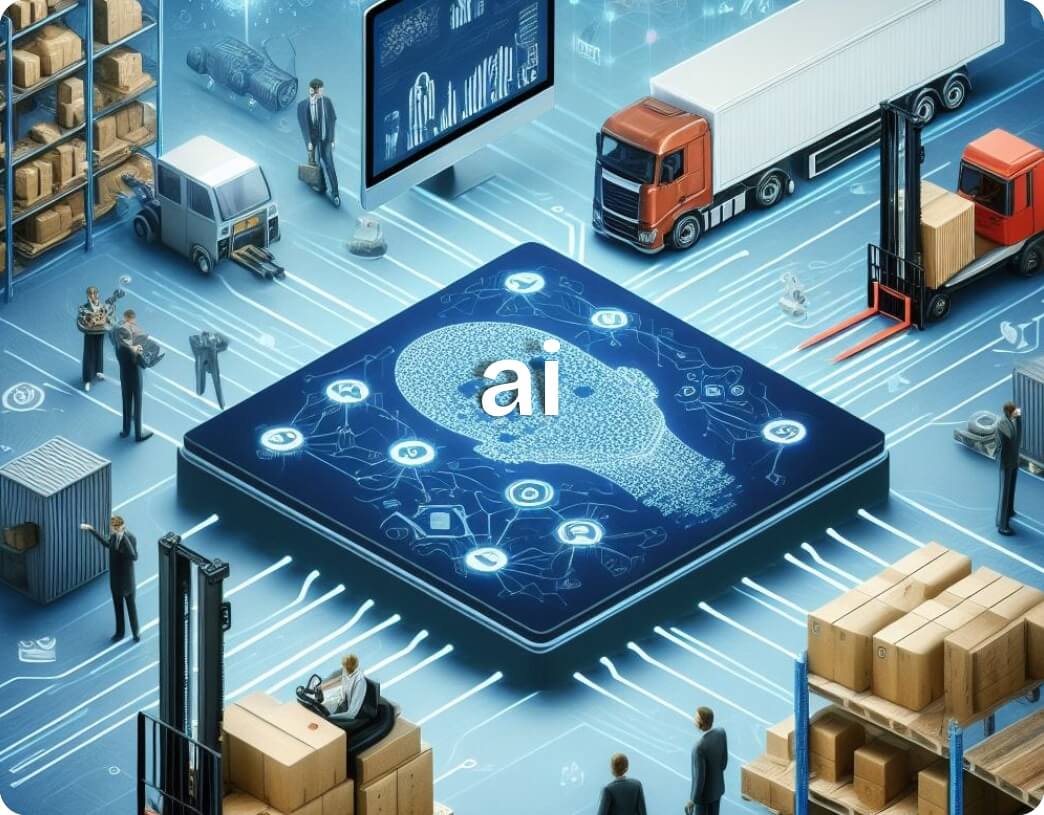
The logistics industry has always been driven by efficiency. From the invention of standardized shipping containers to the rise of global supply chains, each technological leap has aimed to move goods faster, cheaper, and more reliably. Today, artificial intelligence (AI) represents the next major transformation—one that is redefining nearly every aspect of logistics operations.
Unlike earlier automation technologies that focused mainly on mechanical efficiency, AI introduces decision-making capability into logistics systems. It enables machines and software to analyze massive volumes of data, predict outcomes, adapt to disruptions, and continuously optimize operations in real time.
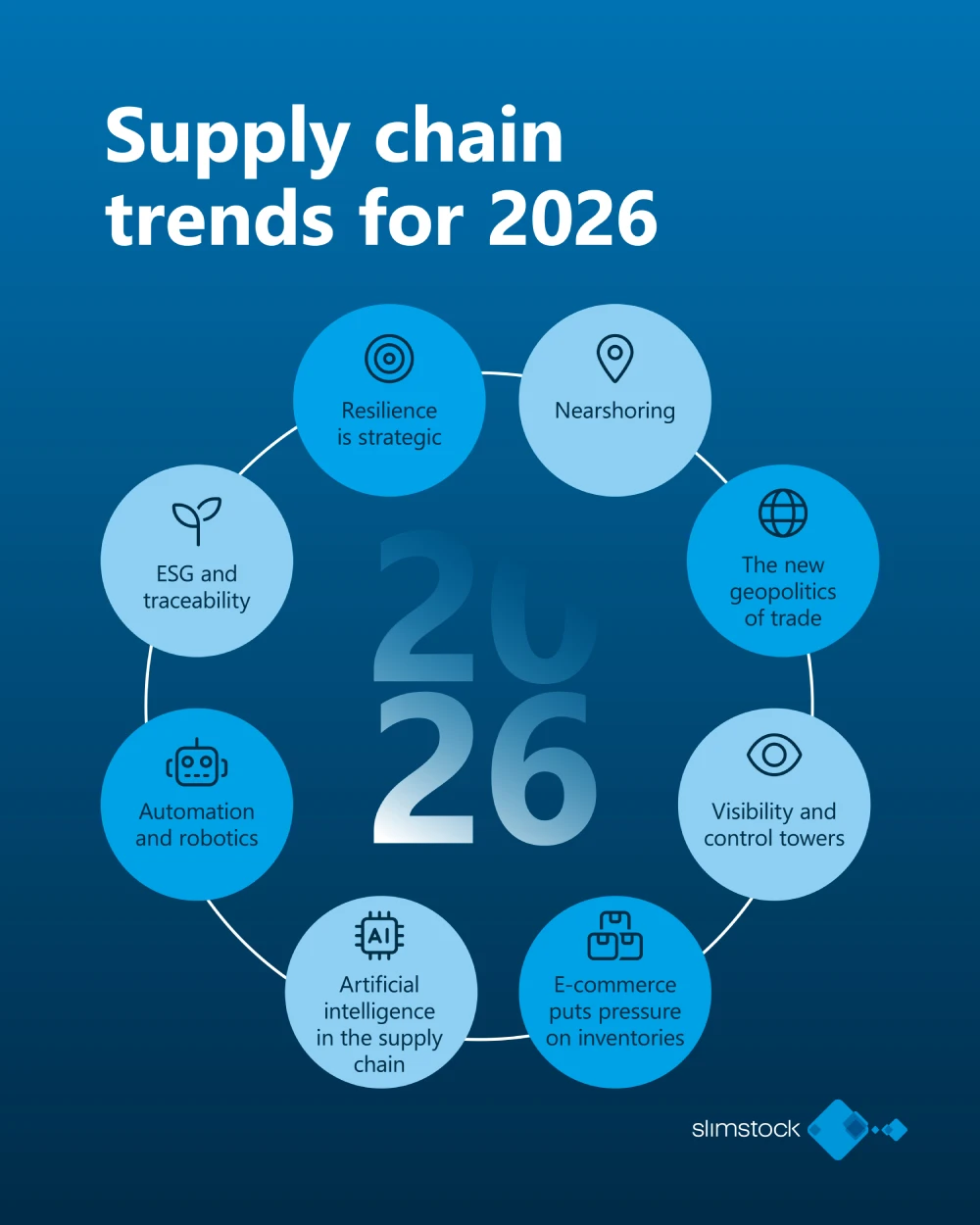
By 2026, AI is no longer a futuristic concept within logistics. It has become a foundational technology powering route planning, demand forecasting, warehouse automation, inventory management, last-mile delivery, and customer experience.
This article explores how AI is reshaping logistics from end to end, examining the technologies, applications, challenges, and future opportunities that are transforming global supply chains.
1. Why Logistics Became a Perfect Environment for AI
Logistics generates enormous amounts of data every second:
-
Shipment tracking information
-
Traffic patterns
-
Weather conditions
-
Inventory levels
-
Customer orders
-
Vehicle performance metrics
-
Warehouse workflows
Historically, much of this data remained underutilized because traditional software systems could not process complex variables simultaneously. AI changes this dynamic by learning patterns across datasets and producing actionable insights automatically.
Three industry pressures accelerated AI adoption:
-
Explosive growth of e-commerce
-
Rising customer expectations for fast delivery
-
Labor shortages across transportation and warehousing
AI provides a scalable solution capable of improving efficiency without proportional increases in human labor.
2. Intelligent Route Planning: The Brain Behind Modern Transportation
One of the earliest and most impactful applications of AI in logistics is route optimization.
Traditional route planning relied on static maps and predefined schedules. AI-driven systems, however, continuously analyze real-time variables such as:
-
Traffic congestion
-
Road closures
-
Fuel consumption patterns
-
Delivery time windows
-
Driver availability
-
Weather disruptions
Machine learning algorithms dynamically adjust delivery routes throughout the day rather than relying on fixed plans created hours earlier.
Benefits of AI Route Planning
-
Reduced fuel consumption
-
Faster delivery times
-
Lower operational costs
-
Improved driver productivity
-
Reduced carbon emissions
AI systems can simulate thousands of routing scenarios within seconds, selecting the most efficient option while balancing cost, speed, and sustainability.
For large logistics fleets operating hundreds or thousands of vehicles, even small efficiency improvements translate into millions of dollars saved annually.
3. Predictive Demand Forecasting and Inventory Intelligence
Demand volatility has become one of the biggest challenges in modern logistics. Seasonal shifts, social media trends, and global events can dramatically change purchasing behavior overnight.
AI forecasting models analyze historical sales data alongside external signals such as:
-
Economic indicators
-
Regional buying trends
-
Promotional campaigns
-
Weather forecasts
-
Online search behavior
These systems predict demand with far greater accuracy than traditional statistical models.
Impact on Supply Chains
Accurate forecasting allows companies to:
-
Position inventory closer to customers
-
Reduce stockouts
-
Minimize excess inventory
-
Improve warehouse utilization
-
Shorten fulfillment times
Instead of reacting to demand changes, logistics networks increasingly anticipate them.
4. AI-Powered Warehouse Management Systems
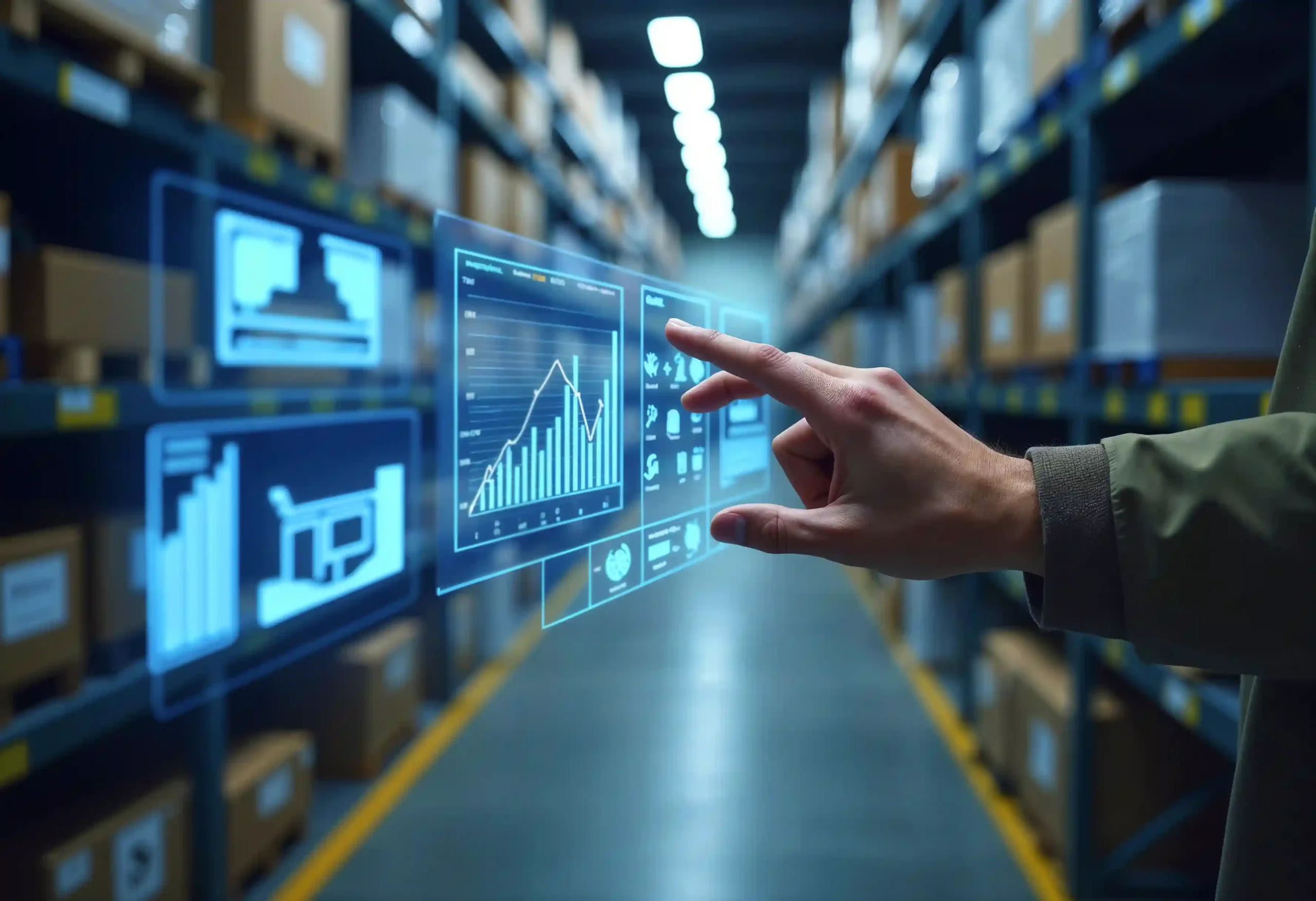
Warehouses are evolving from storage facilities into intelligent operational centers powered by AI-driven software.
Modern Warehouse Management Systems (WMS) use AI to orchestrate every movement inside a facility.
Key capabilities include:
-
Dynamic storage allocation
-
Automated picking optimization
-
Workforce scheduling
-
Real-time congestion management
-
Inventory accuracy monitoring
AI determines the best location for each product based on demand frequency, size, weight, and shipping patterns.
Fast-moving items are automatically positioned closer to packing stations, reducing travel time and increasing throughput.
5. Intelligent Picking and Robotics Collaboration
Order picking traditionally accounts for the largest portion of warehouse labor costs. AI-enabled robotics now transforms this process.
Robotic systems equipped with computer vision and machine learning can:
-
Identify products visually
-
Adjust grip strength for different items
-
Navigate warehouse layouts autonomously
-
Collaborate safely with human workers
Rather than replacing workers, AI creates collaborative workflows where robots handle repetitive transport tasks while humans focus on quality control and exception handling.
This human-machine partnership increases productivity while reducing physical strain on employees.
6. Autonomous Mobile Robots and Adaptive Navigation
Autonomous Mobile Robots (AMRs) represent a major advancement over earlier automation systems.
Unlike fixed conveyor systems, AMRs learn warehouse layouts and adapt routes dynamically.
AI enables robots to:
-
Avoid obstacles in real time
-
Optimize travel paths continuously
-
Coordinate with other robots
-
Balance workload distribution
As order volumes fluctuate throughout the day, AI reallocates robotic resources automatically, maintaining consistent efficiency without manual intervention.
This flexibility makes automation accessible even to mid-sized warehouses.
7. Computer Vision: Giving Logistics Systems Eyes
Computer vision is another AI technology rapidly reshaping logistics operations.
Using cameras combined with deep learning algorithms, warehouses can automatically:
-
Detect damaged packages
-
Verify order accuracy
-
Monitor safety compliance
-
Track inventory movement visually
Visual inspection tasks that once required manual checking now occur continuously and automatically.
The result is improved accuracy and fewer shipping errors, leading to better customer satisfaction and reduced return rates.
8. AI in Last-Mile Delivery Optimization
The last mile is often the most expensive and complex segment of logistics.
AI improves last-mile operations through:
-
Delivery time prediction models
-
Dynamic dispatching
-
Smart delivery clustering
-
Real-time driver guidance
Algorithms group deliveries geographically while accounting for traffic conditions and customer availability, significantly reducing failed delivery attempts.
Some systems even predict when customers are most likely to be home, improving first-attempt delivery success rates.
9. Predictive Maintenance for Logistics Fleets
Vehicle breakdowns create costly disruptions across supply chains.
AI-driven predictive maintenance analyzes sensor data from trucks and delivery vehicles to identify potential failures before they occur.
Monitored parameters include:
-
Engine temperature
-
Tire pressure
-
Brake performance
-
Fuel efficiency trends
-
Vibration patterns
Instead of scheduled maintenance based on mileage alone, repairs occur precisely when needed, reducing downtime and maintenance costs.
10. AI-Driven Supply Chain Visibility
Visibility has become essential in global logistics networks spanning multiple countries and transportation modes.
AI aggregates data from:
-
Shipping carriers
-
Ports and terminals
-
Warehouses
-
Customs systems
-
IoT tracking devices
Advanced analytics identify potential disruptions early, such as port congestion or weather delays, allowing companies to reroute shipments proactively.
Real-time transparency improves coordination among suppliers, logistics providers, and customers.
11. Intelligent Pricing and Capacity Optimization
AI also plays a growing role in logistics pricing strategies.
Machine learning models analyze market demand, fuel costs, seasonal trends, and competitor activity to dynamically adjust shipping rates and capacity allocation.
Benefits include:
-
Improved asset utilization
-
Balanced transportation demand
-
Higher profitability during peak seasons
-
Reduced empty miles for carriers
Dynamic pricing allows logistics networks to operate more efficiently under fluctuating conditions.
12. Sustainability Gains Through AI Optimization
AI contributes significantly to environmental sustainability.
Optimization algorithms reduce emissions by:
-
Minimizing unnecessary travel distance
-
Improving load consolidation
-
Reducing warehouse energy consumption
-
Preventing inventory waste
Smart energy systems powered by AI adjust lighting, heating, and equipment usage based on real-time activity levels inside facilities.
Sustainability improvements increasingly align with cost savings, making AI adoption economically attractive.
13. AI and the Rise of Digital Twins
Digital twins are virtual replicas of physical logistics systems.
AI simulations allow companies to test operational changes before implementing them in the real world.
Examples include:
-
Warehouse layout redesigns
-
Delivery network expansion
-
Inventory policy adjustments
-
Staffing scenarios
Digital twins reduce risk by allowing experimentation without disrupting operations.
14. Workforce Transformation in the AI Era
AI changes job roles rather than eliminating them.
New logistics positions include:
-
Automation supervisors
-
Data analysts
-
Robot maintenance technicians
-
AI operations managers
Employees increasingly interact with intelligent systems instead of performing repetitive manual tasks.
Training programs now emphasize technical literacy, problem-solving, and system oversight.
15. Challenges of AI Adoption
Despite its benefits, AI implementation presents challenges:
-
High initial investment costs
-
Data integration complexity
-
Legacy system compatibility
-
Cybersecurity risks
-
Workforce training requirements
Successful companies adopt phased implementation strategies, beginning with targeted use cases before scaling across operations.
16. Small and Mid-Sized Businesses Join the AI Movement
AI tools are becoming more accessible through cloud-based platforms and subscription models.
Smaller logistics operators can now deploy:
-
AI route planning software
-
Inventory forecasting tools
-
Automated analytics dashboards
This democratization of AI reduces competitive gaps between large enterprises and smaller businesses.
17. The Role of Generative AI in Logistics Operations
Generative AI introduces new possibilities, including:
-
Automated customer communication
-
Shipment documentation generation
-
Operational reporting
-
Decision-support assistants
Logistics managers increasingly rely on AI copilots to analyze data and recommend operational strategies.
These tools accelerate decision-making while reducing administrative workload.
18. The Future: Autonomous, Predictive, and Self-Optimizing Logistics
Looking ahead, logistics systems are moving toward autonomy.
Future AI-powered networks may:
-
Self-adjust inventory placement
-
Automatically negotiate shipping capacity
-
Predict disruptions weeks in advance
-
Coordinate fleets without human dispatchers
Logistics will evolve into an adaptive ecosystem where decisions occur continuously across interconnected systems.
Conclusion: AI as the Foundation of Next-Generation Logistics
Artificial intelligence is no longer an experimental technology within logistics—it is becoming the industry’s operating system.
From intelligent route planning to smart warehouses, AI enables logistics networks to operate faster, more accurately, and more sustainably than ever before.
The companies leading this transformation understand that AI is not simply about automation. It is about intelligence—turning data into decisions and decisions into continuous improvement.
As global commerce continues to expand and customer expectations rise, AI will define the logistics leaders of the next decade.
The future of logistics is not just automated.
It is intelligent, predictive, and deeply interconnected.