
Every year, peak shopping seasons bring enormous opportunities for cross-border e-commerce sellers — and equally enormous risks.
Events like Black Friday, Cyber Monday, holiday promotions, and year-end sales can multiply order volume overnight. For prepared sellers, this surge means record revenue. For unprepared ones, it often results in delayed shipments, canceled orders, rising costs, negative reviews, and damaged brand reputation.
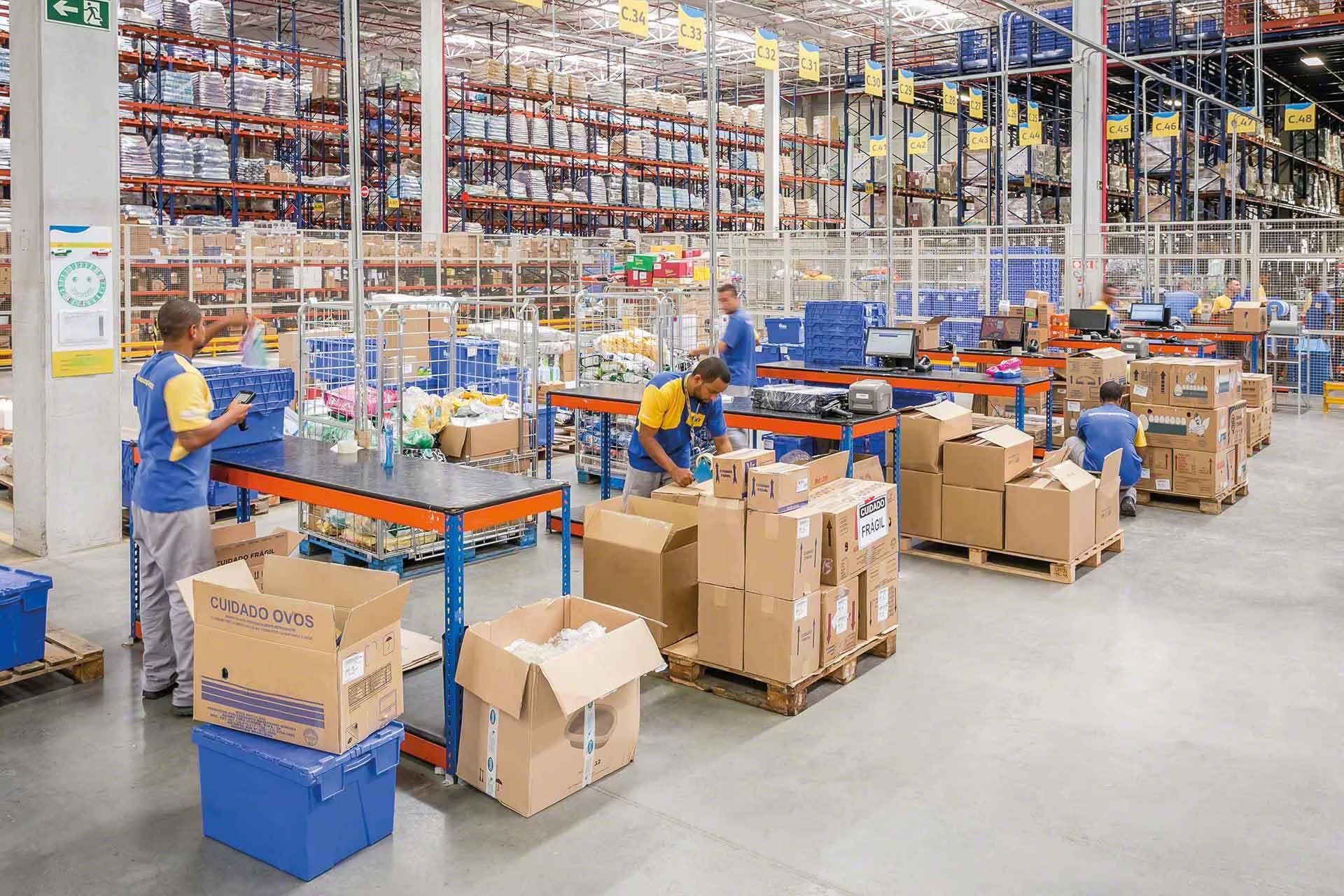
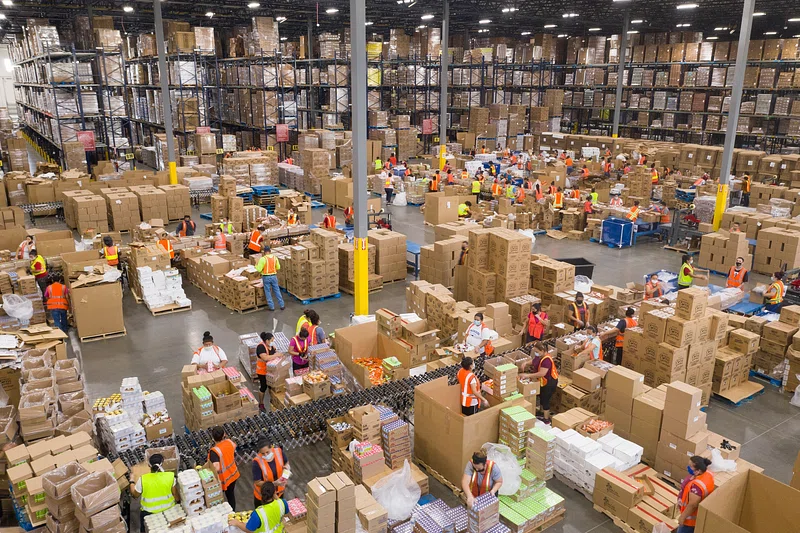
One of the most common and costly challenges during peak season is warehouse overload, often called “warehouse congestion” or “inventory bottleneck.” When fulfillment centers exceed capacity, processing slows dramatically. Inventory may sit unreceived for weeks, shipping times increase, and customer satisfaction drops.
The difference between success and chaos rarely comes down to luck. It comes down to logistics preparation months before peak season begins.
This guide explains how cross-border sellers can strategically plan logistics and inventory placement in advance, avoid warehouse overflow risks, and maintain stable fulfillment performance during the busiest sales periods of the year.
Why Peak Season Warehouse Overload Happens
To prevent a problem, you must first understand why it occurs.
Warehouse congestion is not caused by a single factor. Instead, it results from multiple pressures hitting the supply chain simultaneously.
Sudden Demand Spikes
Consumer demand during peak seasons grows exponentially rather than gradually. Warehouses designed for average daily volume suddenly face several times their normal workload.
Receiving docks, sorting systems, and packing stations become overwhelmed.
Simultaneous Seller Restocking
Thousands of sellers often ship inventory at the same time in preparation for promotions. This creates inbound shipment traffic jams.
Even well-managed warehouses struggle when everyone sends stock simultaneously.
Carrier Capacity Limitations
Shipping carriers also operate under constraints:
-
Limited drivers
-
Limited aircraft space
-
Holiday staffing shortages
-
Weather disruptions
When carriers slow down, warehouse output backs up.
Platform Policy Changes
Large marketplaces frequently introduce holiday deadlines, inventory limits, or stricter performance metrics.
Sellers who react late may find themselves unable to send inventory when they need it most.
The True Cost of Poor Peak Season Preparation
Many sellers underestimate how expensive logistics disruption can be.
Warehouse delays create cascading problems:
-
Inventory unavailable during highest demand
-
Increased refund requests
-
Advertising waste due to stockouts
-
Emergency shipping fees
-
Negative customer feedback
-
Reduced account performance metrics
Recovering from these issues often costs more than early preparation ever would.
Peak season rewards proactive planning — not reactive problem-solving.
Step 1: Forecast Demand Using Multi-Year Data
Effective logistics preparation begins with accurate forecasting.
Guesswork is the fastest way to create inventory imbalance.
Analyze Historical Sales Patterns
Look at data from:
-
Previous holiday seasons
-
Promotional campaigns
-
Regional sales trends
-
Product category performance
Identify patterns such as:
-
When sales spikes begin
-
Which SKUs accelerate fastest
-
Which products sell consistently versus unpredictably
Even new sellers can analyze market trends using category-level insights and competitor observation.
Account for Growth Rate
A common mistake is ordering inventory based solely on last year’s numbers.
If your store has grown 40%, demand may increase proportionally — or more during peak promotions.
Build projections that include:
-
Marketing expansion
-
Platform traffic growth
-
New product launches
Prepare Multiple Demand Scenarios
Create three planning models:
-
Conservative demand
-
Expected demand
-
High-growth demand
This allows flexible inventory decisions as real sales data emerges.
Step 2: Diversify Warehouse Locations
Relying on a single fulfillment center is one of the biggest risks during peak season.
When one warehouse becomes congested, your entire operation slows down.
The Multi-Warehouse Strategy
Distribute inventory across multiple locations:
-
Domestic fulfillment centers
-
Third-party logistics providers (3PLs)
-
Regional warehouses near key markets
Benefits include:
-
Reduced inbound congestion risk
-
Faster regional delivery
-
Backup fulfillment options
Split Inventory Intelligently
Instead of evenly dividing stock, allocate based on:
-
Regional demand
-
Shipping cost efficiency
-
Delivery time expectations
For example, products popular in North America should be positioned closer to U.S. customers before peak season begins.
Step 3: Ship Inventory Earlier Than You Think Necessary
One universal truth of peak logistics:
Everything takes longer than expected.
Recommended Timeline Planning
Many experienced sellers ship inventory:
-
90–120 days before major holiday sales
-
Earlier for ocean freight shipments
-
With buffer time for customs clearance
Waiting until sales begin is already too late.
Avoid the Last-Minute Shipping Rush
Late shipments face:
-
Port congestion
-
Air freight price spikes
-
Warehouse receiving delays
Early inventory arrival ensures products are available when demand surges.
Step 4: Balance Ocean Freight and Air Freight Strategically
Transportation method selection significantly impacts peak season performance.
Ocean Freight Advantages
-
Lower cost per unit
-
Ideal for bulk inventory
-
Predictable planning when scheduled early
However, transit times are long.
Air Freight Advantages
-
Fast delivery
-
Emergency restocking capability
-
Flexible replenishment
But costs are much higher.
Hybrid Shipping Strategy
Successful sellers often use a blended approach:
-
Send majority inventory via ocean freight early.
-
Reserve air freight for fast-moving SKU replenishment.
This balances cost efficiency with responsiveness.
Step 5: Strengthen Supplier Coordination
Logistics planning fails without supplier alignment.
Suppliers must understand your peak season timeline.
Communicate Production Schedules Early
Confirm:
-
Manufacturing capacity
-
Raw material availability
-
Production lead times
-
Quality inspection schedules
Unexpected production delays often cause logistics failures downstream.
Implement Rolling Production Plans
Instead of one large order, consider staggered production batches.
Benefits include:
-
Reduced risk
-
Flexible inventory adjustments
-
Continuous replenishment flow
Step 6: Use Inventory Buffer Stock Strategically
Buffer inventory acts as insurance against uncertainty.
How Much Safety Stock Is Enough?
The answer depends on:
-
Supplier lead time
-
Shipping duration variability
-
Sales volatility
High-demand SKUs typically require larger buffers.
Where to Place Buffer Inventory
Options include:
-
Domestic backup warehouses
-
Secondary 3PL providers
-
Near-port storage facilities
Buffer inventory should remain accessible but separate from primary stock.
Step 7: Optimize SKU Selection Before Peak Season
Not every product deserves equal logistics investment.
Identify Core Revenue Drivers
Focus resources on:
-
Best-selling products
-
High-margin items
-
Reliable suppliers
-
Products with predictable demand
Reduce complexity by temporarily pausing slow-moving SKUs.
Simplification Improves Fulfillment Speed
Fewer SKUs mean:
-
Faster warehouse processing
-
Lower picking errors
-
Easier inventory tracking
Operational simplicity becomes a competitive advantage during high volume periods.
Step 8: Prepare for Returns Logistics
Peak season sales inevitably generate higher return rates.
Ignoring reverse logistics leads to post-season chaos.
Establish Return Handling Plans
Decide in advance:
-
Return warehouse locations
-
Restocking procedures
-
Disposal or refurbishment strategies
Efficient returns processing helps recover inventory value quickly.
Step 9: Monitor Logistics Data in Real Time
Preparation does not end once inventory ships.
Continuous monitoring allows rapid response.
Key Metrics to Track
-
Inventory turnover rate
-
Warehouse receiving times
-
Carrier transit performance
-
Delivery delays by region
-
Stockout risk levels
Real-time visibility prevents small problems from becoming large disruptions.
Step 10: Build Strong Relationships With Logistics Partners
Peak season prioritization often favors trusted clients.
Reliable communication with logistics providers can provide advantages such as:
-
Earlier booking access
-
Faster problem resolution
-
Flexible capacity solutions
Treat logistics partners as strategic collaborators rather than transactional vendors.
Common Mistakes Cross-Border Sellers Make
Avoid these frequent errors:
-
Sending inventory too late
-
Relying on one warehouse
-
Ignoring customs clearance timelines
-
Underestimating demand growth
-
Overexpanding product catalogs
-
Failing to plan backup shipping options
Each mistake compounds risk during peak demand periods.
Technology’s Growing Role in Peak Season Logistics
Modern logistics increasingly relies on automation and predictive systems.
Emerging tools include:
-
AI demand forecasting
-
Smart warehouse routing
-
Automated inventory alerts
-
Dynamic shipping optimization
Technology reduces manual decision-making and improves reaction speed.
Building a Resilient Logistics System for Long-Term Growth
Peak season planning should not be a one-time effort.
Instead, treat it as an annual system improvement cycle.
After each season:
-
Analyze fulfillment performance
-
Identify delays and bottlenecks
-
Adjust warehouse allocation strategies
-
Improve supplier coordination
Continuous refinement strengthens future operations.
The Competitive Advantage of Logistics Excellence
In cross-border e-commerce, products can be copied and prices can be matched.
Logistics reliability, however, is difficult to replicate quickly.
Fast, predictable delivery builds:
-
Customer trust
-
Repeat purchases
-
Stronger brand reputation
Sellers who master logistics planning gain durable competitive advantages.
Final Thoughts: Preparation Turns Peak Season Pressure Into Opportunity
Peak season warehouse overload is not inevitable. It is usually the result of delayed planning, limited logistics diversification, or inaccurate forecasting.
Cross-border sellers who succeed consistently share common habits:
-
They forecast demand early.
-
They ship inventory ahead of competitors.
-
They diversify fulfillment networks.
-
They maintain buffer stock.
-
They monitor logistics performance continuously.
Peak season is not just a sales event — it is a logistics stress test.
Those who prepare early transform potential bottlenecks into growth accelerators, ensuring that when demand surges, their operations remain stable, scalable, and ready to deliver exceptional customer experiences.
In global e-commerce, success during the busiest season of the year belongs to sellers who treat logistics not as an afterthought, but as the foundation of their business strategy.