
Over the past decade, Southeast Asia has transformed from a secondary trade corridor into one of the world’s most dynamic cross-border logistics regions. Driven by digital commerce, supply chain diversification, and rising regional consumption, logistics networks across ASEAN countries are undergoing rapid structural change.
For global sellers, manufacturers, and logistics providers, Southeast Asia now represents both a massive opportunity and a complex operational puzzle.
The region’s fragmented geography, regulatory diversity, and uneven infrastructure create challenges unlike those found in North America or Europe. At the same time, technological innovation, infrastructure investment, and shifting global trade patterns are opening entirely new logistics models.
This article provides a comprehensive analysis of Southeast Asia’s cross-border logistics landscape — examining market opportunities, structural challenges, and realistic solutions shaping the next phase of growth.
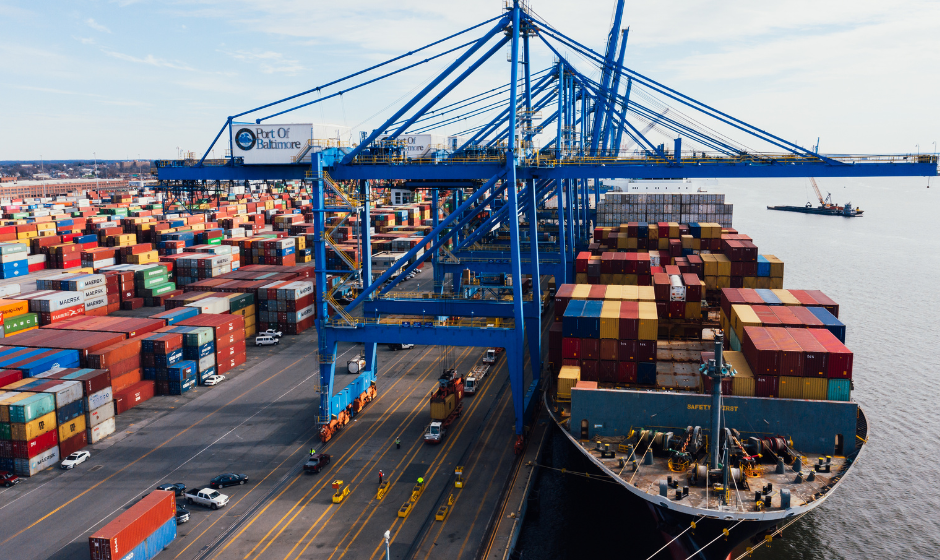
1. Why Southeast Asia Has Become a Global Logistics Hotspot
Southeast Asia’s logistics boom is not accidental. It sits at the intersection of several global economic shifts.
The Rise of Digital Commerce
E-commerce adoption across ASEAN continues to expand rapidly, creating unprecedented demand for cross-border fulfillment.
Industry research suggests Southeast Asia’s e-commerce market could sustain annual growth between 15% and 25%, potentially reaching around $230 billion in gross merchandise volume within the next few years.
Unlike mature markets, online penetration remains relatively low — about 20% on average — meaning logistics demand still has a long runway for expansion.
This growth fundamentally reshapes logistics requirements:
- Faster delivery expectations
- Cross-border parcel volume expansion
- Increased return logistics
- Demand for localized fulfillment
Logistics is no longer a supporting function; it has become the backbone of digital trade.
Supply Chain Diversification After Global Trade Shifts
Global manufacturers increasingly diversify production beyond single-country sourcing models.
Southeast Asia benefits from:
- Manufacturing relocation
- Regional trade agreements
- Competitive labor markets
- Strategic geographic positioning between China, India, and Oceania
As sourcing spreads across multiple ASEAN countries, cross-border logistics becomes essential for connecting fragmented production networks.
Regional Trade Integration
ASEAN economic cooperation continues to reduce trade friction, encouraging intra-regional shipping.
Cross-border e-commerce alone has already reached roughly $17 billion in market size, highlighting the scale of regional transactions.
The result is a logistics environment shifting from export-focused shipping toward dense regional circulation.
2. Key Opportunities in Southeast Asia Cross-Border Logistics
Opportunity 1: Explosive Cross-Border E-Commerce Demand
Cross-border sales increasingly dominate online marketplaces.
Many Southeast Asian consumers purchase internationally due to:
- Price advantages
- Product variety
- Brand access unavailable locally
Meanwhile, merchants outside the region view ASEAN markets as high-growth entry points.
Projected B2C export revenue across major ASEAN economies could reach $304 billion by 2028.
This creates demand for:
- International parcel logistics
- Customs brokerage services
- Local last-mile partnerships
Opportunity 2: Growth of Smart Warehousing and Fulfillment
Investment in automated warehouses is accelerating.
The ASEAN e-commerce logistics market is projected to grow significantly, supported by smart fulfillment infrastructure and digital operations.
Key developments include:
- Robotics-assisted sorting
- AI inventory forecasting
- Real-time shipment tracking
- Cross-border inventory pooling
Warehousing is shifting from storage space to data-driven logistics hubs.
Opportunity 3: Regional Consumption Growth
Unlike export-only markets, Southeast Asia combines:
- Young demographics
- Rising middle-class income
- High smartphone adoption
This drives both import and intra-regional trade flows, expanding logistics demand beyond traditional shipping routes.
Opportunity 4: Logistics Market Expansion
The regional logistics industry is projected to approach $400 billion by 2027, fueled by e-commerce and infrastructure investment.
New value pools are emerging in:
- Reverse logistics
- Same-day delivery
- Cold chain logistics
- Cross-border returns management
3. Core Challenges Facing Cross-Border Logistics
Despite strong growth, Southeast Asia remains one of the most operationally complex logistics regions globally.
Challenge 1: Geographic Fragmentation
Unlike continental markets, Southeast Asia consists largely of islands.
This creates logistical complications:
- Multi-modal shipping requirements
- Port dependency
- Weather-related delays
- Higher last-mile costs
Indonesia and the Philippines alone contain thousands of islands, requiring hybrid sea-air-land networks.
Challenge 2: Regulatory Diversity
Each ASEAN country maintains distinct:
- Customs procedures
- Import regulations
- Tax rules
- Documentation requirements
Industry analysis highlights how differing customs systems and payment methods complicate cross-border logistics operations across nations.
Even small documentation errors can delay shipments significantly.
Challenge 3: Infrastructure Inequality
Infrastructure quality varies widely:
- Singapore: world-class logistics hub
- Vietnam & Thailand: rapidly improving
- Emerging markets: limited inland connectivity
Shipping time variability becomes a major operational risk.
Challenge 4: High Logistics Costs
In some markets, logistics expenses reach up to 30% of e-commerce revenue, especially where infrastructure gaps exist.
Major cost drivers include:
- Cross-border handling fees
- Customs clearance delays
- Last-mile inefficiencies
- Failed deliveries
Challenge 5: Customer Expectations Rising Faster Than Infrastructure
Consumer expectations are evolving rapidly.
Surveys show delivery delays remain the largest logistics complaint among Southeast Asian online shoppers.
Customers increasingly demand:
- Real-time tracking
- Faster shipping
- Flexible returns
Meeting these expectations requires operational upgrades across the supply chain.
4. Emerging Structural Risks Affecting Logistics
Trade Compliance Pressure
Governments are tightening customs enforcement to prevent tariff circumvention and supply chain manipulation.
Increased inspections and origin verification requirements are becoming common across the region.
This increases compliance complexity for cross-border sellers.
Cost Pressure and Competitive Logistics Spending
Major e-commerce platforms continue investing heavily in logistics infrastructure to remain competitive, driving rising operational expenses industry-wide.
Logistics efficiency is now a competitive advantage rather than a cost center.
Geopolitical Supply Chain Shifts
Large infrastructure projects and new trade corridors are reshaping shipping routes linking China and Southeast Asia, potentially reducing transportation distance and cost.
Logistics strategies must adapt to evolving regional trade flows.

5. Technology as the Primary Solution Driver
Technology adoption is becoming the most effective way to overcome regional complexity.
AI-Driven Logistics Optimization
Research shows artificial intelligence significantly improves cross-border trade efficiency by enhancing forecasting, routing, and operational decision-making.
Applications include:
- Demand prediction
- Route optimization
- Risk detection
- Automated customs classification
Digital Visibility Platforms
End-to-end tracking systems reduce uncertainty by connecting:
- Warehouses
- Freight forwarders
- Customs brokers
- Last-mile carriers
Transparency lowers dispute rates and improves customer satisfaction.
Smart Customs Integration
Electronic documentation and automated compliance checks reduce clearance delays.
Countries investing in digital customs systems see measurable logistics performance improvements.
6. Practical Solutions for Businesses Entering Southeast Asia
Solution 1: Regional Hub Strategy
Instead of shipping directly to every country, companies establish hubs in logistics-friendly locations such as Singapore or Malaysia, then distribute regionally.
Benefits:
- Faster delivery
- Reduced customs complexity
- Inventory flexibility
Solution 2: Hybrid Fulfillment Models
Successful companies combine:
- Cross-border shipping for slow-moving inventory
- Local warehousing for high-demand products
This balances cost and delivery speed.
Solution 3: Local Partnership Networks
Working with local carriers improves:
- Last-mile reliability
- Address accuracy
- Customer communication
Local knowledge remains essential.
Solution 4: Data-Driven Route Planning
Logistics decisions increasingly rely on historical shipment data rather than reactive planning — a shift widely discussed among industry practitioners.
Data improves resilience during disruptions.
Solution 5: Return Logistics Optimization
Smooth return processes can significantly increase online purchasing behavior, making reverse logistics a strategic investment.
7. The Future Outlook: What Comes Next
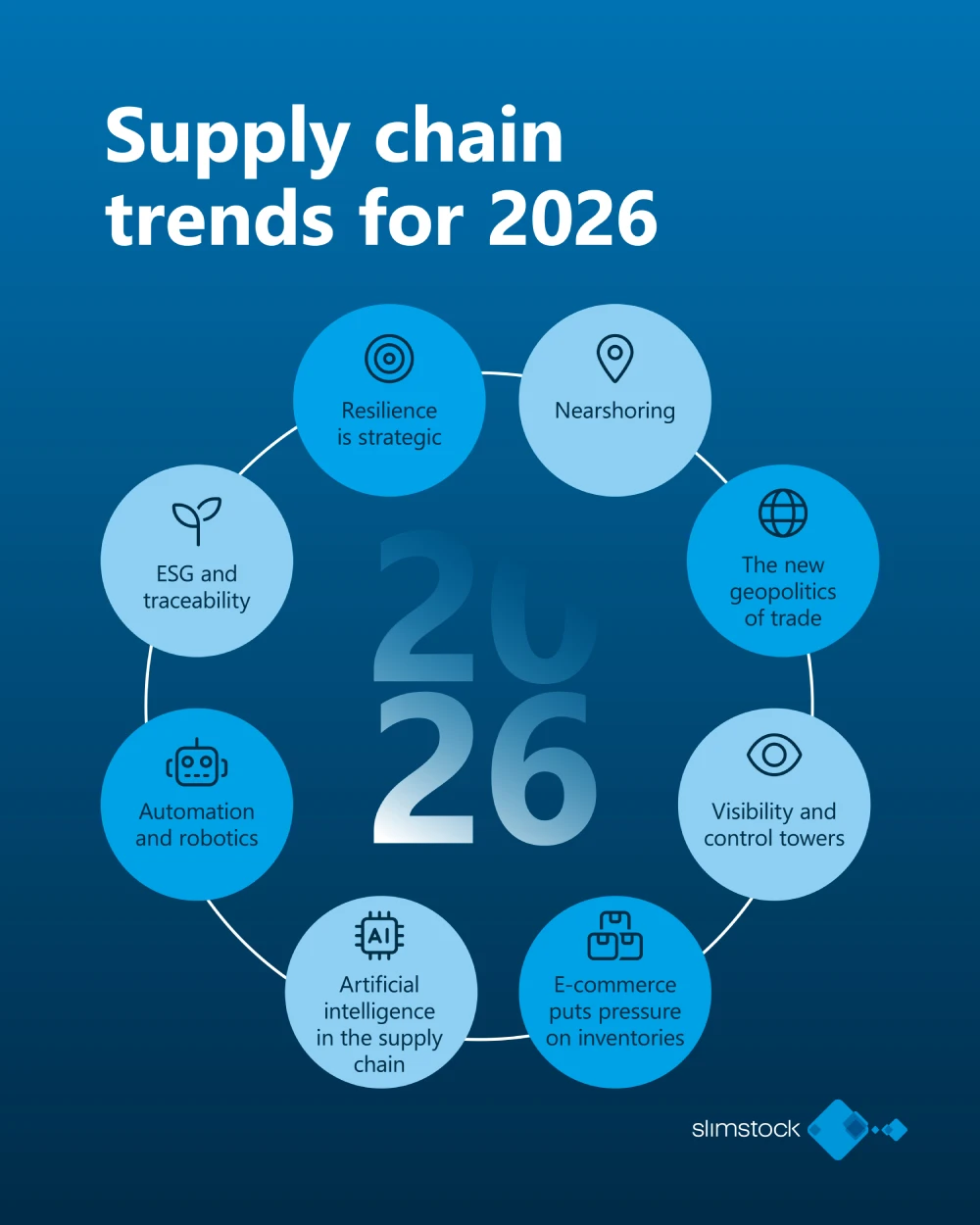
Several trends will define Southeast Asia cross-border logistics through the late 2020s:
Regionalization of Supply Chains
Production and consumption increasingly occur within Asia rather than across continents.
Automation Expansion
Smart warehouses and AI planning will become standard infrastructure.
Logistics Platform Integration
Shipping, payments, customs, and fulfillment systems will merge into unified ecosystems.
Sustainability Pressure
Carbon reporting and greener logistics practices will influence carrier selection.
8. Strategic Recommendations for Logistics Stakeholders
For logistics providers:
- Invest in digital infrastructure early.
- Build multi-country operational expertise.
- Develop compliance capabilities.
For cross-border sellers:
- Localize inventory strategically.
- Prioritize delivery reliability over lowest shipping cost.
- Understand country-specific regulations before scaling.
For investors and policymakers:
- Infrastructure standardization remains the largest long-term opportunity.
Final Thoughts: Complexity Is Southeast Asia’s Competitive Advantage
Southeast Asia’s cross-border logistics landscape is complex — but that complexity creates opportunity.
Markets with high barriers often reward operators who adapt fastest.
The region combines:
- Rapid digital adoption
- Expanding consumer demand
- Strategic geographic positioning
- Continuous infrastructure investment
Businesses that understand local nuances, adopt technology intelligently, and design flexible logistics networks will not only overcome current challenges but also benefit from one of the world’s most promising trade ecosystems.
In the coming decade, Southeast Asia is unlikely to become simpler.
But it will become more connected, more digital, and far more central to global commerce.