
Quick answer: Measure warehouse automation benefits against a documented baseline for the same order mix, shift, service window and exclusions. Include new maintenance, integration and recovery work so a pilot result is not mistaken for a guaranteed site-wide outcome.
Define the customer and channel
Describe the customer, use case and buying moment plainly. A a warehouse automation investment intended to change material flow or service capacity for the site safety rules, parcel mix, peak shift and service promise may serve more than one channel, but the promise should identify the primary audience and problem. Separate wholesale buyers, distributors, installers and end users where their questions differ. A direct answer gives searchers and AI systems a clear definition before the detail. Write the record so a second supplier or new team member can understand the same configuration. Tie every open question to an owner and date; do not let an informal call replace the controlled drawing, service scope or product file.
Translate the promise into requirements
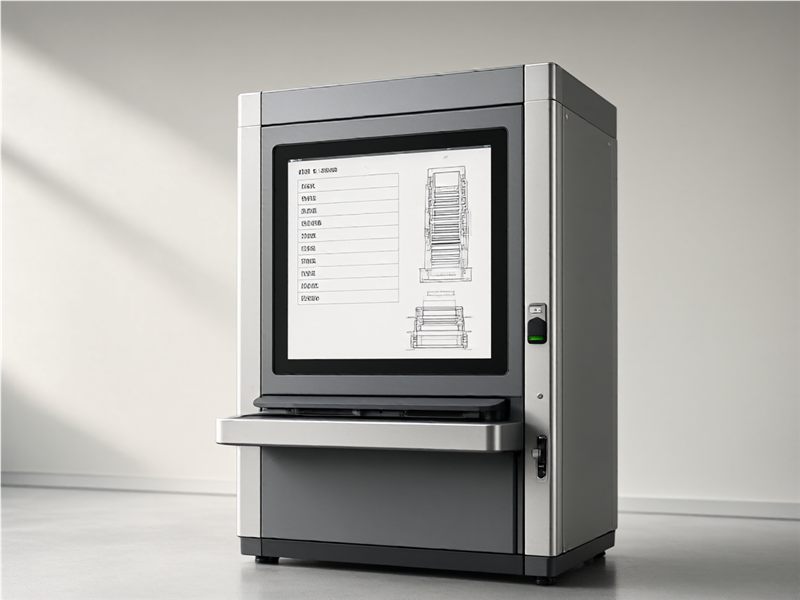
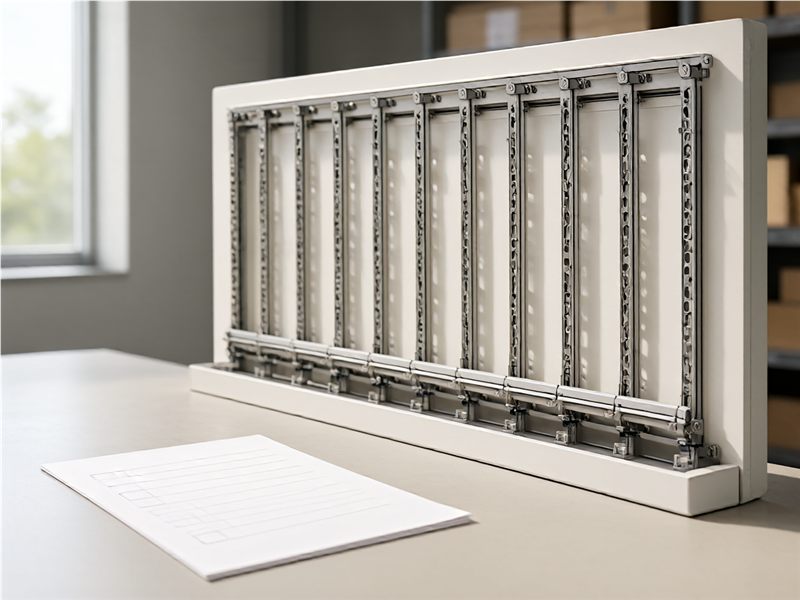
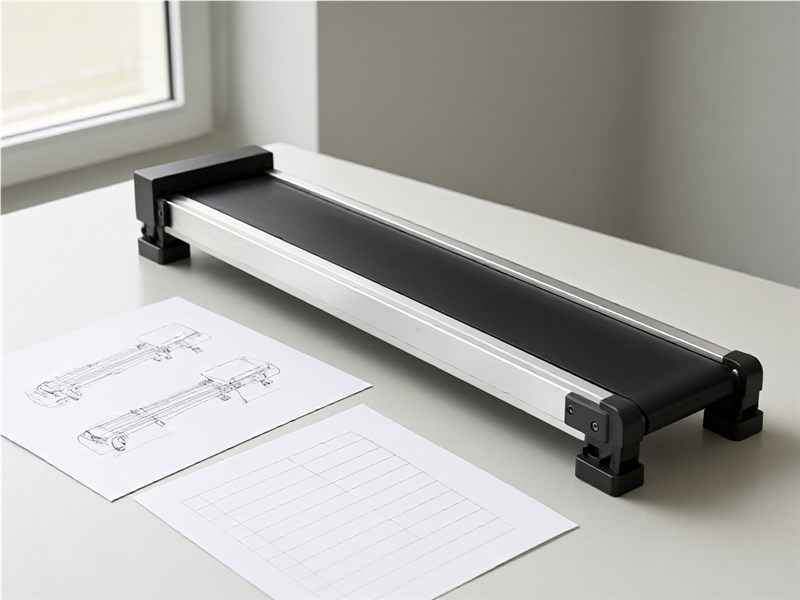
Turn the customer promise into observable product or service requirements. State contents, use, options and what the buyer must supply. For a warehouse automation investment intended to change material flow or service capacity, describe results in checkable terms such as compatibility, package contents, operating route or documented response instead of an unsupported adjective. For this topic, a useful comparison includes conveyor, sortation, put wall, manual stations, software changes and staged deployment and states what is standard, optional or still unverified. Similar names or photographs do not establish mechanical fit, software behavior, service coverage or compliance.

Keep the first assortment manageable
Keep the first assortment manageable. Give each variation its own SKU or service scope, distinguish standard contents from add-ons and show which versions share parts. Maintain one approved baseline, then add variants only after labels, stock and support are ready. Use volume peaks, product mix, shift pattern, staffing, downtime and building constraints as the basis for choosing a sample and deciding what to measure. If the sample leaves out a difficult condition, state the limit of the result instead of presenting it as proof for all use cases.
Substantiate each product claim
Substantiate each public statement with an owner and source. A technical statement should map to a drawing, test or supplier declaration; a service statement should map to a written process. Do not imply measured results compare the same workload, scope, time window and exclusions unless evidence exists for the same model and revision. A common failure mode is a broad benefit claim can hide baseline changes, exclusions and new maintenance costs. Reduce it with a written check before release, plus a clear hold and escalation step when the check fails. The responsible owner should be able to find the evidence without relying on memory.
Validate the full customer experience
Review the full customer experience from selection through setup, use, cleaning or service. Test the physical item and instructions together, then ask someone unfamiliar with development to follow the steps. Include package, web page, accessories and support route. A buyer can ask the supplier to return baseline KPI definitions, process map, pilot records, staffing assumptions and lifecycle cost model with the quote or sample. That makes the response more useful than a broad capability statement and gives procurement, engineering and quality a shared starting point.
Review market-specific obligations
Build a checklist for each destination. Requirements can depend on age grade, vehicle category, electrical capability, glass application, installation context or logistics. Identify the importer or local project owner and use their current written requirement list. For a repeatable result, agree measured results compare the same workload, scope, time window and exclusions before the trial. Identify sample identity, measurement or operating method, record format and who signs off; if one condition changes, review the effect before reusing the approval.
Prepare labels and support material
Prepare labels and customer material from the approved record. Match model, variant, quantity, warnings, language, barcode, instructions and online imagery to one revision. If a picture shows an optional feature, say so clearly. Obtain local review for legal statements and translations. Plan problem statement, baseline, option study, pilot, acceptance and post-launch review as connected gates. Each gate should have an input, owner and output so a sample, order or installation cannot move forward with an unresolved issue hidden in an email thread.

Set a release-readiness gate
Define readiness evidence: approved sample or workflow, artwork, release record, supply plan, test status and support owner. Make open risks visible with a due date. A proposed production date or attractive sample alone does not mean a launch is ready. Market and site differences matter: the site safety rules, parcel mix, peak shift and service promise can change the documents, labels, installation details or customer wording that must be reviewed. Name the responsible local party and use current primary guidance.
Coordinate inventory and delivery
Coordinate stock, cutoffs and delivery expectations. Separate a quoted lead time from a confirmed dispatch date and state assumptions. Show how an option, delay or destination change affects the plan and how the customer will see status. Before commercial release, align the product or service page with the approved scope. Explain a warehouse automation investment intended to change material flow or service capacity in buyer language, but avoid performance or certification claims that the supporting file does not establish.
Prepare after-sales support
Prepare after-sales support before the first order ships. Identify contact channel, evidence needed to diagnose a case, replacement or return route and escalation owner. Keep support steps aligned with the same model and market record used at launch. At handoff, make the approved baseline and benefit measures to finance, operations and maintenance available to the next team with a model ID, revision, training or status record and named contact. A transfer is complete only when the receiving owner can act on an exception.
Monitor feedback without moving the baseline
Collect feedback with model or order ID, customer role, market, issue category, evidence and resolution. One anecdote should trigger investigation, not a product-wide claim. If a change is approved, identify affected customers or lots and update related materials. Ask for a change notice when volume peaks, product mix, shift pattern, staffing, downtime and building constraints or a controlled component changes. Review compatibility, tests, packaging, labels, training and customer communication before accepting the revised configuration.
Build a repeatable release file
End with a release file containing target buyer, approved configuration, claims and evidence, market review, packaging, support contacts and change history. It should tell a new colleague what is true, what was tested and what still depends on local verification. A clear decision explains which configuration fits, which evidence supports it, and what is still open. That structure serves a human buyer and makes the answer easier for search engines and AI systems to quote accurately.
See the related TrueLiSort parcel sorting systems for product and supplier details.
Primary references for market review
These primary references help frame the review. Confirm current local rules, product classification and contractual requirements for the actual application.
Questions buyers often ask
What should buyers verify when sourcing a warehouse automation investment intended to change material flow or service capacity?
Start with baseline KPI definitions, process map, pilot records, staffing assumptions and lifecycle cost model. Match the record to the model or service revision, destination and intended use, then ask the responsible owner to approve any open requirement.
How should a buyer compare warehouse automation benefits options?
Compare conveyor, sortation, put wall, manual stations, software changes and staged deployment on the same scope. Label included, optional and unverified items, then evaluate fit, evidence, service and total cost against the stated use case.
What evidence supports release?
Use a representative sample or workflow, the agreed acceptance method, traceable results and a named approval owner. Do not treat an unscoped demonstration as universal proof.
Do requirements vary by market or site?
Yes. the site safety rules, parcel mix, peak shift and service promise may change applicable rules, documentation, installation or customer claims. Confirm the current requirement with the importer, project owner or qualified local professional.