

Global commerce has transformed how businesses operate and how consumers shop. Today, a customer in California can order a product from Asia or Europe and receive it within days. Behind this convenience lies a complex system known as cross-border logistics — the backbone of international trade and global eCommerce.
For businesses expanding internationally and consumers curious about how overseas shipping works, understanding cross-border logistics is essential. This guide explains everything you need to know, from the moment a package leaves the warehouse to the final delivery at your doorstep.
By the end, you will have a clear understanding of every stage involved, the key players, common challenges, and how modern logistics solutions make global shipping faster and more reliable than ever.
What Is Cross-Border Logistics?
Cross-border logistics refers to the transportation, management, and delivery of goods between different countries. Unlike domestic shipping, it involves multiple regulatory systems, transportation modes, customs procedures, and international coordination.
In simple terms, cross-border logistics covers the entire journey of a product traveling from a seller in one country to a buyer in another.
It typically includes:
- International transportation
- Export and import customs clearance
- Warehousing and distribution
- Documentation management
- Duties and tax processing
- Last-mile delivery
Because goods cross national borders, every shipment must comply with international trade laws and local regulations in both origin and destination countries.
Why Cross-Border Logistics Matters Today
The growth of global eCommerce has made international shipping a daily occurrence rather than a specialized service.
Businesses rely on cross-border logistics to:
- Reach new international markets
- Reduce manufacturing and sourcing costs
- Improve delivery speed worldwide
- Offer competitive pricing
- Scale operations globally
Consumers benefit through greater product variety, price comparison opportunities, and access to products unavailable locally.
Without efficient cross-border logistics, international trade would slow dramatically.
Key Participants in Cross-Border Logistics
Several organizations work together to move a single package internationally.
Shippers (Sellers or Manufacturers)
The shipper prepares goods for export, including packaging, labeling, and documentation.
Freight Forwarders
Freight forwarders coordinate transportation routes and manage logistics planning. They do not usually transport goods themselves but organize carriers and documentation.
Carriers
Carriers physically transport shipments via:
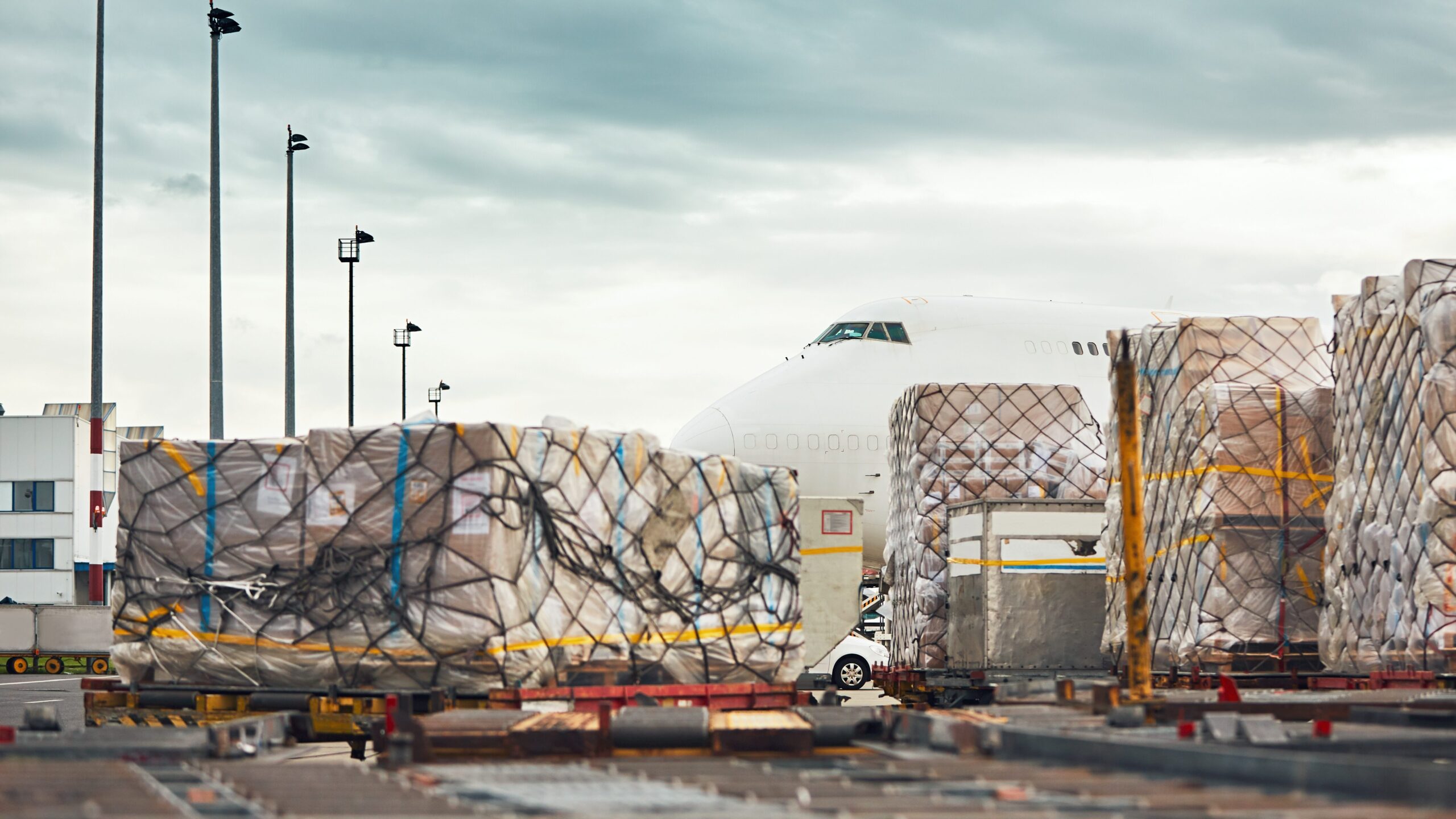
- Air freight
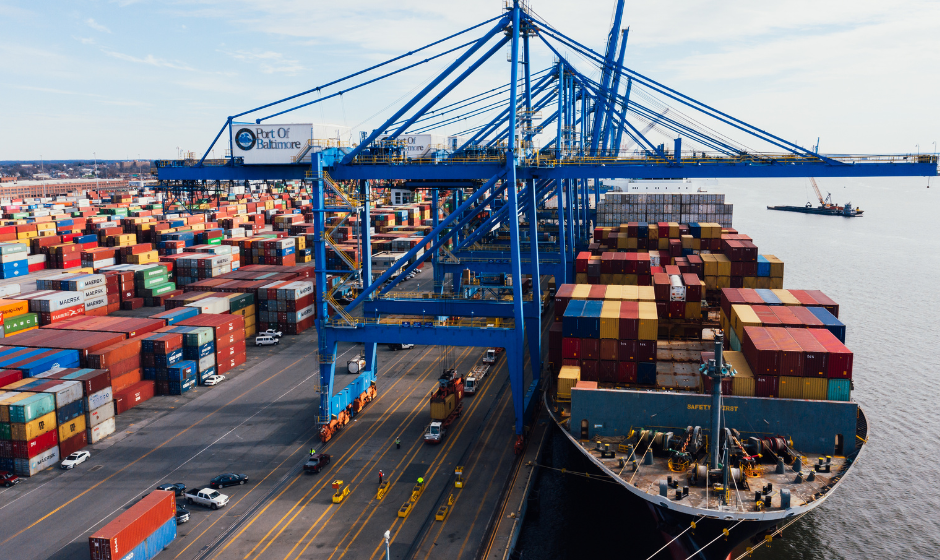
- Ocean freight
- Rail transport
- Trucking networks
Customs Authorities
Government agencies inspect shipments and ensure compliance with import/export laws.
Customs Brokers
Brokers help businesses handle customs paperwork and duty payments efficiently.
Last-Mile Delivery Companies
Local courier services complete the final delivery to the customer.
Each participant plays a vital role in ensuring goods move smoothly across borders.
The Complete Cross-Border Logistics Process: Step by Step
Understanding the full journey helps clarify why international shipping involves multiple stages.
Step 1: Order Confirmation and Processing
The process begins when a customer places an international order.
The seller’s system verifies:
- Payment confirmation
- Product availability
- Shipping destination eligibility
- Export compliance requirements
Once confirmed, the order moves to warehouse fulfillment.
Step 2: Warehousing and Picking
Products are stored in warehouses or fulfillment centers.
Workers or automated systems:
- Pick items from inventory
- Inspect product quality
- Prepare items for packing
Many global sellers use strategically located warehouses to shorten delivery times.
Step 3: Packaging and Labeling
Proper packaging is critical for international shipping.
Packages must include:
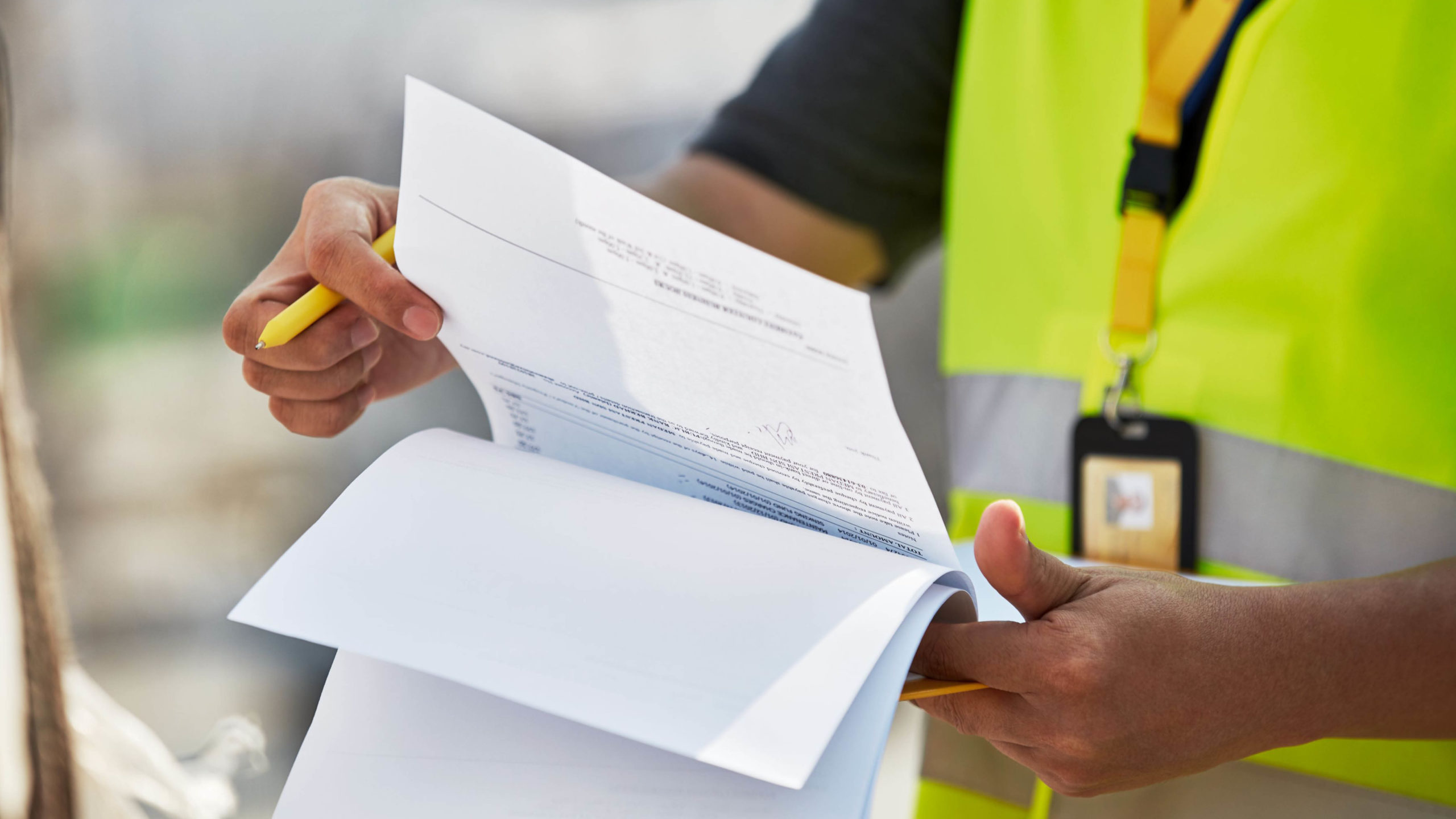
- Commercial invoice
- Shipping label
- Harmonized System (HS) code
- Country-of-origin information
- Return address
Incorrect labeling is one of the most common causes of customs delays.
Packaging must also withstand long transportation routes involving multiple handling points.
Step 4: Export Customs Clearance
Before leaving the origin country, shipments must pass export customs inspection.
Authorities verify:
- Legal export status
- Product classification
- Documentation accuracy
- Restricted goods compliance
Once approved, the shipment receives export clearance authorization.
Step 5: International Transportation
After export approval, goods enter international transit.
Air Freight
Fastest method, ideal for small or high-value goods.
Advantages:
- Short transit times
- Reliable scheduling
Disadvantages:
- Higher cost
Ocean Freight
Best for bulk shipments.
Advantages:
- Cost efficiency
- Large capacity
Disadvantages:
- Longer transit times
Rail and Multimodal Transport
Increasingly popular for shipments between certain regions due to balanced cost and speed.
The chosen transportation mode depends on budget, urgency, and cargo type.
Step 6: Arrival at Destination Country
Once shipments reach the destination country, they enter import processing.
At this stage, logistics providers submit documents electronically to customs authorities.
Shipments are categorized into:
- Low-risk shipments (quick clearance)
- Inspection-required shipments
- Restricted or regulated goods
Step 7: Import Customs Clearance
Import clearance is often the most complex stage.
Customs officials review:
- Declared product value
- Duties and taxes owed
- Safety compliance
- Product certifications
If information matches regulations, the shipment is released.
Delays may occur due to:
- Incorrect valuation
- Missing documentation
- Random inspections
Step 8: Duties and Tax Payment
International shipments may incur:
- Import duties
- Value-added tax (VAT)
- Goods and services tax (GST)
- Handling fees
Depending on shipping terms, either the seller or buyer pays these charges.
Common shipping models include:
- Delivered Duty Paid (DDP): seller covers fees.
- Delivered At Place (DAP): buyer pays upon arrival.
Clear fee handling improves delivery speed and customer satisfaction.
Step 9: Local Distribution and Sorting
After customs release, shipments move to domestic logistics networks.
Packages are:
- Sorted by region
- Assigned tracking numbers
- Routed to regional distribution hubs
Automation technologies help speed sorting and reduce errors.
Step 10: Last-Mile Delivery
The final stage is delivery to the customer’s address.
Last-mile delivery includes:
- Route optimization
- Delivery scheduling
- Signature confirmation
- Real-time tracking updates
This stage heavily influences customer satisfaction because it represents the visible end of the logistics journey.
Step 11: Delivery Confirmation and Signing
Once delivered, confirmation is recorded through:
- Digital signature
- Photo proof of delivery
- GPS confirmation
The logistics cycle officially ends when the recipient receives the package.
Shipping Models Used in Cross-Border Logistics
Businesses choose logistics models based on scale and strategy.
Direct International Shipping
Products ship directly from origin country to customer.
Best for:
- Small sellers
- Low order volume
Overseas Warehousing
Inventory is stored in destination-country warehouses.
Benefits:
- Faster delivery
- Lower per-order shipping costs
Bonded Warehouses
Goods are stored without immediate duty payment until sold.
This model improves cash flow and flexibility.
Common Challenges in Cross-Border Logistics
Despite technological advances, international shipping still faces obstacles.
Customs Delays
Documentation errors remain a major issue.
Regulatory Differences
Each country has unique import rules.
Shipping Costs
Fuel prices and global demand influence freight rates.
Tracking Visibility
Multiple carriers can create fragmented tracking information.
Returns Management
International returns require complex reverse logistics planning.
Technology Transforming Cross-Border Logistics
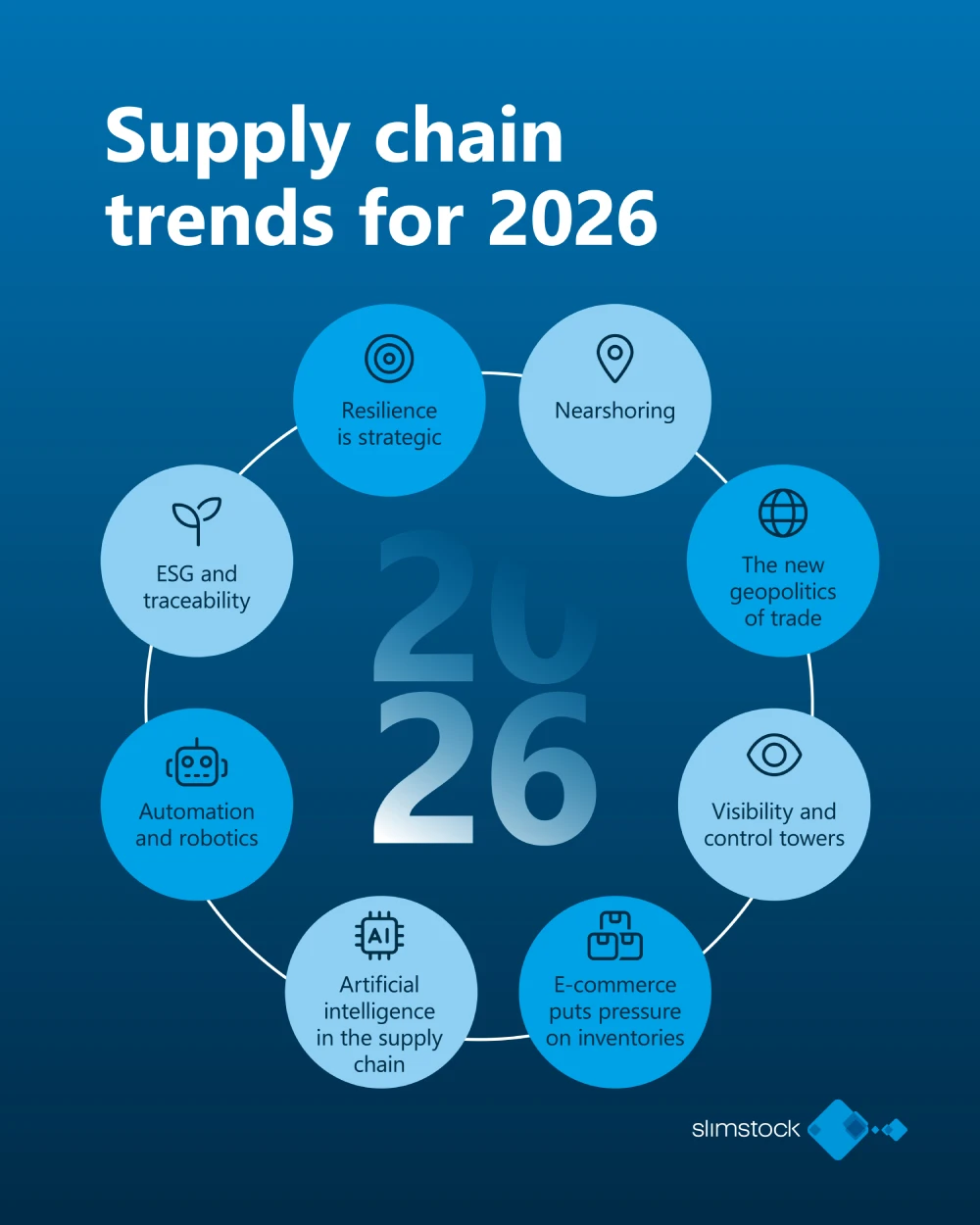
Modern logistics relies heavily on digital innovation.
Real-Time Tracking Systems
Customers can monitor shipments across countries and carriers.
Automated Customs Filing
Electronic documentation speeds approvals.
AI Route Optimization
Algorithms select faster and more cost-efficient routes.
Warehouse Automation
Robotics improve accuracy and fulfillment speed.
Technology continues to reduce delivery times and operational risks.
How Businesses Optimize Cross-Border Shipping
Successful global sellers focus on several strategies:
- Accurate product classification
- Transparent shipping costs
- Local fulfillment partnerships
- Reliable freight forwarders
- Strong packaging standards
Planning logistics early prevents costly disruptions later.
The Role of Packaging in International Delivery Success
Packaging does more than protect products.
Good packaging:
- Prevents damage during long transit
- Reduces dimensional shipping fees
- Simplifies customs inspection
- Enhances customer experience
Durable yet lightweight materials are preferred for international shipments.
Returns and Reverse Logistics
Returns are an essential part of cross-border commerce.
Reverse logistics includes:
- Return authorization
- International shipping coordination
- Customs re-entry processing
- Refund or replacement handling
Efficient return systems build customer trust in global shopping.
Sustainability in Cross-Border Logistics
Environmental concerns are reshaping logistics practices.
Companies now adopt:
- Consolidated shipments
- Carbon-efficient transportation routes
- Eco-friendly packaging
- Regional fulfillment centers
Sustainable logistics reduces environmental impact while improving efficiency.
Future Trends in Cross-Border Logistics
The industry continues evolving rapidly.
Key developments include:
- Faster international delivery expectations
- Increased automation
- Smart customs systems
- Drone and autonomous delivery testing
- Expansion of regional distribution hubs
As global trade grows, logistics networks will become even more integrated and intelligent.
Final Thoughts
Cross-border logistics is far more than shipping a package overseas. It is a carefully coordinated process involving multiple countries, organizations, technologies, and regulatory systems working together to move goods safely and efficiently.
From order processing and customs clearance to international transportation and final delivery, every stage plays a critical role in ensuring products reach customers successfully.
Understanding this full process helps businesses make smarter shipping decisions and allows consumers to appreciate the complex journey behind every international delivery.
The next time a package arrives from another country, it represents not just a purchase — but the successful completion of a global logistics operation connecting people, markets, and economies across borders.