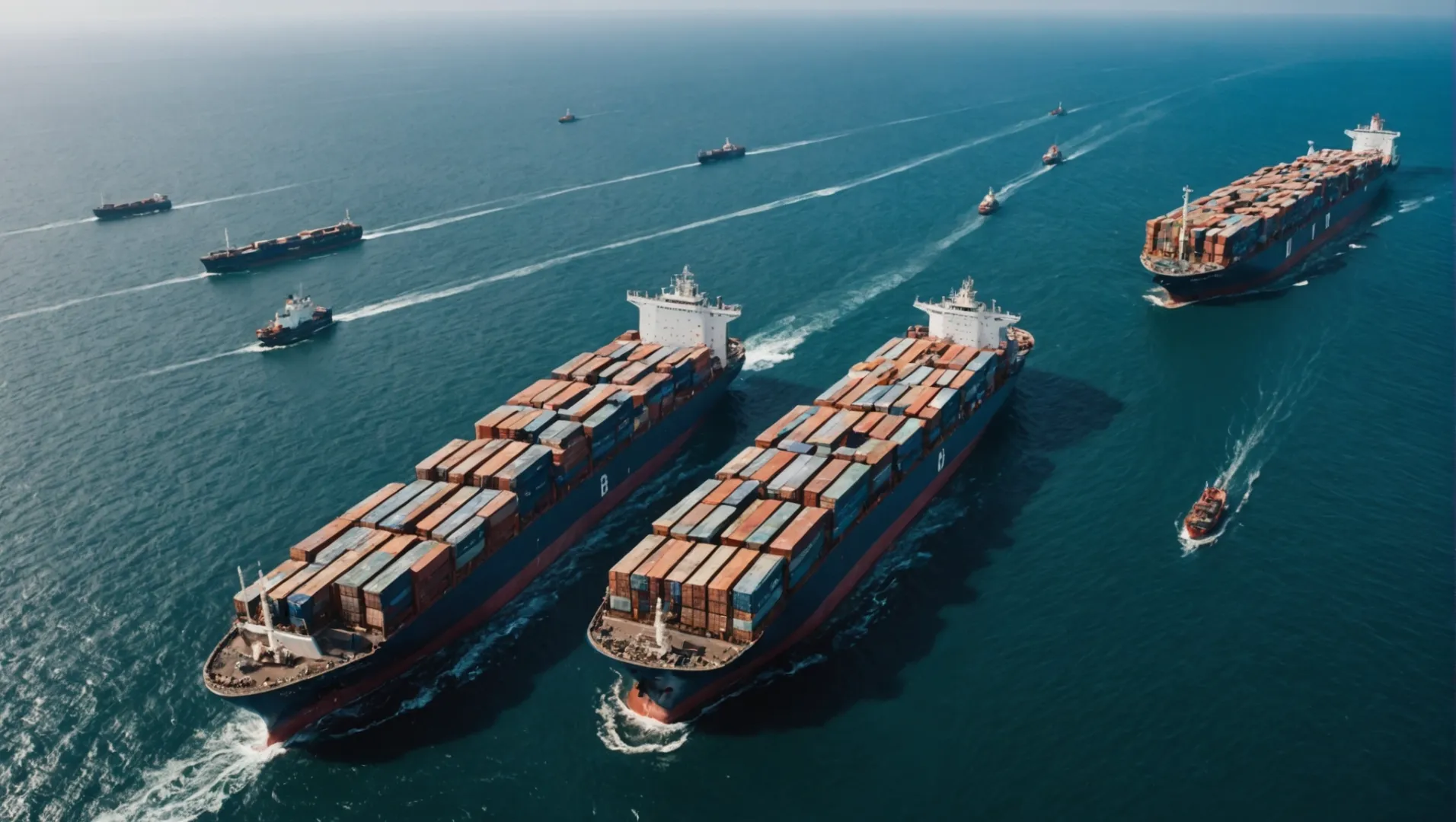

If you’ve recently shipped products overseas — whether as an online seller, small business owner, or frequent international buyer — you’ve probably noticed one frustrating trend: international shipping costs keep rising.
Packages that once shipped affordably now come with unexpectedly high fees. Delivery surcharges appear without warning. Transit times fluctuate while prices continue climbing.
Many people assume logistics companies simply raised prices, but the reality is far more complex. International freight pricing is shaped by a global network of economic pressures, infrastructure limitations, and operational risks that most customers never see.
In this comprehensive guide, we’ll uncover the four major forces driving higher international shipping costs, explain how logistics pricing actually works, and share practical strategies to help you manage shipping expenses more effectively.
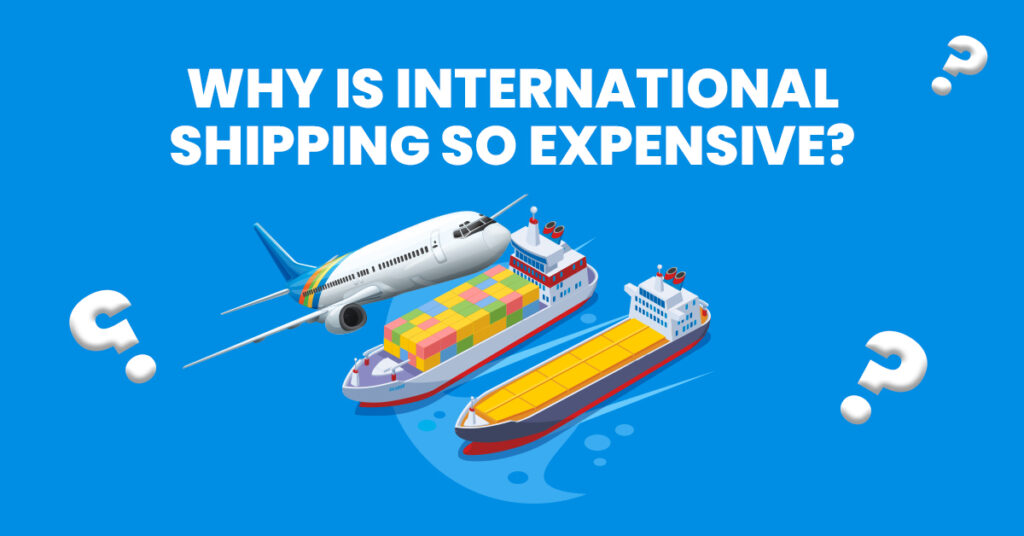
Understanding International Shipping: More Than Moving a Box
Before exploring price increases, it’s important to understand what international shipping truly involves.
Every shipment passes through multiple stages:
-
Pickup and local transportation
-
Export handling and customs clearance
-
International transit (air or ocean)
-
Import processing and inspection
-
Final-mile delivery
Each step involves different companies, regulations, and cost structures. Even small disruptions anywhere along this chain can influence final pricing.
International freight rates reflect the combined cost of this entire ecosystem — not just transportation alone.
Factor #1: Fuel Costs and Energy Volatility
Fuel is one of the largest operating expenses in global logistics.
Airplanes, cargo ships, trucks, and warehouse equipment all depend heavily on energy prices. When fuel costs rise, shipping carriers adjust rates to offset operational expenses.
Why Fuel Prices Affect Shipping So Quickly
Unlike many industries, logistics operates on thin margins. Carriers cannot absorb long-term fuel increases without adjusting pricing.
Fuel impacts:
-
Air freight surcharges
-
Ocean freight bunker adjustment fees
-
Trucking costs for local delivery
-
Warehouse operating expenses
Even modest fuel fluctuations ripple across global supply chains.
Air Freight Is Especially Sensitive
Air cargo consumes significantly more fuel per kilogram compared to sea freight. When aviation fuel prices increase, express shipping rates often rise first.
Factor #2: Capacity Imbalance and Global Demand
Shipping prices follow a basic economic rule: supply and demand.
When shipping demand exceeds available cargo space, prices increase rapidly.
What Creates Capacity Shortages?
Several factors can reduce available shipping capacity:
-
Seasonal shopping peaks
-
Manufacturing surges
-
Port congestion
-
Aircraft route reductions
-
Labor shortages
When containers or cargo space become limited, carriers prioritize higher-paying shipments.
The Domino Effect
A delay in one major port can disrupt schedules worldwide. Ships arriving late cause container shortages elsewhere, pushing prices higher across multiple regions simultaneously.
This interconnected system means local disruptions often become global pricing changes.
Factor #3: Customs Regulations and Compliance Costs
International shipping requires compliance with complex regulations that vary by country.
Over time, governments have introduced stricter rules regarding:
-
Product safety documentation
-
Tax collection systems
-
Security screening
-
Environmental compliance
-
Electronic customs declarations
While these regulations improve transparency and safety, they also increase processing costs.
Hidden Administrative Expenses
Behind every shipment are compliance tasks such as:
-
Classification coding
-
Duty calculation
-
Documentation verification
-
Risk assessment checks
Logistics providers invest heavily in technology and personnel to manage these requirements, and these costs are reflected in shipping fees.
Factor #4: Last-Mile Delivery Complexity
The final delivery stage — bringing a package from a local hub to the customer’s door — has become one of the most expensive parts of logistics.
Why Last-Mile Costs Keep Rising
Modern consumers expect:
-
Faster delivery times
-
Real-time tracking
-
Residential delivery convenience
-
Flexible scheduling
Meeting these expectations requires expanded delivery networks and advanced routing systems.
Residential delivery is significantly more expensive than commercial delivery because drivers make fewer stops per mile.
Urban congestion, rural distances, and failed delivery attempts all increase operational costs.
Additional Forces Quietly Increasing Shipping Prices
Beyond the four major factors, several secondary pressures also contribute to rising costs.
Labor Shortages
Warehouses and transportation sectors worldwide face staffing challenges, leading to higher wages and recruitment expenses.
Infrastructure Constraints
Ports, airports, and highways often operate near capacity. Expansion projects take years, creating temporary bottlenecks.
Insurance and Risk Management
Global instability, weather events, and cargo theft risks increase insurance premiums.
Technology Investments
Modern logistics relies on automation, tracking systems, and cybersecurity protections — all requiring ongoing investment.
Air Freight vs. Ocean Freight: Why Prices Fluctuate Differently
Understanding transport modes helps explain cost changes.
Air Freight
-
Faster transit
-
Higher fuel dependency
-
Limited cargo space
-
Sensitive to passenger flight availability
Ocean Freight
-
Lower cost per unit
-
Slower transit times
-
Affected by port congestion
-
Influenced by container availability
When ocean shipping slows down, businesses shift to air freight, increasing demand and raising prices across both systems.
The Role of E-Commerce in Shipping Inflation
Global online shopping has fundamentally reshaped logistics networks.
E-commerce growth creates:
-
Smaller shipment sizes
-
Higher parcel volumes
-
Increased cross-border deliveries
-
Greater demand for fast fulfillment
Traditional shipping systems were designed for bulk cargo, not millions of individual parcels moving daily.
Adapting infrastructure to this new reality increases operational costs.
Why Shipping Prices Rarely Return to Old Levels
Many customers expect prices to drop after temporary disruptions. However, logistics pricing often resets permanently after major changes.
Reasons include:
-
Long-term labor wage increases
-
Infrastructure upgrades
-
Regulatory changes
-
Technology investments
Once carriers restructure operations around higher costs, rates stabilize at new baselines instead of returning to previous levels.
How Currency Exchange Rates Influence Shipping Costs
International logistics involves multiple currencies.
When exchange rates fluctuate:
-
Carrier expenses change
-
Import duties vary
-
Supplier pricing adjusts
A weaker local currency can make shipping appear more expensive even if base freight rates remain stable.
Seasonal Pricing Patterns You Should Know
Shipping costs follow predictable annual cycles.
Peak Season (Typically Q4)
-
Holiday demand surges
-
Limited cargo space
-
Premium pricing
Post-Holiday Period
-
Temporary rate stabilization
Pre-Summer Manufacturing Rush
-
Increased export demand
Planning shipments outside peak windows can significantly reduce costs.
Practical Ways to Reduce International Shipping Expenses
While global factors are unavoidable, smart strategies help control costs.
Consolidate Shipments
Shipping fewer large packages is usually cheaper than many small ones.
Optimize Packaging
Reducing dimensional weight lowers pricing.
Plan Ahead
Avoid urgent express shipping whenever possible.
Compare Transport Modes
Sea freight may save significant costs for non-urgent shipments.
Work With Reliable Logistics Partners
Experienced providers optimize routing and documentation efficiency.
The Importance of Dimensional Weight Pricing
Modern carriers calculate shipping fees using dimensional weight — a formula based on package size rather than actual weight.
Large lightweight packages often cost more than smaller heavy ones.
Reducing empty space inside packaging directly lowers expenses.
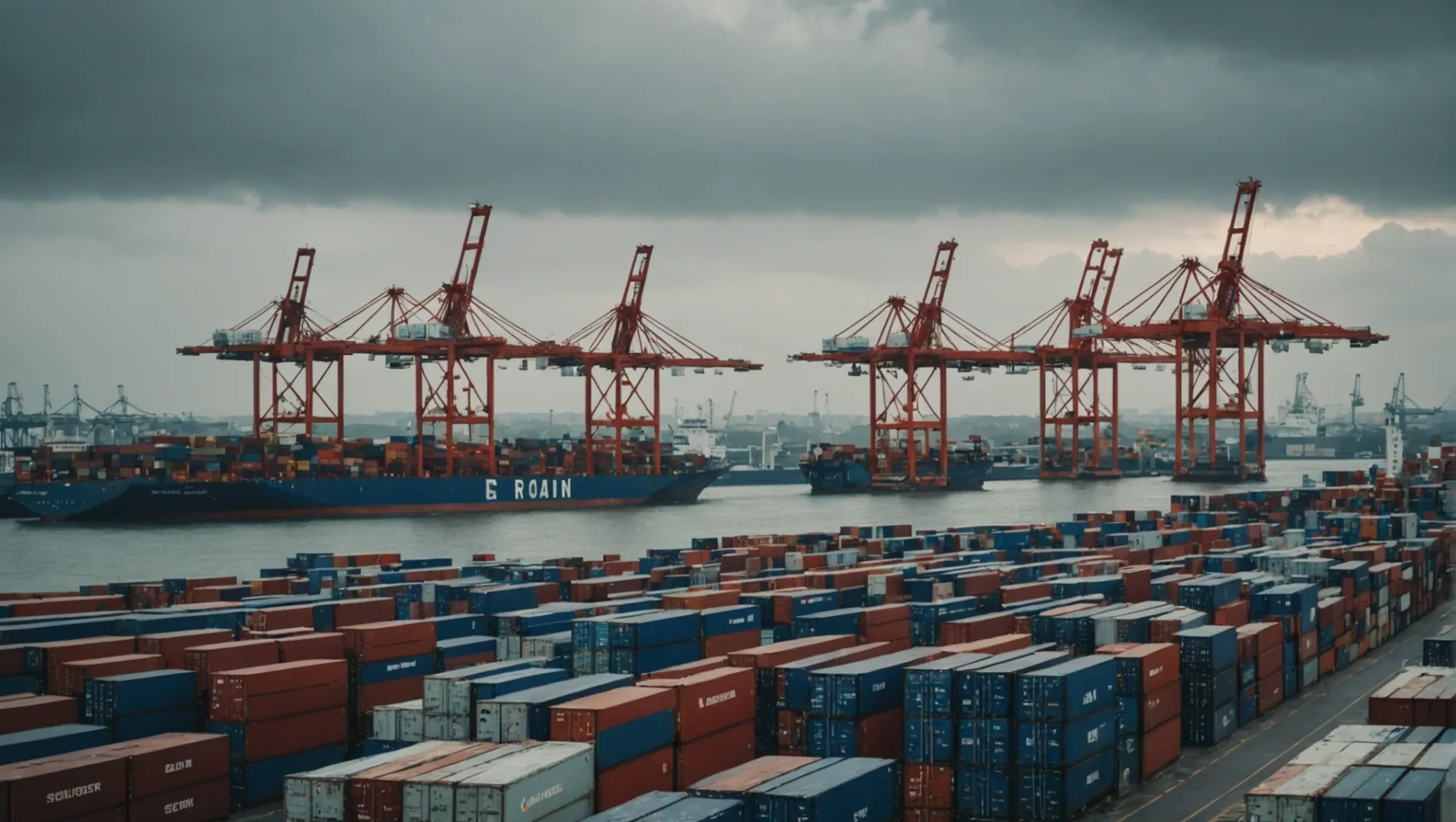
Transparency in Modern Logistics Pricing
Shipping invoices now include multiple components:
-
Base freight charge
-
Fuel surcharge
-
Security fees
-
Remote area surcharges
-
Customs handling fees
Understanding these elements helps businesses forecast costs more accurately.
Future Trends Shaping Shipping Costs
Looking ahead, several developments will continue influencing logistics pricing.
Automation Expansion
Robotics and AI may improve efficiency but require upfront investment.
Sustainability Initiatives
Carbon reduction programs introduce environmental compliance costs.
Regionalized Supply Chains
Companies increasingly diversify manufacturing locations, changing shipping routes.
Digital Tracking Expectations
Customers demand visibility throughout delivery, increasing technology expenses.
Why Rising Shipping Costs Reflect a Changing Global Economy
International logistics mirrors global economic conditions. Higher shipping prices often signal increased trade activity, evolving consumer behavior, and modernization of infrastructure.
Rather than a single cause, cost increases represent the combined effect of energy markets, regulatory evolution, consumer expectations, and technological transformation.
Frequently Asked Questions
Are Shipping Companies Overcharging?
In most cases, rising costs reflect operational expenses rather than excessive profit margins.
Will International Shipping Get Cheaper Again?
Prices may stabilize but rarely return to historical lows due to structural changes.
Why Do Quotes Change So Quickly?
Freight rates adjust frequently based on fuel prices, capacity, and demand.
Is Slow Shipping Always Cheaper?
Usually, but not during severe congestion periods.
The Big Picture: Understanding the Real Cost of Global Delivery
When you ship internationally, you’re participating in one of the most complex systems ever created — a synchronized network of ships, aircraft, ports, warehouses, customs authorities, and delivery drivers working across continents.
Each package represents coordination across thousands of miles and multiple industries.
Rising shipping costs are not simply price increases; they reflect the growing complexity required to move goods safely, quickly, and reliably around the world.
Final Thoughts
If your international shipping fees seem higher than ever, you’re not imagining it. Fuel volatility, capacity imbalances, regulatory complexity, and last-mile delivery challenges collectively shape modern logistics pricing.
Understanding these four core forces transforms shipping from a frustrating mystery into a predictable business factor you can plan around.
By optimizing packaging, planning shipments strategically, and adapting to global logistics trends, businesses and individuals alike can navigate rising shipping costs more confidently — turning uncertainty into informed decision-making in an increasingly connected world.