
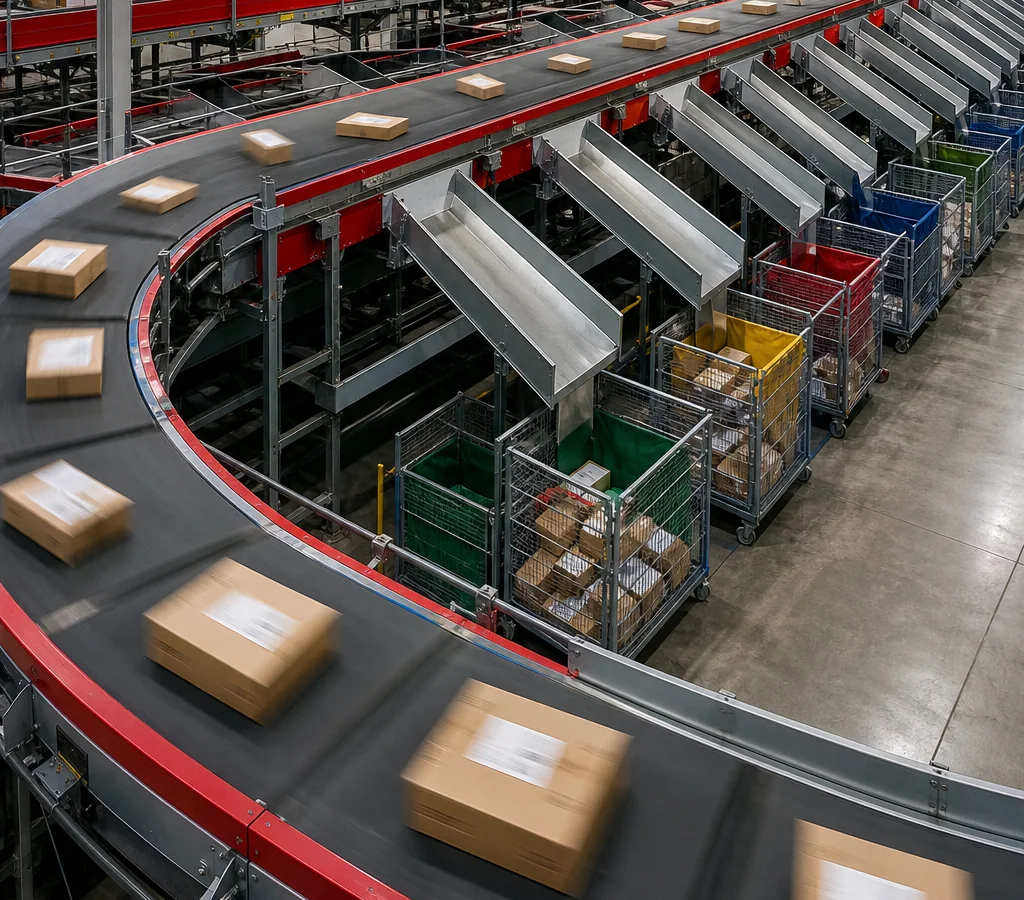
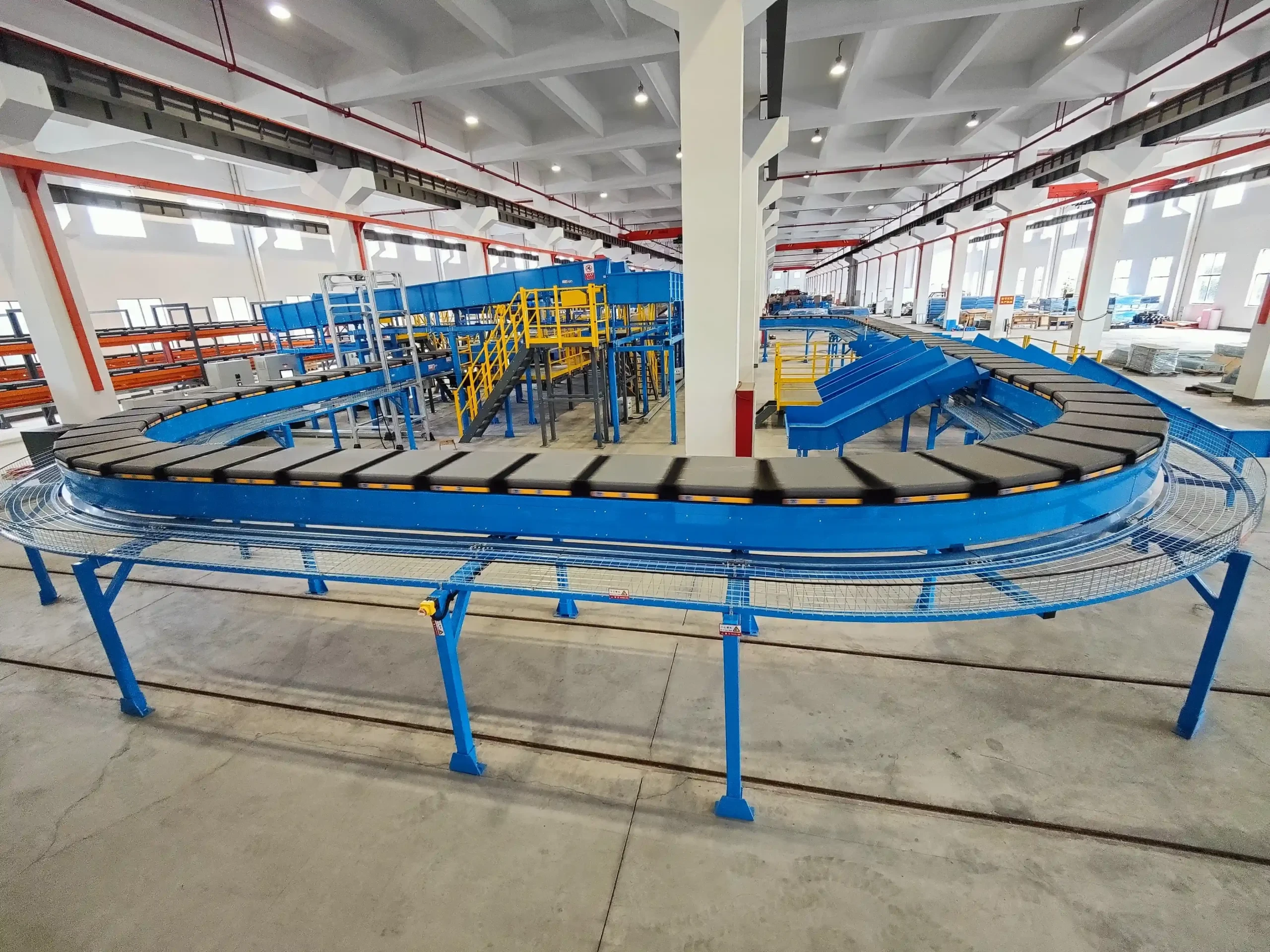
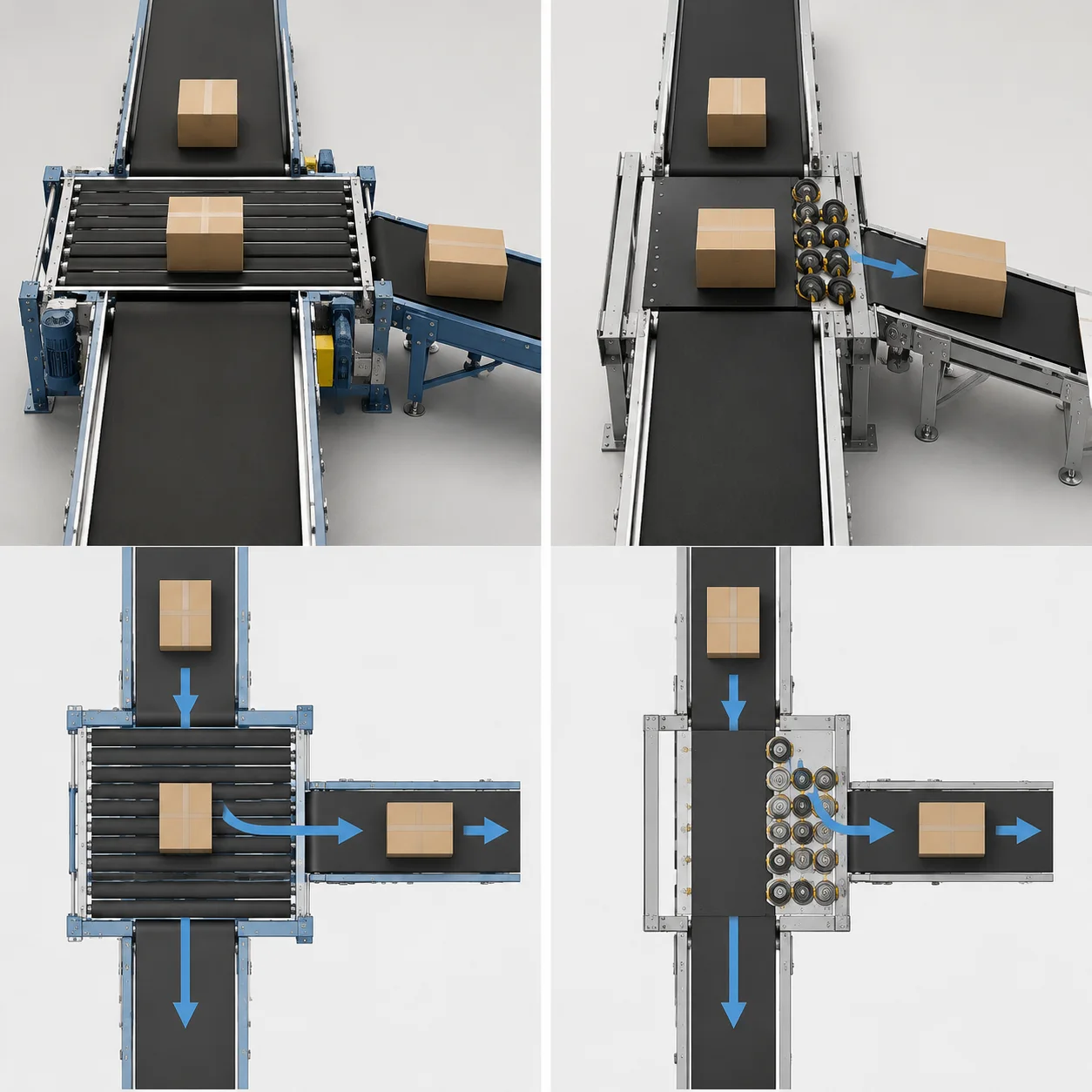
In the high-stakes world of e-commerce, major promotional events like Black Friday, Cyber Monday, or seasonal sales can make or break a company’s yearly revenue targets. While marketing campaigns, flash sales, and discounts often steal the spotlight, the real engine behind successful order fulfillment lies in logistics — particularly, sorting machines. These mechanical workhorses handle thousands of parcels per hour, ensuring that customers receive the right product at the right time. Failing to inspect and maintain them before a major promotion can lead to operational chaos, lost revenue, and a tarnished brand reputation.
This article dives deep into why a comprehensive sorting machine check is crucial before big promotions, how to conduct one effectively, and practical tips to keep your logistics operations running smoothly under peak pressure.
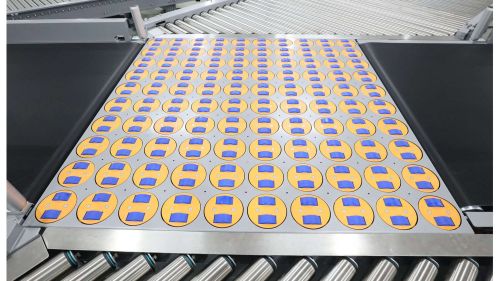
Why Sorting Machine Checks Are Crucial
Sorting machines are complex systems that integrate mechanical, electrical, and software components. Their efficiency determines the pace at which orders move from the warehouse to the customer. Here’s why a pre-promotion inspection is non-negotiable:
1. Prevent Unplanned Downtime
Mechanical failures during a peak promotion can halt operations. Even a short downtime can cause a domino effect, delaying thousands of orders. By inspecting and servicing machines ahead of time, you reduce the risk of unexpected stoppages.
2. Maintain Accuracy
Sorting errors — like misrouted packages or damaged goods — can be costly. Accuracy depends on sensors, conveyors, scanners, and software alignment. Regular checks ensure that every parcel follows the correct path to its destination.
3. Optimize Performance
Machines tend to perform better after preventive maintenance. Belts, rollers, and sensors that are cleaned, lubricated, and calibrated operate faster and with fewer errors, which is critical during peak periods when every second counts.
4. Boost Employee Confidence
Warehouse staff working with reliable machines experience less stress and are more productive. Employees can focus on handling exceptions and special cases rather than troubleshooting malfunctioning equipment.
Key Areas to Inspect
A thorough sorting machine check involves multiple layers of inspection, from physical components to software systems. Here’s a detailed breakdown:
Mechanical Components
- Conveyor Belts and Rollers: Look for wear, tear, and alignment issues. Replace worn belts before they snap under heavy load.
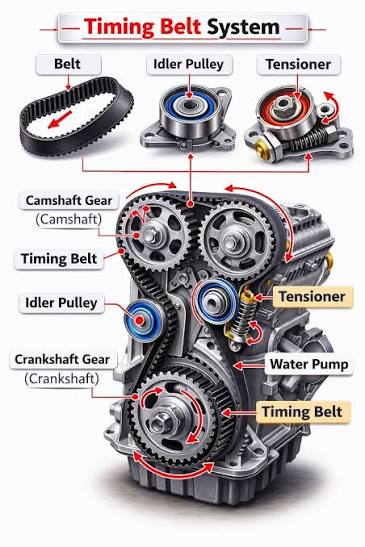
- Motors and Gears: Lubricate moving parts and check for unusual noises or vibrations that could indicate early failure.
- Sensors and Cameras: Ensure optical sensors are clean and calibrated. Misaligned sensors can cause parcels to misroute or jam.
- Brakes and Safety Systems: Verify that emergency stops, brakes, and guards are fully functional.
Electrical Systems
- Power Supply: Inspect wiring, connections, and backup systems. Any flicker or inconsistency can lead to machine failure.
- Control Panels: Test buttons, switches, and interfaces to ensure all commands respond correctly.
- Automation Systems: Check that programmable logic controllers (PLCs) and software controls are synchronized with the physical hardware.
Software and Integration
- Sorting Algorithms: Validate that package scanning software accurately routes parcels according to size, weight, and destination.
- Data Logging: Confirm that operational data is being recorded for performance monitoring and troubleshooting.
- System Updates: Apply any pending software patches to reduce the risk of unexpected glitches.
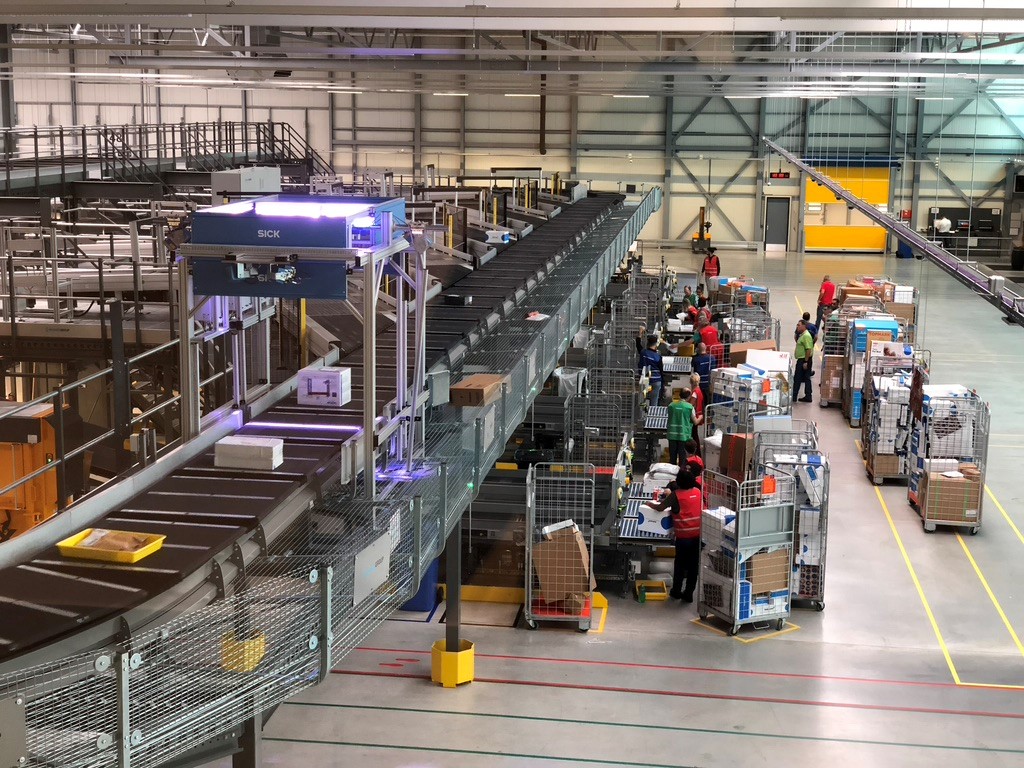
Step-by-Step Pre-Promotion Check
For warehouses planning a major sales event, a systematic approach ensures nothing is overlooked:
1. Schedule the Inspection Early
Begin inspections at least one to two weeks before the promotion. This allows time for parts replacement, repairs, and testing without delaying operations.
2. Conduct Visual and Manual Checks
Walk the entire machine line. Look for worn parts, leaks, and misaligned components. Test moving parts manually if possible.
3. Run Diagnostic Software
Most modern sorting machines have built-in diagnostic tools. Run full system tests to detect software or sensor anomalies.
4. Perform Load Testing
Simulate the expected peak load with sample parcels. This helps identify bottlenecks or weak points that might not appear under normal conditions.
5. Calibrate and Adjust
After testing, fine-tune machine settings. Adjust conveyor speeds, sensor thresholds, and scanning parameters to optimize performance.
6. Document Everything
Maintain detailed logs of all inspections, repairs, and calibrations. Documentation helps track maintenance history and supports troubleshooting if problems arise during the promotion.
Common Pitfalls to Avoid
Even experienced logistics teams can make mistakes when preparing for big promotions. Here are common errors and how to avoid them:
- Procrastinating Maintenance: Waiting until the last minute can lead to rushed inspections and missed issues. Start early.
- Ignoring Small Issues: Minor squeaks, vibrations, or software warnings can escalate into major failures under heavy load.
- Neglecting Employee Training: Staff should be familiar with emergency procedures, troubleshooting, and maintenance tasks.
- Skipping Documentation: Without records, you won’t know if a recurring problem is part of a larger trend.
Practical Tips for Peak Season Readiness
Beyond technical checks, operational planning is key:
- Spare Parts Inventory: Keep critical components like belts, motors, and sensors on hand to minimize downtime.
- Cross-Training Staff: Train multiple employees on machine operation and basic troubleshooting.
- Backup Plans: Have contingency plans, including manual sorting or alternative workflows, in case of unexpected breakdowns.
- Regular Monitoring: Use dashboards and live monitoring to track machine performance in real time during the promotion.
- Post-Promotion Review: After the sales event, review machine performance to learn and improve future preparation.
The Bigger Picture: Logistics as a Strategic Advantage
Companies that treat sorting machines as a strategic asset, rather than just equipment, gain a competitive edge. Efficient logistics enables:
- Faster delivery times
- Reduced error rates
- Higher customer satisfaction
- Better capacity management during peak seasons
A major promotion is not just a test of marketing but a test of operational readiness. Organizations that invest time and resources in pre-event inspections are far more likely to succeed without operational hiccups.
Conclusion
Major promotions are high-pressure periods where every minute counts. Sorting machines are the backbone of order fulfillment, and their failure can ripple through an entire operation. By conducting a thorough pre-promotion check — covering mechanical, electrical, and software components — logistics teams can ensure machines run smoothly, orders reach customers on time, and the brand reputation remains intact.
Remember: in logistics, as in strategy, you should never fight an unprepared battle. A little foresight and preparation can prevent chaos, increase efficiency, and deliver a seamless shopping experience that keeps customers coming back.