




Quick answer: A dimensioning, weighing and scanning integration succeeds when the buyer defines the data fields, parcel identity, measurement conditions, exception paths and ownership of each system interface before equipment acceptance. Test representative parcels through the full data flow and record how results, failures and corrections are reported.
1. Define what the DWS station must capture
List the information the station is expected to capture for each parcel, such as identifier, dimensions, weight, image or status, based on the actual project scope. Specify units, field names, formatting, timestamp and whether each value is required or optional. Identify which data is produced by the station and which arrives from the upstream system. Do not assume that a field exists because a user interface displays a similar label. Ask the supplier for the data dictionary and sample messages for the proposed configuration. This gives IT, operations and procurement a shared basis for reviewing the integration.
2. Link every measurement to the correct parcel
Document how a parcel ID is assigned, scanned and associated with the measurement result. Explain what happens when a code is unreadable, duplicated, damaged or missing. If the parcel is reintroduced after an exception, define whether the original record is updated or a new event is created. Specify how the operator confirms the association and what prevents adjacent parcels from being mixed. Test the identity process with representative packaging and labels. A correct measurement attached to the wrong parcel is still a data failure, so the ID handoff should be part of acceptance, not an assumed background feature.

3. Agree on measurement units and acceptance criteria
Specify the units, rounding, precision, configuration and conditions under which dimensions and weight are captured. Identify the project owner who defines acceptance and the evidence required for any accuracy claim. Requirements may depend on parcel characteristics, installation and applicable business rules, so avoid adopting a generic number without review. Ask the supplier to state any exclusions, calibration process or conditions that affect results. Use reference items selected by the buyer and record the reference method. The acceptance document should explain how a result is judged and how a disputed reading is investigated.
4. Map interfaces and ownership by system
Show the systems connected to the station and map the fields exchanged at each interface. Name the owner of the network, credentials, message transformation, retry behavior and support response for each connection. Identify whether an event is synchronous or arrives later and how the operator sees a missing acknowledgement. If a WMS, WCS, ERP or carrier service participates, confirm the exact environment and software version with the responsible teams. Do not treat a device connection as a complete integration plan. The supplier’s proposal should show which configuration and testing work is included and what the buyer or another vendor must provide.
5. Design exception and correction paths
List the events that should stop or divert a parcel: no readable ID, incomplete data, unusual size, failed measurement, network outage or a mismatch between systems. For each one, define the station response, operator action, system status and escalation owner. State how a corrected reading is entered and whether the original value remains in the audit record. If a supervisor can override a result, define the authorization and reason code. Run these cases through a test environment before go-live. Clear exception paths prevent a system from appearing reliable only because operators quietly resolve errors outside the recorded process.
6. Prepare representative test parcels and data
Select parcels that reflect normal items and known edge cases in the operation. Include different packaging, labels, orientations and conditions relevant to the design. Remove personal or customer data that is not needed for testing. Prepare expected results and identify how reference values were obtained. Ask the supplier to record station configuration, software version, test date and outcome for each parcel. Keep failed or ambiguous cases in the report rather than excluding them from the result. The test set should be agreed by operations, quality and integration owners so the final decision reflects the actual process requirement.
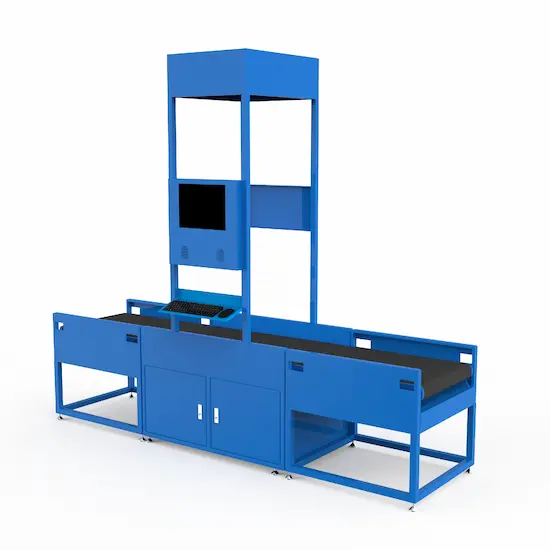
7. Verify downstream use of the captured values
Follow sample records after they leave the DWS station. Confirm that a downstream WMS, routing, billing or reporting process receives the correct parcel identifier, values, units and status. Identify whether the receiving system rounds or transforms a value and who validates that behavior. Check how a correction or duplicate event appears in reports. The goal is to see the data used in the operational process, not just shown on the DWS display. If downstream actions depend on the measurement, include the relevant owner in acceptance and agree on the evidence needed before release.
8. Plan calibration, maintenance and support handoff
Ask the supplier what calibration and maintenance tasks apply to the proposed configuration, what records are generated and who performs them. Define how a station is identified if its settings change or service is completed. Clarify how faults are reported, what information support needs and what status is visible to the operation during downtime. The project team should confirm any regulatory or commercial measurement obligations with qualified advisers. Do not imply a certification or legal approval unless the supplier supplies evidence for the specific system and intended use. Include these items in the service plan before final handover.
9. Sign off using an end-to-end checklist
Acceptance should connect the hardware, data mapping, parcel ID, units, exceptions, downstream use, user training and support records. Set the test cases and approval owners before the test is run. Record defects, conditional approvals and the evidence needed to close each issue. For product and project details, review TrueLiSort sorting and DWS integration and provide the system map, field list, test parcels and acceptance criteria with the request.
For buyers comparing available product and supplier options, see TrueLiSort sorting and DWS integration.
Questions buyers often ask
What should be agreed before connecting DWS to a WMS?
Define data fields and units, parcel ID association, interface owner, message timing, error handling, test environment and the status returned to each system.
Can a DWS display prove the integration is correct?
No. Follow a representative record through each downstream system and verify identity, values, units, transformations and exception handling.
Who sets the measurement acceptance threshold?
The buyer’s qualified process, quality or compliance owner should define it for the project and intended use with supplier evidence.
What belongs in an acceptance record?
Record equipment and software revisions, test parcel, reference method, measured result, data message, system response, exceptions and reviewer signoff.