


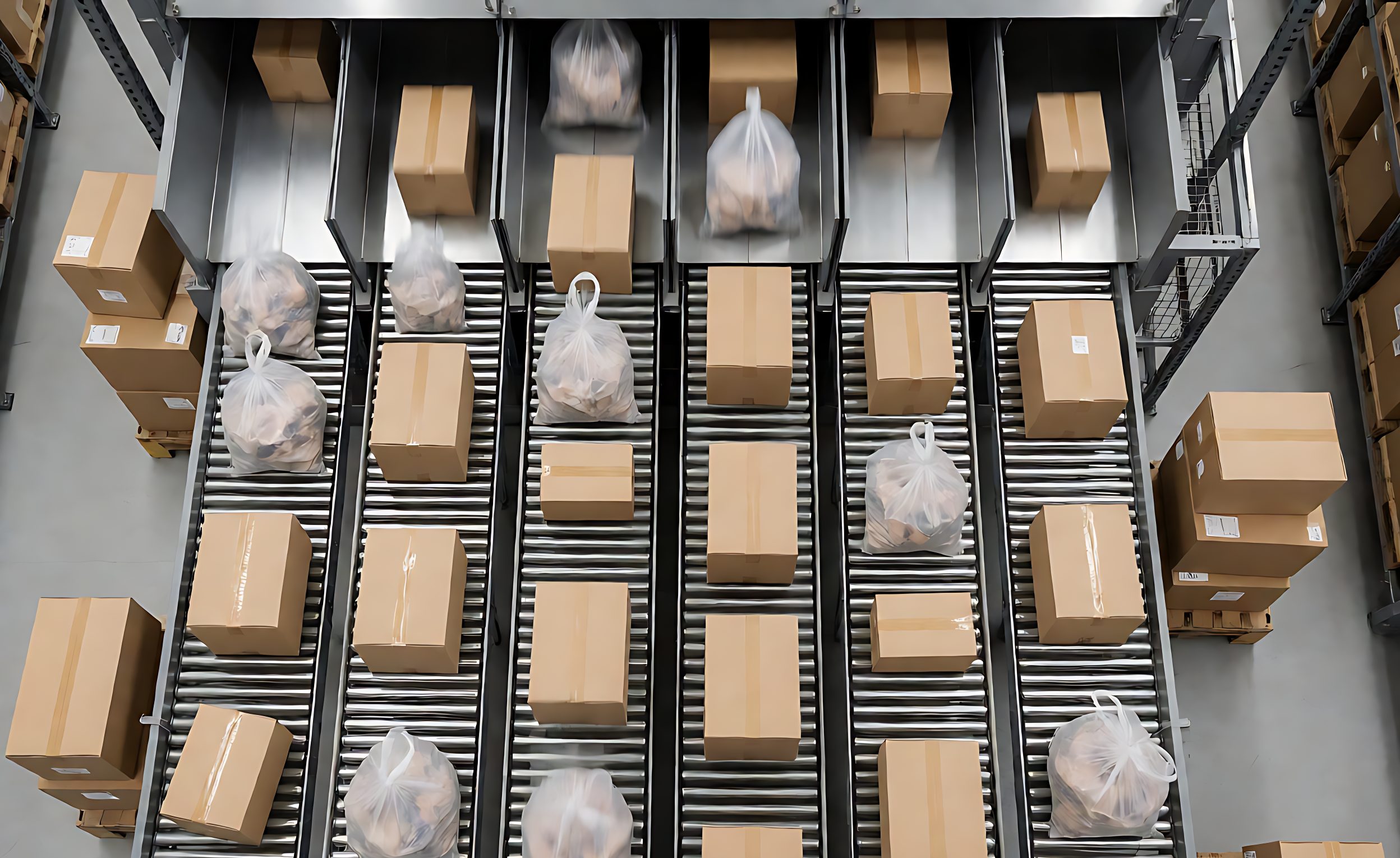
Logistics is evolving rapidly, and automation is no longer optional. TRUELISORT provides smart sorting systems designed for speed, accuracy, and scalability.
From dynamic weighing & scanning to AI-powered sorting, TRUELISORT solutions streamline workflows, handle diverse parcels, and integrate smoothly with warehouse management systems.
Compact, modular, and easy to expand, TRUELISORT helps warehouses stay flexible, efficient, and ready for peak seasons—turning logistics challenges into competitive advantages.
A Future-Proofing Checklist That Holds Up
Warehouse equipment outlives business plans. The systems that age well share four traits, each verifiable before you sign:
- Modular segments — add a loop or an outlet without re-engineering the line.
- Software-defined destinations — new carriers or zones are configuration, not construction.
- Open data interfaces — your WMS talks to the sorter without custom middlemen.
- Spare-path capacity — the layout tolerates a section down for service.
| Question to your vendor | Future-proof answer sounds like |
|---|---|
| “We double SKUs next year?” | Re-slot induction, no mechanical change |
| “New marketplace integration?” | API field mapping, hours not weeks |
| “Second floor level later?” | Layout reserves space and riser routes |
Facilities that plan this way buy once and reconfigure forever; facilities that buy for today re-purchase every growth phase. Start from the physical plan — layout design guide — then check growth headroom against scalability-first design data. Standards context: warehouse management systems and automated storage and retrieval.
Retrofit vs Rebuild: The Honest Comparison
Future-proofing decisions usually boil down to one fork: extend the current operation or rebuild the sorting core. The comparison that settles it:
| Factor | Retrofit / extend | Rebuild the core |
|---|---|---|
| Upfront cost | Low, staged | High, single project |
| Disruption | Weekend cutovers | Weeks of migration |
| Capability ceiling | Bounded by old spine | Set by today’s design |
| Hidden cost | Integration tax on every layer | Re-training, re-permitting, re-planning |
The deciding question is not cost but ceiling: if the existing conveyor spine, building height and power feed can carry the next five years’ volume, retrofit wins on disruption and cash flow. If growth requires geometry the old floor cannot give — loop diameter, deck height, induct count — rebuild wins despite the pain, because every retrofit layer added on a capped spine is money spent twice. Operators who answer with data — five-year volume forecast, peak factor, destination growth — make this fork calmly; operators who answer with optimism meet the fork again, later, under time pressure.
The Growth Interview: Five Questions Before Any Equipment Quote
Future-proofing starts with honesty about growth. Five questions, answered in writing by the operation’s own team: What volume do you commit to in three years — best case and committed case? Which carriers or destinations are likely to appear? What product mix shifts are on the roadmap — heavier, longer, softer parcels? Where will the next ten people sit? And what does the building allow that the current layout ignores — mezzanine rights, yard space, power headroom? The answers rarely change the machine; they change the layout, the induct count and the outlet plan — the parts that are cheap on drawings and expensive in steel. Equipment bought after this interview fits; equipment bought before it gets resold.