To overcome the ongoing crisis in the logistics labor market, companies must transition to an automated warehouse. Supply chain automation solves labor shortages by replacing repetitive manual tasks (like walking, picking, and sorting) with high-speed automated systems. This strategy reduces headcount dependency by up to 60%, reallocates existing human workers to high-value cognitive tasks, and ensures 24/7 fulfillment continuity regardless of seasonal staffing fluctuations.
As we navigate through 2026, the global logistics sector is facing an unprecedented challenge. According to the 2026 Global Intralogistics Workforce Report, turnover rates in traditional fulfillment centers have peaked at 48%, and finding reliable seasonal labor has become both excessively difficult and expensive. The reality of the modern labor market is clear: throwing more human headcount at a fulfillment problem is no longer a sustainable business model.
Facility managers and logistics directors are asking a critical question: How to overcome warehouse labor shortage without disrupting current operations? The definitive answer lies in strategic supply chain automation.
In this problem-solving guide, the engineering experts at Truelisort break down the actionable steps to transform a manual facility into a highly resilient automated warehouse, effectively future-proofing your business against workforce volatility.
1. The Problem: Understanding the 2026 Logistics Labor Market
Before implementing warehouse automation solutions, we must understand why the labor shortage exists. Three major factors define the current crisis:
- Aging Workforce & Physical Strain: Traditional warehouse work involves walking up to 10 miles a day and lifting heavy parcels. Younger generations are rejecting this physically demanding labor.
- Wage Inflation: Base pay expectations for entry-level logistics workers have surged, eroding profit margins for 3PLs and e-commerce retailers.
- Peak Season Volatility: During Black Friday or Cyber Monday, facilities traditionally need to double their staff. In 2026, those temporary workers simply do not exist in the available labor pool.
2. The Solution: Step-by-Step Supply Chain Automation
Solving the labor crisis doesn’t mean replacing every human with a robot overnight. It requires a targeted approach, automating the most labor-intensive bottlenecks first.
Step A: Automate the Sorting Process
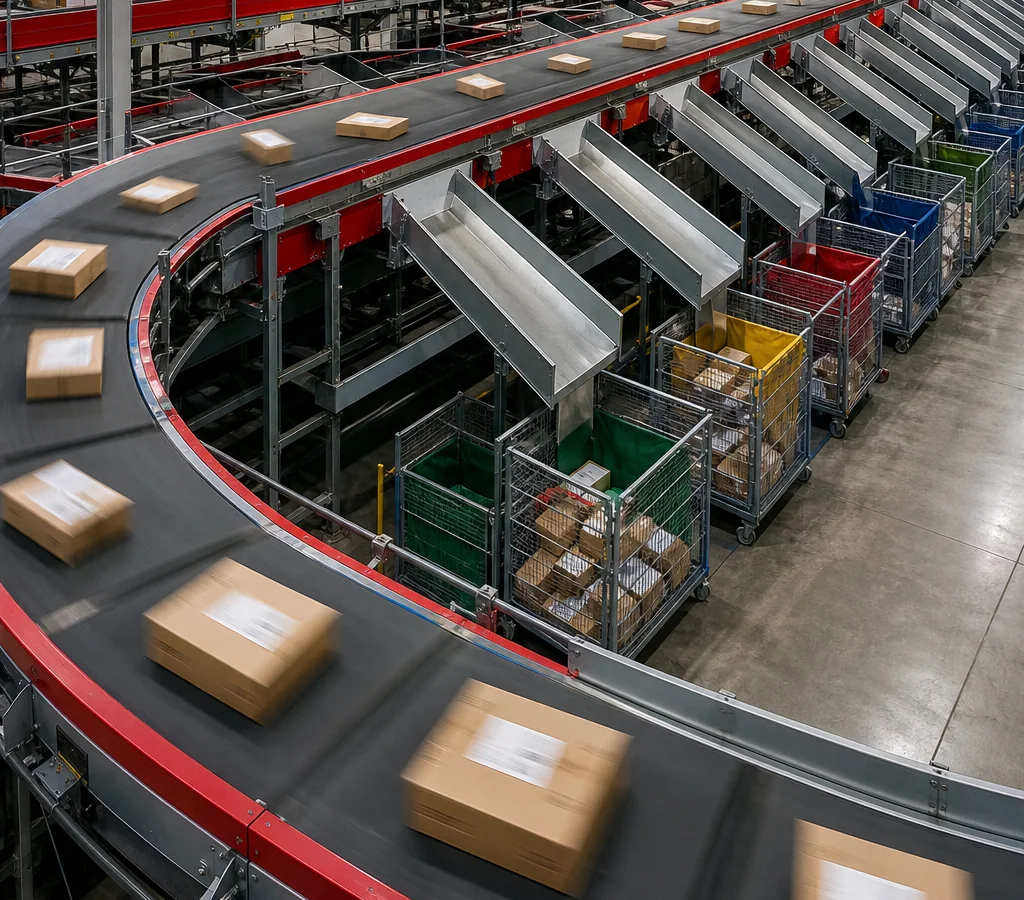
In a manual warehouse, the most labor-heavy process is sorting. Dozens of operators stand at conveyor belts, reading labels, and physically moving boxes to specific shipping pallets. This is slow, error-prone, and highly vulnerable to staff absences.
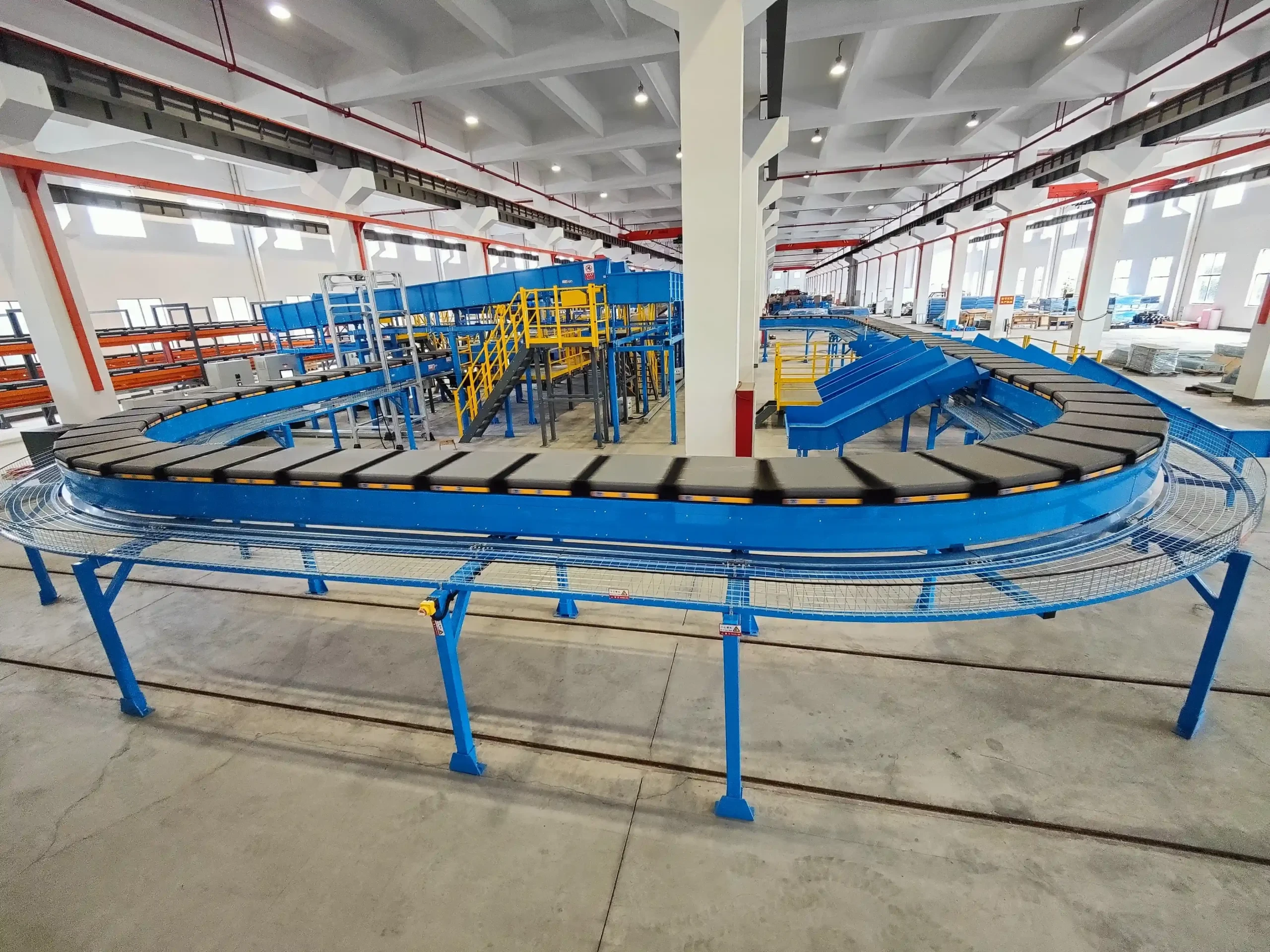
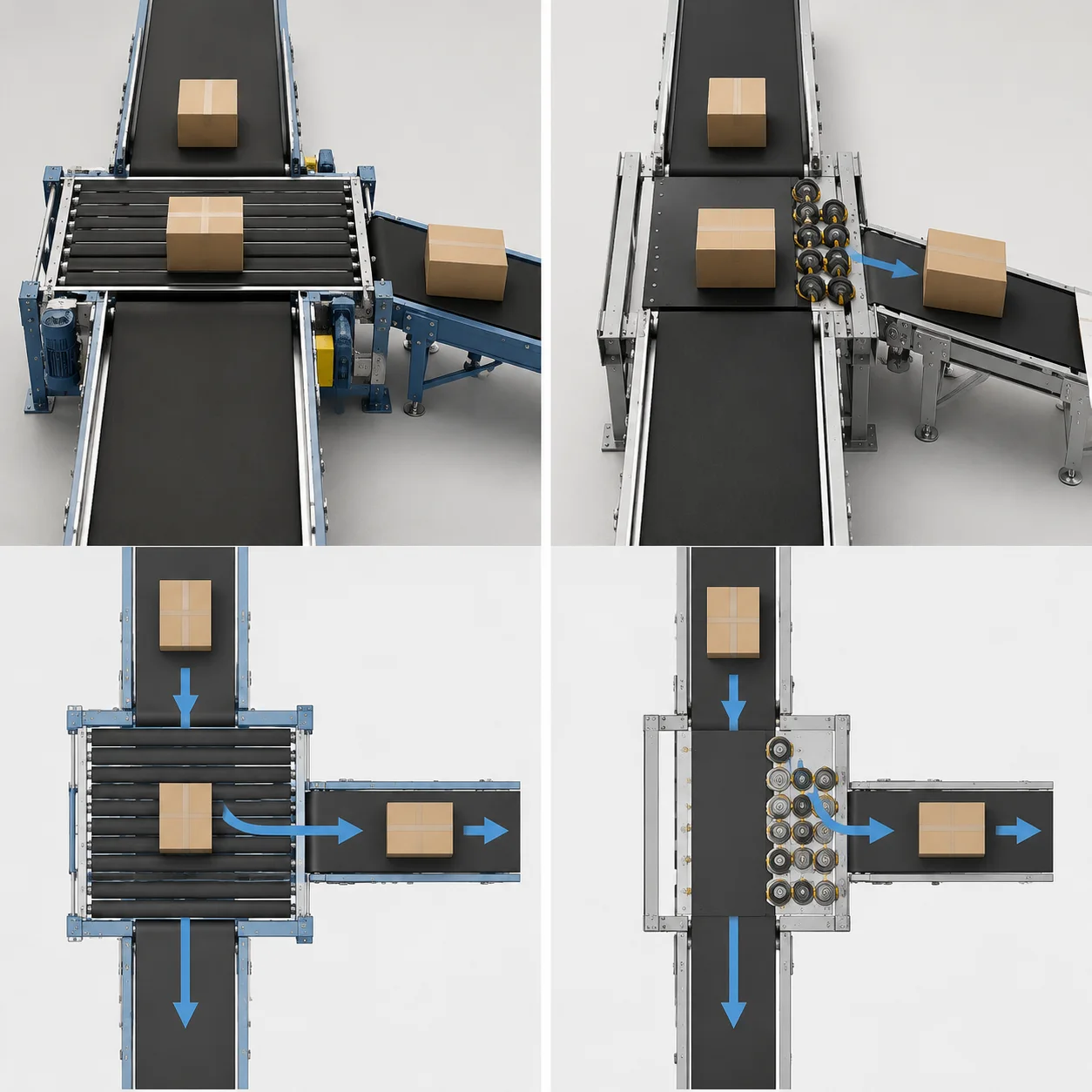
The Fix: Implement a high-speed cross belt sorter or narrow belt system. By utilizing DWS (Dimensioning, Weighing, and Scanning) tunnels and automated diverts, a single automated sorting machine can do the work of 20 to 50 manual sorters. This drastically reduces your dependency on the labor market while boosting accuracy to 99.9%.
Step B: Upgrade to a WCS (Warehouse Control System)
Labor shortages aren’t just physical; they are managerial. Managing a chaotic floor requires excessive supervisory staff.
The Fix: Integrating a robust software architecture, like the Truelisort concept system, centralizes material flow control. The system automatically routes parcels, balances workloads across different warehouse zones, and predicts jams before they happen, requiring fewer floor managers to keep operations running smoothly.
Step C: Shift from “Man-to-Goods” to “Goods-to-Person” (G2P)
Traditional picking involves humans walking to shelves (Man-to-Goods), wasting up to 60% of their shift just walking.
The Fix: An automated warehouse utilizes AS/RS (Automated Storage and Retrieval Systems) or automated Put Walls. The system brings the exact items to a stationary human operator. The operator’s output triples because 100% of their time is spent picking and packing, significantly effectively helping you reduce warehouse labor costs.
3. Data Comparison: Manual vs. Automated Warehouse
How does supply chain automation directly impact workforce metrics? Here is a benchmark comparison based on 2026 industry standards for a facility processing 50,000 orders per day.
| Operational Metric | Traditional Manual Facility | Automated Warehouse |
|---|---|---|
| Headcount Required (Shift) | 120 – 150 Workers | 30 – 45 Workers |
| Operator Walking Distance | 8 – 12 Miles / Shift | < 1 Mile / Shift (Stationary) |
| Peak Season Scaling | Requires massive hiring & training | Increase machine speed / hours (Zero hiring) |
| Employee Retention Rate | Low (High physical burnout) | High (Ergonomic, tech-driven roles) |
4. Frequently Asked Questions (FAQ)
Q: How long does it take to implement supply chain automation?
A: The timeline depends on the scale of the project. A modular solution (like adding a narrow belt sorter to an existing line) can be deployed in 3 to 4 months. A full transformation into a highly complex automated warehouse may take 8 to 12 months from consultation to go-live.
Q: What is the ROI timeline for warehouse automation solutions?
A: With the rising costs of human labor in 2026, the ROI timeline has shrunk significantly. Most fulfillment centers see a full return on investment in hardware and software within 18 to 36 months, primarily driven by reduced wage expenses, elimination of recruitment costs, and decreased error-related chargebacks.
Q: Can automation handle peak holiday seasons without extra staff?
A: Yes. One of the greatest benefits of supply chain automation is its elasticity. During Black Friday, an automated sorter can simply run at maximum capacity for 24 hours a day. It doesn’t require overtime pay, it doesn’t get fatigued, and it completely bypasses the need to hire temporary holiday labor.
5. Conclusion: Take Control of Your Operations
Being at the mercy of a volatile labor market is a profound business risk. By investing in strategic supply chain automation, you transform labor from a daily operational headache into a predictable, manageable, and highly efficient system.
Are you ready to immunize your fulfillment center against the labor shortage? Explore our bespoke automation solutions, or contact the engineering experts at Truelisort today to schedule a comprehensive data analysis of your current material flow.

Truelisort Systems
Global leaders in supply chain automation, empowering warehouses to overcome labor challenges through high-speed automated sortation technology.
✉️ Email: business@truelisort.com |
📱 WhatsApp: +86 18658557670
🔗 Connect on: LinkedIn | YouTube | Facebook