
Consumers demand next-day delivery, same-day shipping is becoming increasingly common, and e-commerce growth continues to push fulfillment centers and distribution hubs to process higher parcel volumes than ever before. Under these pressures, logistics operators are constantly searching for ways to increase parcel throughput, reduce downtime, and maximize operational efficiency.
When discussing throughput improvement, many managers immediately think about investing in new automation equipment, expanding warehouse space, or hiring additional staff. While these strategies may contribute to growth, one critical factor is often overlooked: cross-belt sorter maintenance.
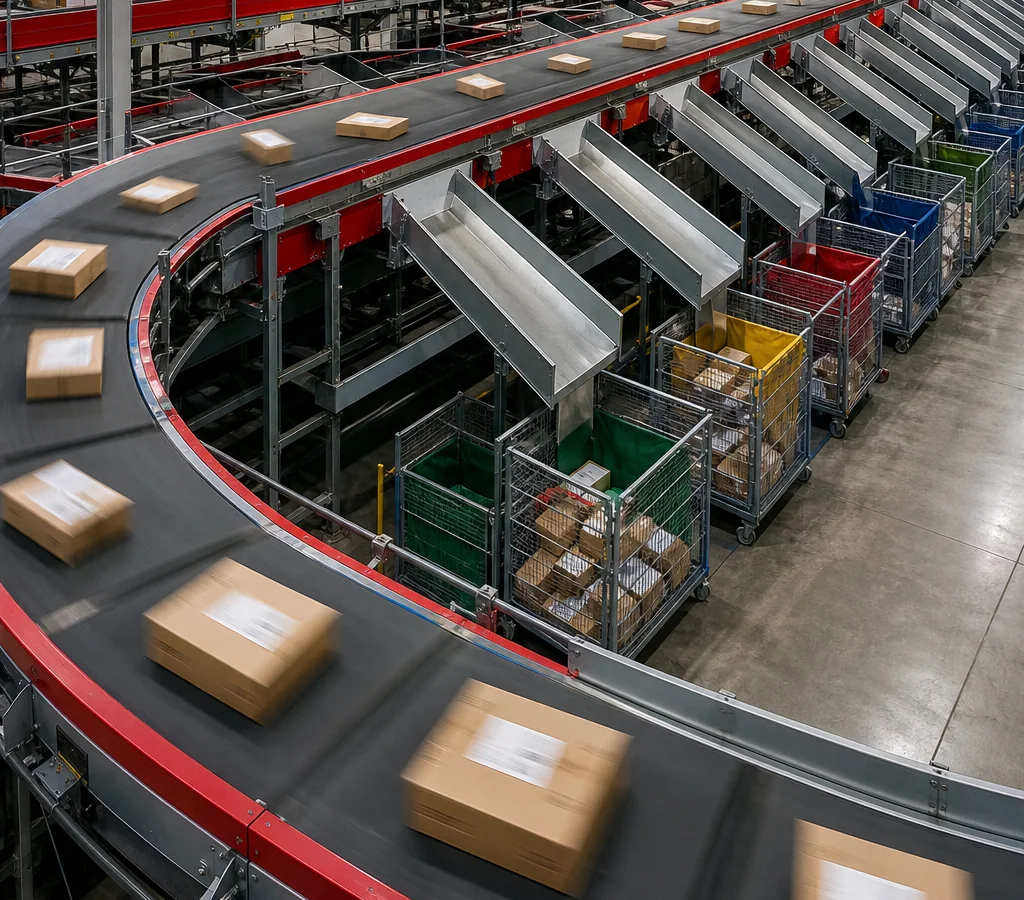
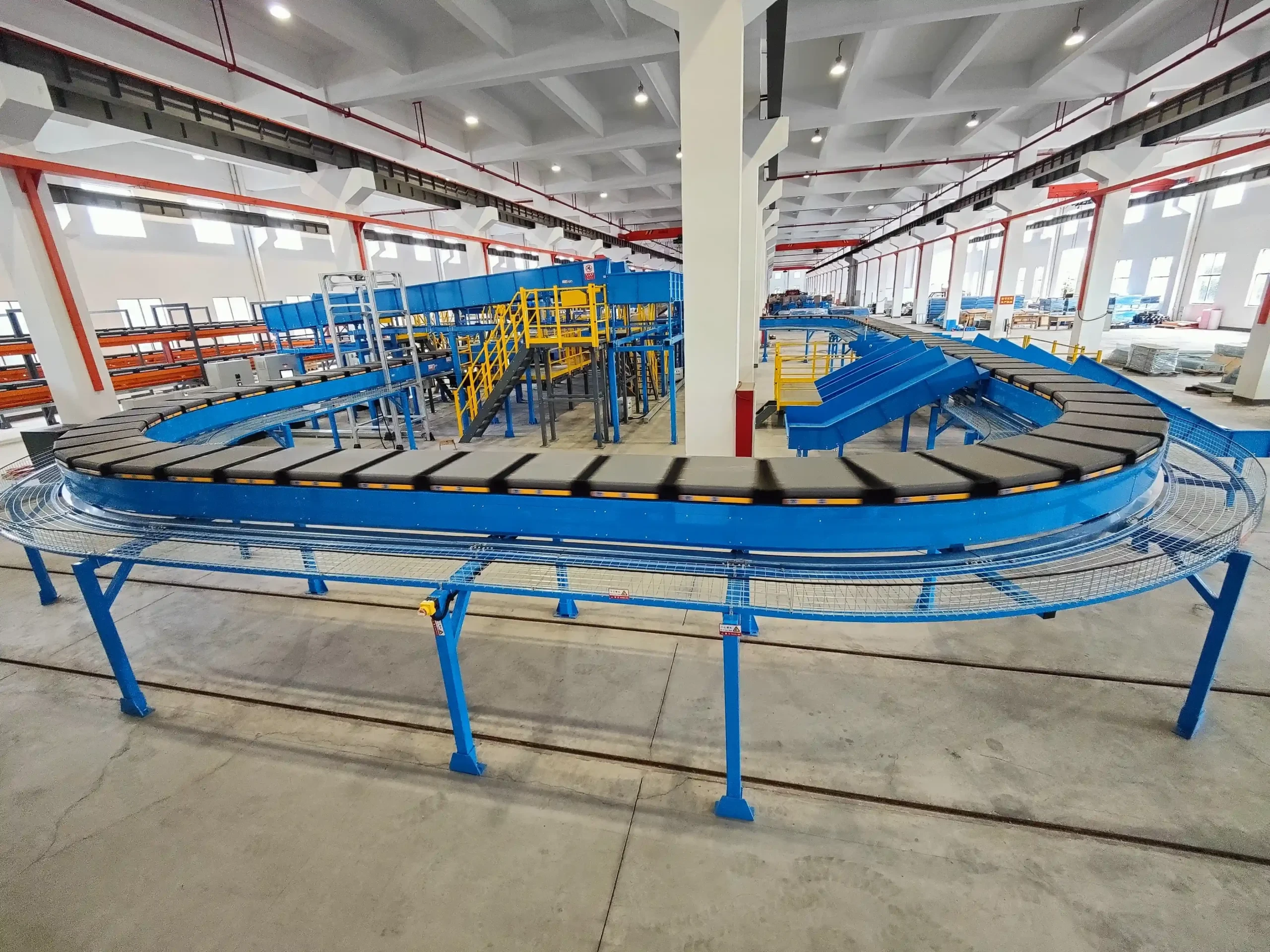
A cross-belt sorting system is one of the most important assets in a modern distribution center. It serves as the heart of high-speed parcel handling operations, directing thousands—or even hundreds of thousands—of packages to their designated destinations every day.
Yet many facilities fail to recognize that even the most advanced sorting technology can only perform at its best when supported by a proactive maintenance strategy.
In this article, we’ll explore how optimizing cross-belt sorter maintenance can significantly improve parcel throughput, reduce operational disruptions, and enhance the overall performance of logistics operations.
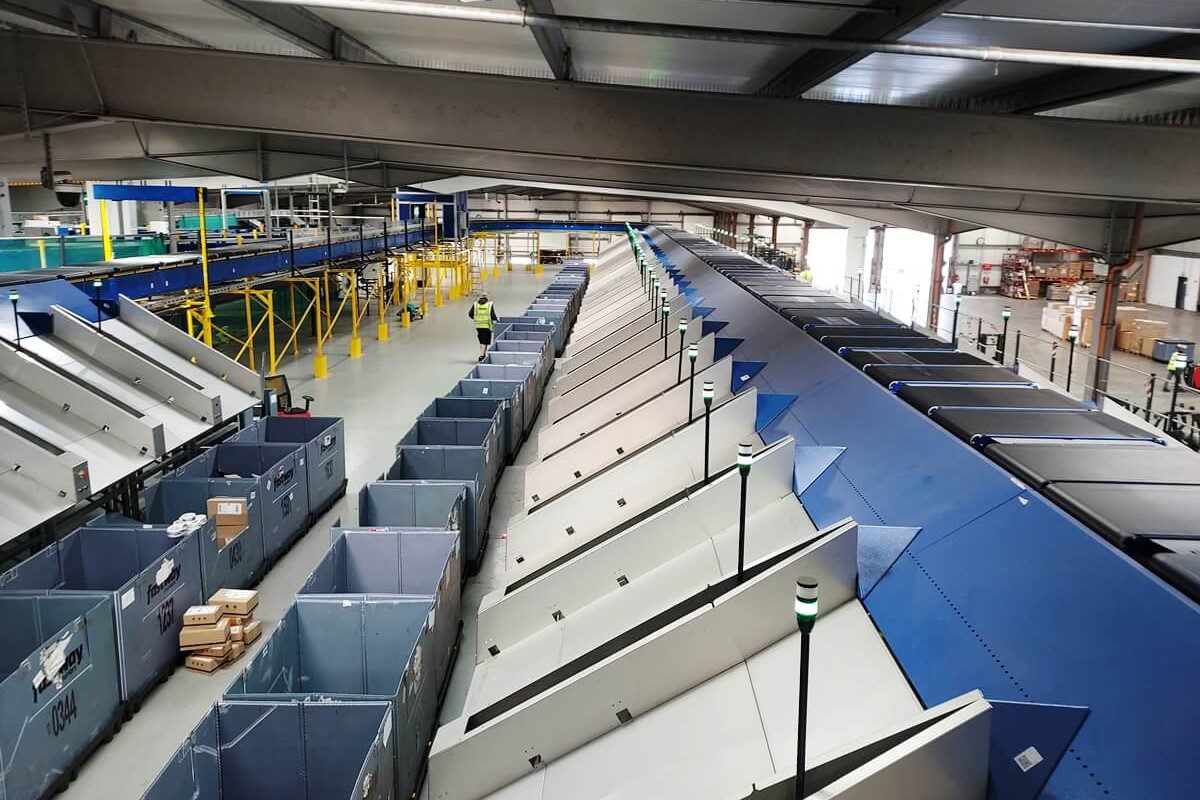
Understanding the Role of Cross-Belt Sorters in Modern Logistics
Before discussing maintenance strategies, it’s important to understand why cross-belt sorters are so critical.
Cross-belt sorting systems are designed to automatically identify, transport, and divert parcels to specific destinations based on barcode or RFID information.
Unlike traditional sorting methods, cross-belt sorters offer:
- High sorting accuracy
- Continuous parcel flow
- Flexible destination assignment
- High-speed operation
- Scalability for growing volumes
These systems are widely used in:
- E-commerce fulfillment centers
- Courier hubs
- Postal facilities
- Third-party logistics operations
- Airport cargo terminals
- Retail distribution centers
In many facilities, the sorter operates nearly around the clock.
Because of this intensive workload, even minor performance issues can create significant bottlenecks.
What Is Parcel Throughput?
Parcel throughput refers to the number of packages a facility can process within a specific period.
Common measurements include:
- Parcels per hour
- Parcels per shift
- Parcels per day
Throughput directly impacts:
- Delivery speed
- Customer satisfaction
- Labor efficiency
- Revenue generation
- Facility utilization
When throughput declines, operational costs often increase.
Managers may mistakenly assume that rising package volumes require additional equipment when the real issue is hidden within existing sorter performance.
How Poor Maintenance Reduces Throughput
Many logistics facilities only address maintenance after equipment problems become obvious.
This reactive approach can significantly impact parcel flow.
Common consequences include:
Unexpected Downtime
A failed motor, damaged belt, or sensor malfunction can stop an entire sorting line.
Even a short interruption may create a backlog that takes hours to clear.
Reduced Sorting Accuracy
Misaligned components can lead to:
- Incorrect parcel destinations
- Resorting requirements
- Customer complaints
- Delivery delays
Slower System Speeds
Equipment wear often causes facilities to reduce sorter speed to maintain operational stability.
While this may prevent immediate breakdowns, it reduces overall processing capacity.
Increased Labor Costs
Manual intervention becomes necessary when automated systems fail to perform consistently.
Workers may need to:
- Clear jams
- Re-sort parcels
- Troubleshoot equipment issues
All of these activities reduce productivity.
The Hidden Cost of Downtime
The true cost of sorter downtime extends beyond repair expenses.
When a cross-belt sorter stops operating, the impact often includes:
- Missed shipping cutoffs
- Delayed deliveries
- Overtime labor expenses
- Customer dissatisfaction
- Reduced warehouse productivity
For high-volume facilities, even one hour of downtime can affect thousands of parcels.
Over time, these disruptions significantly reduce operational efficiency.
Key Components That Require Regular Maintenance
A cross-belt sorting system consists of numerous interconnected components.
Failure in one area can affect overall performance.
Cross-Belt Units
The belts themselves experience constant wear.
Regular inspections should focus on:
- Belt tension
- Surface wear
- Cracks and damage
- Alignment issues
Worn belts can lead to package instability and sorting errors.
Drive Motors
Motors power sorter movement and belt operation.
Maintenance teams should monitor:
- Temperature
- Vibration levels
- Noise patterns
- Energy consumption
Early detection often prevents costly failures.
Bearings and Rollers
Bearings are among the most common wear components.
Neglected bearings can create:
- Increased friction
- Reduced efficiency
- Unexpected breakdowns
Routine lubrication and replacement schedules are essential.
Sensors and Scanners
Modern sorters depend heavily on data accuracy.
Sensors must consistently detect:
- Parcel presence
- Positioning
- Barcode information
Dirty or damaged sensors may reduce sorting accuracy.
Control Systems
Software and hardware controls coordinate the entire sorting operation.
Regular system checks help ensure:
- Accurate communication
- Reliable routing
- Stable performance
Preventive Maintenance vs. Reactive Maintenance
One of the biggest mistakes logistics operators make is relying solely on reactive maintenance.
Reactive Maintenance
Reactive maintenance occurs after equipment failure.
Advantages:
- Lower short-term maintenance costs
Disadvantages:
- Unexpected downtime
- Emergency repairs
- Higher long-term expenses
- Operational disruptions
Preventive Maintenance
Preventive maintenance follows a planned schedule.
Advantages:
- Improved reliability
- Reduced downtime
- Better throughput
- Lower repair costs
Facilities that prioritize preventive maintenance typically achieve more stable operations and higher productivity.
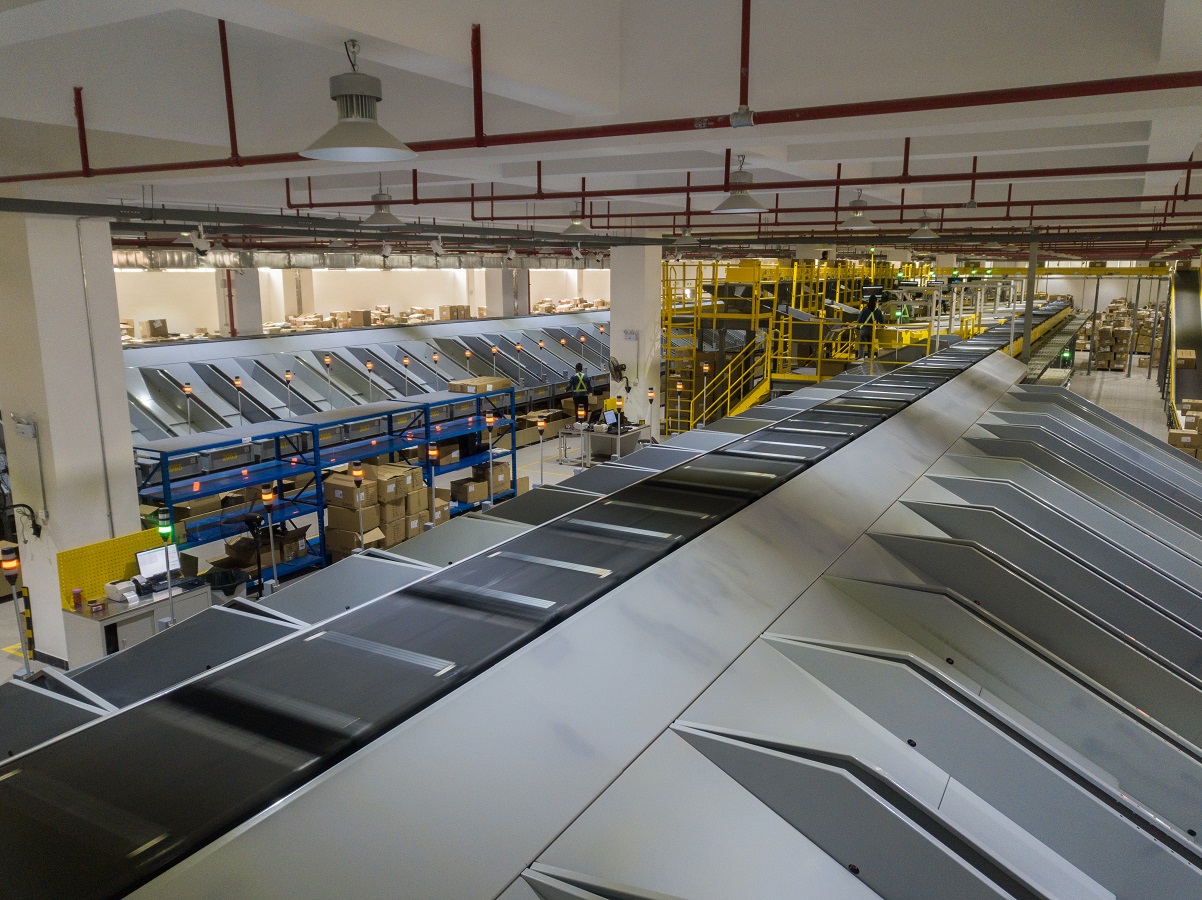
Building an Effective Maintenance Schedule
Maintenance should never be treated as an occasional task.
Instead, it should become an integral part of operational planning.
Daily Inspections
Operators should check:
- Belt conditions
- Visible damage
- Sensor cleanliness
- Unusual noises
Small issues identified early can prevent major failures.
Weekly Maintenance
Weekly tasks may include:
- Lubrication
- Fastener inspections
- Alignment verification
- Cleaning procedures
Monthly Maintenance
Monthly evaluations often focus on:
- Motor performance
- Electrical connections
- Wear component assessment
- System diagnostics
Annual Overhauls
Comprehensive annual inspections help identify long-term wear patterns and modernization opportunities.
Using Predictive Maintenance to Increase Throughput
Technology has transformed maintenance practices.
Predictive maintenance uses real-time monitoring tools to identify potential problems before failures occur.
Common technologies include:
Vibration Analysis
Abnormal vibration patterns often indicate:
- Bearing wear
- Misalignment
- Motor issues
Thermal Imaging
Temperature monitoring helps detect:
- Electrical faults
- Overheating components
- Friction-related issues
Condition Monitoring Sensors
Smart sensors continuously collect performance data.
This information allows maintenance teams to act before problems affect throughput.
Predictive maintenance reduces unplanned downtime while improving equipment availability.
The Relationship Between Maintenance and Sorting Accuracy
Throughput is not simply about speed.
Accuracy matters equally.
Poorly maintained systems often experience:
- Parcel misrouting
- Barcode reading errors
- Package collisions
- Conveyor jams
Every sorting error creates additional work.
By maintaining system precision, facilities improve both throughput and customer satisfaction.
Employee Training Plays a Critical Role
Even the most advanced maintenance program can fail if employees lack proper training.
Operators should understand:
- Basic inspection procedures
- Early warning signs
- Emergency response protocols
- Equipment operating limits
Maintenance personnel should receive ongoing technical education to stay current with evolving technologies.
Well-trained teams identify issues faster and prevent small problems from becoming major disruptions.
Spare Parts Management Matters
Many facilities underestimate the importance of spare parts inventory.
When critical components are unavailable, repair times increase significantly.
Best practices include maintaining stock of:
- Bearings
- Motors
- Sensors
- Belts
- Rollers
- Electronic modules
Strategic spare parts management minimizes downtime during repairs.
Data-Driven Maintenance Decisions
Modern warehouse management systems generate valuable operational data.
Metrics to monitor include:
Mean Time Between Failures (MTBF)
Measures equipment reliability.
Higher values indicate stronger performance.
Mean Time to Repair (MTTR)
Measures repair efficiency.
Lower values indicate faster recovery.
Sorter Availability
Tracks operational uptime.
Throughput Trends
Helps identify performance degradation before it becomes severe.
Data-driven decisions lead to more effective maintenance planning.
Maintenance and Energy Efficiency
Well-maintained equipment consumes less energy.
Poorly maintained systems often experience:
- Increased friction
- Motor inefficiency
- Component strain
As energy prices continue to rise, maintenance becomes an important strategy for controlling operational costs.
Improved energy efficiency contributes directly to profitability.
Future Trends in Cross-Belt Sorter Maintenance
The logistics industry continues to evolve.
Emerging maintenance trends include:
Artificial Intelligence
AI-powered systems analyze equipment performance and predict failures with increasing accuracy.
Digital Twins
Virtual equipment models help simulate maintenance scenarios before implementation.
Remote Monitoring
Cloud-based platforms allow maintenance teams to monitor equipment from anywhere.
Automated Diagnostics
Self-diagnostic systems reduce troubleshooting time and improve response speed.
Facilities adopting these technologies gain a competitive advantage through improved reliability and throughput.
Creating a Maintenance Culture
Successful logistics organizations view maintenance as a strategic investment rather than an operational expense.
A maintenance-focused culture encourages:
- Continuous improvement
- Proactive problem-solving
- Equipment accountability
- Operational excellence
When maintenance becomes part of everyday operations, performance improvements often follow naturally.
Conclusion
Increasing parcel throughput is a top priority for modern logistics facilities, but achieving sustainable growth requires more than purchasing new equipment or expanding warehouse space.
The most effective and cost-efficient improvement often begins with optimizing cross-belt sorter maintenance.
A properly maintained sorting system delivers higher reliability, greater accuracy, reduced downtime, improved energy efficiency, and stronger operational performance. By implementing preventive and predictive maintenance strategies, training personnel effectively, managing spare parts inventory, and leveraging performance data, facilities can unlock the full potential of their existing automation investments.
In an industry where every minute counts and customer expectations continue to rise, maintenance is no longer just a support function—it is a critical driver of productivity and profitability.
For organizations seeking to improve parcel flow, increase sorter availability, and maximize warehouse efficiency, the path forward starts with a simple principle: maintain your cross-belt sorter before it becomes a problem.
Because in modern logistics, throughput is not determined solely by the speed of the machine—it is determined by the reliability of the system behind it.