
In today’s fast-paced logistics and manufacturing landscape, speed is no longer enough. Accuracy, reliability, and uptime have become the true competitive advantages. Whether it’s an e-commerce fulfillment center processing hundreds of thousands of packages every day or a manufacturing facility sorting components for assembly, automated sorting lines serve as the backbone of modern operations.
Yet even the most advanced sorting system is only as strong as its weakest component. A single sensor failure, a worn conveyor belt, a dirty barcode scanner, or an overlooked maintenance task can create a chain reaction that slows production, causes shipment delays, and drives up operational costs.
The secret to achieving continuous, uninterrupted flow is not simply investing in cutting-edge automation. It is building a proactive maintenance and reliability strategy that keeps every part of the system working together seamlessly.
This guide explores the essential practices, technologies, and maintenance philosophies that help businesses maximize the performance of automated sorting lines while minimizing downtime, repair costs, and operational risk.
Why Automated Sorting Lines Are Critical to Modern Operations
Automation has fundamentally transformed warehousing and distribution. Traditional manual sorting methods cannot keep pace with today’s order volumes and customer expectations. Consumers increasingly expect same-day or next-day delivery, forcing distribution centers to process products at unprecedented speed.
Automated sorting lines provide several advantages:
- High-speed package processing.
- Improved sorting accuracy.
- Lower labor costs.
- Better space utilization.
- Enhanced worker safety.
- Scalability for seasonal demand fluctuations.
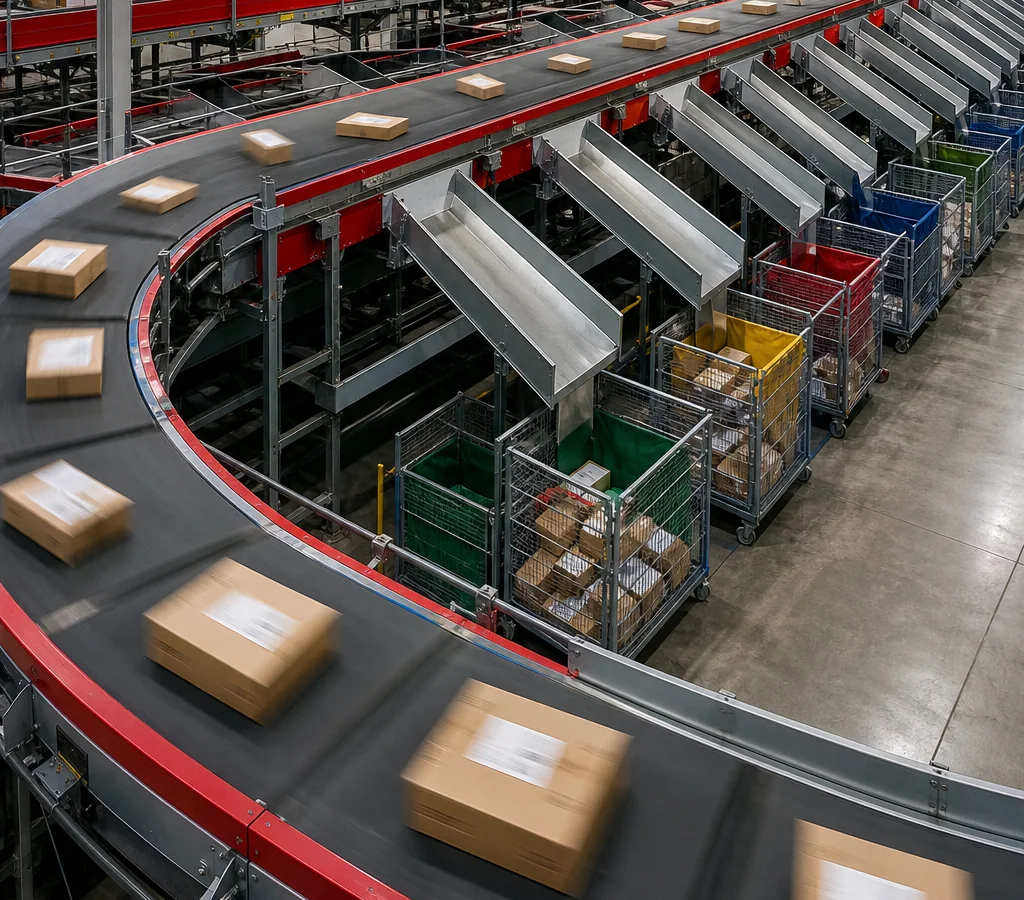
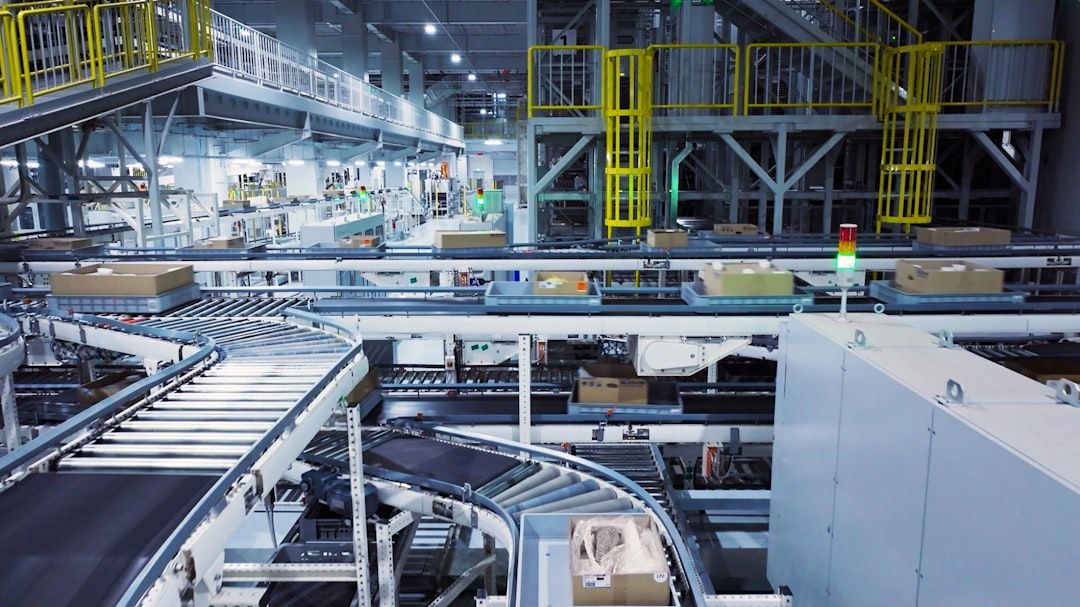
These systems combine conveyors, barcode readers, machine vision cameras, sensors, diverters, robotic arms, programmable controllers, and warehouse management software into a synchronized network. When every component performs correctly, packages move smoothly from receiving to shipping with minimal human intervention.
However, because all components are interconnected, failures rarely remain isolated. A minor malfunction in one area can quickly impact the entire operation.
The Hidden Cost of Downtime
Many facility managers underestimate the true cost of a sorting line interruption. The obvious expenses—repair labor and replacement parts—represent only a fraction of the financial impact.
Downtime often triggers a cascade of secondary problems, including:
Lost Productivity
Every minute the sorting line stops, orders accumulate upstream while downstream processes wait for inventory to arrive.
Shipping Delays
Late shipments can damage customer relationships and lead to penalties in service-level agreements.
Overtime Labor Costs
Employees may need to work additional hours to clear backlogs after the system resumes operation.
Increased Error Rates
Switching temporarily to manual sorting often introduces misrouting, incorrect labeling, and inventory inaccuracies.
Accelerated Equipment Wear
Restarting overloaded systems after extended downtime can place additional stress on motors, belts, bearings, and gearboxes.
Studies across industrial sectors consistently show that preventive maintenance costs far less than emergency repairs. In automated logistics, avoiding even a few hours of unexpected downtime each year can generate significant savings.
Understanding the Anatomy of an Automated Sorting Line
Protecting a sorting system begins with understanding its key components and how they interact.
Conveyor Systems
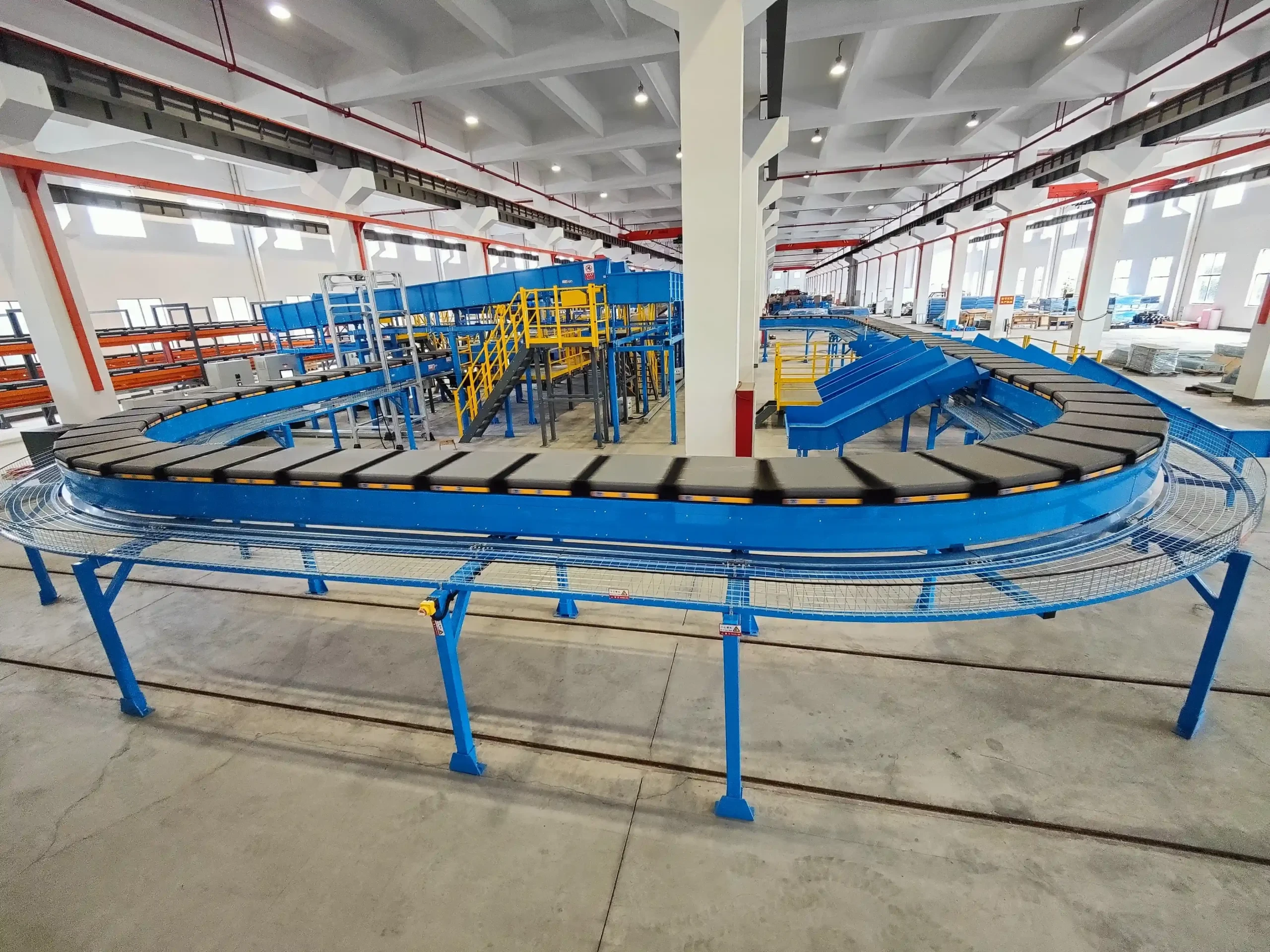
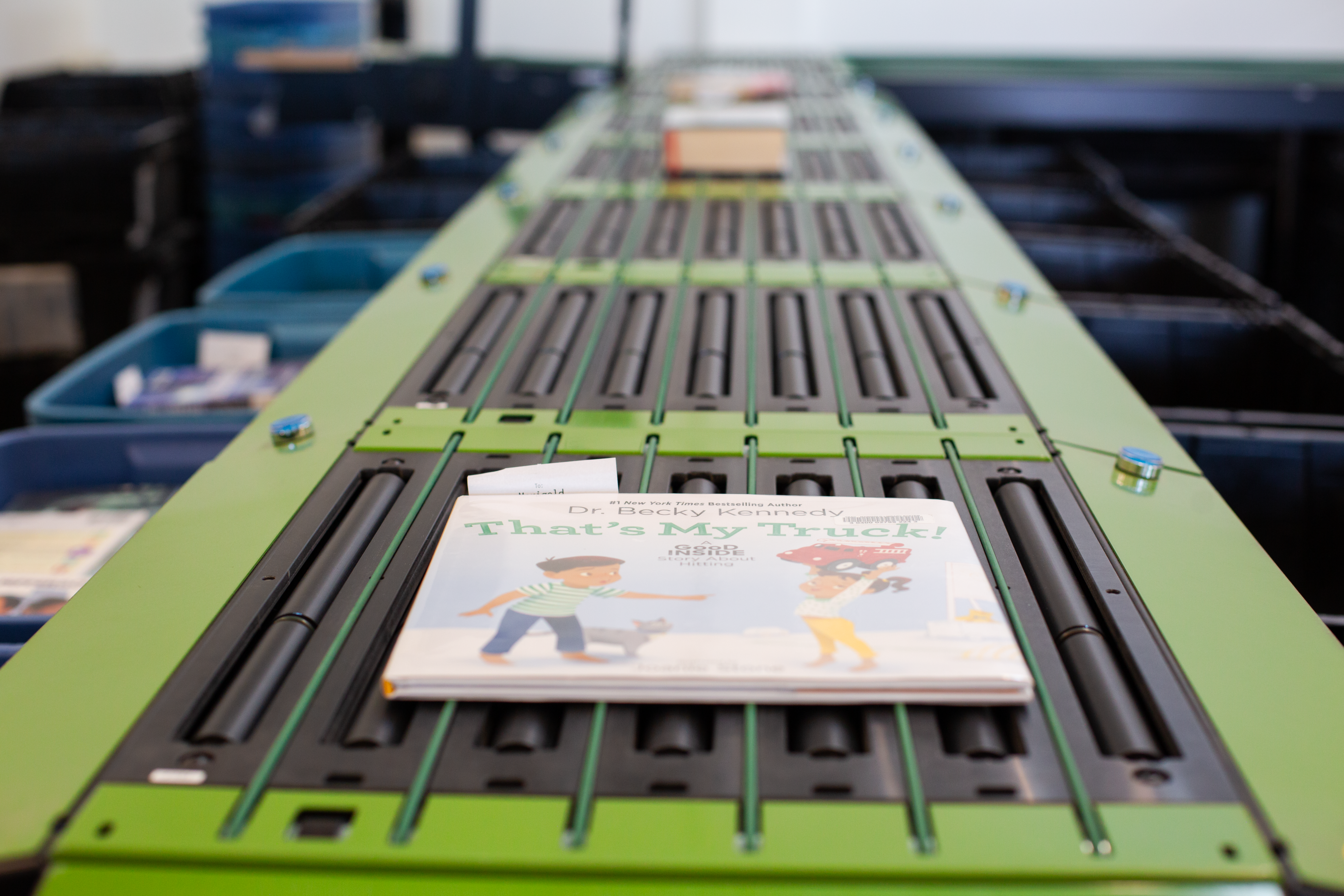
Conveyors act as the circulatory system of the facility, moving products continuously between workstations. Belt wear, roller damage, improper alignment, and debris accumulation can all reduce efficiency.
Sensors and Photoelectric Devices
Sensors detect package presence, speed, orientation, and spacing. Dirty or misaligned sensors may fail to recognize items, causing jams or incorrect routing.
Barcode and QR Code Scanners
Modern sorting systems rely heavily on optical identification. Dust, scratches, or improper calibration can reduce reading accuracy.
Sortation Diverters
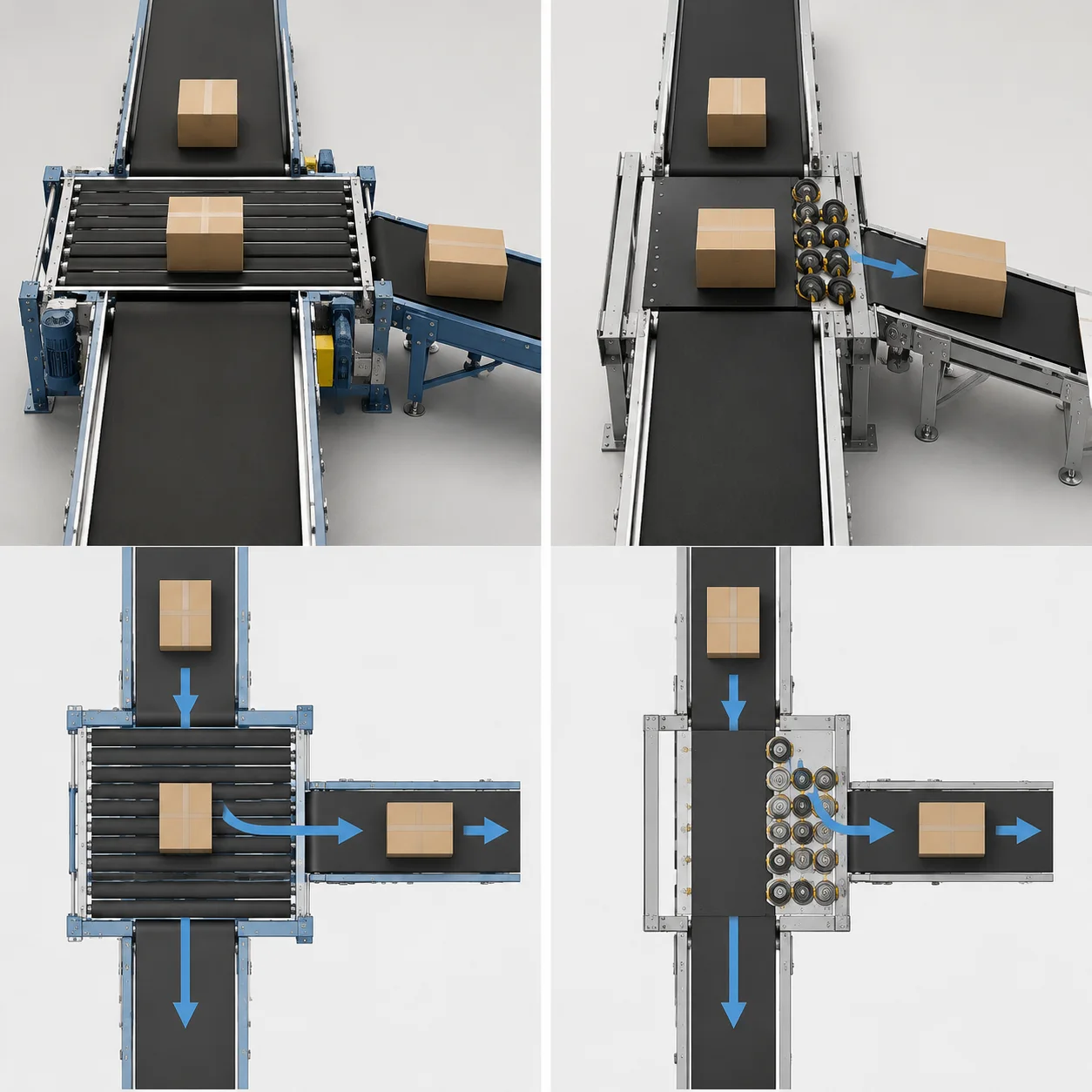
These mechanical devices direct products toward designated destinations. Pneumatic or motor-driven diverters require regular lubrication and inspection to prevent sticking or delayed actuation.
Motors and Drive Units
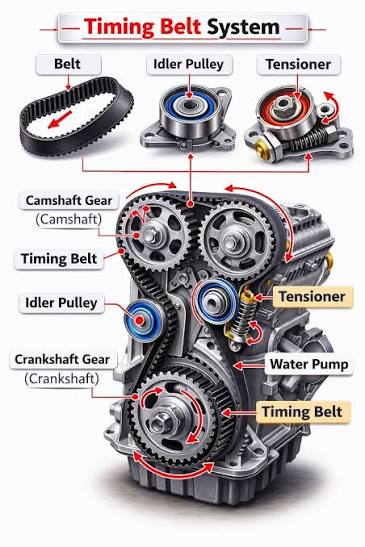
Electric motors and gearboxes power the conveyor network. Excessive vibration, overheating, or inadequate lubrication can lead to unexpected failures.
Programmable Logic Controllers (PLCs)
PLCs coordinate every aspect of the sorting process. While highly reliable, software errors, communication failures, or power fluctuations can interrupt operations.
Human-Machine Interfaces (HMIs)
Operators depend on HMI displays for system monitoring and diagnostics. Ensuring interface reliability helps technicians respond quickly when issues arise.
Every component contributes to the overall performance of the line. Maintenance programs must therefore address both mechanical and digital infrastructure.
Common Causes of Sorting Line Failures
Despite advances in automation technology, most breakdowns stem from a surprisingly small number of recurring issues.
Lack of Preventive Maintenance
Skipping scheduled inspections often allows minor issues to develop into major failures. A loose belt tensioner ignored today could become a complete conveyor shutdown next week.
Dust and Debris Accumulation
Warehouses generate significant amounts of dust from cardboard, pallets, plastic packaging, and product handling. Accumulated debris interferes with sensors, motors, and cooling systems.
Worn Mechanical Components
Bearings, rollers, belts, chains, and guide rails naturally wear over time. Failure to replace them proactively increases the risk of catastrophic breakdowns.
Improper Lubrication
Both over-lubrication and under-lubrication can shorten equipment life. Using incorrect lubricants may also damage seals and bearings.
Electrical Issues
Loose wiring, unstable power supplies, aging connectors, and moisture intrusion can create intermittent faults that are difficult to diagnose.
Software and Communication Errors
As sorting systems become increasingly connected, network interruptions and software conflicts can halt operations even when mechanical equipment remains functional.
Recognizing these common causes helps maintenance teams focus resources where they deliver the greatest value.
Preventive Maintenance: The Foundation of Reliable Operations
The best way to protect an automated sorting line is to prevent failures before they occur.
Preventive maintenance involves performing inspections, adjustments, cleaning, and component replacements at scheduled intervals based on manufacturer recommendations and operational history.
Key preventive maintenance activities include:
Daily Tasks
- Remove debris from conveyors.
- Inspect sensors and scanner windows.
- Check emergency stop functions.
- Listen for unusual noises.
- Verify package flow consistency.
Weekly Tasks
- Inspect belts for wear or fraying.
- Check chain tension.
- Clean optical devices.
- Examine pneumatic hoses for leaks.
- Test diverter movement.
Monthly Tasks
- Lubricate bearings and moving parts.
- Tighten electrical connections.
- Review motor temperatures.
- Inspect gearbox oil levels.
- Verify PLC backups and software integrity.
Quarterly or Semiannual Tasks
- Perform vibration analysis.
- Replace worn rollers.
- Calibrate sensors and scanners.
- Inspect conveyor alignment.
- Conduct full system performance testing.
A structured maintenance schedule transforms equipment management from reactive firefighting into proactive asset preservation.
Deep Cleaning: An Overlooked Reliability Strategy
Maintenance is not limited to replacing parts. Deep cleaning plays an equally important role in preserving sorting line performance.
Dust and contamination affect almost every critical subsystem:
- Barcode scanners lose reading accuracy.
- Photoelectric sensors generate false signals.
- Motor cooling fins become clogged.
- Conveyor rollers develop uneven wear.
- Vision systems experience reduced image quality.
A comprehensive cleaning program should include:
Conveyor Surface Cleaning
Removing adhesive residue, cardboard dust, and debris reduces friction and prevents product slippage.
Sensor Lens Cleaning
Use lint-free cloths and approved cleaning solutions to maintain optical clarity.
Electrical Cabinet Cleaning
Dust accumulation inside control cabinets restricts airflow and increases component temperatures.
Motor and Fan Cleaning
Keeping cooling systems unobstructed extends motor life and prevents overheating.
Camera and Vision System Maintenance
High-resolution imaging equipment requires regular inspection to ensure consistent package identification.
Routine cleaning not only improves performance but also makes developing mechanical issues easier to spot.
Predictive Maintenance: Using Data to Stay Ahead
Modern sorting facilities increasingly rely on predictive maintenance rather than fixed schedules alone.
Predictive maintenance uses real-time data to identify early warning signs of equipment degradation. Instead of replacing parts based solely on calendar intervals, maintenance teams act when actual operating conditions indicate elevated risk.
Common predictive technologies include:
Vibration Monitoring
Changes in vibration patterns can reveal bearing wear, shaft imbalance, or misalignment long before failure occurs.
Thermal Imaging
Infrared cameras detect overheating motors, electrical connections, and control components.
Current and Power Analysis
Abnormal electrical consumption often indicates excessive mechanical resistance or motor problems.
Acoustic Monitoring
Ultrasonic sensors identify compressed air leaks and early-stage bearing damage.
AI-Driven Analytics
Machine learning platforms analyze large volumes of operational data to identify trends and predict failures before they impact production.
Predictive maintenance reduces unnecessary component replacements while minimizing the likelihood of unexpected breakdowns.
The Role of Spare Parts Management
Even the best maintenance program cannot eliminate every failure. Strategic spare parts inventory ensures that when problems occur, recovery is fast.
Critical spare parts often include:
- Conveyor belts.
- Drive motors.
- Bearings.
- Rollers.
- Photoelectric sensors.
- Barcode scanners.
- Pneumatic cylinders.
- PLC communication modules.
- Power supplies.
- Emergency stop switches.
Facilities should classify components according to failure probability and replacement lead time. Parts that are inexpensive but difficult to source should often be stocked locally.
Digital inventory management systems can automatically track usage rates and trigger replenishment orders before stock levels become critical.
Training: The Human Element Behind Reliable Automation
Technology alone cannot guarantee uptime. Skilled operators and maintenance technicians remain essential.
Comprehensive training programs should cover:
Daily Inspection Procedures
Operators should know how to recognize unusual noises, vibration, package accumulation, or error messages.
Basic Troubleshooting
Simple issues such as sensor cleaning or jam removal can often be resolved without waiting for specialized technicians.
Safety Procedures
Lockout/tagout practices and emergency shutdown protocols protect both personnel and equipment.
Data Interpretation
Maintenance teams should understand how to interpret vibration reports, thermal images, and equipment diagnostics.
Continuous Improvement
Encouraging employees to report recurring issues helps identify systemic problems before they become expensive failures.
Organizations that invest in workforce development typically experience lower downtime and faster recovery from disruptions.
Cybersecurity and Digital Reliability
As automated sorting lines become more connected, digital protection becomes just as important as mechanical maintenance.
Industrial networks now connect PLCs, warehouse management systems, cloud analytics platforms, and remote support services. These connections improve visibility but also introduce cybersecurity risks.
Key protective measures include:
- Regular software updates.
- Network segmentation.
- Multi-factor authentication.
- Secure remote access protocols.
- Routine backup of control programs.
- Employee cybersecurity awareness training.
A ransomware attack or unauthorized system modification can halt operations just as effectively as a mechanical failure.
Building a Maintenance Culture Instead of a Maintenance Program
Successful facilities view maintenance as an ongoing operational philosophy rather than a checklist.
A strong maintenance culture includes:
- Leadership support for preventive investments.
- Data-driven decision-making.
- Cross-functional communication.
- Continuous performance measurement.
- Root cause analysis after every significant failure.
Instead of simply replacing broken components, teams ask why the failure occurred and what changes can prevent recurrence.
Small improvements implemented consistently over time often produce dramatic gains in overall equipment effectiveness.
Emerging Technologies Shaping the Future of Sorting Line Reliability
Automation continues to evolve rapidly. Several emerging technologies are changing how facilities maintain and protect their sorting infrastructure.
Digital Twins
Virtual models of physical equipment allow engineers to simulate performance and predict maintenance needs.
Industrial Internet of Things (IIoT)
Connected sensors continuously transmit operational data, enabling real-time visibility across the entire facility.
Autonomous Inspection Robots
Mobile robots equipped with cameras and thermal sensors can inspect equipment in hard-to-reach areas.
Cloud-Based Maintenance Platforms
Centralized dashboards combine maintenance schedules, sensor data, spare parts inventory, and technician reports into a single interface.
Artificial Intelligence for Failure Prediction
AI algorithms can identify subtle performance patterns invisible to human observers, providing earlier warnings of developing issues.
Facilities that embrace these innovations position themselves for greater resilience and long-term operational efficiency.
Practical Checklist for Keeping an Automated Sorting Line Running Smoothly
To maintain uninterrupted flow, every operation should build a routine around these core principles:
- Inspect conveyors and moving components daily.
- Keep sensors, cameras, and scanners clean.
- Monitor vibration and temperature trends.
- Replace wear components before failure.
- Maintain accurate spare parts inventory.
- Train operators to identify early warning signs.
- Protect industrial control networks from cyber threats.
- Document maintenance history and equipment performance.
- Analyze root causes after every unexpected stoppage.
- Continuously improve maintenance procedures using operational data.
Consistency matters more than complexity. A disciplined approach to small daily tasks often prevents large, expensive disruptions.
Final Thoughts: Reliability Is the Real Competitive Advantage
Automated sorting lines have revolutionized logistics, manufacturing, and distribution by enabling faster, more accurate product handling. But automation does not eliminate maintenance—it elevates its importance.
The goal is not simply to repair equipment after it fails. The true objective is to create an environment where failures become increasingly rare. Through preventive maintenance, predictive analytics, deep cleaning, workforce training, spare parts planning, and digital security, businesses can protect their automation investments and ensure continuous operational flow.
In a world where customers expect instant fulfillment and supply chains operate around the clock, uninterrupted movement is more than an efficiency metric—it is a strategic advantage.
The companies that succeed tomorrow will not necessarily be those with the fastest sorting lines. They will be the ones that keep those sorting lines running, hour after hour, day after day, with minimal interruption.
After all, the heart of every successful automated operation is not merely speed. It is the ability to keep the flow moving without missing a beat.