
In today’s fast-paced logistics and manufacturing landscape, speed, accuracy, and efficiency are no longer competitive advantages—they are operational necessities. From e-commerce fulfillment centers processing hundreds of thousands of parcels per day to airports managing complex baggage handling operations, modern facilities rely heavily on automated sorting technologies to meet growing demands.
Among the most sophisticated and efficient sorting solutions available, the cross-belt sorter stands out as a remarkable engineering achievement. Combining precision mechanics, intelligent controls, high-speed transportation, and advanced data integration, cross-belt sorting systems have become the backbone of modern distribution centers worldwide.
What makes these systems particularly fascinating is their ability to move thousands of items per hour while maintaining exceptional sorting accuracy. Every package, parcel, bag, carton, or product travels through a carefully orchestrated sequence of conveyors, sensors, motors, and control systems before arriving at its designated destination.
However, even the most advanced sorting technology cannot perform at its best without proper maintenance and continuous optimization. Over time, wear and tear, environmental factors, operational stress, and system complexity can affect performance, increase downtime, and reduce sorting accuracy.
This article explores the beauty behind industrial sorting by taking a deep dive into cross-belt sorter systems, their operating principles, maintenance strategies, common challenges, and proven methods for maximizing performance and long-term reliability.
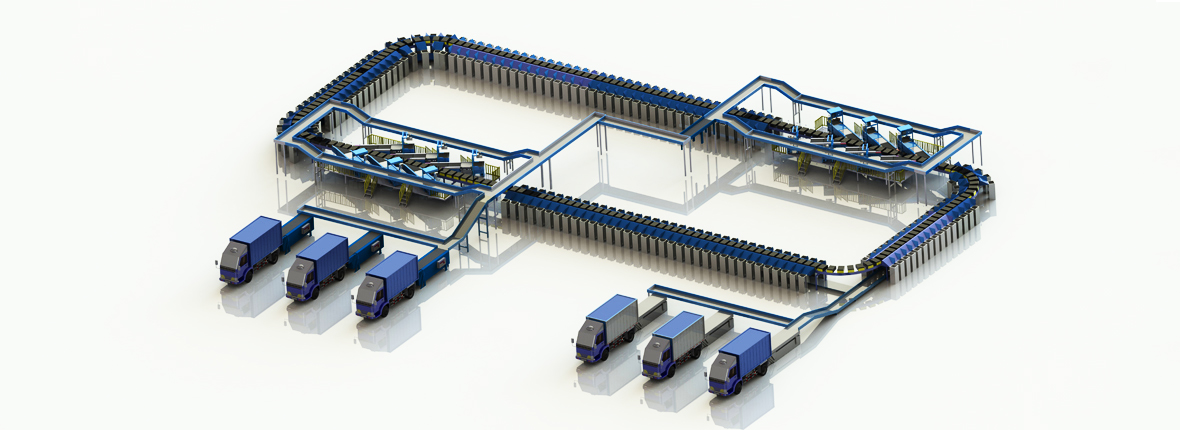
Understanding Cross-Belt Sorter Systems
Before discussing maintenance and optimization, it is important to understand how a cross-belt sorter works.
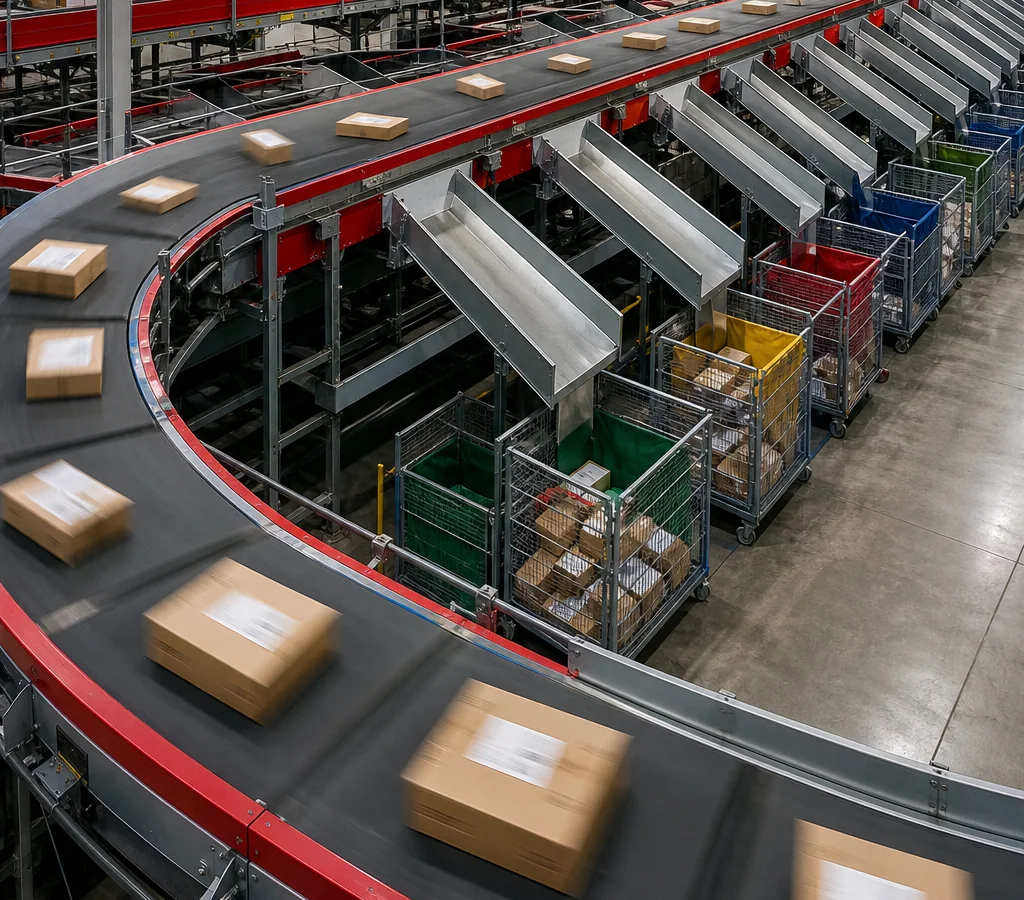
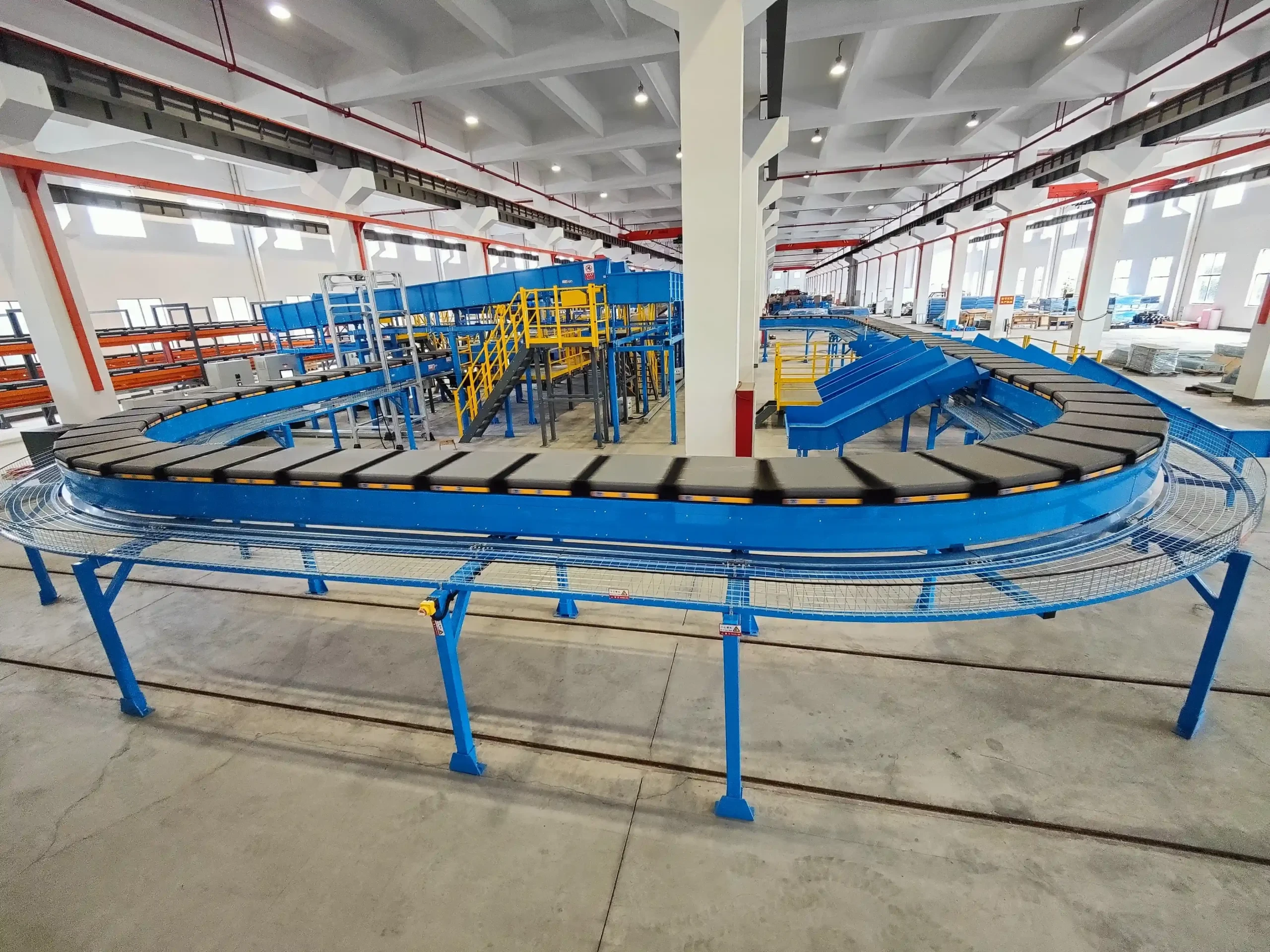
A cross-belt sorter consists of numerous small conveyor belts mounted perpendicular to a continuously moving carrier track.
Each carrier contains its own mini conveyor.
As items travel through the system:
- Packages are inducted onto a carrier.
- The carrier moves along a looped track.
- The control system identifies the destination.
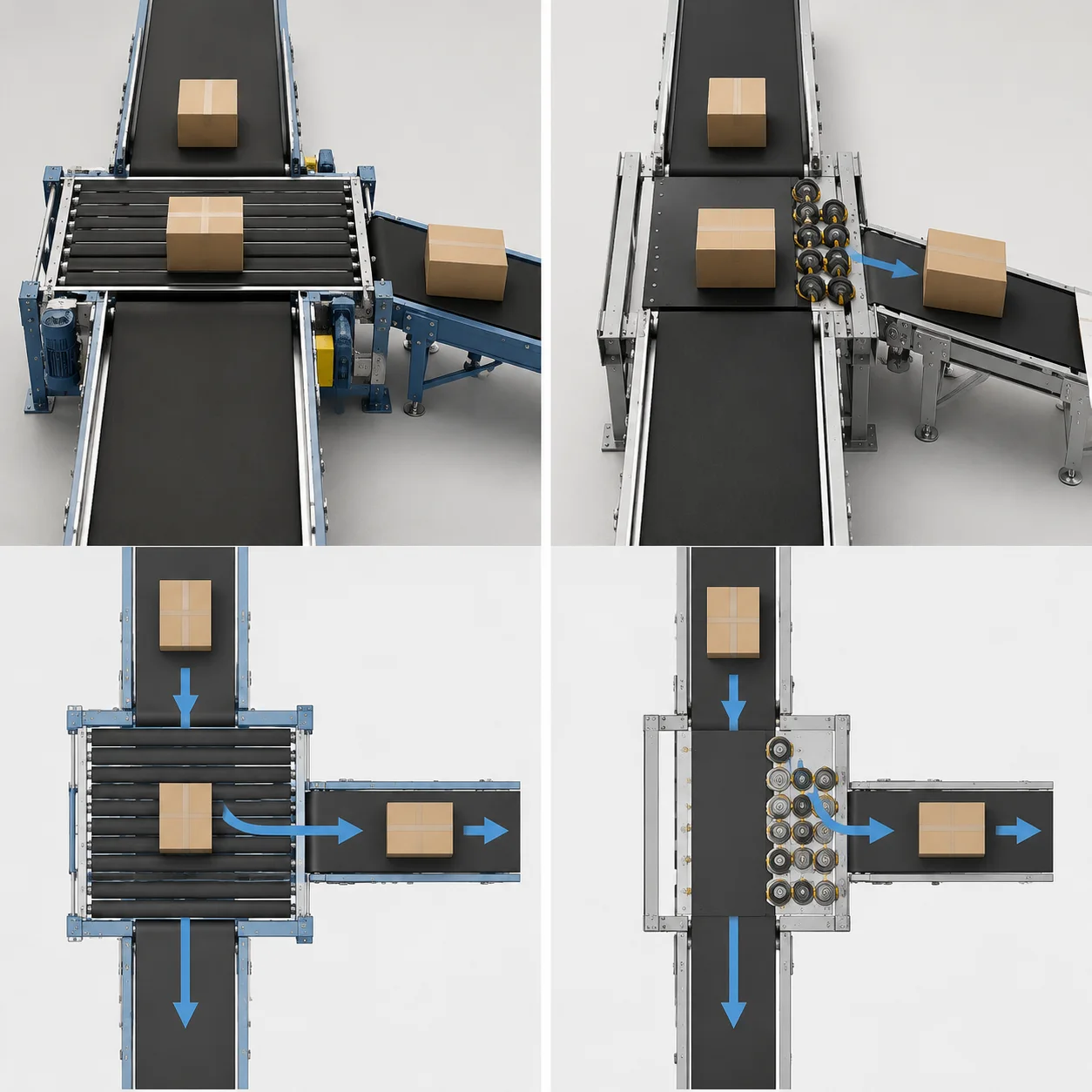
- At the appropriate discharge point, the cross-belt activates.
- The package is transferred smoothly into a chute or conveyor line.
Unlike traditional push sorters or tilt-tray systems, cross-belt sorters provide gentle handling and exceptional accuracy.
This makes them suitable for:
- Parcels
- Polybags
- Small packages
- Apparel
- Pharmaceuticals
- Electronics
- Cosmetics
- Airport baggage
Why Cross-Belt Sorters Have Become Industry Standards
Modern facilities increasingly favor cross-belt technology for several reasons.
High Throughput Capacity
Cross-belt sorters can process:
- Thousands of items per hour
- Tens of thousands of parcels per shift
- Continuous high-volume operations
This capability is essential for modern fulfillment centers.
Exceptional Sorting Accuracy
Accurate sorting reduces:
- Customer complaints
- Return costs
- Rework expenses
- Shipping delays
Cross-belt systems frequently achieve accuracy rates exceeding 99%.
Gentle Product Handling
Many products are fragile or irregularly shaped.
The smooth lateral discharge of a cross-belt minimizes:
- Product damage
- Impact forces
- Package deformation
This is particularly important in industries handling electronics, healthcare products, and luxury goods.
Flexibility
Cross-belt sorters accommodate a wide variety of product dimensions and weights.
They can easily adapt to changing inventory profiles.
Core Components of a Cross-Belt Sorter
Understanding key components is essential for effective maintenance.
Carrier Units
The carrier is the heart of the system.
Each carrier includes:
- Mini conveyor belt
- Drive mechanism
- Bearings
- Rollers
- Structural frame
Hundreds or even thousands of carriers may operate simultaneously.
Track System
The track guides carriers throughout the sorting loop.
Components include:
- Rails
- Curves
- Switches
- Alignment structures
Track integrity directly impacts sorting precision.
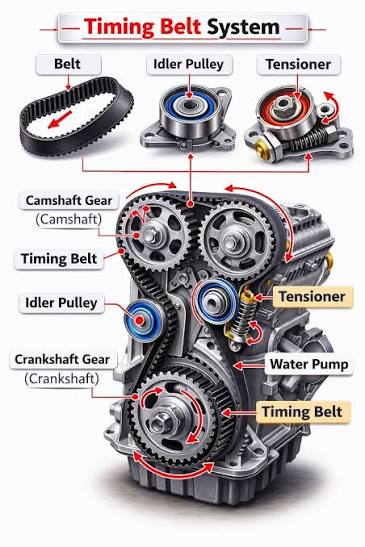
Drive System
The drive system powers movement throughout the sorter.
It includes:
- Motors
- Gearboxes
- Chains
- Timing belts
- Couplings
Reliable operation depends heavily on proper drive maintenance.
Sensors
Modern sorters use multiple sensor types.
Examples include:
- Barcode scanners
- Optical sensors
- Position sensors
- Photoelectric sensors
- Encoder systems
Sensors provide real-time operational intelligence.
Control System
Programmable logic controllers (PLCs) and warehouse control software coordinate:
- Routing decisions
- Carrier positioning
- Belt activation
- Error handling
Without effective controls, even the best mechanical system cannot perform efficiently.
The Importance of Preventive Maintenance
Preventive maintenance is one of the most cost-effective strategies for maintaining sorter performance.
Waiting until failures occur often leads to:
- Unexpected downtime
- Emergency repairs
- Lost productivity
- Increased labor costs
A preventive approach identifies issues before they become critical.
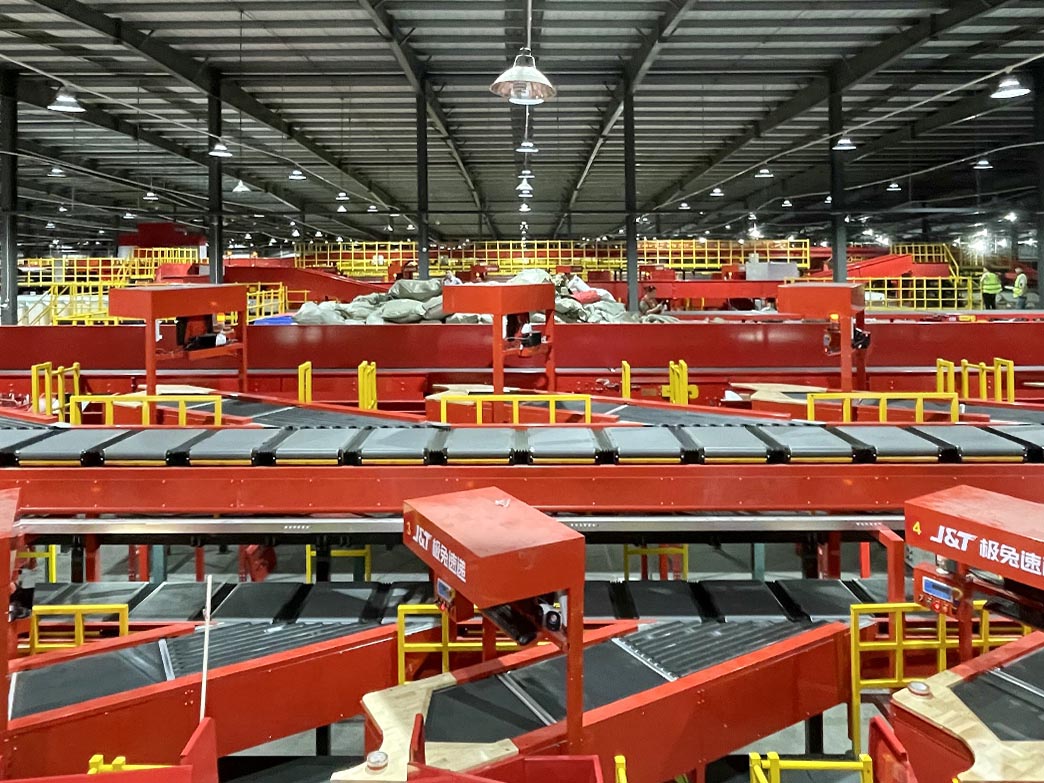
Daily Inspection Procedures
Daily inspections serve as the first line of defense.
Operators should examine:
Belt Conditions
Look for:
- Fraying
- Cracks
- Surface damage
- Excessive wear
Minor defects can rapidly worsen under high-speed operation.
Carrier Alignment
Misaligned carriers may cause:
- Tracking issues
- Product instability
- Increased friction
Visual inspections often reveal early signs of problems.
Unusual Noise
Abnormal sounds frequently indicate:
- Bearing failure
- Loose components
- Misalignment
- Drive issues
Technicians should investigate changes immediately.
Debris Accumulation
Dust, labels, packaging material, and foreign objects can interfere with operation.
Regular cleaning prevents many avoidable failures.
Weekly Maintenance Tasks
Weekly procedures provide deeper system evaluation.
Lubrication Checks
Moving components require proper lubrication.
Critical areas include:
- Bearings
- Rollers
- Drive chains
- Pivot points
Over-lubrication can be just as harmful as under-lubrication.
Sensor Cleaning
Dust and dirt affect sensor performance.
Clean:
- Scanner lenses
- Optical sensors
- Reflective surfaces
This helps maintain accurate package identification.
Fastener Inspection
High-speed systems generate vibration.
Inspect:
- Bolts
- Mounting brackets
- Structural supports
Loose hardware can create larger mechanical issues.
Monthly Maintenance Programs
Monthly inspections typically involve more detailed analysis.
Track Alignment Verification
Track deviations can cause:
- Carrier instability
- Increased wear
- Sorting inaccuracies
Laser alignment tools help verify track geometry.
Drive System Evaluation
Inspect:
- Motor performance
- Gearbox condition
- Chain tension
- Belt tension
Early detection reduces major repair risks.
Electrical System Review
Evaluate:
- Wiring integrity
- Control cabinet cleanliness
- Connection points
- Power distribution systems
Electrical issues often account for significant downtime events.
Common Failure Points in Cross-Belt Systems
Understanding common failure modes improves maintenance planning.
Belt Wear
Continuous operation eventually degrades cross-belts.
Factors include:
- Heavy loads
- Abrasive materials
- Misalignment
Routine replacement schedules help prevent unexpected failures.
Bearing Failures
Bearings operate under constant stress.
Warning signs include:
- Excessive heat
- Noise
- Vibration
- Reduced efficiency
Predictive monitoring can identify failures before they occur.
Sensor Malfunctions
Sensor issues often result in:
- Missorts
- Tracking errors
- Operational interruptions
Environmental contamination is a leading cause.
Drive Component Fatigue
Chains, gears, and motors experience ongoing mechanical stress.
Without proper monitoring, component fatigue may lead to catastrophic failures.
Predictive Maintenance and Industry 4.0
Modern facilities increasingly use predictive maintenance strategies.
Instead of relying solely on scheduled inspections, predictive systems analyze real-time operating data.
Technologies include:
- IoT sensors
- Vibration monitoring
- Thermal imaging
- Machine learning algorithms
- Condition monitoring software
These tools help identify developing issues before they affect production.
Using Vibration Analysis
Vibration monitoring provides valuable insight into equipment health.
Abnormal vibration may indicate:
- Bearing wear
- Shaft imbalance
- Misalignment
- Mechanical looseness
Continuous monitoring improves reliability and reduces downtime.
Thermal Imaging for Preventive Diagnostics
Infrared imaging detects temperature anomalies.
Potential problems include:
- Overloaded motors
- Electrical faults
- Friction-related heat buildup
Thermal inspections allow maintenance teams to address issues proactively.
Optimizing Sorting Accuracy
Performance optimization extends beyond maintenance.
Sorting accuracy remains a critical metric.
Improve Barcode Readability
Common causes of scanning failures include:
- Damaged labels
- Poor print quality
- Improper placement
Standardized labeling procedures improve identification rates.
Enhance Scanner Positioning
Proper scanner placement maximizes reading success.
Consider:
- Viewing angles
- Lighting conditions
- Conveyor speed
Optimization can significantly reduce missorts.
Refine Software Logic
Advanced routing algorithms improve decision-making.
Warehouse control software should continuously adapt to:
- Throughput fluctuations
- Operational priorities
- Network changes
Increasing Throughput Efficiency
Higher throughput often translates directly into greater profitability.
Balance Induction Rates
Overloading induction points creates bottlenecks.
Balanced feeding ensures smooth product flow.
Reduce Recirculation
Missorted items often require recirculation.
Reducing recirculation improves:
- Capacity utilization
- Labor efficiency
- System speed
Optimize Carrier Utilization
Advanced software can maximize carrier occupancy.
Better utilization increases throughput without additional hardware.
Energy Efficiency Improvements
Energy consumption represents a significant operational cost.
Optimization opportunities include:
Variable Frequency Drives (VFDs)
VFDs adjust motor speed based on demand.
Benefits include:
- Lower electricity consumption
- Reduced wear
- Improved control
Intelligent Shutdown Procedures
Idle equipment should automatically enter low-power states.
This reduces unnecessary energy use.
Efficient Motor Technologies
Modern motors often provide:
- Higher efficiency
- Lower maintenance requirements
- Reduced operating costs
Staff Training and Operational Excellence
Technology alone cannot guarantee performance.
Well-trained personnel remain essential.
Training programs should cover:
- Equipment operation
- Safety procedures
- Basic troubleshooting
- Maintenance awareness
Operators frequently identify problems before automated systems detect them.
Safety Considerations
Cross-belt sorters operate at high speeds and involve moving machinery.
Key safety measures include:
- Emergency stop systems
- Lockout/tagout procedures
- Protective guarding
- Safety training
- Routine inspections
A safe facility is often a productive facility.
Measuring Key Performance Indicators (KPIs)
Performance optimization requires measurable metrics.
Important KPIs include:
Throughput Rate
Items processed per hour.
Sort Accuracy
Percentage of correctly sorted items.
System Availability
Time the sorter remains operational.
Mean Time Between Failures (MTBF)
Indicates reliability.
Mean Time to Repair (MTTR)
Measures maintenance efficiency.
Continuous KPI monitoring supports data-driven improvements.
Future Trends in Cross-Belt Sorting Technology
The future of industrial sorting is becoming increasingly intelligent.
Emerging innovations include:
AI-Powered Optimization
Artificial intelligence can dynamically adjust operations for maximum efficiency.
Digital Twins
Virtual models simulate system behavior and identify optimization opportunities before physical implementation.
Autonomous Maintenance
Future systems may automatically detect and schedule maintenance tasks.
Advanced Vision Systems
AI-enhanced cameras improve product identification and routing decisions.
Real-Time Performance Analytics
Operators gain instant visibility into system health and productivity.
Building a Long-Term Optimization Strategy
Successful facilities treat maintenance and optimization as continuous processes.
A long-term strategy should include:
- Preventive maintenance schedules
- Predictive monitoring tools
- Employee training programs
- Data-driven decision-making
- Continuous process improvement
Small improvements compound over time, producing substantial gains in efficiency and reliability.
Conclusion
Cross-belt sorter systems represent one of the most elegant achievements in modern industrial automation. Their ability to move, identify, route, and sort thousands of items per hour with remarkable accuracy demonstrates the power of engineering, software intelligence, and operational discipline working together.
Yet even the most advanced sorter cannot achieve peak performance without proper care. Preventive maintenance, predictive diagnostics, sensor management, drive system monitoring, and continuous performance optimization all play essential roles in maintaining operational excellence.
As distribution centers, logistics hubs, manufacturing facilities, and fulfillment operations continue to evolve, cross-belt sorter technology will remain a critical component of efficient material handling. Organizations that invest in maintenance best practices, intelligent monitoring systems, and ongoing optimization initiatives will not only reduce downtime and operating costs but also unlock the full potential of these remarkable machines.
In the world of industrial automation, the true beauty of a cross-belt sorter lies not only in its speed and precision but also in the seamless harmony of mechanics, electronics, software, and human expertise working together to keep goods moving efficiently through the modern supply chain.