A put wall is a highly efficient picking system and order consolidation method used in e-commerce fulfillment. It consists of a shelving unit with multiple cubbies, typically guided by “put-to-light” technology. Operators or automated sorting robots take batch-picked items, scan them, and place (put) them into specific cubbies representing individual customer orders, increasing multi-line order accuracy to 99.9%.
In 2026, the landscape of e-commerce fulfillment is dominated by multi-line orders (customers buying two or more items per transaction). While traditional single-order picking is straightforward, navigating a 500,000-square-foot warehouse to pick multiple items for a single customer is a logistical nightmare. This is where the put wall revolutionizes the material handling process.
By transitioning from a traditional pick-to-order method to a batch-picking and put-wall consolidation strategy, modern facilities are seeing a 40% reduction in picker travel time. In this comprehensive tutorial, the intralogistics experts at Truelisort will guide you through the mechanics, setup, and evolution of modern put wall systems.
📋 What You Will Learn in This Guide:
- The operational logic behind a put to light picking system.
- Step-by-step tutorial on how items flow through a put wall.
- Troubleshooting common warehouse order consolidation errors.
- The 2026 evolution: Upgrading to a fully automated put wall system.
1. Pre-Requisites: Is Your Facility Ready for a Put Wall?
Before installing a put wall, your fulfillment center must meet certain operational criteria. Review this checklist to ensure a high ROI:
- High Volume of Multi-Line Orders: Put walls shine when your order profile consists of 30% or more multi-item orders.
- Batch Picking Capabilities: Your Warehouse Management System (WMS) must be capable of generating batch pick lists (grouping items by warehouse zone rather than by individual order).
- SKU Size Compatibility: The items must fit into standard cubbies. Extremely oversized items (like furniture) are not suitable for this picking system.
- Robust Software Architecture: A real-time WCS (Warehouse Control System), like the Truelisort concept system, is required to sync the barcode scanners with the light modules instantly.
2. Step-by-Step Tutorial: How a Put Wall System Works
Understanding the workflow of a modern put to light picking system is crucial for training your staff and optimizing throughput. Here is the standard 4-step process in a 2026 e-commerce fulfillment center.
Step 1: Upstream Batch Picking
Instead of one worker picking all items for “Order A,” workers are assigned to specific warehouse zones. They pick all required items for a massive batch of orders (e.g., 50 orders at once) into a single large tote. This drastically reduces walking time.
Step 2: Scanning at the Induction Station
The mixed tote arrives at the put wall induction station. The operator picks up a random item from the tote and scans its barcode. The central software instantly identifies which customer order this item belongs to.
Step 3: The “Put” Execution (Put-to-Light)
The moment the item is scanned, a light illuminates on one of the put wall’s cubbies. A digital display may also show the quantity needed (e.g., “Put 2”). The operator walks to the illuminated cubby, places the item inside, and presses a confirmation button to turn off the light. This is the core of the picking system.
Step 4: Pack-Out phase
Once all items for a specific order have been placed into a cubby, a light on the opposite side of the put wall illuminates. The packer on the other side knows the order is complete, removes the items, packs them into a shipping carton, and sends them to the outbound conveyor.
3. Common Mistakes & Troubleshooting in Put Wall Operations
Even with advanced technology, human and systemic errors can occur. Here are the most common issues operators face and how to resolve them:
| Common Mistake / Error | Root Cause | The Solution |
|---|---|---|
| Cubby Overflow | Allocating large items to standard-sized cubbies dynamically. | Update WMS dimensions. Implement variable-sized cubbies or allocate multiple adjacent cubbies for large orders. |
| Light Module Lag | Network latency between the barcode scanner and WCS server. | Upgrade to an edge-computing local server setup to ensure sub-50ms light response times. |
| Operator Fatigue | Traditional put walls require excessive walking back and forth. | Transition to an automated put wall system (see next section) to eliminate manual walking. |
4. The 2026 Evolution: Automated Put Wall Sorters
While manual put-to-light systems are excellent, labor shortages in 2026 have driven a massive shift toward automated put wall systems. Instead of human operators walking back and forth to place items into cubbies, robotic sorting mechanisms do the heavy lifting.
For example, the 3D Put Wall Sorter TR350100 by Truelisort represents the pinnacle of this evolution. Utilizing high-speed vertical and horizontal carrier robots, items are automatically whisked from the induction station and deposited into the correct order cubby. This system can handle thousands of items per hour, drastically outperforming manual labor and completely eliminating the risk of a worker putting an item in the wrong bin.
For operations with tighter spaces or slightly lower throughput requirements, modular solutions like the Put Wall Sorter TR34055 provide automated efficiency with a highly compact footprint, making it one of the most versatile custom fulfillment solutions on the market.
5. Frequently Asked Questions (FAQ)
Q: What is the difference between a put wall and a cross-belt sorting system?
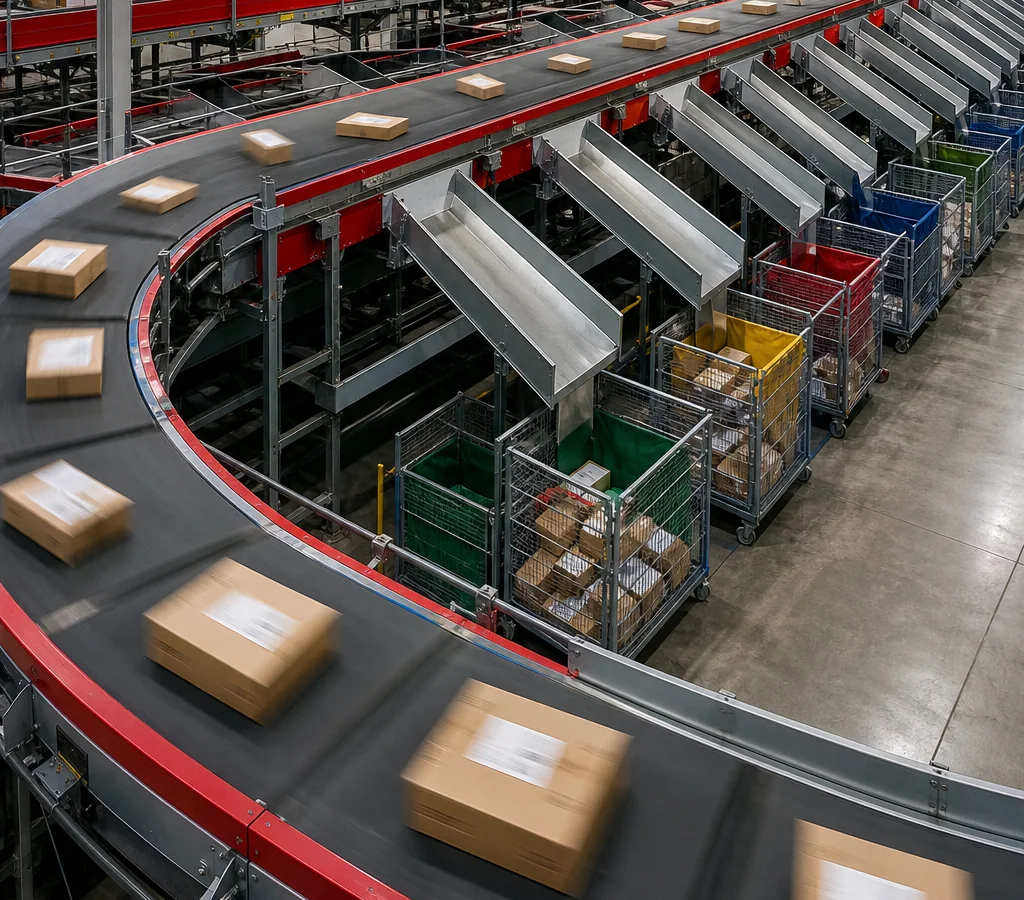
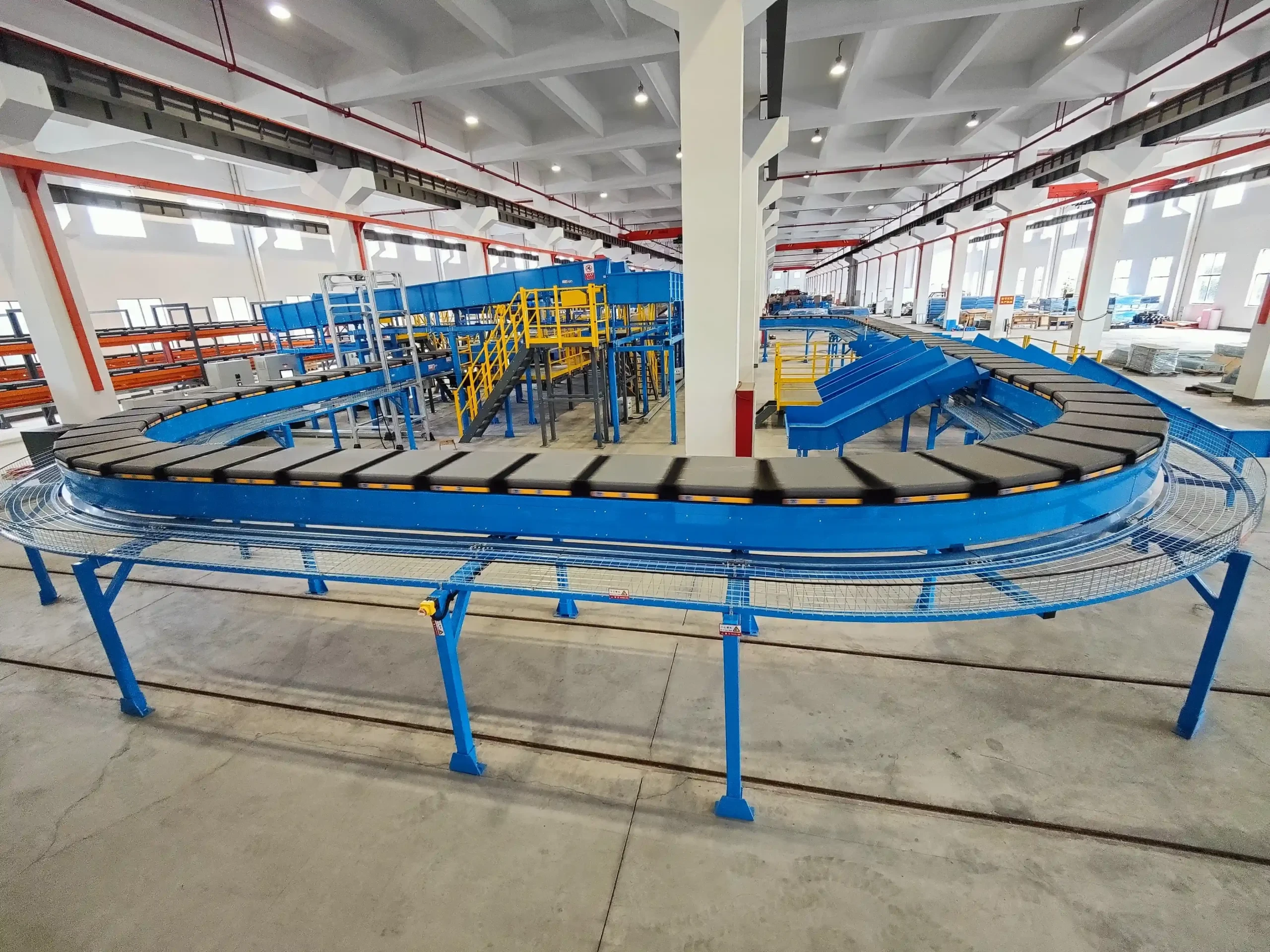
A: A cross-belt sorter is a continuous loop designed for extremely high-volume sorting (often routing items directly to shipping bays). A put wall is specifically designed for order consolidation—holding items in temporary storage (cubbies) until all pieces of a single multi-line order are gathered together before packing.
Q: How many orders can an automated put wall handle per hour?
A: While a manual put wall is limited by human walking speed (typically 300-500 items per hour per operator), a fully automated 3D put wall system can process between 1,500 and 3,000+ items per hour, depending on the number of induction stations and robot carriers.
Q: Is a put-to-light picking system hard to train staff on?
A: No. One of the main advantages of a put-to-light system is its “visually guided” nature. Training time is reduced from days to mere hours, as temporary or seasonal workers simply need to “scan the barcode and follow the light.”
6. Conclusion: Mastering Your Fulfillment Strategy
Optimizing your e-commerce fulfillment operations is no longer optional; it is the key to maintaining profitability. By implementing a sophisticated put wall—whether manual put-to-light or a fully automated robotic system—you solve the complex puzzle of multi-line warehouse order consolidation, boosting your accuracy to 99.9% while slashing labor costs.
Ready to evolve your picking system? The engineering team at Truelisort is here to help. We specialize in designing state-of-the-art automated fulfillment technologies tailored to your exact warehouse layout.

Truelisort Fulfillment Solutions
Your global partner in advanced put wall technology and high-speed parcel sortation systems.
✉️ Email: business@truelisort.com |
📱 WhatsApp: +86 18658557670
🔗 Follow us on: LinkedIn | YouTube | Facebook