
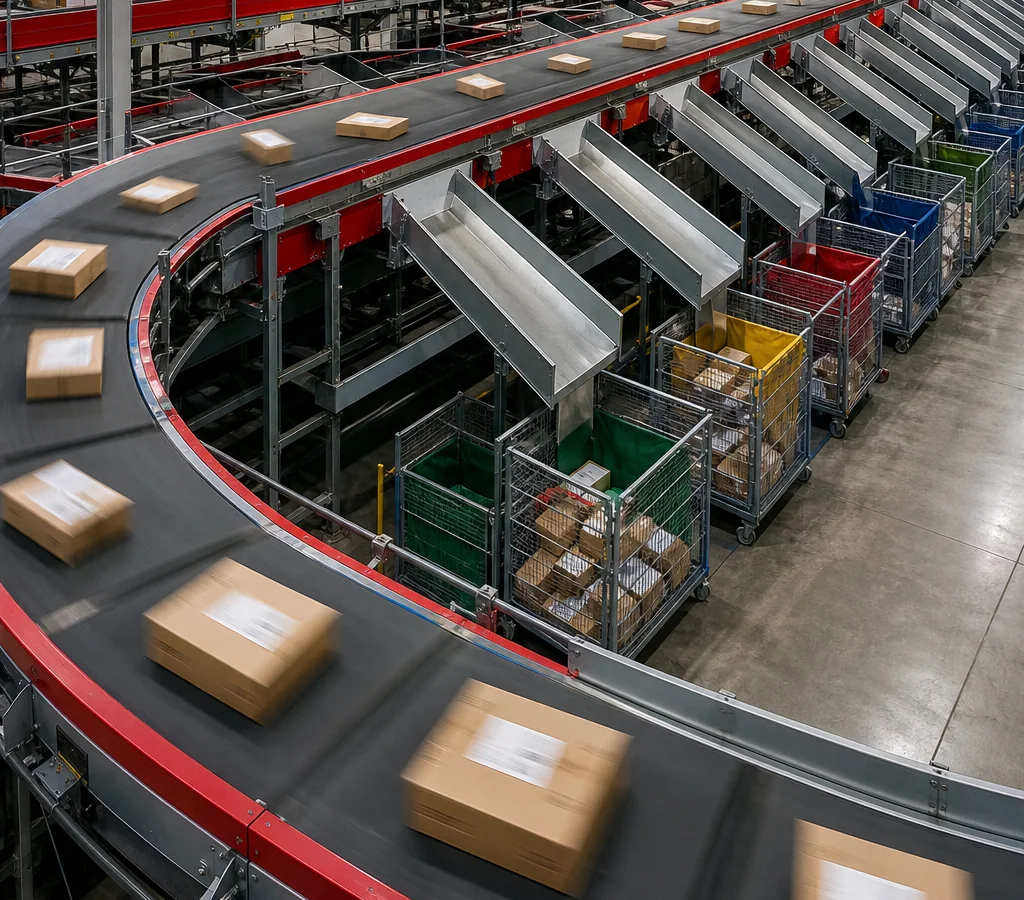
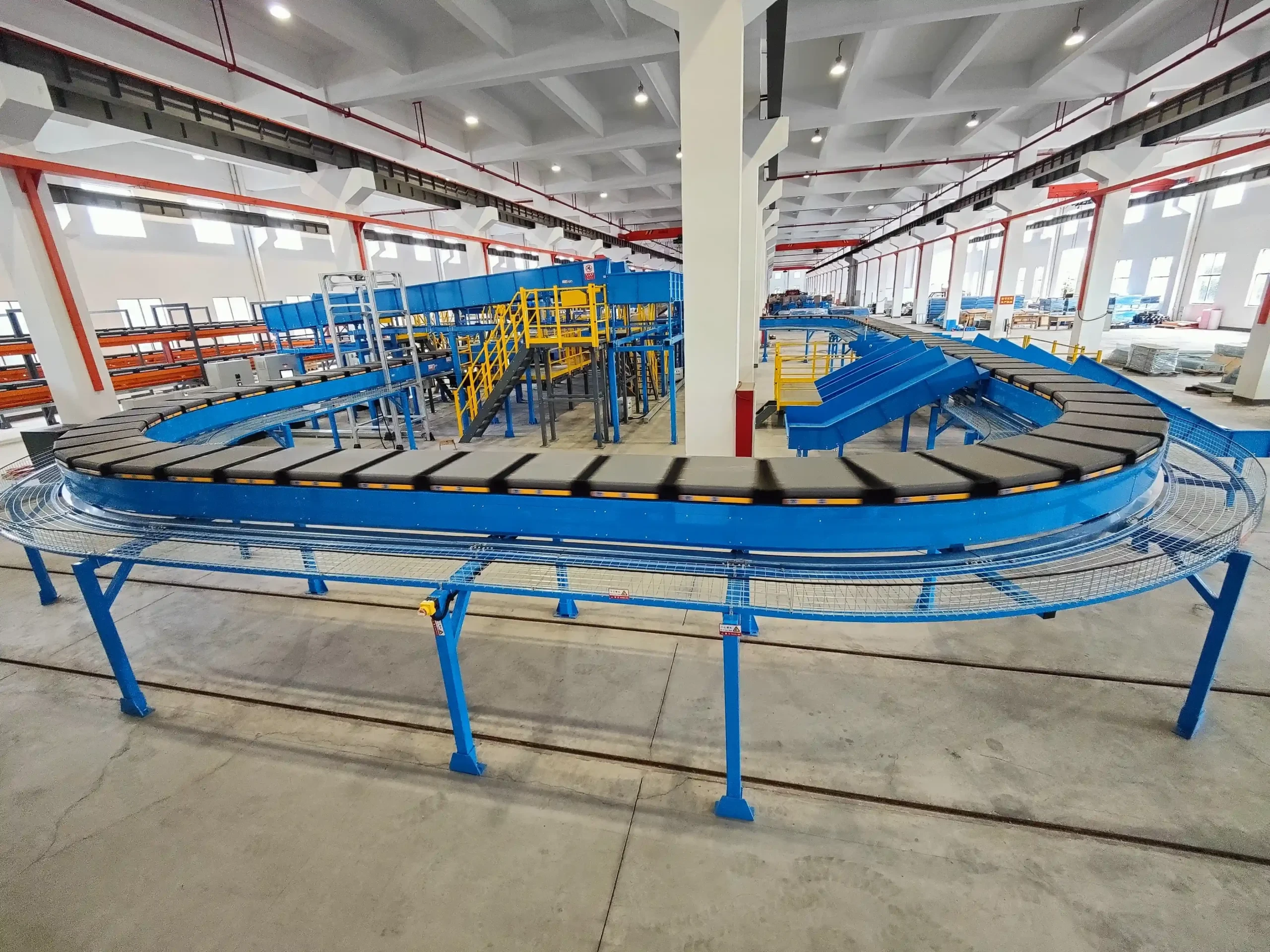
Every high-speed warehouse or distribution center runs on precision. Packages, parcels, and products flow through elaborate networks of conveyors, scanners, and automated sorters at astonishing speeds. Amid this orchestrated chaos, the cross-belt sorter stands as a vital player—moving items with accuracy, speed, and care.
But like any sophisticated system, cross-belt sorters require careful attention to keep performing at their peak. Enter the maintenance team, often described as the “general practitioners” of the sorting line. These professionals don’t just repair broken components—they monitor the health of the system, anticipate issues, and fine-tune operations to prevent downtime.
This guide offers an in-depth look at daily maintenance practices for cross-belt sorters. Think of it as a practical handbook for operators, technicians, and anyone involved in ensuring the smooth functioning of a high-speed sorting line. From inspections to troubleshooting tips, we’ll cover everything you need to know to keep your “sorting doctor” on duty.
Understanding the Role of Daily Maintenance
Maintenance is not just a reactive process. Daily checks are the lifeline of cross-belt systems, keeping minor issues from turning into major failures. Just as a general practitioner monitors a patient’s vital signs, maintenance technicians monitor key indicators of system health:
- Conveyor belt tension and alignment
- Carrier unit performance
- Drive system efficiency
- Sensor accuracy
- Unusual noise or vibration
- Cleanliness and debris buildup
Daily attention ensures high throughput, accurate sorting, and minimized downtime.
Starting the Day: Pre-Shift Inspections
Every day, before the sorter goes live, a series of inspections helps catch issues early.
Belt Conditions
Inspect all cross-belts for signs of wear or damage:
- Fraying edges
- Cracks or splits
- Uneven surface wear
Damaged belts can cause jams, misalignments, and missorts. Early detection prevents small problems from escalating.
Carrier Units
Each carrier is a tiny conveyor within the larger system. Key checks include:
- Proper alignment on the track
- Smooth rolling of rollers
- Absence of loosened fasteners
- Secure attachment of mini-belts
Carriers that don’t operate smoothly can disrupt flow and damage packages.
Drive Motors and Gearboxes
Before powering the system:
- Listen for unusual sounds in motors or gearboxes
- Check for excessive heat
- Inspect couplings and chains for tension and alignment
A proactive check can avoid costly mechanical failures during peak operation.
Sensors and Scanners
Sensors are the system’s eyes and ears. Daily maintenance includes:
- Cleaning lenses and surfaces
- Verifying proper alignment
- Checking indicator lights for errors
Accurate sensors are critical for precise sorting and avoiding misroutes.
Mid-Shift Checks: Keeping the Pulse
Even while the system is running, operators can perform quick checks:
- Observe package flow for smooth transitions
- Listen for new or unusual noises
- Monitor system readouts for error codes
- Watch for jam-prone areas or recirculation loops
These observations help identify problems early and allow technicians to intervene before full stoppage occurs.
Common Daily Maintenance Tasks
Here’s a breakdown of practical, hands-on tasks performed daily.
Cleaning and Debris Removal
- Remove packaging fragments, dust, or foreign objects from tracks and carriers
- Pay attention to rollers, belts, and sensor areas
- Use compressed air or vacuum equipment for hard-to-reach places
A clean system reduces friction, wear, and sensor errors.
Lubrication
- Apply appropriate lubricants to bearings, rollers, and pivot points
- Avoid over-lubrication, which can attract dirt and create slippage
- Ensure uniform application across all moving parts
Regular lubrication prevents mechanical strain and extends component life.
Fastener Checks
- Inspect bolts, nuts, and mounting brackets for tightness
- Retorque any loose components
- Replace damaged fasteners immediately
Vibration in high-speed systems can loosen hardware, creating operational hazards.
Minor Adjustments
- Track alignment: Ensure carriers move smoothly without drift
- Belt tension: Adjust mini-belts for even, smooth operation
- Sensor recalibration: Correct alignment or sensitivity as needed
Small adjustments keep the system operating like clockwork.
Troubleshooting Common Daily Issues
Even with meticulous maintenance, issues arise. Daily maintenance notes often include troubleshooting tips:
Misaligned Carriers
- Symptoms: Skewed belts, package bumps, irregular movement
- Causes: Loose bearings, bent frames, uneven track wear
- Solutions: Adjust track alignment, replace worn components, check tension
Belt Slippage
- Symptoms: Items don’t discharge properly, irregular carrier motion
- Causes: Worn belts, incorrect tension, insufficient friction
- Solutions: Re-tension belts, replace worn surfaces, clean contact points
Sensor Malfunctions
- Symptoms: Missorts, unrecognized packages
- Causes: Dirty lenses, misalignment, damaged wiring
- Solutions: Clean lenses, realign sensors, inspect wiring connections
Noise and Vibration
- Symptoms: Unusual rattling, grinding, or humming
- Causes: Loose fasteners, bearing wear, misaligned drive components
- Solutions: Tighten hardware, replace bearings, realign drives
Documenting Daily Observations
Just as a doctor keeps patient charts, maintenance staff maintain logs of system performance:
- Record belt wear levels
- Note unusual noises or vibrations
- Log sensor errors and interventions
- Track package misroutes
- Record adjustments and minor repairs
Consistent documentation allows trends to be spotted early, guiding preventive actions and future upgrades.
Training and Communication
Daily maintenance also involves coordination with operators:
- Share observations during shift handovers
- Train new operators to spot early warning signs
- Conduct quick review meetings to prioritize interventions
Clear communication ensures problems are caught quickly and fixes are implemented efficiently.
Safety First
Cross-belt sorters are fast-moving, heavy machinery. Safety procedures during maintenance are essential:
- Lockout/tagout before hands-on work
- Wear protective gloves, glasses, and appropriate footwear
- Avoid placing hands near moving belts or rollers
- Follow manufacturer safety guidelines at all times
Safety ensures maintenance work does not create additional hazards.
Continuous Improvement
Daily maintenance is not just about keeping the system running—it’s an opportunity to improve operations:
- Identify recurring issues and implement long-term fixes
- Suggest upgrades to tracks, carriers, or sensors
- Monitor system KPIs such as throughput, sort accuracy, and downtime
- Refine maintenance schedules based on operational patterns
Over time, daily care translates into smoother operation, reduced emergency repairs, and longer system lifespan.
The Human Factor: The “General Practitioner” Mindset
What sets successful maintenance teams apart is their mindset. Daily maintenance is more than tasks—it’s a way of thinking:
- Anticipate problems before they appear
- Understand the interconnection of components
- Balance preventive work with operational efficiency
- Treat the sorting line as a living system requiring constant observation
The maintenance technician becomes a trusted guardian, ensuring that the cross-belt sorter delivers performance day after day.
Tools of the Trade
Daily maintenance requires specialized tools:
- Torque wrenches for precise fastening
- Alignment lasers or straightedges
- Lubrication applicators for bearings and rollers
- Cleaning brushes and compressed air
- Multimeters for electrical checks
Proper tools improve efficiency and safety.
Daily Maintenance Checklist Example
Here’s a practical checklist for operators and technicians:
- Inspect all cross-belts for wear or damage
- Check carrier alignment and smooth operation
- Listen for unusual noises from motors or gearboxes
- Clean tracks, belts, and sensors
- Apply lubrication where needed
- Verify fastener tightness
- Recalibrate sensors as necessary
- Record observations in the maintenance log
- Communicate any issues during shift handovers
- Ensure all safety protocols are followed
Consistency in following this checklist prevents small issues from becoming operational bottlenecks.
Conclusion
Cross-belt sorters are the unsung heroes of modern logistics, handling thousands of items per hour with remarkable accuracy. But their performance relies on the daily dedication of maintenance teams—the “general practitioners” of the sorting line.
Daily inspections, careful lubrication, sensor cleaning, alignment checks, and thorough documentation ensure that the system operates at peak efficiency while preventing costly downtime. Over time, these small, routine actions compound into major benefits: higher throughput, fewer errors, and longer equipment life.
By treating the cross-belt sorter as a living system and approaching maintenance with attentiveness, curiosity, and discipline, operators ensure that this vital piece of industrial machinery continues to perform flawlessly. In the world of high-speed sorting, daily maintenance isn’t just a task—it’s an art.
This guide serves as both a practical handbook and a professional reference, showing that with diligent care, even the most complex sorting systems can operate smoothly and efficiently, day after day.