
Introduction: Why Cross-Belt Maintenance Is the Lifeline of Smart Warehousing
Modern warehousing has undergone a remarkable transformation. As e-commerce continues to expand, customer expectations for faster deliveries, greater accuracy, and real-time visibility have pushed logistics operations toward unprecedented levels of automation.
At the center of many high-performance fulfillment centers lies a critical piece of equipment: the cross-belt sorter.
Often referred to as the backbone of automated sorting systems, cross-belt sorters enable warehouses to process thousands of parcels, cartons, polybags, and products every hour with exceptional speed and precision. They are instrumental in helping businesses meet demanding order fulfillment requirements while reducing labor dependency.
However, even the most advanced sorting system is only as reliable as its maintenance program.
A neglected cross-belt sorter can quickly become a bottleneck that affects productivity, increases downtime, raises operational costs, and jeopardizes customer satisfaction.
In many ways, maintenance acts as a “cardiotonic” for smart warehousing—it keeps the heart of the operation beating efficiently.
This comprehensive guide explores everything warehouse managers, maintenance teams, and logistics operators need to know about cross-belt sorter maintenance, including common failure points, preventive maintenance strategies, troubleshooting methods, and best practices for maximizing equipment lifespan.
Understanding Cross-Belt Sorter Systems
Before discussing maintenance, it is important to understand how cross-belt sorting systems work.
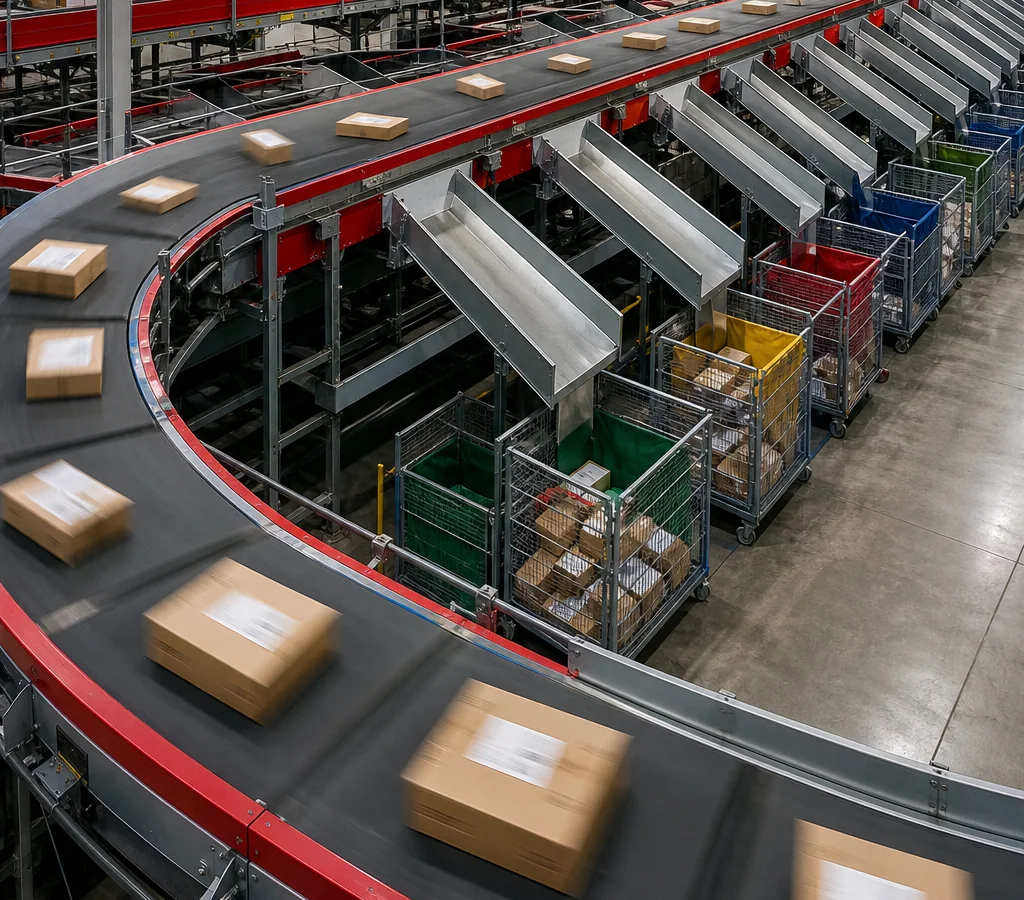
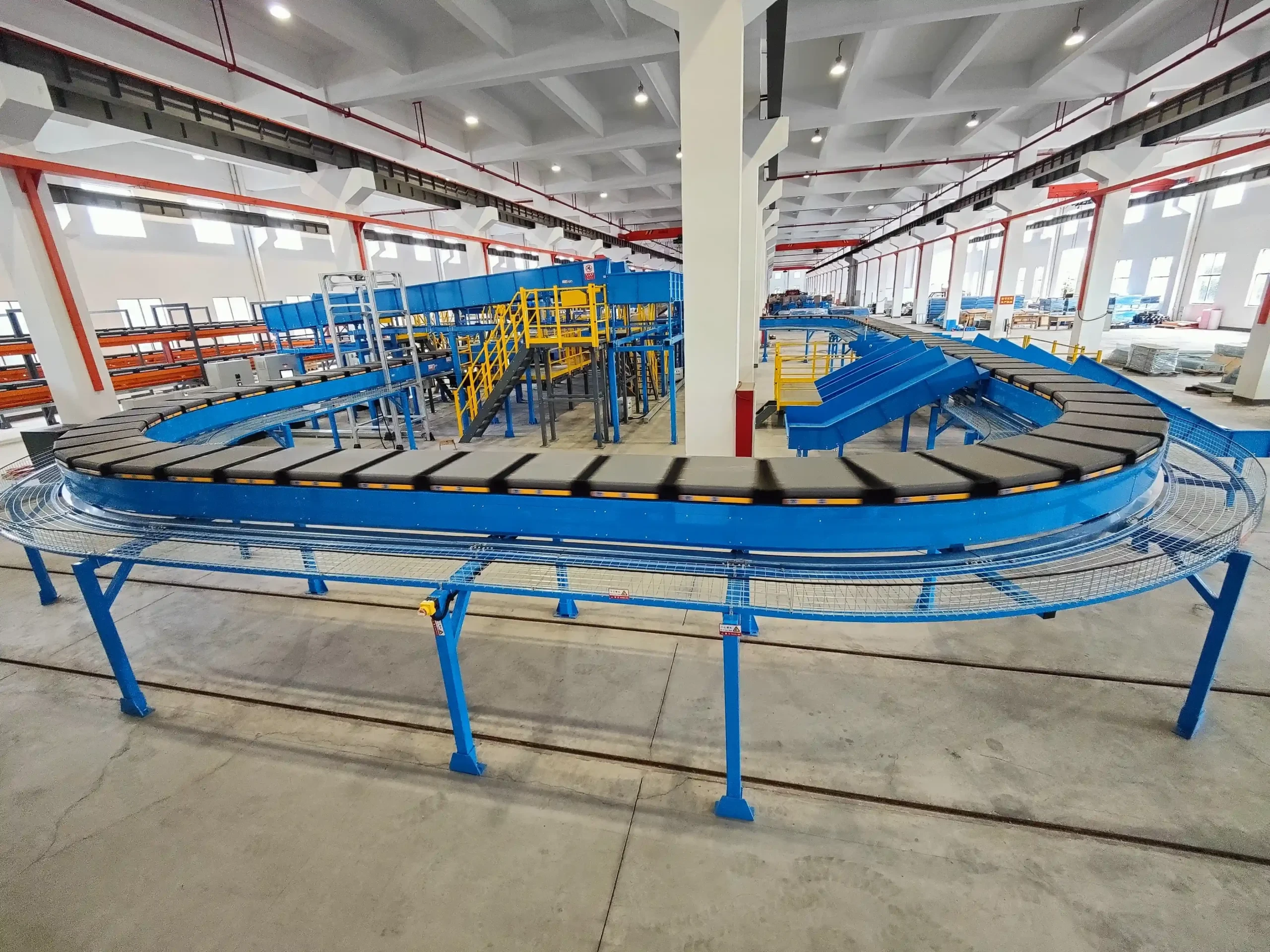
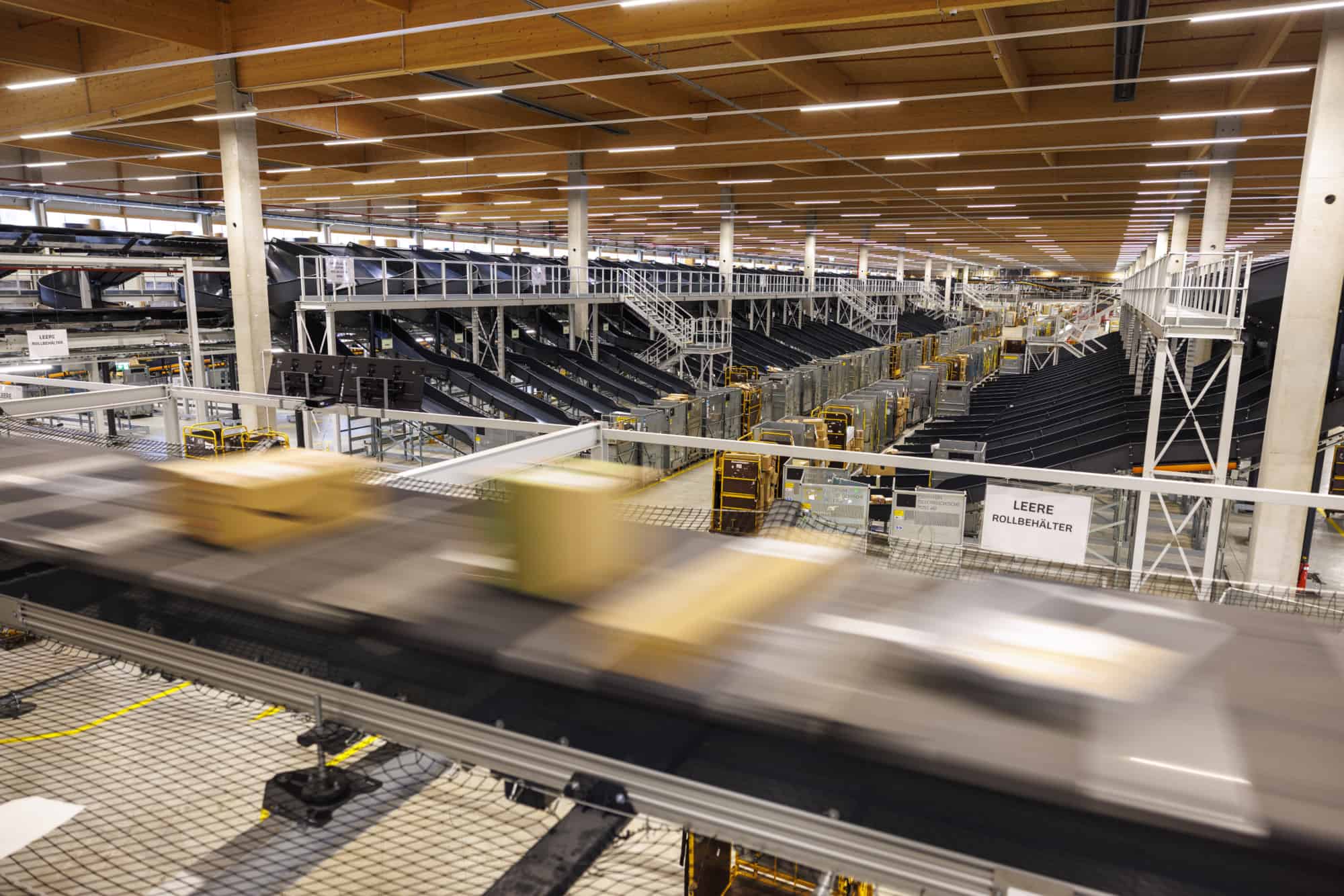
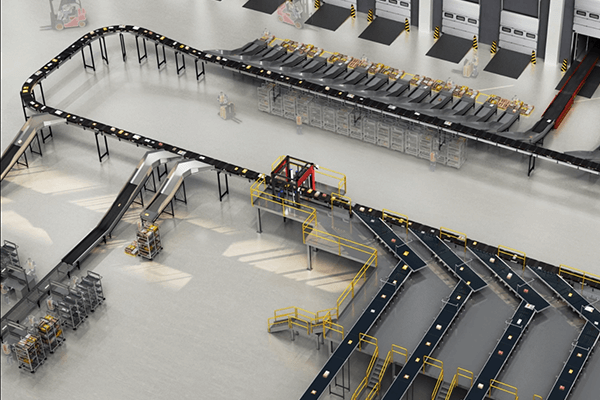
A cross-belt sorter consists of multiple carrier units moving along a continuous track. Each carrier contains a small conveyor belt mounted perpendicular to the travel direction.
When products reach their designated destination, the belt transfers the item into a chute, container, pallet position, or outbound lane.
This design offers several advantages:
- High sorting accuracy
- Gentle product handling
- High throughput capacity
- Flexibility for multiple product types
- Scalability for warehouse expansion
Cross-belt sorters are commonly used in:
- E-commerce fulfillment centers
- Parcel distribution hubs
- Retail distribution centers
- Pharmaceutical logistics facilities
- Apparel warehouses
- Third-party logistics operations
- Postal sorting facilities
Because these systems often operate around the clock, maintenance becomes essential for maintaining peak performance.
Why Cross-Belt Maintenance Matters
Many warehouse operators focus heavily on acquisition costs but underestimate maintenance’s impact on long-term operational success.
Proper maintenance provides benefits such as:
Reduced Downtime
Unexpected failures can halt entire sorting operations.
Routine maintenance helps identify issues before they develop into major breakdowns.
Higher Sorting Accuracy
Misaligned components and worn parts can reduce sorting precision.
Regular inspections ensure packages reach the correct destination.
Lower Operating Costs
Emergency repairs are typically more expensive than preventive maintenance.
Planned maintenance minimizes costly disruptions.
Extended Equipment Lifespan
Well-maintained sorters often operate effectively for many years beyond their expected service life.
Improved Workplace Safety
Mechanical failures can create hazards for operators and maintenance personnel.
Routine inspections help maintain safe working conditions.
The Most Common Cross-Belt Sorter Failure Points
Understanding where problems typically occur helps maintenance teams focus their efforts.
Cross Belts
The belts themselves are among the most heavily used components.
Over time they may experience:
- Surface wear
- Cracking
- Stretching
- Edge damage
- Material fatigue
A damaged belt can affect sorting accuracy and throughput.
Signs of belt deterioration include:
- Slipping products
- Uneven movement
- Visible surface damage
- Reduced transfer efficiency
Bearings
Bearings support rotating components throughout the sorter.
Continuous operation causes gradual wear.
Common bearing issues include:
- Excessive vibration
- Increased noise
- Heat generation
- Lubrication failure
Ignoring bearing problems often leads to more extensive mechanical damage.
Drive Motors
Motors provide the power necessary for system operation.
Potential issues include:
- Overheating
- Electrical faults
- Excessive current draw
- Reduced efficiency
Motor failures can quickly stop production.
Rollers
Rollers guide and support belt movement.
Wear can result in:
- Misalignment
- Belt tracking problems
- Increased friction
- Reduced performance
Routine roller inspections are essential.
Sensors
Modern sorters depend heavily on sensors for tracking and routing products.
Sensor-related problems may include:
- Dirt accumulation
- Misalignment
- Communication errors
- Damaged wiring
Even minor sensor issues can significantly impact sorting accuracy.
Electrical Connections
Warehouses often experience vibration, dust, and temperature fluctuations.
These conditions may contribute to:
- Loose terminals
- Corroded connectors
- Cable wear
- Signal interruptions
Electrical inspections should be part of every maintenance program.
Building an Effective Preventive Maintenance Strategy
Preventive maintenance remains the most effective approach for maximizing sorter reliability.
Rather than waiting for failures to occur, maintenance teams proactively address potential problems.
Daily Inspections
Daily checks help identify emerging issues before they escalate.
Tasks may include:
- Visual belt inspections
- Sensor cleanliness checks
- Noise monitoring
- Emergency stop testing
- Product flow observation
These inspections typically require minimal time but deliver significant value.
Weekly Maintenance Tasks
Weekly routines should involve more detailed evaluations.
Examples include:
- Belt tension verification
- Roller inspections
- Fastener checks
- Motor performance monitoring
- Conveyor alignment verification
Documenting findings helps establish maintenance trends.
Monthly Preventive Maintenance
Monthly maintenance activities should be more comprehensive.
Recommended tasks include:
- Lubrication procedures
- Electrical cabinet inspections
- Bearing condition assessments
- Drive component examinations
- Safety system testing
Monthly reviews often reveal wear patterns that daily inspections might miss.
Quarterly System Audits
Quarterly evaluations provide an opportunity for deeper analysis.
Maintenance teams should assess:
- Equipment efficiency
- Wear trends
- Spare parts inventory
- System reliability metrics
- Downtime history
This information supports continuous improvement initiatives.
The Importance of Belt Maintenance
Cross belts are the defining feature of the system and deserve special attention.
Monitoring Belt Wear
Technicians should regularly inspect belts for:
- Surface cracks
- Fraying edges
- Material separation
- Uneven wear
Early replacement prevents unexpected failures.
Maintaining Proper Tension
Incorrect belt tension can cause:
- Slippage
- Premature wear
- Reduced transfer performance
- Increased energy consumption
Following manufacturer specifications is critical.
Cleaning Belt Surfaces
Dust, debris, and packaging residue can accumulate over time.
Regular cleaning helps:
- Improve grip
- Reduce wear
- Enhance product handling
- Maintain efficiency
Sensor Maintenance: Protecting Sorting Accuracy
Sensors are the eyes of the sorter system.
Without reliable sensor performance, even mechanically sound equipment can fail operationally.
Common Sensor Problems
Maintenance teams frequently encounter:
- Dust contamination
- Reflective interference
- Alignment drift
- Wiring damage
Best Practices
To maintain sensor reliability:
- Clean sensors routinely
- Verify alignment regularly
- Inspect wiring connections
- Replace damaged components immediately
Accurate sensor performance directly impacts customer satisfaction.
Lubrication: The Unsung Hero of Reliability
Lubrication often receives less attention than it deserves.
Yet inadequate lubrication is among the leading causes of equipment failure.
Benefits of Proper Lubrication
Effective lubrication helps:
- Reduce friction
- Prevent overheating
- Extend component life
- Lower energy consumption
Avoiding Over-Lubrication
Excess lubricant can attract dust and contaminants.
Following manufacturer recommendations is essential.
Predictive Maintenance: The Future of Smart Warehousing
Traditional maintenance relies on schedules.
Predictive maintenance relies on data.
Modern warehouses increasingly use:
- IoT sensors
- Machine monitoring systems
- Vibration analysis
- Thermal imaging
- AI-driven diagnostics
These technologies identify developing issues before they cause downtime.
Vibration Monitoring
Abnormal vibration often indicates:
- Bearing wear
- Alignment problems
- Mechanical imbalance
Continuous monitoring provides early warning signs.
Temperature Monitoring
Rising temperatures may signal:
- Motor stress
- Lubrication issues
- Electrical faults
Thermal monitoring helps prevent catastrophic failures.
Data Analytics
Advanced analytics can reveal:
- Failure patterns
- Maintenance trends
- Performance bottlenecks
Data-driven decisions improve reliability and efficiency.
Spare Parts Management
Maintenance programs are only as effective as the availability of replacement components.
Essential Spare Parts
Warehouses should maintain inventory for:
- Cross belts
- Bearings
- Sensors
- Motors
- Rollers
- Drive components
- Electrical connectors
Inventory Optimization
Too few spare parts increase downtime risk.
Too many increase storage costs.
Balancing inventory is critical.
Training Maintenance Teams
Technology alone cannot guarantee reliability.
Skilled technicians remain indispensable.
Effective training should cover:
- Mechanical systems
- Electrical troubleshooting
- Sensor calibration
- Safety procedures
- Diagnostic technologies
Well-trained teams identify problems faster and perform repairs more efficiently.
Common Maintenance Mistakes to Avoid
Even experienced facilities occasionally make avoidable errors.
Ignoring Minor Issues
Small problems often grow into major failures.
Addressing issues early reduces costs.
Delaying Belt Replacement
Running worn belts beyond their service life increases operational risk.
Poor Documentation
Without maintenance records, recurring problems become difficult to identify.
Inconsistent Inspection Schedules
Irregular maintenance often results in unexpected breakdowns.
Neglecting Operator Feedback
Operators frequently notice unusual sounds or performance changes before technicians do.
Their observations should be taken seriously.
Measuring Maintenance Success
Effective maintenance programs rely on measurable outcomes.
Key performance indicators may include:
Equipment Availability
Higher availability means more productive warehouse operations.
Mean Time Between Failures (MTBF)
Increasing MTBF indicates improving reliability.
Mean Time to Repair (MTTR)
Lower repair times minimize disruption.
Sorting Accuracy
Maintenance directly influences order accuracy.
Maintenance Cost per Operating Hour
Tracking this metric helps optimize maintenance budgets.
Sustainability Benefits of Proper Maintenance
Maintenance also supports environmental goals.
Well-maintained systems:
- Consume less energy
- Generate less waste
- Require fewer replacement components
- Operate more efficiently
Sustainability and reliability often go hand in hand.
The Role of Maintenance in Warehouse Competitiveness
In today’s logistics environment, customers expect:
- Faster deliveries
- Accurate orders
- Real-time tracking
- Consistent service
A poorly maintained sorter threatens all these objectives.
Conversely, a reliable cross-belt system enables:
- Higher throughput
- Better customer experiences
- Lower operating costs
- Stronger competitive positioning
Maintenance is no longer simply a support function—it has become a strategic business advantage.
Conclusion: Keeping the Heart of Smart Warehousing Strong
Cross-belt sorters have become one of the most important technologies in modern logistics and fulfillment operations. Their ability to process massive volumes of products with speed and accuracy makes them indispensable for smart warehouses.
However, even the most sophisticated sorting system cannot perform effectively without a comprehensive maintenance strategy.
From routine inspections and lubrication programs to predictive analytics and spare parts management, every maintenance activity contributes to operational excellence. Preventive maintenance reduces downtime, improves accuracy, extends equipment lifespan, and protects the substantial investments organizations make in automation.
As warehouses continue to evolve toward greater intelligence and connectivity, maintenance will play an increasingly critical role. Businesses that prioritize cross-belt sorter care will enjoy stronger productivity, higher reliability, and greater resilience in an increasingly competitive logistics landscape.
In the world of smart warehousing, cross-belt maintenance is far more than a technical requirement—it is the heartbeat that keeps the entire operation moving forward.