

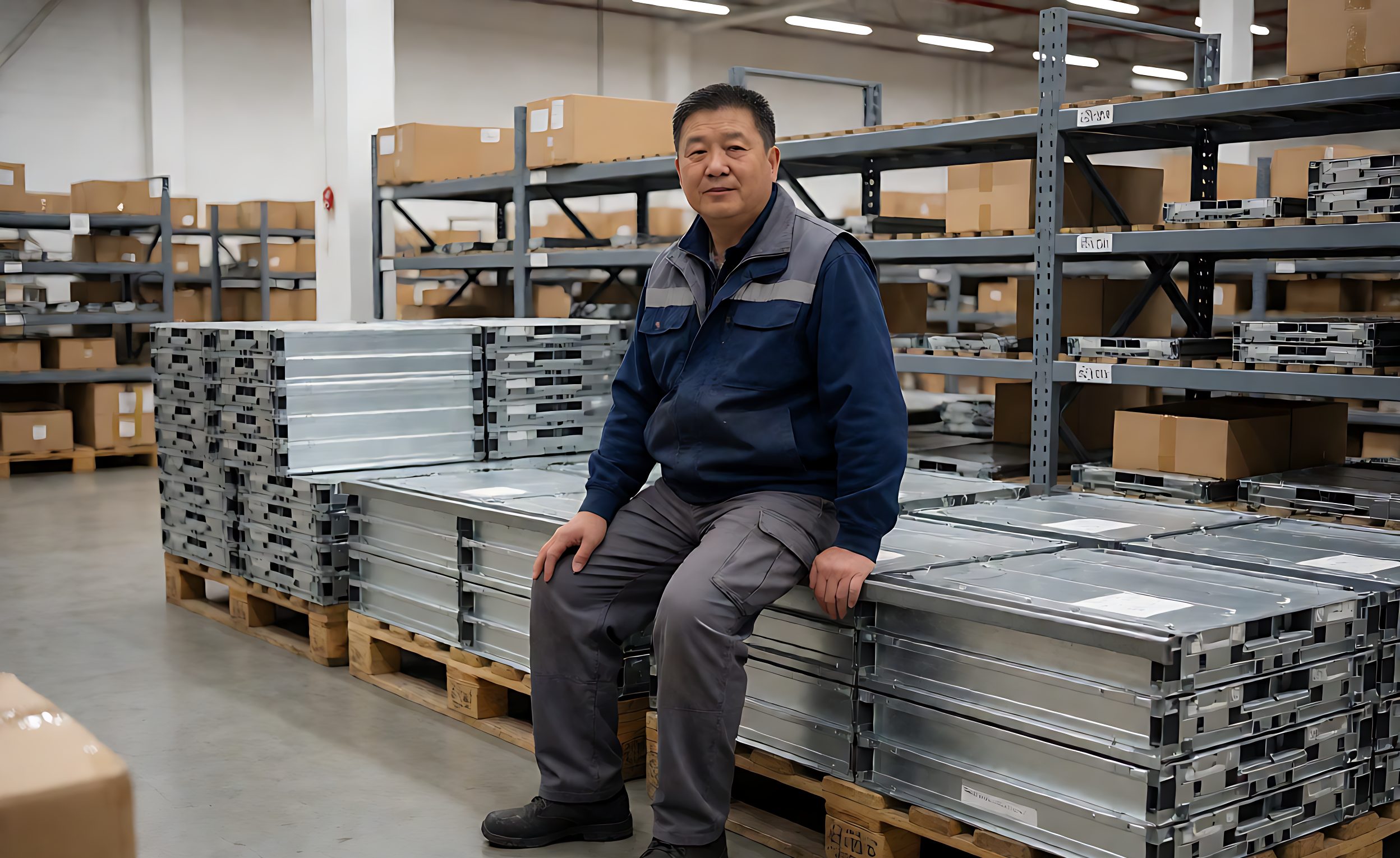

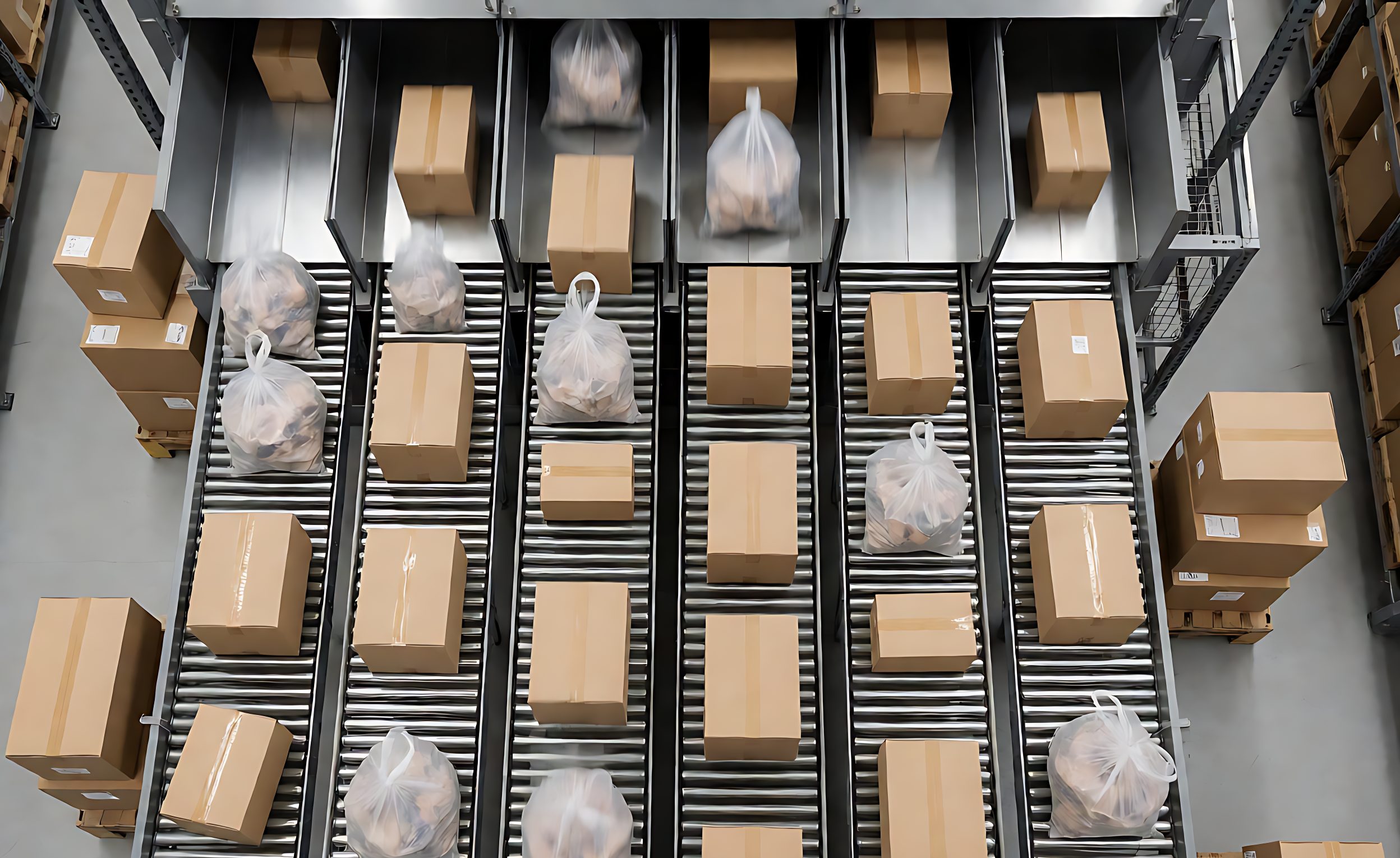
Every day, warehouses face the same challenges: increasing parcel volumes, higher customer expectations, and pressure to cut costs. Manual operations can no longer keep up. That’s where TRUELISORT comes in. Our intelligent automation systems are designed to sort, scan, and move parcels with unmatched speed and accuracy. No matter the size, weight, or complexity, TRUELISORT ensures every package finds the right path. We don’t just sell machines — we deliver solutions. From e-commerce to retail, TRUELISORT helps businesses work smarter, faster, and greener. With global service and local support, we make automation easy to adopt and reliable to run. TRUELISORT means less effort, fewer errors, and more efficiency — the future of logistics, today.
The Four Challenges Operators Raise Most
After enough project reviews, the same four challenges appear in almost every logistics operation — each with a known engineering answer:
Peak surges
Double-11-style days multiply volume 5–10× within hours. The answer is not a bigger sorter but a rated peak factor plus surge protocols: staggered carrier cut-offs, pre-sorted lanes, and induction staffing plans rehearsed in advance.
Labor availability
Sorting lines concentrate the hardest hiring problem — repetitive, standing, night work. Automation here is not headcount ideology; it is access to a labor pool that no longer exists at the wage offered.
Damage claims
Every transfer point is a risk. Gentle-handling design — controlled drops, short chutes, soft-landing outlets — shows up directly in claims data.
Visibility
“Where is parcel 88231?” must be answerable in seconds, which means scan events flow to the WMS in real time, not in nightly batches.
Deep dives: peak handling in transit-hub surge operations; the labor angle in automation and the labor shortage. Context: reverse logistics and peak season logistics.
A 90-Day Turnaround Pattern That Repeats
Challenge-to-solution stories tend to follow the same arc. A condensed version of the pattern that works:
| Phase | Weeks | What happens |
|---|---|---|
| Profile study | 1–2 | Parcel mix, peak factors, destination counts recorded from real data |
| Line design | 3–6 | Layout, induct count, outlet plan agreed against the profile |
| Build & integrate | 7–10 | Machine installed; WMS handshakes tested with live scans |
| Trial & training | 11–12 | Sustained-rate runs, operator certification, acceptance signed |
| Peak rehearsal | 13 | Full-volume dry run before the first real surge |
Two details make or break the arc. The profile study must use the operation’s own data — a generic “e-commerce average” sizes induct wrong by a factor of two, and every later phase inherits the error. And the peak rehearsal is non-negotiable: the first full-volume day should happen with the integrator’s engineers still on site, not during the season that justified the purchase. Operations that compress the arc by skipping phases do not save three weeks; they lend three weeks to December and pay interest all year.
What the First Month After Go-Live Looks Like
Honest solution stories include the month after the ribbon. Expect three things. First, induct discipline wobbles — operators revert to old habits, and the read-rate graph shows it; the fix is coaching at the induct, not software. Second, exceptions spike as unusual parcels meet the sorter for the first time — the destination master data needs a fortnight of small corrections. Third, the maintenance rhythm establishes itself: daily walk-downs, weekly checks, and the first consumable orders that reveal whether the spares basket was sized correctly. Operations that plan for this settling-in period — a supervisor dedicated to the line for two weeks, a daily 15-minute review — turn the first month into steady state. Operations that declare victory on day one meet their first peak season unprepared.