
In today’s fast-paced logistics and e-commerce environment, operational efficiency is no longer a competitive advantage—it is a necessity. Distribution centers, fulfillment warehouses, parcel hubs, and manufacturing facilities depend heavily on automated sorting systems to process thousands or even millions of items every day. Among these systems, the cross-belt sorter has become one of the most reliable and versatile technologies for handling products of various shapes, sizes, and weights.
However, investing in a high-performance cross-belt sorting system is only the beginning. The real challenge lies in maintaining long-term reliability while minimizing downtime. Every minute of unexpected stoppage can result in delayed shipments, dissatisfied customers, labor inefficiencies, and significant financial losses.
So what separates a cross-belt sorter that performs reliably for fifteen years from one that experiences frequent failures after only a few years? The answer lies in a combination of engineering excellence, preventive maintenance, operational discipline, and intelligent monitoring.
This article explores the key factors that contribute to the longevity of cross-belt sorters and reveals the best practices that help operators achieve near-zero downtime performance.
Understanding the Importance of Cross-Belt Sorter Longevity
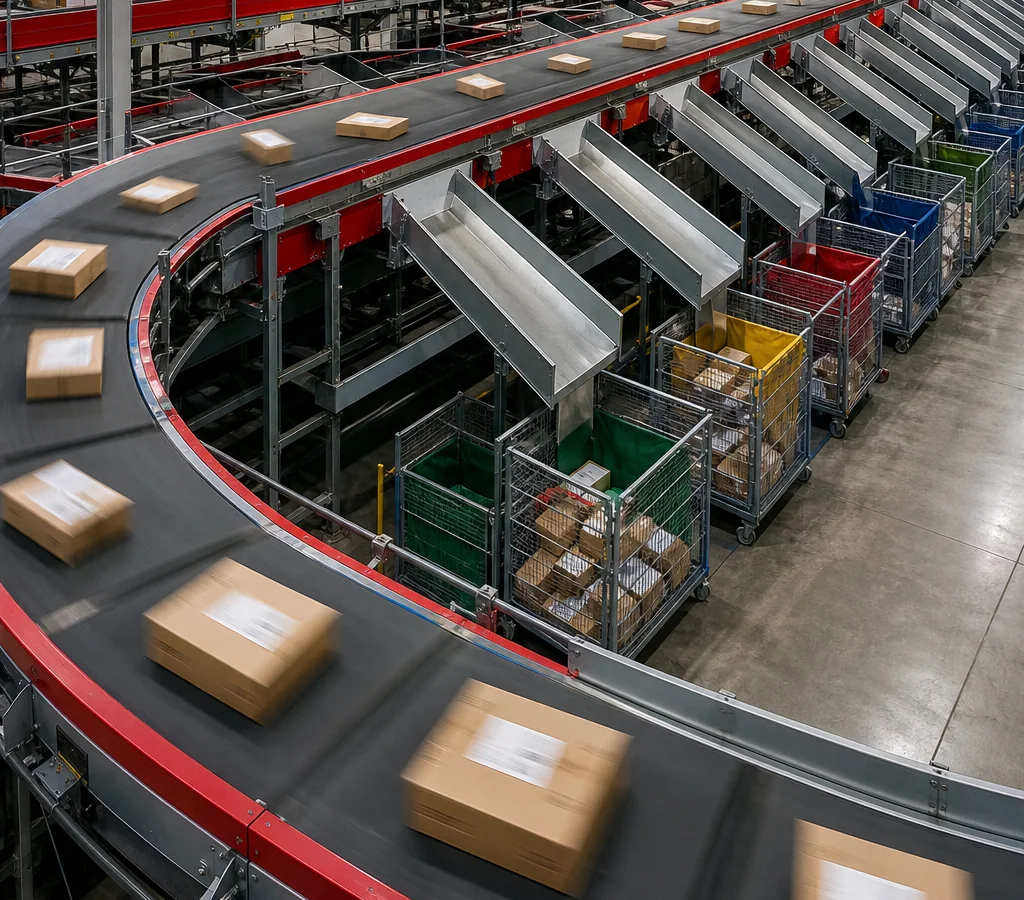
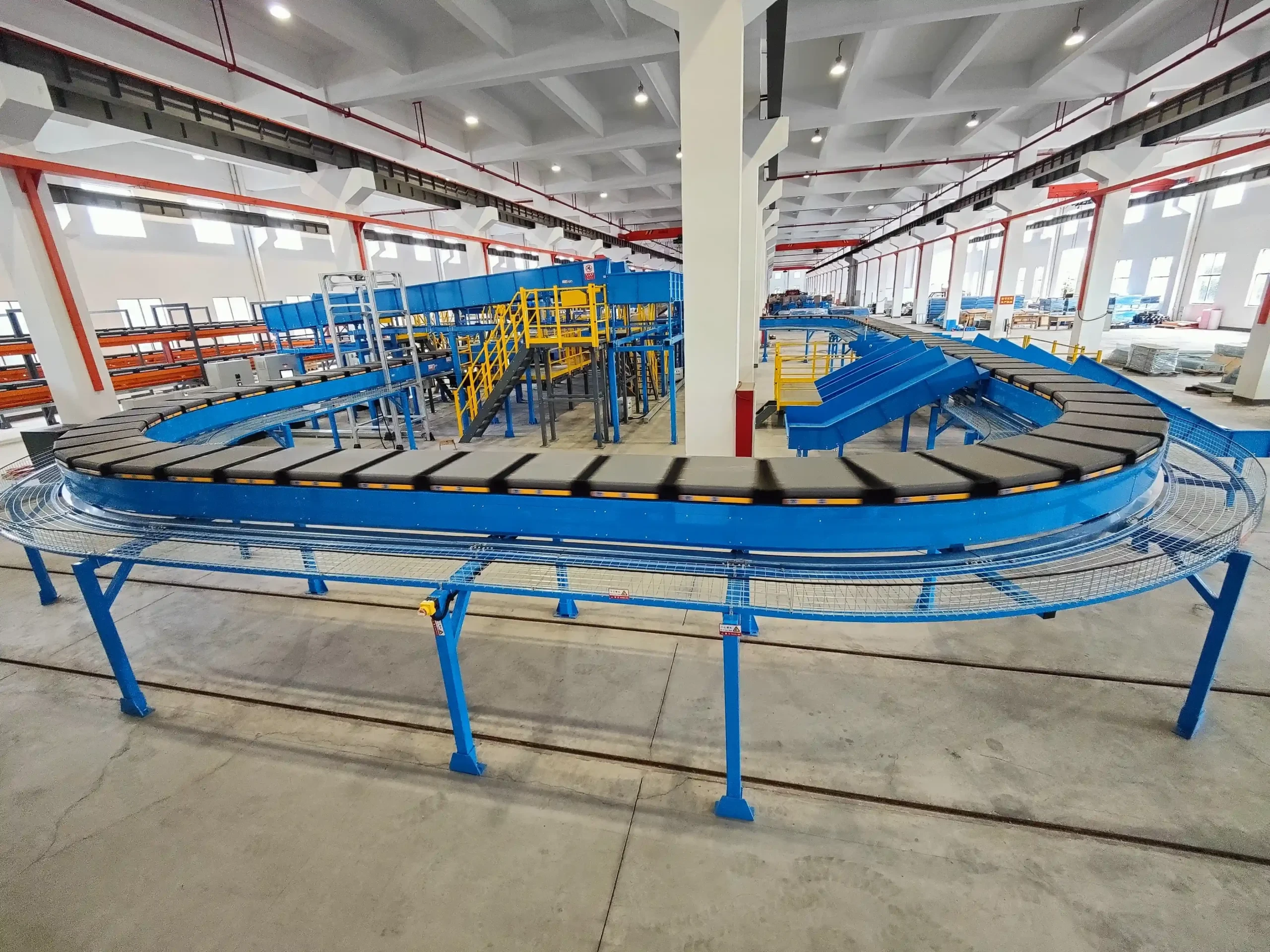
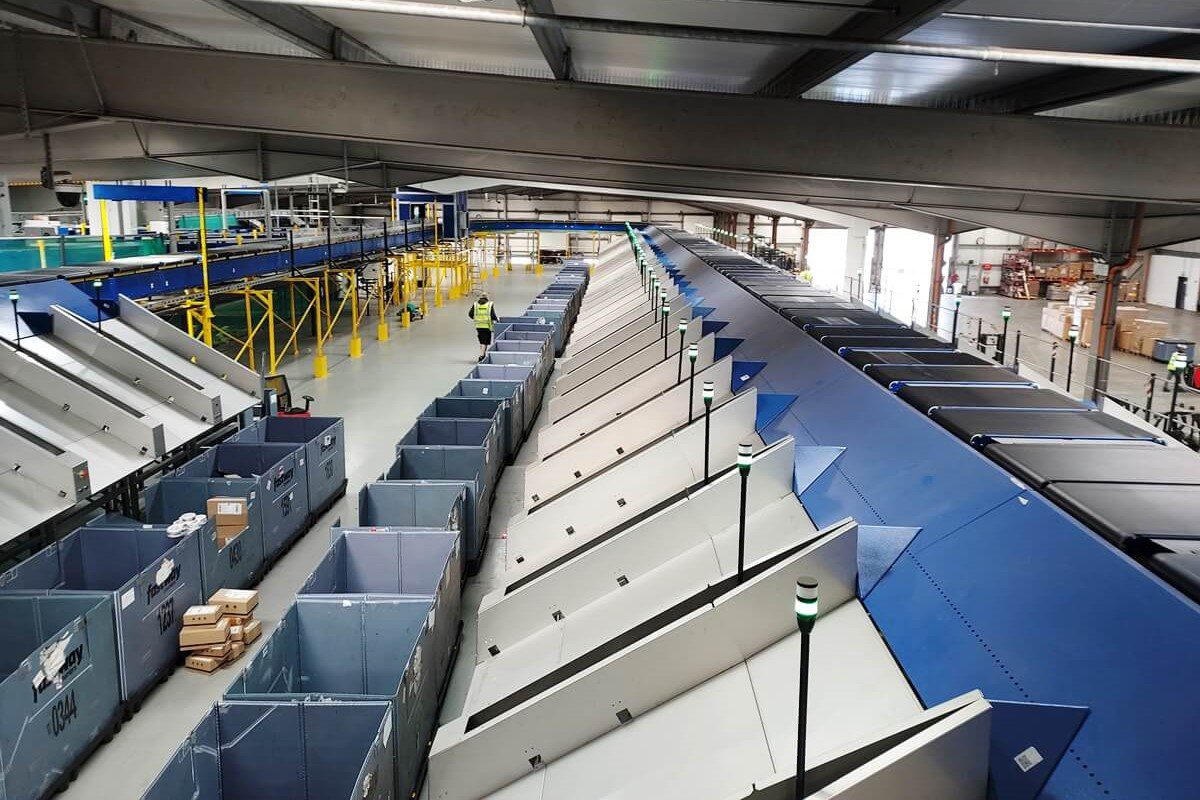
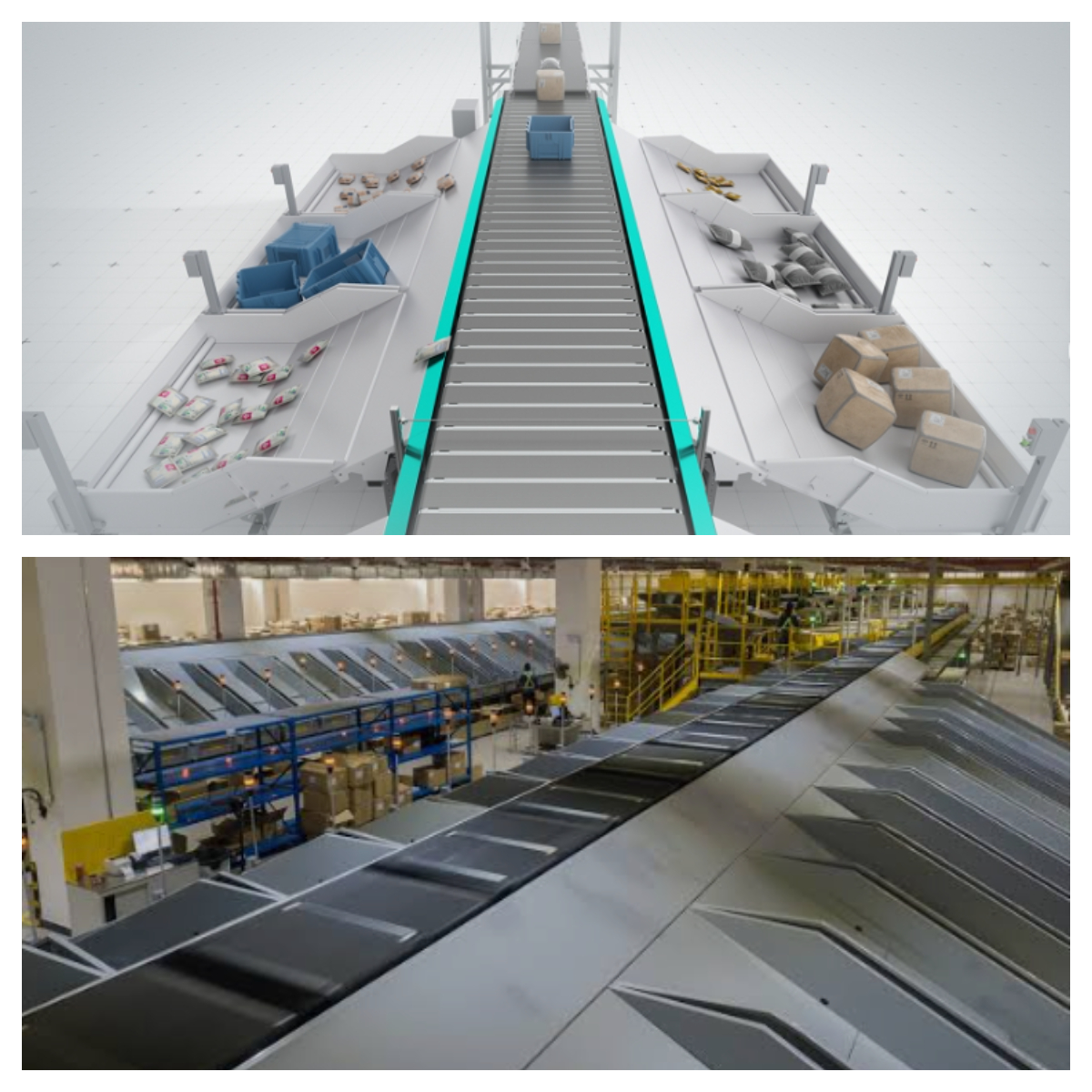
A cross-belt sorter is designed to move products rapidly and accurately across a conveyor loop. Each carrier is equipped with a small belt capable of transferring items to designated chutes or destinations.
Because these systems often operate continuously for 16 to 24 hours a day, they are exposed to constant mechanical stress. Components such as motors, bearings, belts, wheels, sensors, and control systems experience ongoing wear and tear.
The lifespan of a cross-belt sorter directly impacts:
- Warehouse productivity
- Throughput capacity
- Maintenance expenses
- Return on investment
- Customer satisfaction
- Operational reliability
A sorter that consistently performs without interruption can significantly reduce maintenance costs while maximizing output over its lifetime.
Secret #1: Start with High-Quality Engineering and Design
Long-term reliability begins before the equipment is even installed.
The best cross-belt sorting systems are designed with durability as a primary objective. Manufacturers that focus on lifecycle performance carefully select materials, components, and structural designs that can withstand years of intensive operation.
Robust Frame Construction
The sorter frame acts as the foundation of the entire system.
High-strength steel structures reduce vibration, improve stability, and prevent deformation over time. Poorly designed frames may develop alignment issues that accelerate wear on moving parts.
Precision Manufacturing
Small manufacturing tolerances can have a major impact on system performance.
Precision-machined components ensure:
- Accurate carrier movement
- Reduced friction
- Consistent tracking
- Lower energy consumption
When every component fits perfectly, the sorter experiences less mechanical stress throughout its lifecycle.
Modular Design
Modern cross-belt sorters increasingly utilize modular architectures.
Modular systems allow operators to:
- Replace components quickly
- Upgrade technologies easily
- Reduce repair time
- Minimize production interruptions
The easier a system is to maintain, the longer it tends to remain operational.
Secret #2: Choose Premium Components
Even the best system design cannot compensate for low-quality components.
Many sorter failures originate from seemingly minor parts that experience repeated stress cycles.
High-Performance Bearings
Bearings support countless rotations every day.
Premium bearings provide:
- Lower friction
- Reduced heat generation
- Extended service life
- Improved reliability
Using industrial-grade bearings can dramatically reduce unexpected breakdowns.
Durable Belts
Cross-belts are among the hardest-working components in the system.
Quality belts should offer:
- High abrasion resistance
- Consistent grip
- Minimal stretching
- Resistance to temperature changes
Low-cost belts often deteriorate rapidly, leading to sorting inaccuracies and downtime.
Reliable Motors
Motors drive carrier movement and belt transfers.
Energy-efficient motors with advanced protection features can operate continuously while reducing maintenance requirements.
Investing in quality motors often delivers long-term savings that far exceed the initial purchase cost.
Secret #3: Implement Preventive Maintenance Instead of Reactive Maintenance
One of the biggest mistakes operators make is waiting for equipment to fail before taking action.
Reactive maintenance may seem cost-effective in the short term, but it usually leads to:
- Emergency repairs
- Production disruptions
- Expensive replacement parts
- Increased labor costs
Preventive maintenance takes the opposite approach.
Scheduled Inspections
Routine inspections help identify issues before they become critical.
Technicians should regularly inspect:
- Carrier assemblies
- Belt conditions
- Wheels and rollers
- Sensors
- Electrical connections
- Fasteners
Small problems detected early are significantly cheaper to resolve.
Lubrication Programs
Proper lubrication remains one of the most effective methods for extending equipment life.
Lubrication reduces:
- Friction
- Heat
- Wear
- Energy consumption
Establishing a strict lubrication schedule can prevent numerous mechanical failures.
Replacement Planning
Waiting until a component completely fails is risky.
Instead, operators should track usage cycles and replace wear parts according to manufacturer recommendations.
Predictable replacement schedules help eliminate surprise breakdowns.
Secret #4: Keep the Sorter Clean
Cleanliness plays a larger role in equipment longevity than many operators realize.
Dust, debris, packaging materials, and contaminants can gradually affect system performance.
Dust Accumulation
Dust can interfere with:
- Sensors
- Electrical components
- Cooling systems
- Moving mechanisms
Over time, excessive dust buildup may cause overheating and sensor errors.
Foreign Object Prevention
Small objects such as:
- Zip ties
- Labels
- Plastic film
- Cardboard fragments
can become lodged in mechanical assemblies.
Regular cleaning prevents these materials from damaging critical components.
Daily Housekeeping Procedures
Establishing daily cleaning routines helps maintain optimal operating conditions.
A clean sorter generally experiences:
- Fewer breakdowns
- Higher accuracy
- Longer component life
- Improved safety
Secret #5: Monitor System Performance in Real Time
Modern automation technology has transformed maintenance strategies.
Today’s advanced cross-belt sorters can continuously monitor their own health and performance.
Condition Monitoring
Sensors can track:
- Vibration
- Temperature
- Motor current
- Belt tension
- Bearing conditions
Abnormal readings often indicate developing issues.
Data Analytics
Performance data helps maintenance teams identify trends.
For example:
- Increasing vibration may indicate bearing wear.
- Rising motor temperatures may signal overload conditions.
- Reduced sorting efficiency may suggest belt degradation.
Data-driven decisions allow maintenance to become proactive rather than reactive.
Predictive Maintenance
Predictive maintenance uses real-time information to forecast failures before they occur.
This approach helps operators:
- Reduce downtime
- Optimize maintenance schedules
- Extend equipment lifespan
- Lower maintenance costs
Many leading facilities now view predictive maintenance as essential for achieving near-zero downtime operations.
Secret #6: Train Operators Thoroughly
Even the most advanced sorting equipment depends on human interaction.
Operator mistakes are a surprisingly common source of equipment damage.
Proper Startup Procedures
Incorrect startup sequences can place unnecessary stress on mechanical systems.
Operators should understand:
- System checks
- Safety verification
- Startup protocols
- Alarm responses
Correct Product Handling
Cross-belt sorters are designed for specific item dimensions and weight ranges.
Overloading carriers or introducing unsuitable products can accelerate wear and cause system failures.
Alarm Interpretation
Operators who understand warning signals can respond quickly before small issues become major problems.
Training should be ongoing rather than a one-time event.
Secret #7: Optimize Load Distribution
Uneven loading patterns can create hidden maintenance challenges.
When certain sections of the sorter consistently handle heavier traffic, those areas experience accelerated wear.
Balance Throughput
Warehouse management systems should distribute workloads evenly whenever possible.
Balanced operations help:
- Extend component life
- Reduce localized wear
- Improve system efficiency
Analyze Traffic Patterns
Operational data can reveal high-stress areas within the sorter loop.
Identifying these zones allows maintenance teams to perform targeted inspections and adjustments.
Secret #8: Protect Electrical Systems
Mechanical components often receive the most attention, but electrical systems are equally important.
A single electrical fault can bring an entire sorting operation to a halt.
Stable Power Supply
Voltage fluctuations can damage:
- Drives
- Controllers
- Sensors
- Communication modules
Power conditioning equipment helps protect sensitive electronics.
Cable Management
Poor cable routing can lead to:
- Signal interference
- Physical damage
- Connection failures
Organized wiring improves reliability and simplifies troubleshooting.
Environmental Protection
Electrical enclosures should be protected from:
- Dust
- Moisture
- Extreme temperatures
Proper environmental controls significantly increase component lifespan.
Secret #9: Use Genuine Spare Parts
When a replacement is needed, some facilities choose lower-cost alternatives to reduce expenses.
This decision often creates long-term reliability issues.
Compatibility Matters
Original equipment manufacturer components are specifically designed to work within system specifications.
Using genuine parts helps ensure:
- Proper fit
- Consistent performance
- Reliable operation
Reduced Risk
Non-standard components may introduce:
- Premature wear
- Performance inconsistencies
- Safety concerns
The cost savings from cheaper parts can quickly disappear if failures occur.
Secret #10: Conduct Regular System Audits
Continuous improvement is essential for long-term success.
Regular audits provide valuable insights into system health and maintenance effectiveness.
Mechanical Audits
Mechanical reviews assess:
- Wear conditions
- Alignment accuracy
- Lubrication quality
- Structural integrity
Electrical Audits
Electrical inspections evaluate:
- Control systems
- Communication networks
- Sensor performance
- Power quality
Operational Audits
Operational reviews focus on:
- Throughput performance
- Error rates
- Maintenance records
- Training effectiveness
Audits help identify improvement opportunities before they impact productivity.
The Role of Smart Automation in Extending Sorter Life
The next generation of cross-belt sorters increasingly incorporates intelligent technologies.
Artificial intelligence, machine learning, and Industrial Internet of Things platforms are transforming maintenance strategies.
Smart systems can:
- Detect anomalies automatically
- Predict component failures
- Schedule maintenance activities
- Optimize operating parameters
As automation technology evolves, achieving near-zero downtime becomes increasingly realistic.
Facilities that embrace intelligent monitoring often experience:
- Lower maintenance costs
- Improved throughput
- Higher equipment availability
- Longer asset life
Common Mistakes That Shorten Cross-Belt Sorter Lifespan
Understanding what not to do is just as important as following best practices.
Frequent mistakes include:
Ignoring Minor Issues
Small warning signs often precede major failures.
Delaying Maintenance
Postponing maintenance may temporarily save money but usually increases long-term costs.
Poor Record Keeping
Without maintenance records, recurring issues become difficult to identify.
Inadequate Training
Untrained personnel can unintentionally damage equipment.
Overloading the System
Operating beyond design specifications accelerates wear and increases failure rates.
Avoiding these common mistakes can add years to a sorter’s operational life.
Building a Zero-Downtime Culture
Technology alone cannot guarantee reliability.
Successful facilities cultivate a culture that prioritizes equipment health and operational excellence.
Characteristics of a zero-downtime culture include:
- Strong leadership support
- Preventive maintenance commitment
- Continuous employee training
- Data-driven decision-making
- Rapid problem resolution
- Continuous improvement initiatives
When every team member understands the importance of reliability, system performance improves dramatically.
Conclusion
Achieving zero-downtime operation is not the result of a single maintenance strategy or technological upgrade. It is the outcome of a comprehensive approach that combines quality engineering, preventive maintenance, intelligent monitoring, operator training, and continuous improvement.
A long-lasting cross-belt sorter is built on thousands of small decisions made throughout its lifecycle. From selecting premium components and maintaining proper lubrication to leveraging predictive analytics and enforcing operational discipline, every action contributes to equipment longevity.
As logistics operations continue to expand and customer expectations rise, reliability becomes more valuable than ever. Organizations that prioritize the health of their cross-belt sorting systems will enjoy higher productivity, lower operating costs, and stronger competitive performance for years to come.
The secret to a long-lasting cross-belt sorter is simple: treat maintenance as an investment rather than an expense. With the right strategy, a sorter can deliver exceptional performance, maximize return on investment, and support truly uninterrupted operations throughout its service life.