Custom Parcel Sorting Systems. Engineered for Real Operations.

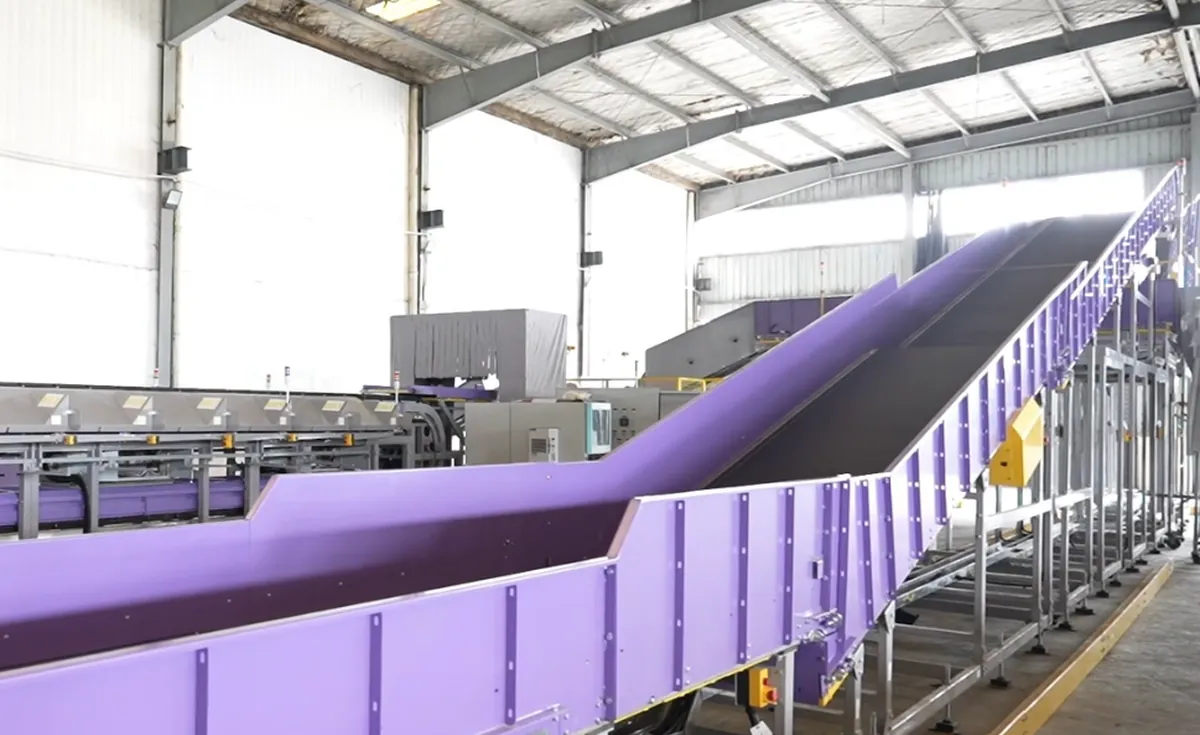
High-throughput hubs typically use a cross belt sorter for flexible destination handling, supported by conveyor systems for infeed and outbound.
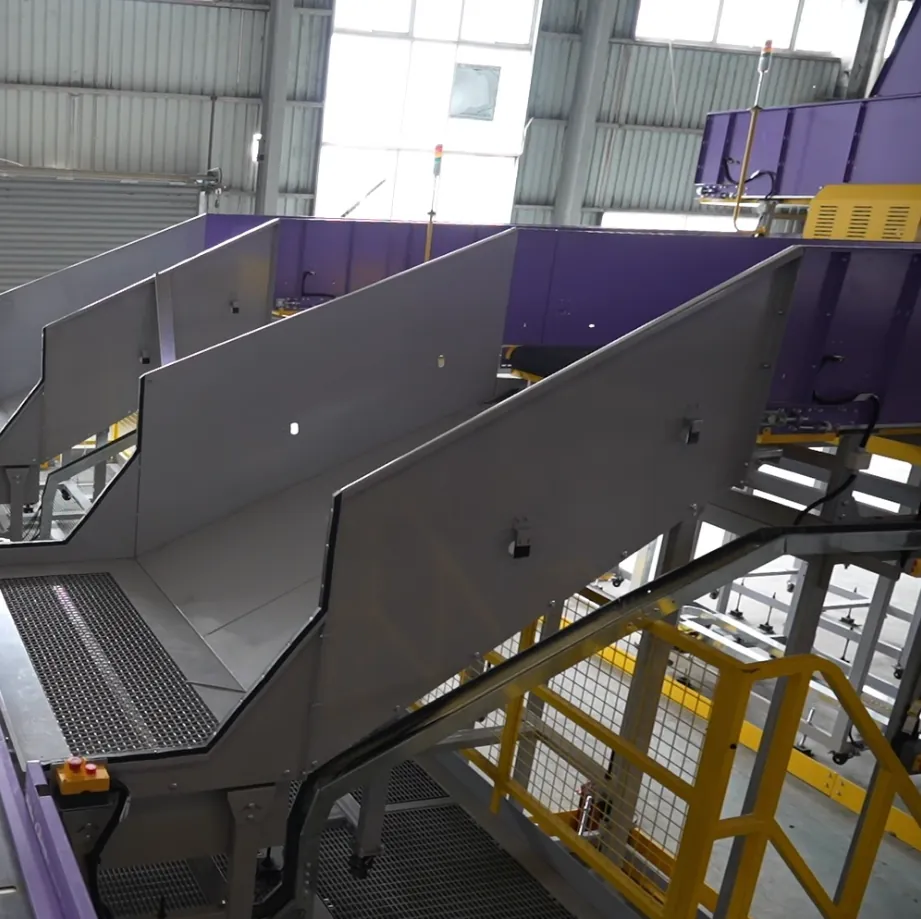
Parcel spacing, sustained and peak rates and destination logic are confirmed during engineering review. Destination count drives chute density, and chute density has physical limits, so the layout is reviewed against both current needs and reserved expansion space.
A throughput rating should be verified against the actual item mix and measurement window. Define the sample identity, measurement method, record format and who signs off; if one condition changes, review the effect before reusing the approval.
Different stages of an express parcel network place distinct demands on induction pitch, chute geometry and outbound dock integration:
High-destination cross-belt loops connecting multi-door unloading, inline DWS tunnels and linehaul loading docks.
Rapid bulk singulation, merge control and zone routing designed to clear inbound waves within tight transfer windows.
Controlled carrier pitch and soft-pack handling for courier bags, envelopes and polybags without double-reads.
Bagged chutes, gaylord drops, roll-cage lanes and extendable dock conveyors aligned with courier route schedules.
No-reads and mis-sorts are handled through defined exception routes with reason codes and escalation contacts. A recirculation loop must be sized so items can be reattempted without clogging the line, and a safe hold condition must exist for items that fail repeatedly. Measures — completion rate, exception count, response time — are defined before launch with baseline and conditions attached.
A no-read is not a minor event at hub rates. The recirculation loop must be sized so items can be reattempted without clogging the line, and items that fail repeatedly need a safe hold route with a reason code. Define the retention and final-payment release criteria before acceptance, and record alarms and routes with named owners.
The line is manufactured and factory-tested in-house, then installed on site after a readiness check covering floor, power, access and safety. Site Acceptance Testing verifies throughput and function under representative conditions before retention and final payment are released. Role-based training and a complete handover package follow.
Our equipment is used by operators including SF Express and STO. We stay with the project through commissioning, training, spare parts and escalation. See our competitive advantages and the concept design process.
A hub line draws power in a pattern the building may not have been designed for. Plan electrical infrastructure and standby power early, along with heat and HVAC load. Reserve footprint and interfaces for destination growth so peak capacity can be added in phases.
Share your parcel mix, throughput target and destination count. We will confirm which family fits and what evidence supports it.
With the parcel mix, measurement window, sample identity, record format and a named sign-off. Compare options on the same peak-hour rate.
Each destination requires adequate chute width for the largest parcel, buffer volume for bags or containers, and safe operator/tugger access behind the line. Overcrowding chutes increases jams and lowers real-world hub throughput.
Size the recirculation path against expected no-read and full-chute rates during peak waves so reattempted items do not starve fresh induction or block the main loop, and route repeat failures to a dedicated safe hold chute.
Before installation, a site readiness check verifies floor conditions, power supply, access and safety clearances. After installation, Site Acceptance Testing validates sustained throughput, exception handling and controls under representative parcel loads.
Plan electrical load profiles, standby backup power and HVAC/heat dissipation early, and reserve floor footprint plus conveyor/WCS interfaces so additional chutes or induction lines can be phased in without disrupting active hub operations.