For small and mid-sized eCommerce sellers, logistics decisions can make or break profitability. Among the most important choices in international shipping is whether to use Less than Container Load (LCL) or Full Container Load (FCL). At first glance, the difference seems simple: share a container or book the whole one. But in practice, the decision involves a complex balance of cost, speed, risk, flexibility, and long-term growth strategy.
Choosing the wrong method can quietly erode your margins through hidden fees, delays, or damaged goods. Choosing the right one can improve cash flow, reduce landed costs, and give your business a competitive edge.
This comprehensive guide breaks down the real differences between LCL and FCL, explains the cost structures behind each, and shows you exactly how to decide which option is most economical for your business.
What Is LCL (Less than Container Load)?
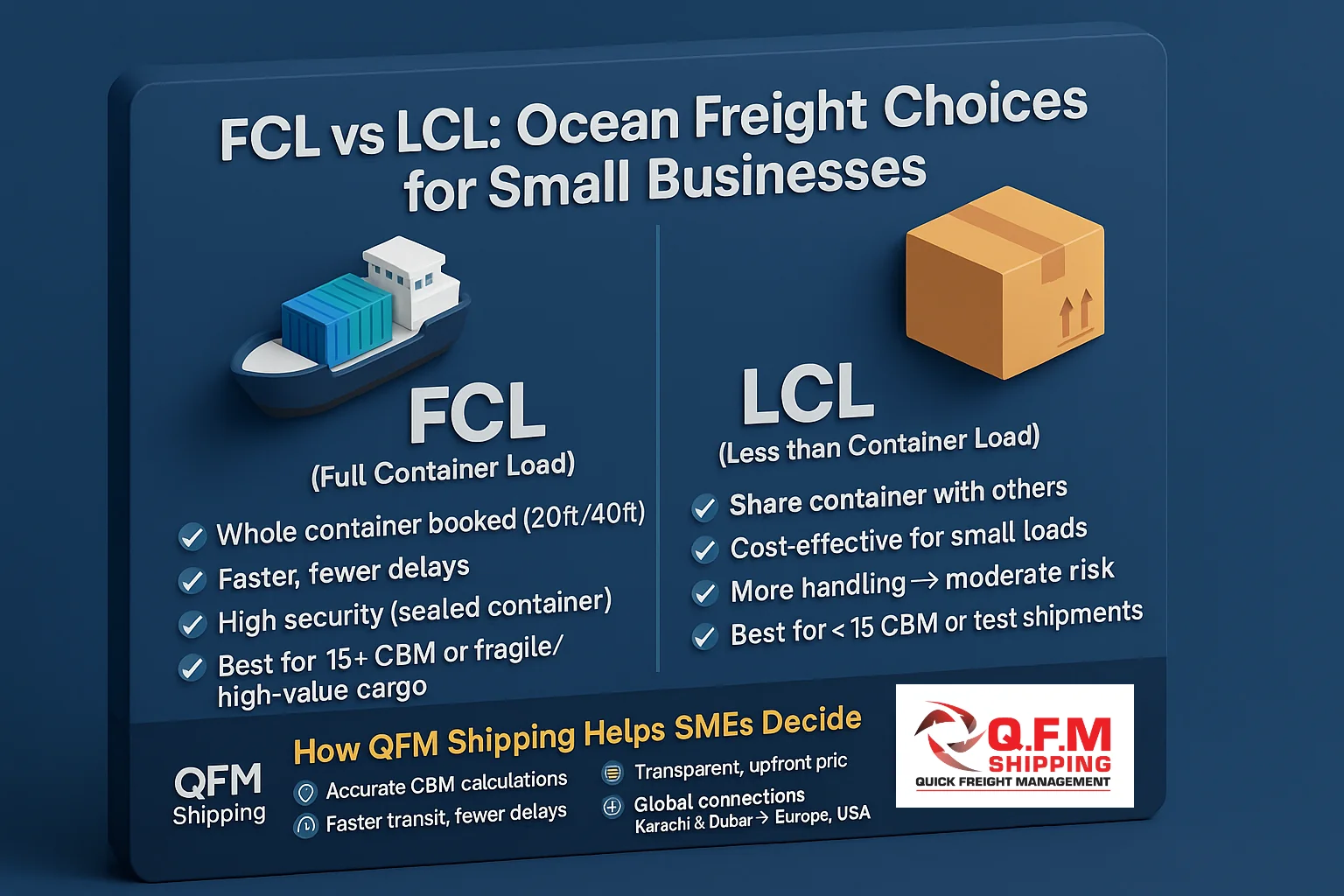
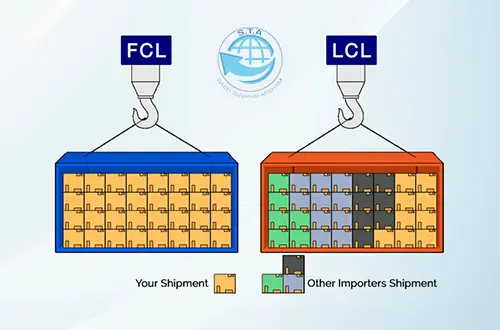
LCL shipping means your goods share container space with shipments from other businesses. You only pay for the space your cargo occupies, typically calculated by cubic meters (CBM).
Key Characteristics of LCL
- Shared container with multiple shippers
- Charged based on volume (CBM) or weight
- Ideal for smaller shipments
- More handling points during transit
When Sellers Typically Use LCL
- Starting a new product line
- Testing demand in a new market
- Shipping low-volume or high-margin items
- Managing limited cash flow
What Is FCL (Full Container Load)?
FCL shipping means you book an entire container exclusively for your goods. Even if you don’t fill it completely, the container is yours.
Key Characteristics of FCL
- Dedicated container for one shipper
- Flat rate per container
- Minimal handling during transit
- Faster and more predictable
When Sellers Typically Use FCL
- High-volume shipments
- Established sales demand
- Bulk inventory replenishment
- Cost optimization at scale
The Core Cost Difference: Volume vs. Flat Rate
The fundamental difference between LCL and FCL lies in how costs are calculated.
LCL Pricing Structure
You pay for:
- Cargo volume (CBM)
- Consolidation fees
- Deconsolidation fees
- Handling charges at origin and destination
These costs can add up quickly.
FCL Pricing Structure
You pay for:
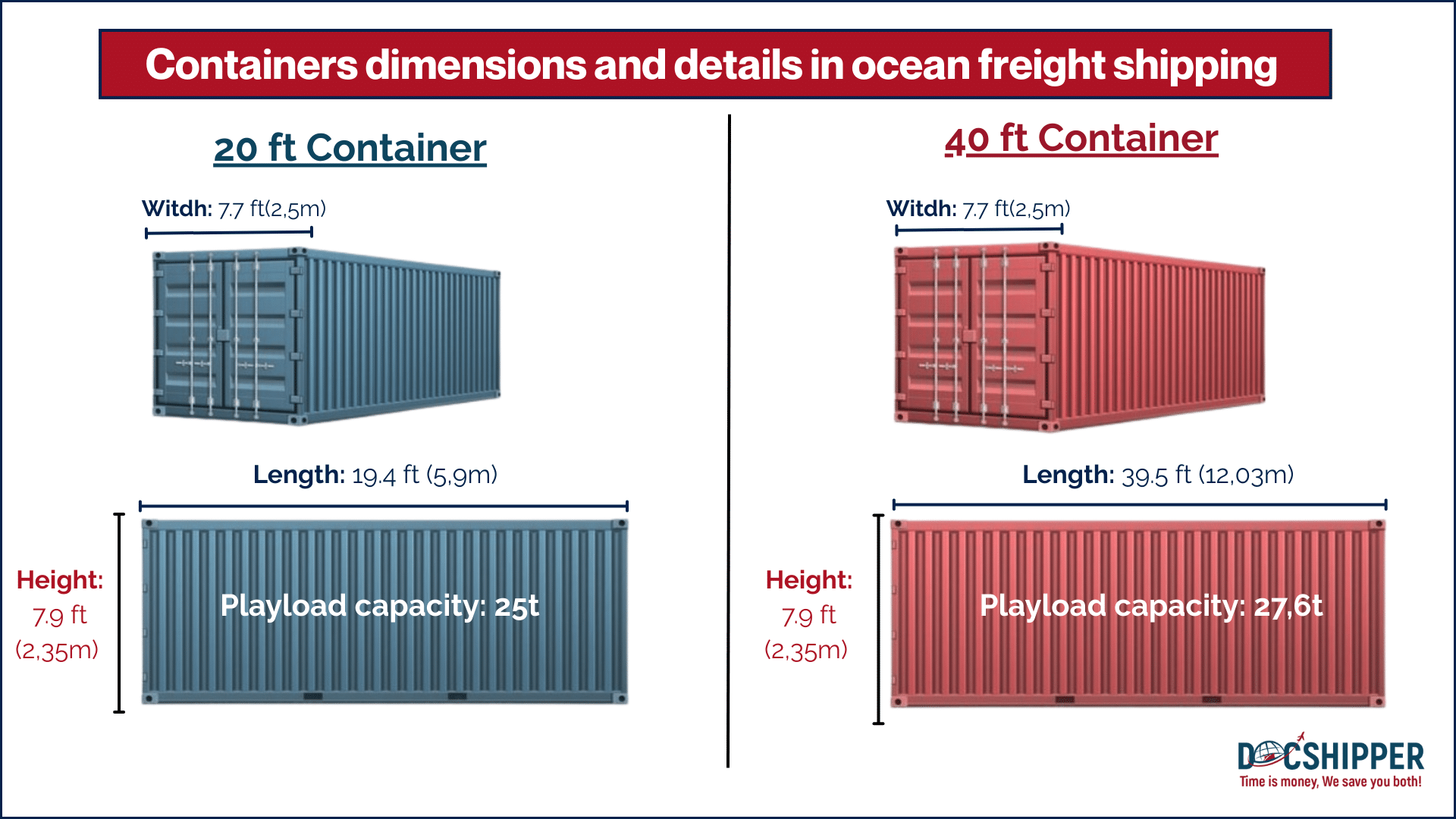
- Entire container (20ft or 40ft)
- Port handling fees
- Inland transportation
The cost per unit decreases as you fill more of the container.
The Break-Even Point: When Does FCL Become Cheaper?
One of the most important questions is: at what volume does FCL become more cost-effective than LCL?
General Rule of Thumb
- LCL is cheaper for shipments under 10–12 CBM
- FCL becomes competitive around 12–15 CBM
- FCL is usually cheaper beyond 15+ CBM
However, this varies based on:
- Shipping routes
- Fuel costs
- Port fees
- Seasonal demand
Hidden Costs That Many Sellers Overlook
Many small sellers choose LCL assuming it’s cheaper, but hidden fees can change the equation.
1. Destination Charges
LCL shipments often incur high destination fees:
- Terminal handling
- Documentation
- Warehouse processing
These are sometimes higher than expected.
2. Multiple Handling Risks
Because LCL cargo is consolidated and deconsolidated:
- More touchpoints
- Higher risk of damage
- Increased chances of delays
3. Storage and Demurrage
Delays in customs clearance or pickup can lead to:
- Storage fees
- Demurrage charges
These costs can quickly eat into profits.
4. Packaging Costs
LCL requires stronger packaging to withstand handling, increasing upfront costs.
Speed and Transit Time Comparison
Time is money in eCommerce.
LCL Transit Time
- Longer due to consolidation
- Additional delays at origin and destination
- Less predictable schedules
FCL Transit Time
- Faster loading and unloading
- Direct shipping process
- More reliable schedules
Risk Management: Damage and Loss
Shipping risk is often underestimated.
LCL Risk Factors
- Mixed cargo environment
- Frequent handling
- Higher chance of contamination or damage
FCL Advantages
- Sealed container
- Minimal handling
- Better protection for goods
For fragile or high-value products, FCL is often the safer choice.
Cash Flow Considerations
For small sellers, cash flow is critical.
LCL Benefits
- Lower upfront cost
- Smaller inventory commitment
- Reduced financial risk
FCL Challenges
- Higher upfront investment
- Larger inventory holding
- Increased storage requirements
Inventory Strategy and Demand Planning
Your shipping choice should align with your inventory strategy.
LCL for Flexibility
- Frequent smaller shipments
- Easier to adapt to demand changes
- Lower risk of overstocking
FCL for Scale
- Bulk purchasing discounts
- Lower per-unit shipping cost
- Better for stable demand
Seasonal Factors That Affect Your Decision
Shipping costs fluctuate throughout the year.
Peak Season (e.g., Q4)
- LCL space becomes limited
- Prices increase
- Delays are more common
FCL may offer better reliability during these periods.
Off-Peak Season
- LCL rates may be more competitive
- Easier to secure space
Product Type Matters
Different products benefit from different shipping methods.
Best for LCL
- Small, lightweight items
- High-margin goods
- Low-volume SKUs
Best for FCL
- Bulky products
- Heavy goods
- Fragile items needing protection
Case Study: Small Seller Scaling Up
Let’s consider a typical growth scenario.
Stage 1: Product Testing
- Shipment size: 3–5 CBM
- Best choice: LCL
- Goal: Validate demand
Stage 2: Growing Sales
- Shipment size: 8–12 CBM
- Decision point: Compare LCL vs. FCL
- Strategy: Cost analysis
Stage 3: Scaling Operations
- Shipment size: 15+ CBM
- Best choice: FCL
- Goal: Maximize margins
How to Calculate Your True Landed Cost
To make the right decision, calculate total landed cost.
Include:
- Freight cost
- Customs duties
- Taxes
- Insurance
- Inland transportation
- Storage fees
Compare Cost Per Unit
Divide total cost by number of units shipped.
This reveals the real difference between LCL and FCL.
Hybrid Strategies: Combining LCL and FCL
Smart sellers don’t always choose just one.
Common Hybrid Approaches
- Use LCL for new products
- Switch to FCL for bestsellers
- Combine shipments across SKUs
Freight Forwarders: Your Strategic Partner
A good freight forwarder can:
- Provide accurate cost comparisons
- Help optimize container space
- Reduce hidden fees
- Improve transit efficiency
Choosing the right partner is crucial.
Practical Decision Checklist
Before choosing LCL or FCL, ask:
- What is my shipment volume (CBM)?
- What is my budget?
- How sensitive is my product to damage?
- How urgent is delivery?
- What is my sales forecast?
Common Mistakes to Avoid
Choosing LCL Solely for Lower Upfront Cost
Hidden fees can make it more expensive overall.
Booking FCL Too Early
Without sufficient volume, you may waste space and money.
Ignoring Packaging Requirements
Poor packaging increases risk, especially for LCL.
Not Comparing Quotes
Rates vary widely between providers.
Technology and Data: Smarter Shipping Decisions
Modern tools can help you:
- Forecast demand
- Optimize inventory
- Compare shipping rates
- Track shipments in real time
Data-driven decisions reduce risk and improve efficiency.
Long-Term Strategy: When to Transition to FCL
As your business grows:
- Monitor shipment volume trends
- Track cost per unit
- Evaluate storage capacity
Transition when FCL consistently lowers your total cost.
Final Thoughts: It’s Not Just About Cost
Choosing between LCL and FCL isn’t just about finding the cheapest option—it’s about aligning your logistics strategy with your business goals.
LCL offers flexibility and lower upfront costs, making it ideal for early-stage sellers and testing phases. FCL delivers efficiency, speed, and lower per-unit costs at scale, making it the better choice for established operations.
The smartest sellers continuously evaluate their shipping strategy as their business evolves. By understanding the true cost structure, risks, and operational impact of each option, you can make informed decisions that protect your margins and support long-term growth.
In international logistics, small optimizations lead to big results. Choose wisely, plan ahead, and your shipping strategy will become a powerful advantage rather than a hidden cost.