Custom Parcel Sorting Systems. Engineered for Real Operations.

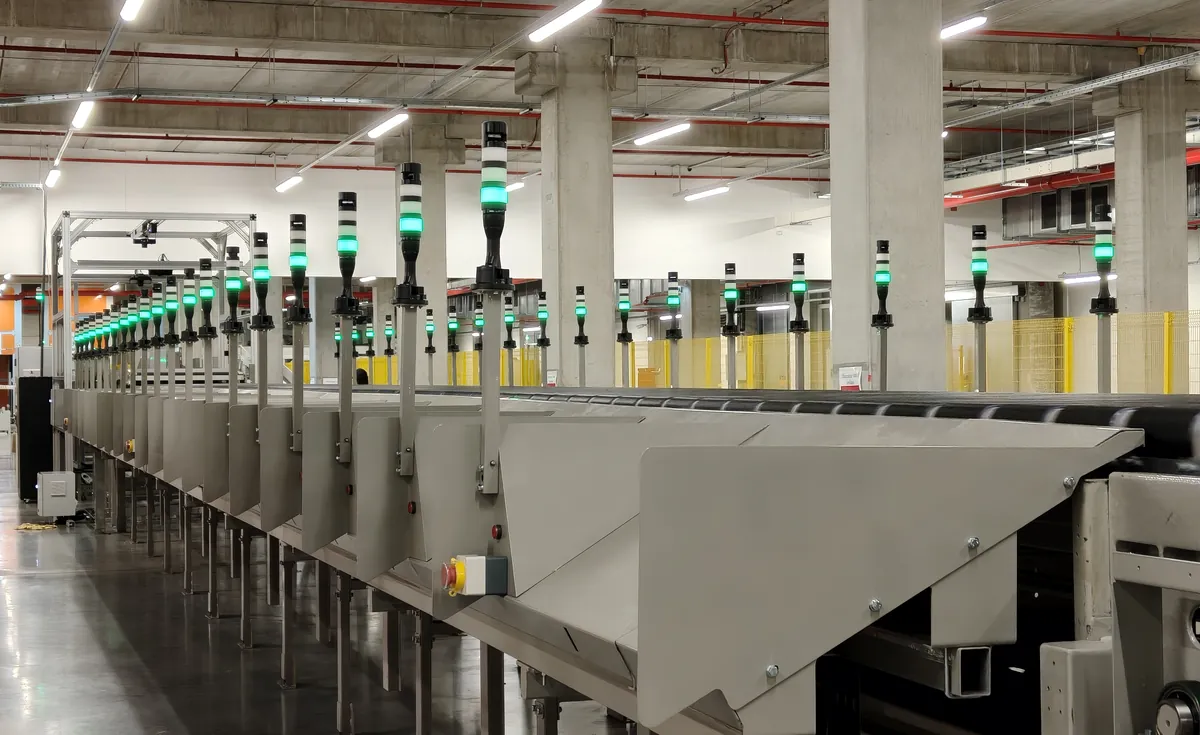
A narrow belt sorter uses small, independently driven belts arranged along a conveyor line to divert parcels into chutes. Its compact, modular design suits operations that need high sorting density within a limited footprint. TrueLiSort narrow belt sorter solutions are laid out around the available floor space and the parcel mix, giving a balanced answer between the high throughput of a cross belt and the low cost of a wheel sorter.
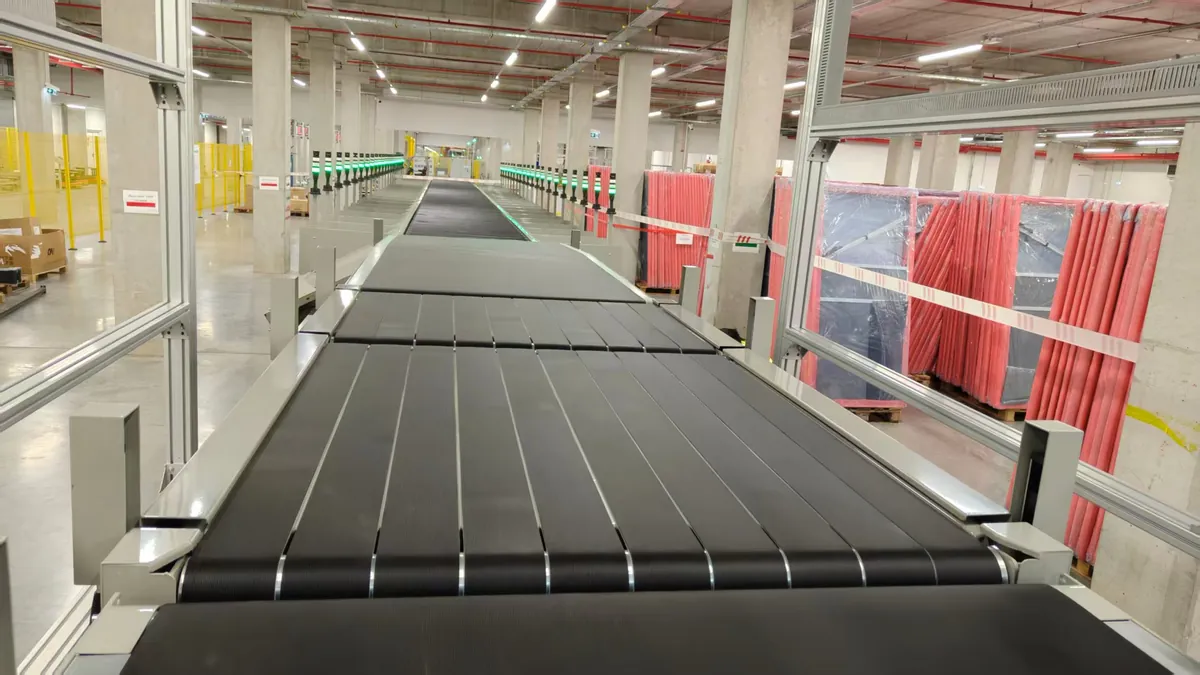
Narrow belt systems work well in urban hubs, warehouse distribution and mixed-parcel operations where space is constrained but sorting density must stay high. They handle a mid-range item envelope and offer balanced throughput and cost. For very high destination counts and peak rates, compare the cross belt sorter; for conveyor-based carton diversion, see the swivel wheel sorter.
A narrow belt sorter sits between the other two families: better throughput and wider item range than a wheel sorter, lower capital cost and footprint than a cross belt. Its ceiling is physical, not a preference. Compare belt pitch, divert layout, induction points, scan position and accumulation against your parcel profile and peak rate, and validate with representative items and operator workflows.
A narrow belt sorter should be selected from parcel dimensions, weight, scan quality, destination mix and peak profile. Define the measurement window and the exception route before comparing rates, then validate the installed layout with representative parcels and operator workflows.
Compare belt pitch, divert layout, induction points, scan position and accumulation as separate named configurations. Keep the base offer distinct from optional features and show how each choice changes fit, function, packaging, maintenance or delivery.
Modules can be added as volume grows, and the line integrates with DWS, controls, WCS and WMS/ERP interfaces. Parcel spacing, transfer points and exception handling are defined during engineering review, with guarding and maintenance access planned into the layout from the start.
Draw the workflow as operators experience it, from arrival through normal output, handoff and recovery, and record the owner and system state at each step. Define what happens when an item is damaged, a scan fails or an alarm appears, with a safe hold condition and escalation contact.
Use order lines, units per order, SKU velocity and peak staff as the basis for choosing a representative sample and deciding what to measure.
Equipment is manufactured and factory-tested in-house, then installed and commissioned on site with SAT, training and handover. The concept design process explains the survey and layout stages, and our engineering advantages explain how we support long-term operation. A maintenance plan based on actual failure modes keeps availability predictable over the life of the line.
Model energy, spare parts, maintenance windows and staffing over the system’s life. A modular line can add capacity in phases, but only if footprint and interfaces were reserved in the original layout. A maintenance plan based on actual failure modes keeps availability predictable.
Tell us your parcel profile, throughput target and available floor space. We will confirm the configuration and layout that fit.
Include a workflow map, item identity, min/max dimensions and weights, destination matrix, sustained vs. peak throughput, acceptance method, controlling quote revision, and explicitly mark any unresolved inputs as open.