


The logistics industry is undergoing a profound transformation as automation becomes essential for handling rapidly increasing parcel volumes. With global e-commerce expanding at double-digit rates each year, traditional manual sorting methods can no longer deliver the speed, accuracy, and scalability that modern supply chains require.
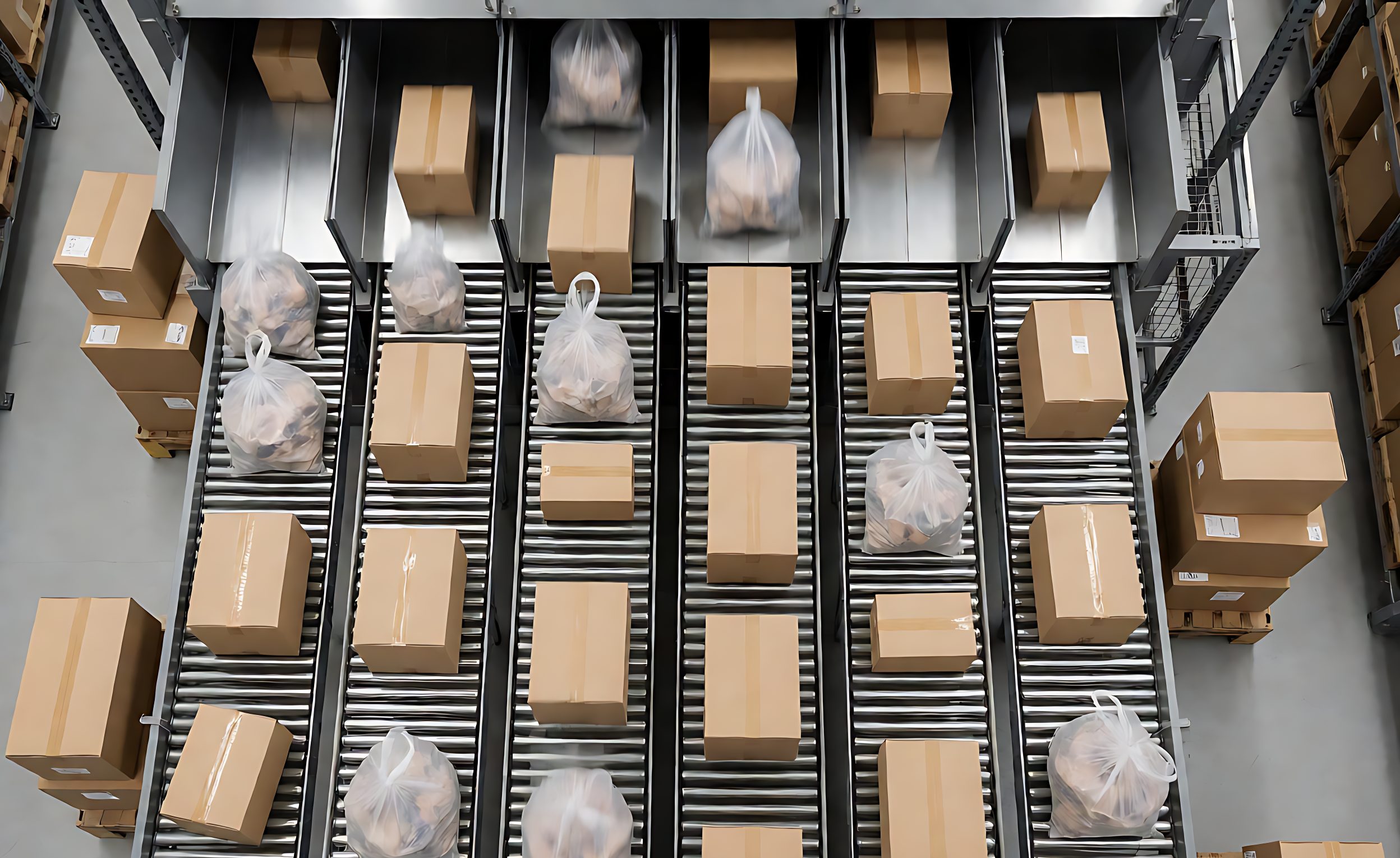
Automated sorting systems—such as cross-belt sorters, narrow-belt sorters, and high-precision DWS equipment—are becoming the core technology inside fulfillment centers. These systems enable continuous, high-speed parcel processing while maintaining consistent accuracy. By removing repetitive manual tasks, warehouses can significantly reduce error rates and improve throughput even during seasonal peaks.
In addition to efficiency gains, automation enhances cost control. Labor shortages and rising operational expenses have pushed logistics companies to rethink their long-term strategies. Automated sorting lines offer predictable performance, reduced downtime, and lower overall cost per parcel—making them a strategic investment rather than a simple equipment upgrade.
Connectivity and data intelligence further amplify the impact of automation. Smart sensors, tracking modules, and integrated software provide real-time visibility into parcel movement and system performance. This transparency allows managers to optimize shift planning, quickly respond to disruptions, and continuously refine sorting logic based on performance data.
As competitive pressure intensifies, logistics providers that invest in intelligent automation will gain a clear advantage. The future of parcel logistics belongs to companies that combine fast, accurate sorting with data-driven decision-making. Automation is no longer just an operational improvement—it’s the foundation for building resilient, scalable, and customer-centric logistics networks.
The Shift Toward Smarter: What Changes When Parcels Tell Their Story
Parcel logistics historically handled anonymous items. Smarter sorting begins when every parcel carries its own story:
| Parcel attribute | What the sorter does with it | Downstream value |
|---|---|---|
| Destination barcode | Route decision in milliseconds | The classic promise, delivered |
| Weight and dimensions | Profile validation, load planning | Vehicles packed by truth, not estimate |
| Handling flags | Diverts fragile or priority flow | Damage and SLA misses fall |
| Historical scan record | Exception paths for known trouble | Repeat problems handled proactively |
The last two rows mark the shift’s real direction. A sorter that only reads destinations is a fast router; a sorter that weighs, measures, flags and remembers is becoming the operation’s richest data source — every parcel it touches contributes to a dataset that load planners, network designers and customer-service teams all draw on. The identification hardware enabling this keeps improving quietly: better scanners read damaged labels, dimensioning cameras measure irregular shapes, and tags survive rougher handling, so the story arrives intact more often. Operations that treat this stream as an asset — storing it, analysing it weekly — find the smarter shift pays twice: once in routing accuracy today, again in network decisions next quarter. Those that let it evaporate after the divert decision are buying intelligence and using a fraction of it. The singulation hardware is profiled in the parcel singulator, and the e-commerce context in sorting’s rise in e-commerce. Reference: RFID tagging and barcode technology.
Richer parcel stories also raise a data-stewardship question worth settling early: which attributes are operationally necessary, which are commercially sensitive, and who may see the difference. Parcel-level history is an asset with a privacy and trade-secret surface — governed early, it compounds; ungoverned, it leaks. Reference: information security and trade secret law.