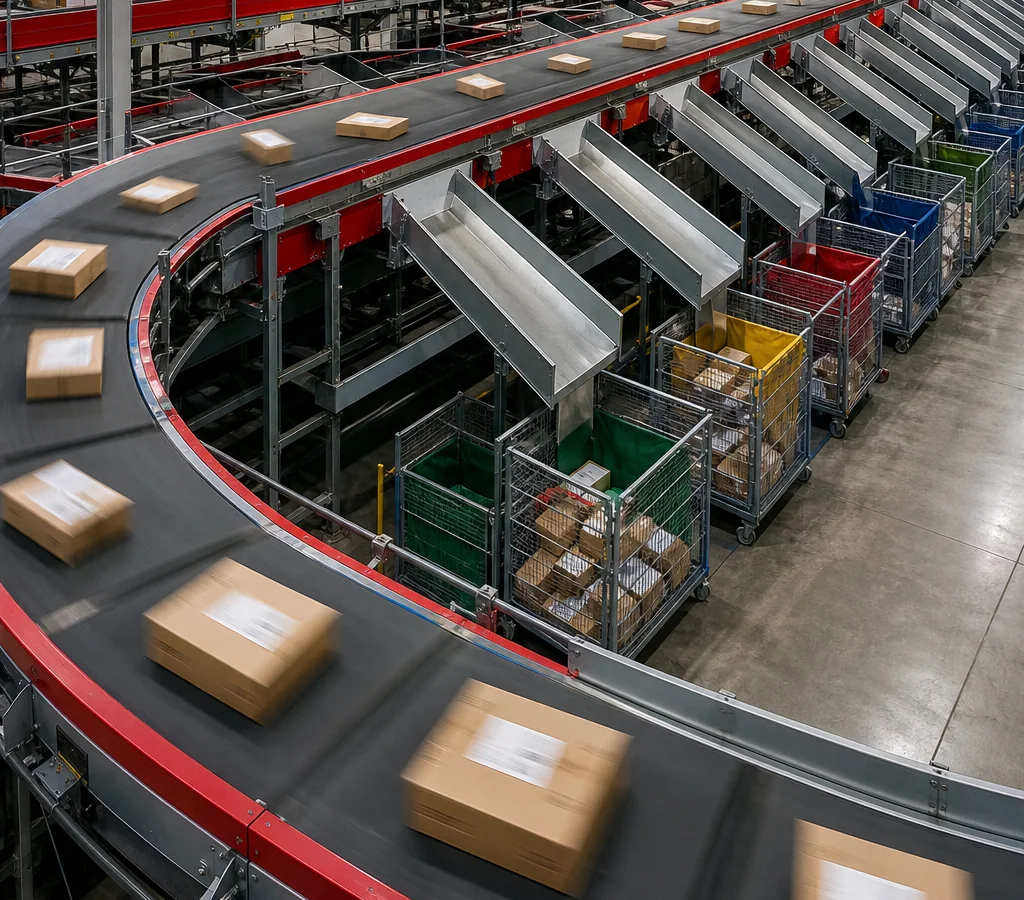
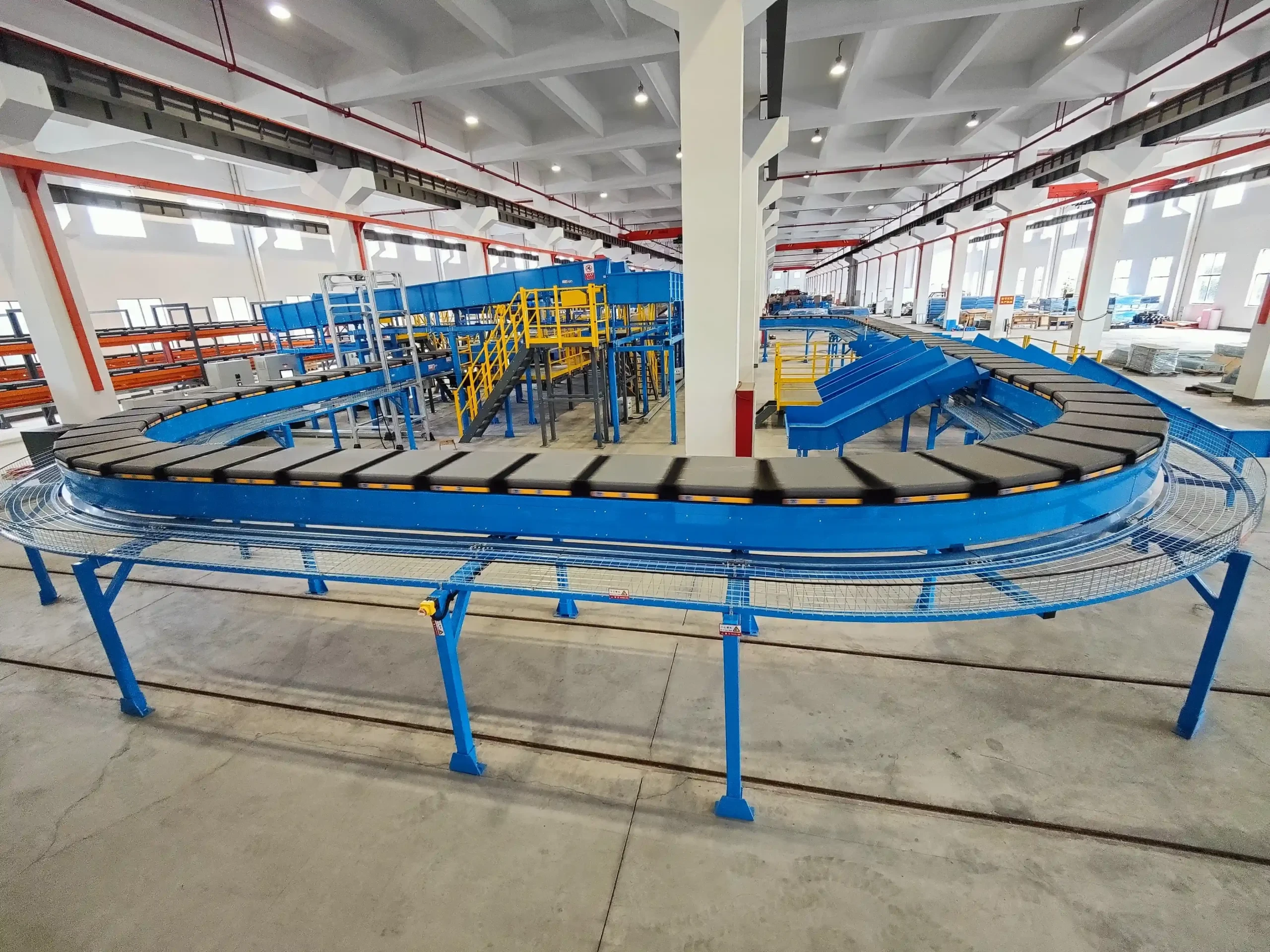
Handling a small parcel (especially polybags and jiffy mailers) requires specialized package handling technology because these items lack a rigid flat bottom. A standard automated sorting machine utilizing pop-up rollers will often jam or tear these packages. To successfully sort small parcels at high speeds, facilities must use specialized friction-driven equipment, such as a cross belt sorter, combined with high-resolution overhead 3D scanners to ensure 99.9% accuracy without package degradation.
As e-commerce trends evolve in 2026, the packaging landscape has shifted dramatically. According to the 2026 Global Intralogistics Packaging Report, over 65% of all B2C e-commerce shipments are now classified as “small parcels,” predominantly shipped in flexible polybags or padded envelopes rather than traditional corrugated cartons. This shift is fantastic for reducing carrier shipping costs, but it presents a massive mechanical nightmare for traditional warehouse automation.
If your facility is experiencing high mis-sort rates, frequent system jams, or damaged goods, your current package handling system is likely not optimized for lightweight, irregular items. In this comprehensive tutorial, the engineering team at Truelisort will guide you through the physics of small parcel sortation, how to audit your current equipment, and the exact steps required to optimize your automated sorting machine for the modern e-commerce era.
📋 What You Will Learn in This Guide:
- Why standard conveyors fail at small parcel sortation.
- Pre-requisites for auditing your current package handling systems.
- A step-by-step tutorial to optimizing your sorting architecture.
- Troubleshooting common polybag errors (jams, fly-offs, mis-reads).
1. The Challenge: Why Small Parcels Break Standard Sorters
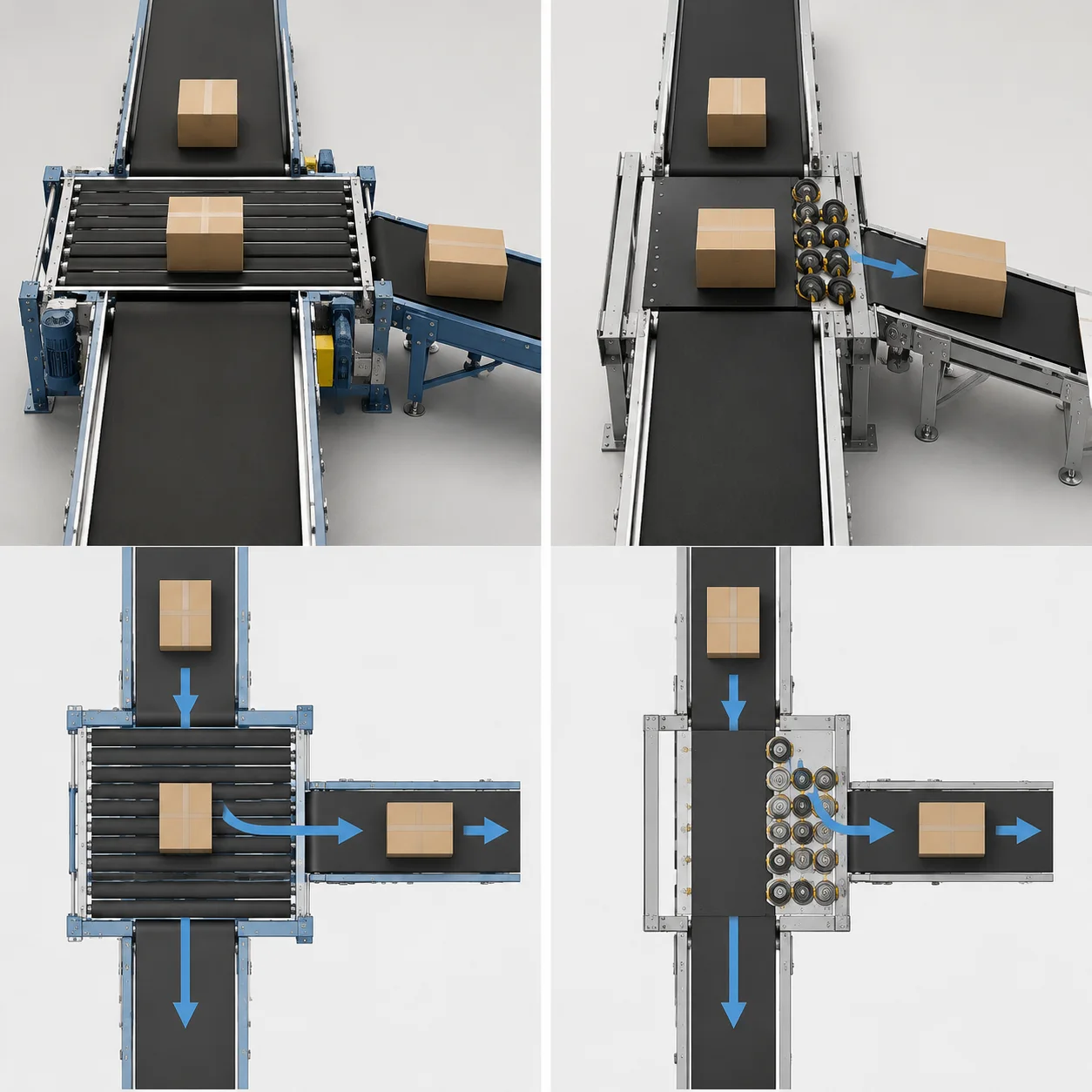
To understand the solution, we must first analyze the mechanical problem. A standard automated sorting system (like a basic narrow belt or shoe sorter) relies on the physical properties of a cardboard box: a rigid, flat bottom and sufficient weight (gravity) to maintain friction against the belt.
A small parcel, particularly a polybag, has none of these properties. They are highly susceptible to aerodynamic lift at speeds over 2.0 meters per second. Furthermore, their thin edges can easily slip into the millimeter-wide gaps between conveyor rollers, causing catastrophic mechanical jams that halt the entire package handling operation.
2. Pre-Requisites: Auditing Your Current Package Handling System
Before investing in new small parcel sorting solutions, perform this 3-point audit on your current automated lines:
- Analyze the Packaging Mix: Pull a week of WMS data. If polybags, blister packs, and envelopes make up more than 25% of your volume, a specialized sorter is financially justified.
- Measure the Gap Tolerances: Inspect the transfer points between your induction belts and the main sorter. Any gap larger than 5mm is a severe risk zone for a flat envelope.
- Check DWS Scanner Resolution: Standard barcode scanners often fail to read wrinkled barcodes on polybags. You need multi-sided camera tunnels with AI image reconstruction.
3. Step-by-Step Guide: Upgrading Your Automated Sorting Machine
If your audit reveals that your facility is struggling with flexible packaging, here is the engineering roadmap to mastering small parcel sortation.
Step 1: Upgrade to a Cross Belt Sorter Architecture
For high-volume small parcel operations, the most effective automated sorting machine is the Cross Belt Sorter. Instead of sliding packages over rollers, a cross belt sorter places the item onto its own mechanically independent mini-belt cart. Because the item rests completely on the belt during transit and divert, there is zero risk of it slipping into machinery gaps.
💡 Pro Tip: Equipment like the Cross Belt Sorter TR500-700 by Truelisort is specifically engineered with high-friction belt materials to keep lightweight polybags stable at speeds up to 2.5 m/s.
Step 2: Optimize the Induction Process
Small parcels are notoriously difficult to induct. If two polybags are inducted too closely together, the scanner will read them as one item, causing a “double-sort” error. Implement dynamic gapping conveyors that use closely spaced photo-eye sensors. These sensors detect the exact trailing edge of a thin envelope, ensuring a precise 300mm gap before the parcel hits the main sorter.
Step 3: Implement Swivel Wheel Technology for Mid-Volume Hubs
If a full cross-belt loop exceeds your floor space or budget, the next best alternative for handling semi-rigid small parcels is a specialized wheel sorter. Unlike pop-up rollers, a swivel wheel sorter provides continuous support beneath the package. The wheels turn smoothly to divert the item at 30 or 45-degree angles, minimizing the chance of thin edges getting caught.
Step 4: Redesign Destination Chutes
Sorting the parcel is only half the battle; catching it safely is the other. Standard metal gravity chutes can cause lightweight parcels to stall halfway down due to static electricity. Upgrade your destination chutes with low-friction, anti-static polyethylene coatings and incorporate gentle curves rather than harsh drops.
4. Troubleshooting Common Small Parcel Errors
Even the best package handling automated package handling systems need fine-tuning. Use this 2026 matrix to resolve common operational issues:
| Symptom / Error | Likely Cause | The Solution |
|---|---|---|
| Fly-offs (Parcels falling off track) | Aerodynamic lift or poor belt friction on curves. | Reduce speed on curves; upgrade to high-friction polyurethane belts. |
| Scanner “No-Reads” on Polybags | Wrinkled plastic causing glare or hiding the barcode. | Install 6-sided vision tunnels with polarized lighting to cut through plastic glare. |
| Transfer Jams (Caught in gaps) | Conveyor transfer plates have gaps exceeding 3mm. | Install micro-roller transfer plates or dead-plates with a sharp nose-bar design. |
5. Frequently Asked Questions (FAQ)
Q: Can a narrow belt sorter handle polybags?
A: Generally, standard narrow belt sorters are not recommended for soft polybags because the pop-up rollers require a rigid, flat surface. However, if the polybags are heavily stuffed and mimic the rigidity of a box, they might pass. For thin, floppy bags, a cross-belt or specialized wheel sorter is mandatory.
Q: How does static electricity affect small parcel sorting?
A: In dry environments, plastic polybags generate high static charges as they move across conveyor belts. This can cause ultra-lightweight parcels (under 50 grams) to physically cling to the belt, missing their divert chutes. Anti-static brushes should be installed on the return side of the belt to mitigate this.
Q: What is the maximum throughput for a small parcel sorter?
A: A highly optimized, multi-induction cross-belt automated sorting machine can process between 20,000 to 30,000+ small parcels per hour, making it the ultimate solution for express courier and high-volume e-commerce hubs.
6. Conclusion: Future-Proof Your Fulfillment Operations
The transition toward flexible packaging is permanent. Trying to force a small parcel through an outdated package handling system will only result in increased labor costs, damaged goods, and missed shipping deadlines. By upgrading to purpose-built automated sorting systems, such as advanced cross-belt technologies, your facility can achieve maximum throughput with zero compromises on accuracy.
Are you ready to optimize your parcel handling? The material handling experts at Truelisort can help you design a system tailored exactly to your packaging profile. Contact our engineering team today for a comprehensive operational audit.

Truelisort Systems
Your global integration partner for high-speed small parcel sortation and intelligent e-commerce package handling.
✉️ Email: business@truelisort.com |
📱 WhatsApp: +86 18658557670
🔗 Follow us on: LinkedIn | YouTube | Facebook