


The logistics industry is facing unprecedented challenges: increasing parcel volumes, tighter delivery windows, and rising labor costs. To stay competitive, warehouses are turning to **advanced sorting technologies** such as narrow-belt and cross-belt sorters, which combine speed, accuracy, and adaptability.
1. Addressing Modern Warehouse Challenges
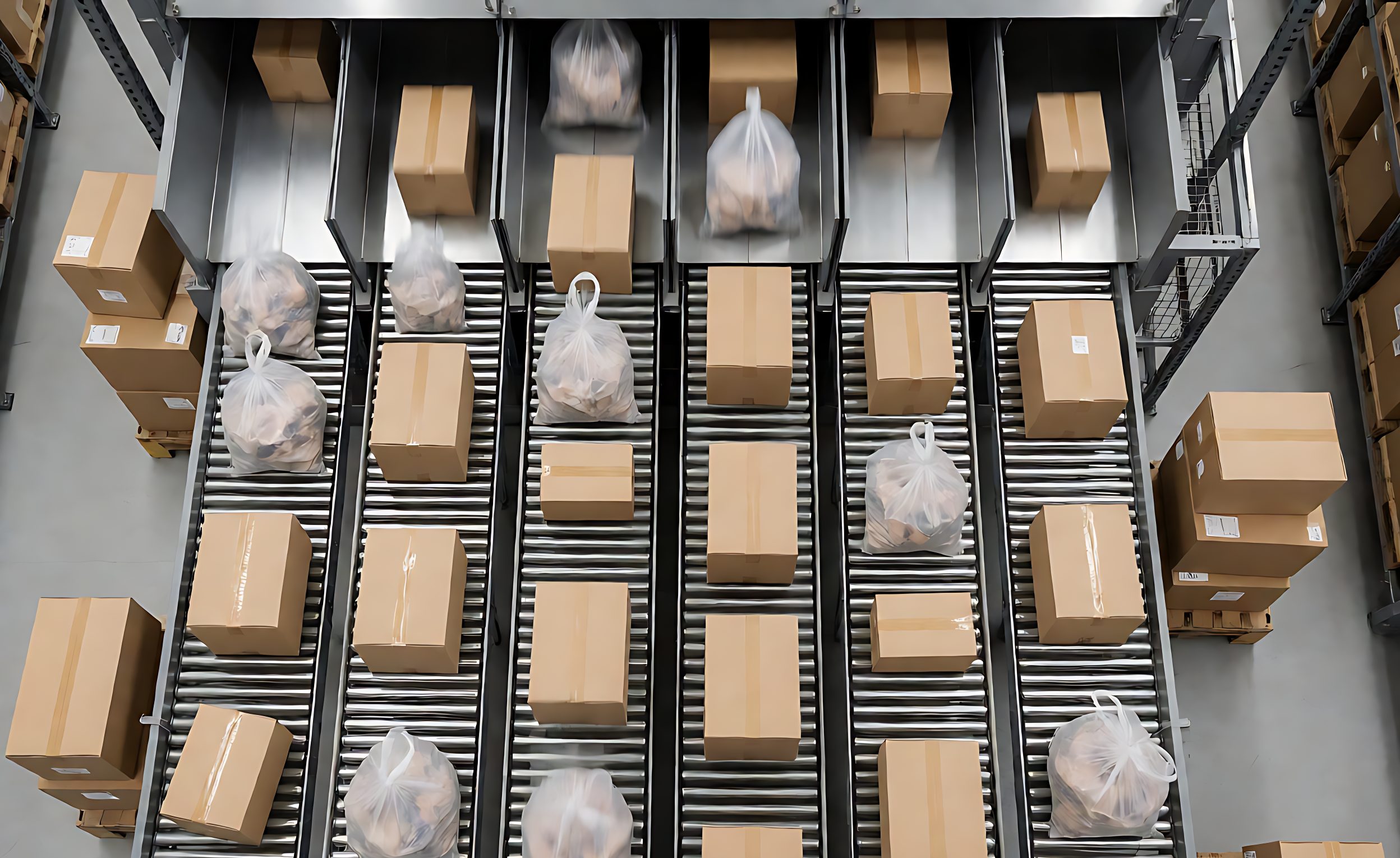
Modern distribution centers must process thousands of parcels per hour while ensuring minimal errors. Traditional conveyors and manual sorting are no longer sufficient. Narrow-belt and cross-belt sorters provide **high-precision automated sorting**, enabling warehouses to meet demanding SLAs (Service Level Agreements) without compromising reliability.
2. Narrow-Belt Sorters for High-Speed Small Parcel Handling
Narrow-belt sorters are ideal for **small to medium-sized items**, offering modular designs that can be easily scaled up as business grows. Their compact design allows installation in warehouses with limited space while maintaining **high throughput**. These sorters are particularly effective in **e-commerce fulfillment, retail logistics, and postal networks**, where frequent SKU changes and mixed parcel sizes require flexibility.
3. Cross-Belt Sorters for Complex Sorting Tasks
Cross-belt sorters excel in **handling larger or irregularly shaped items**. Each carrier moves independently, allowing items to be discharged to multiple destinations simultaneously. This capability enables warehouses to **optimize space, reduce bottlenecks, and increase sorting accuracy**, making them suitable for national hubs, large-scale fulfillment centers, and 3PL operations.
4. Integration with Intelligent Systems
Today’s sorters are not standalone—they integrate smoothly with **warehouse management systems (WMS)**, **OCR/Barcode scanners**, and **dimensioning & weighing devices**. This integration allows real-time tracking of items, automated decision-making, and predictive maintenance, maximizing uptime and efficiency.
5. Case Study: TRUELISORT Implementation
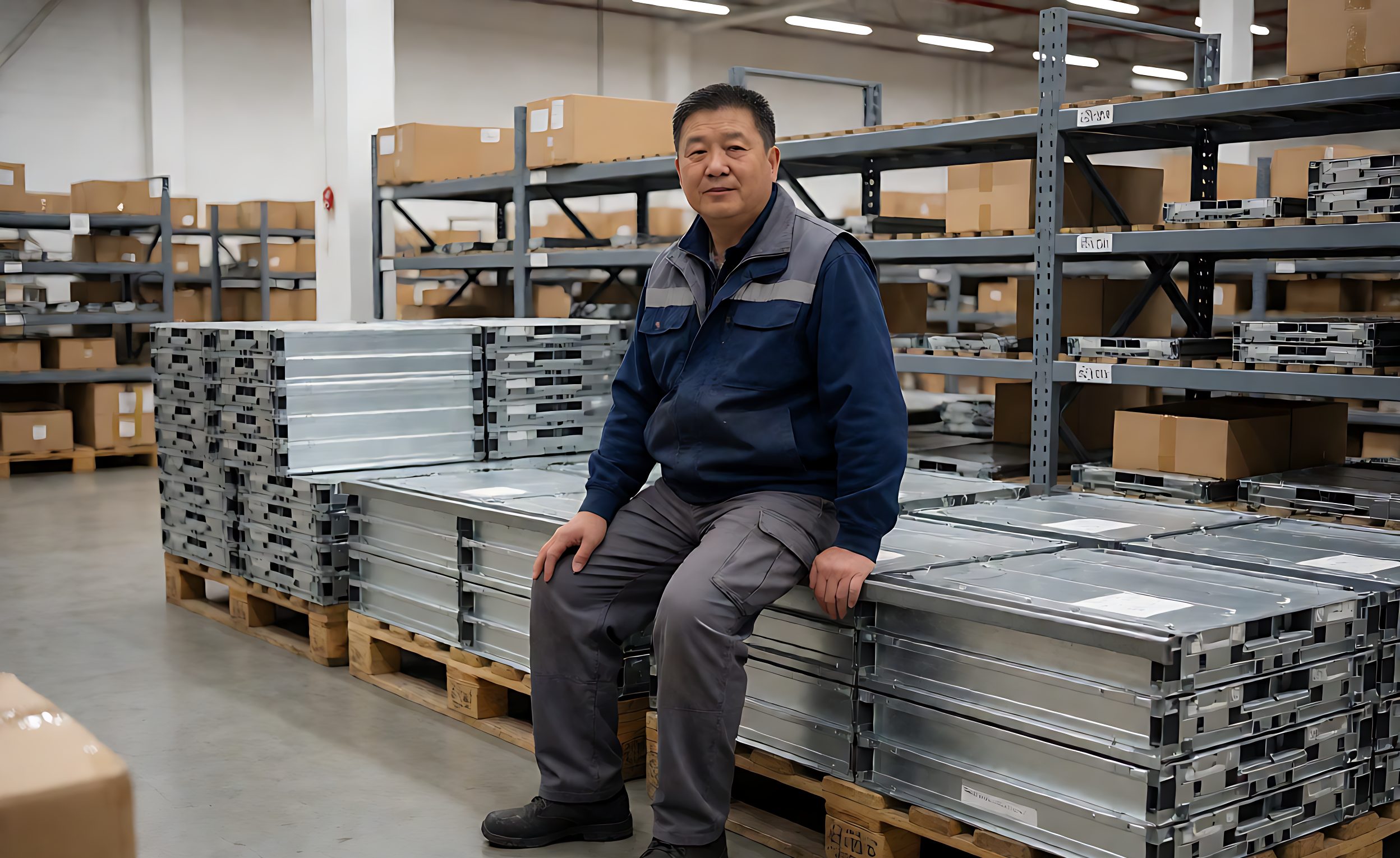
For example, a TRUELISORT cross-belt sorter system implemented in a European e-commerce warehouse reduced parcel sorting time by 35% while increasing accuracy to over 99.8%. By combining narrow-belt and cross-belt solutions, the facility achieved **flexible handling of diverse parcel sizes** with minimal manual intervention.
6. Future Trends
As automation continues to evolve, the next generation of sorters will focus on **AI-driven route optimization, energy-efficient operations, and modular expansion**, ensuring that warehouses can scale efficiently and adapt to rapidly changing logistics demands.
Truelisort is committed to delivering innovative sorting solutions that improve efficiency, accuracy, and reliability across global logistics operations. By leveraging advanced narrow-belt and cross-belt sorter technologies, we help warehouses stay ahead in the fast-paced world of parcel logistics.
Narrow Belt and Cross Belt: Choosing by Parcel Truth
The narrow-belt versus cross-belt decision resolves cleanly once the parcel profile tells the truth:
| Parcel truth | Favours | Why |
|---|---|---|
| Uniform cartons, high rate | Narrow belt | Efficient carry at lowest cost per sort |
| Mixed soft packs and irregulars | Cross belt | Carried cups forgive irregularity |
| Many destinations, tight space | Cross belt | Destination density per metre |
| Few destinations, long runs | Narrow belt | Simplicity without unused chutes |
The parcel-truth framing prevents the sample-biased decision: operations tend to imagine their average parcel, while the sorter meets their worst one ten thousand times a day, so the honest input is a week of dimensional sampling — the same data discipline that grounds rate claims. The cost-per-sort row is where narrow belts defend their territory: for uniform, high-rate streams, their mechanical simplicity delivers sortation at figures crossbelts cannot reach, and the crossbelt’s flexibility would be idle capital. The density row is the urban counterweight — where land prices force many chutes into few metres, the crossbelt’s carried-cup architecture packs destinations the linear frame cannot. Two good machines, one honest dataset: that is the entire decision. The technology evolution behind both is in sorter evolution, and the linear trend in linear crossbelt rise. Reference: sorting conveyor types and unit load handling.