
In today’s hyper-competitive logistics environment, speed is no longer a competitive advantage—it’s a basic requirement.
Consumers expect next-day delivery. Retailers demand faster order fulfillment. Distribution centers are processing more SKUs than ever before, while labor shortages continue to challenge warehouse operations worldwide.
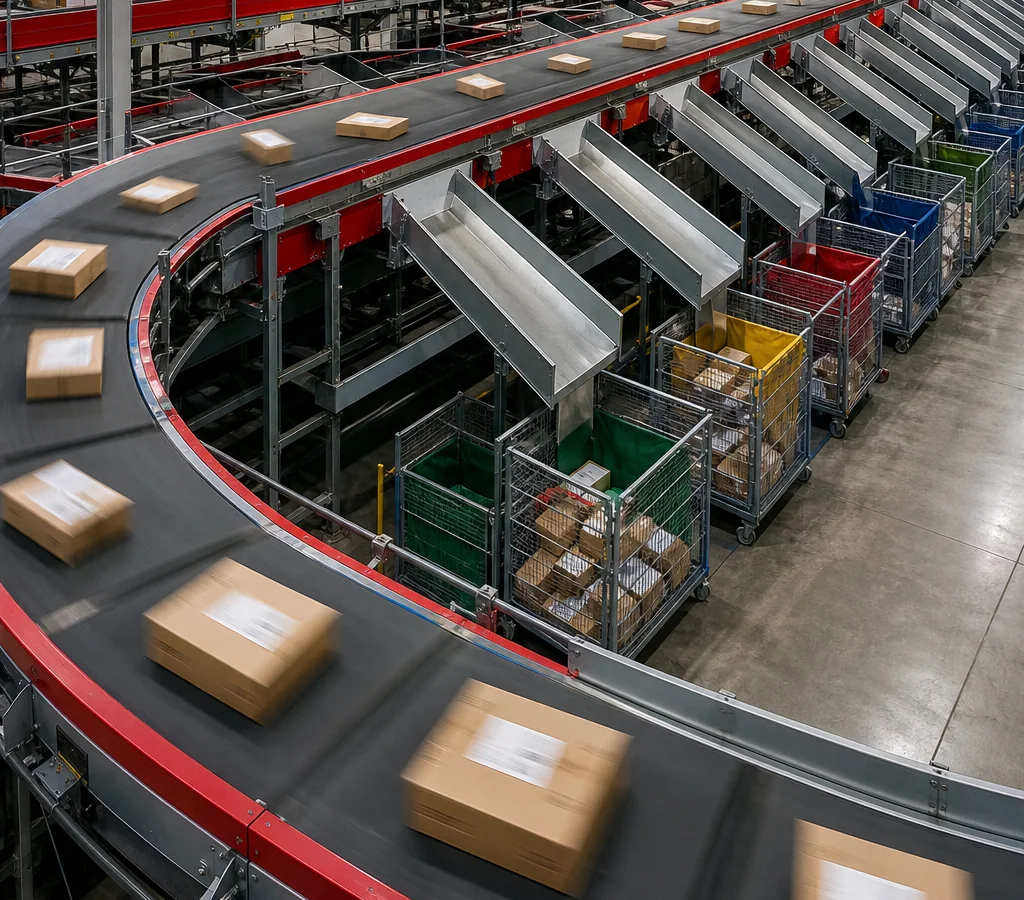
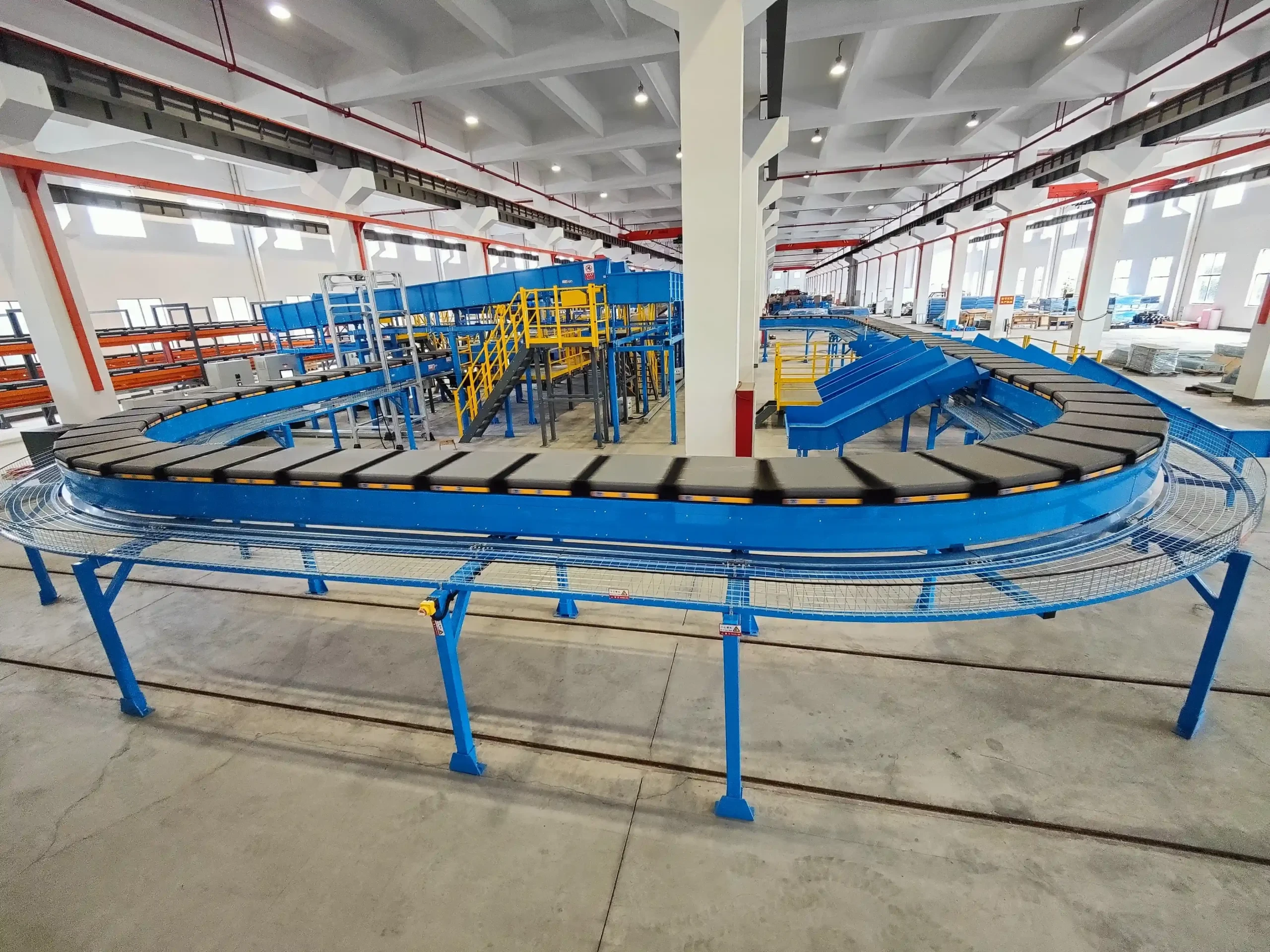
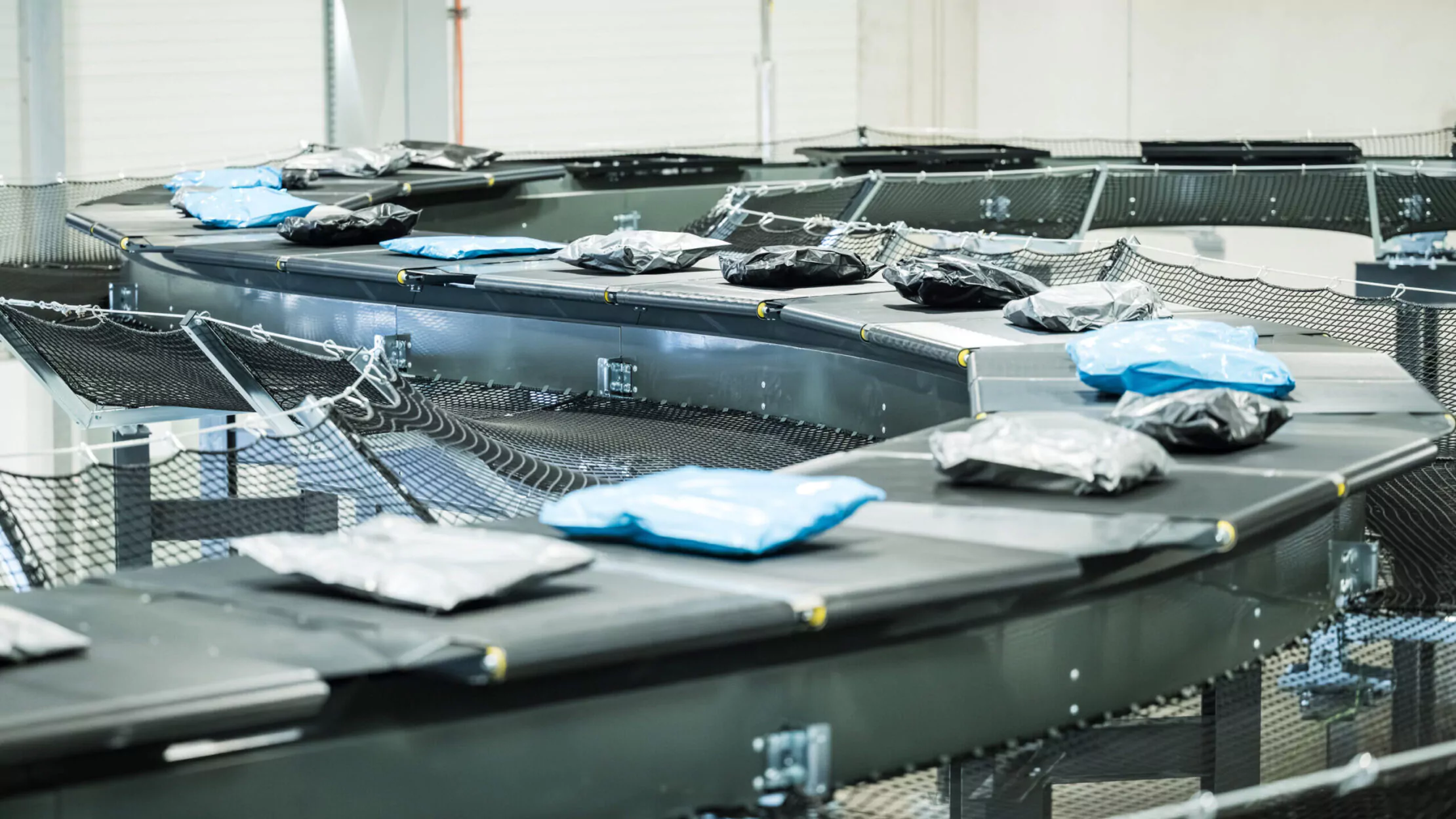
At the heart of many high-performance fulfillment centers sits one critical piece of equipment: the cross-belt sorter.
Known for its speed, accuracy, flexibility, and ability to handle a wide variety of products, the cross-belt sorting system has become a cornerstone of modern logistics automation. Whether processing parcels, apparel, pharmaceuticals, electronics, cosmetics, books, or e-commerce orders, cross-belt sorters help facilities achieve exceptional throughput while minimizing manual handling.
However, there is one challenge that every warehouse manager, maintenance engineer, and operations director understands all too well:
Downtime.
Even a few minutes of unexpected downtime can create bottlenecks that ripple across an entire operation. An hour-long interruption can delay thousands of orders. Extended downtime can lead to missed delivery windows, customer dissatisfaction, overtime labor costs, and significant revenue losses.
The question is simple:
How do leading logistics facilities keep their cross-belt sorters operating efficiently around the clock?
The answer lies in a combination of proactive maintenance, intelligent monitoring, operator training, system optimization, and data-driven decision-making.
Let’s explore the secrets behind achieving true 24/7 cross-belt sorter performance.
Why Cross-Belt Sorter Downtime Is So Expensive
Before discussing solutions, it’s important to understand the real cost of downtime.
Many companies only calculate repair expenses when evaluating equipment failures.
In reality, the financial impact is much larger.
Downtime often results in:
- Lost productivity
- Shipping delays
- Increased labor costs
- Order backlogs
- Customer complaints
- Missed service-level agreements
- Emergency maintenance expenses
- Reduced equipment lifespan
For high-volume distribution centers processing tens of thousands of packages per hour, every minute matters.
A sorter that stops unexpectedly can quickly become the most expensive piece of equipment in the building.
Understanding the Anatomy of a Cross-Belt Sorter
To maximize uptime, operators must understand the system’s critical components.
Most cross-belt sorters consist of:
- Carrier units
- Belt modules
- Drive motors
- Bearings
- Wheels and rollers
- Sensors
- PLC controls
- Communication systems
- Power supply systems
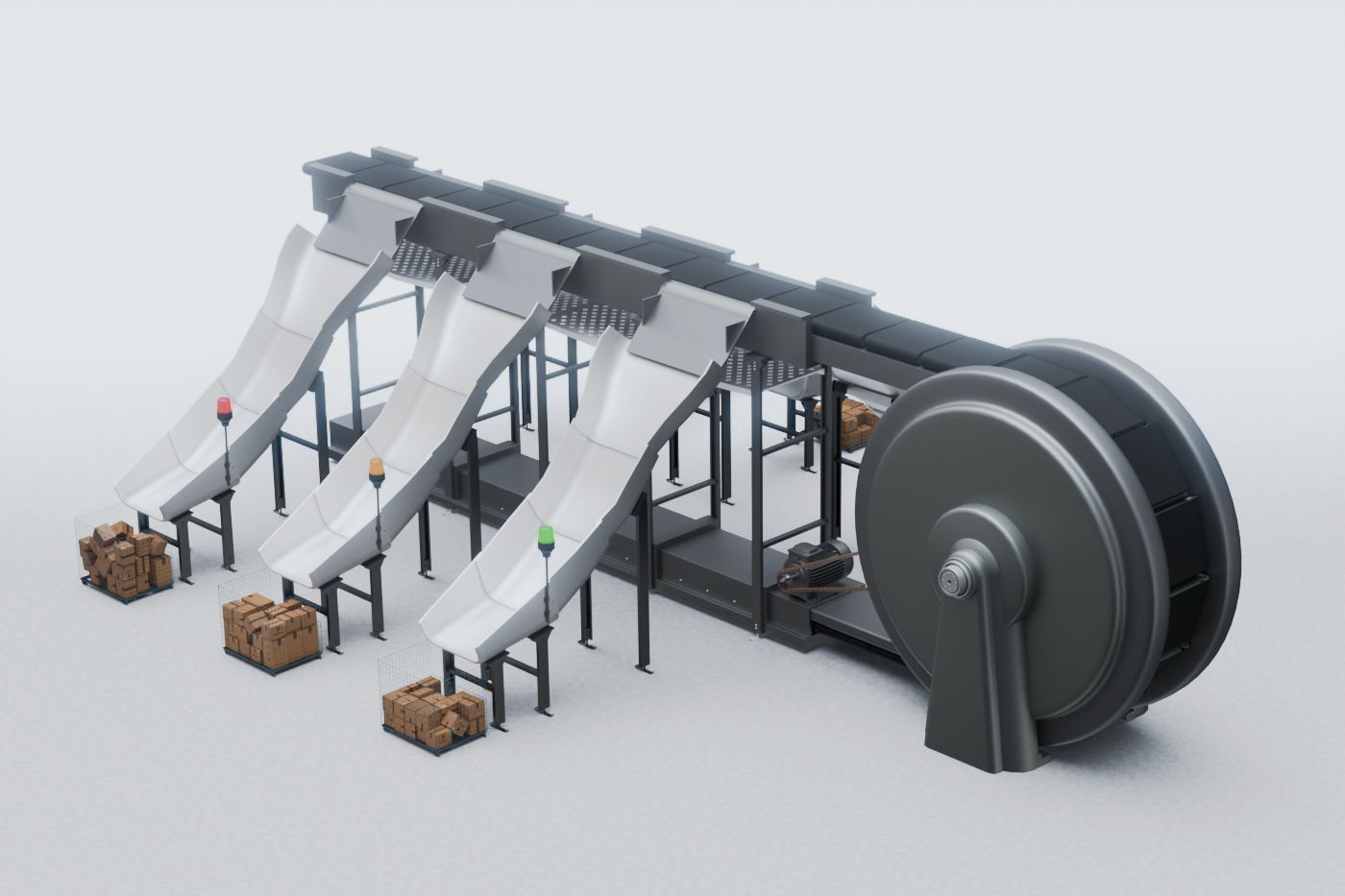
- Discharge chutes
- Barcode scanning systems
- Safety systems
Each component contributes to overall performance.
Failure of even a relatively inexpensive component can stop an entire sorting line.
This is why successful facilities focus on system-wide reliability rather than isolated repairs.
Secret #1: Shift from Reactive to Predictive Maintenance
Many warehouses still operate under a reactive maintenance model.
The approach is simple:
Wait until something breaks, then fix it.
While this may seem cost-effective initially, it often creates significant operational disruptions.
Predictive maintenance takes a completely different approach.
Using sensors, monitoring software, and historical performance data, maintenance teams can identify warning signs before failures occur.
Common predictive indicators include:
- Motor temperature changes
- Increased vibration levels
- Abnormal power consumption
- Belt wear patterns
- Bearing noise
- Speed inconsistencies
By identifying these signals early, maintenance teams can schedule repairs during planned maintenance windows rather than during peak production hours.
The result is dramatically improved uptime.
Secret #2: Monitor Critical Components in Real Time
Real-time monitoring has become one of the most valuable tools in modern logistics automation.
Today’s advanced cross-belt sorter systems generate massive amounts of operational data.
This data provides insights into:
- Throughput performance
- Motor health
- Carrier status
- Sensor functionality
- Energy consumption
- Sorting accuracy
- Mechanical wear
Facilities that leverage this information can detect abnormalities before they escalate into major failures.
For example:
A motor drawing slightly higher current than normal may indicate increasing friction.
Without monitoring, the issue remains hidden until the motor fails.
With monitoring, maintenance teams can intervene proactively.
This small action can prevent hours of downtime.
Secret #3: Develop a Comprehensive Preventive Maintenance Schedule
Preventive maintenance remains one of the most effective strategies for maintaining high equipment availability.
A structured maintenance program should include:
Daily inspections
Weekly inspections
Monthly inspections
Quarterly inspections
Annual overhauls
Maintenance activities should cover:
- Belt condition
- Roller wear
- Sensor calibration
- Lubrication
- Fastener integrity
- Electrical connections
- Safety mechanisms
- Communication systems
Consistency is critical.
Skipping maintenance because equipment appears to be operating normally often leads to larger issues later.
Secret #4: Keep Belts in Peak Condition
The cross-belt itself is one of the hardest-working components in the system.
Every package movement depends on proper belt performance.
Common belt-related issues include:
- Misalignment
- Surface wear
- Contamination
- Stretching
- Mechanical damage
Poor belt condition can result in:
- Mis-sorts
- Product damage
- Reduced throughput
- System shutdowns
Routine inspections should focus on:
- Belt tension
- Surface integrity
- Tracking accuracy
- Debris accumulation
Maintaining optimal belt condition significantly improves operational reliability.
Secret #5: Never Ignore Sensor Health
Cross-belt sorters rely heavily on sensors.
These devices guide package identification, positioning, routing, and discharge timing.
A malfunctioning sensor can cause:
- Sorting errors
- Throughput reductions
- Package collisions
- Complete system interruptions
Key sensor types include:
- Photoelectric sensors
- Position sensors
- Barcode readers
- Proximity sensors
- Safety sensors
Regular cleaning and calibration are essential.
Dust accumulation alone can compromise sensor accuracy.
A simple cleaning routine often prevents major operational problems.
Secret #6: Invest in Operator Training
Technology is only as effective as the people managing it.
One of the most overlooked causes of downtime is inadequate operator training.
Well-trained operators can:
- Identify abnormalities early
- Respond to alarms correctly
- Perform routine inspections
- Prevent minor issues from escalating
Training should include:
- Equipment fundamentals
- Troubleshooting procedures
- Emergency response protocols
- Safety practices
- Performance monitoring
Facilities with highly trained teams consistently experience lower downtime rates.
Secret #7: Manage Spare Parts Strategically
Nothing extends downtime like waiting for replacement parts.
Unfortunately, many facilities underestimate spare parts requirements.
A comprehensive spare parts strategy should prioritize:
Critical components
High-wear components
Long lead-time components
Frequently replaced components
Typical inventory items include:
- Sensors
- Motors
- Rollers
- Bearings
- Belts
- Drive assemblies
- Electronic modules
The goal is not excessive inventory.
The goal is ensuring critical components are available when needed.
Secret #8: Optimize System Load Distribution
Overloading specific sections of a sorter accelerates wear.
Uneven package distribution often leads to:
- Increased mechanical stress
- Premature component failure
- Throughput bottlenecks
Advanced warehouse management systems can help distribute workloads more evenly across sorting zones.
Balanced utilization extends equipment life while improving efficiency.
Secret #9: Maintain Clean Operating Conditions
Dust, debris, packaging residue, and product fragments are major enemies of automated sorting systems.
Contaminants can affect:
- Sensors
- Bearings
- Rollers
- Motors
- Electrical systems
A clean facility supports:
- Better reliability
- Improved safety
- Lower maintenance costs
- Higher sorting accuracy
Many top-performing facilities incorporate daily cleaning procedures directly into operational schedules.
Clean equipment lasts longer.
Secret #10: Leverage Data Analytics
Data has become one of the most powerful maintenance tools available.
Modern sorter systems generate valuable operational metrics, including:
- Throughput trends
- Error rates
- Failure frequency
- Component lifespan
- Maintenance history
Analyzing this information helps facilities identify recurring problems and optimize maintenance schedules.
Instead of relying on assumptions, decisions become evidence-based.
Data-driven maintenance consistently outperforms reactive approaches.
Secret #11: Reduce Mechanical Stress
Mechanical stress is a leading contributor to premature equipment wear.
Common causes include:
- Excessive speed settings
- Overloaded carriers
- Sudden stops
- Poorly configured discharge points
System optimization should balance productivity and equipment longevity.
Running at maximum speed 100% of the time may increase short-term output but often accelerates long-term wear.
Sustainable performance is the real goal.
Secret #12: Utilize Remote Diagnostics
Remote monitoring and diagnostics are becoming standard features in advanced sorting systems.
These capabilities allow specialists to:
- Analyze system performance remotely
- Identify potential failures
- Provide troubleshooting support
- Reduce repair response times
Remote diagnostics significantly reduce mean time to repair (MTTR).
Faster diagnosis means faster recovery.
Secret #13: Build a Reliability-Focused Culture
Technology alone cannot eliminate downtime.
Successful facilities cultivate a culture of reliability.
This includes:
- Accountability
- Continuous improvement
- Cross-functional communication
- Preventive thinking
- Data-driven decision making
Every employee—from operators to maintenance technicians to management—plays a role in maximizing uptime.
Reliability becomes part of the organization’s mindset.
The Role of Automation and Artificial Intelligence
Artificial intelligence is transforming maintenance strategies.
AI-powered systems can:
- Predict failures
- Detect anomalies
- Optimize maintenance schedules
- Improve spare parts planning
- Enhance throughput forecasting
As logistics operations continue evolving, AI-driven maintenance will become increasingly important.
Facilities that embrace these technologies will gain significant operational advantages.
Measuring Success: Key Performance Indicators
To evaluate sorter performance, facilities should track:
- Equipment uptime
- Throughput rate
- Mean time between failures (MTBF)
- Mean time to repair (MTTR)
- Sorting accuracy
- Maintenance cost per operating hour
- Energy efficiency
Regular KPI reviews help identify opportunities for improvement.
What gets measured gets improved.
The Competitive Advantage of Maximum Uptime
Cross-belt sorters are no longer optional investments for high-volume logistics operations.
They are mission-critical assets.
Facilities that achieve exceptional uptime enjoy:
- Faster order fulfillment
- Lower operating costs
- Improved customer satisfaction
- Higher throughput
- Greater scalability
- Better return on investment
In a market where delivery speed increasingly influences customer loyalty, uptime becomes a competitive advantage.
Conclusion
Keeping a cross-belt sorter running efficiently 24 hours a day, seven days a week is not the result of luck. It is the outcome of disciplined maintenance practices, intelligent monitoring, proactive planning, skilled personnel, and continuous optimization.
The most successful logistics operations understand that downtime is not merely a maintenance issue—it is a business issue. Every minute of lost productivity affects operational efficiency, customer experience, and profitability.
By embracing predictive maintenance, real-time monitoring, preventive inspections, operator training, spare parts management, data analytics, and emerging AI technologies, organizations can dramatically reduce downtime and unlock the full potential of their sorting systems.
In today’s logistics landscape, the goal is no longer simply repairing equipment when it breaks.
The goal is ensuring it never stops in the first place.
That is the true secret behind keeping cross-belt sorters running efficiently around the clock.