
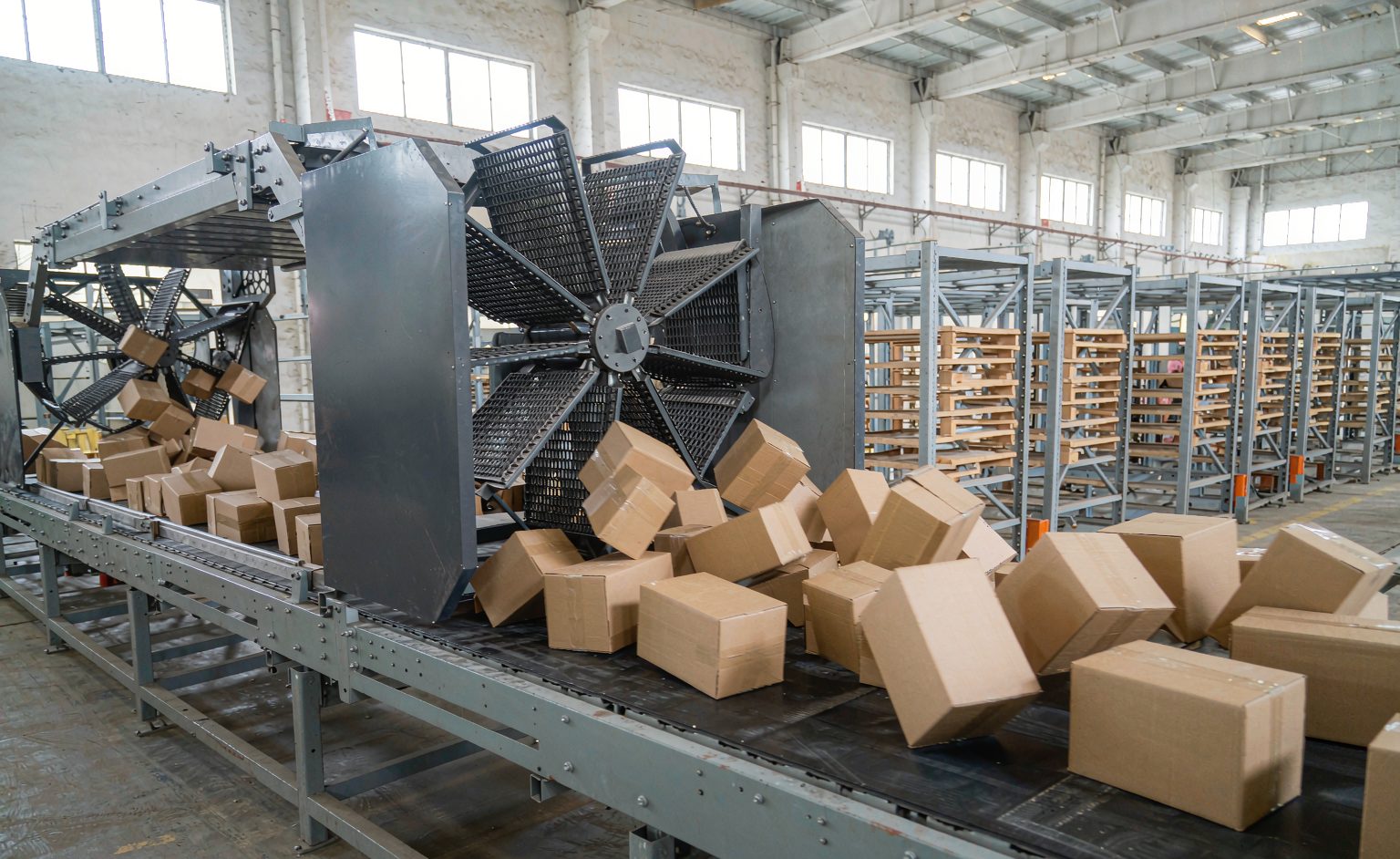
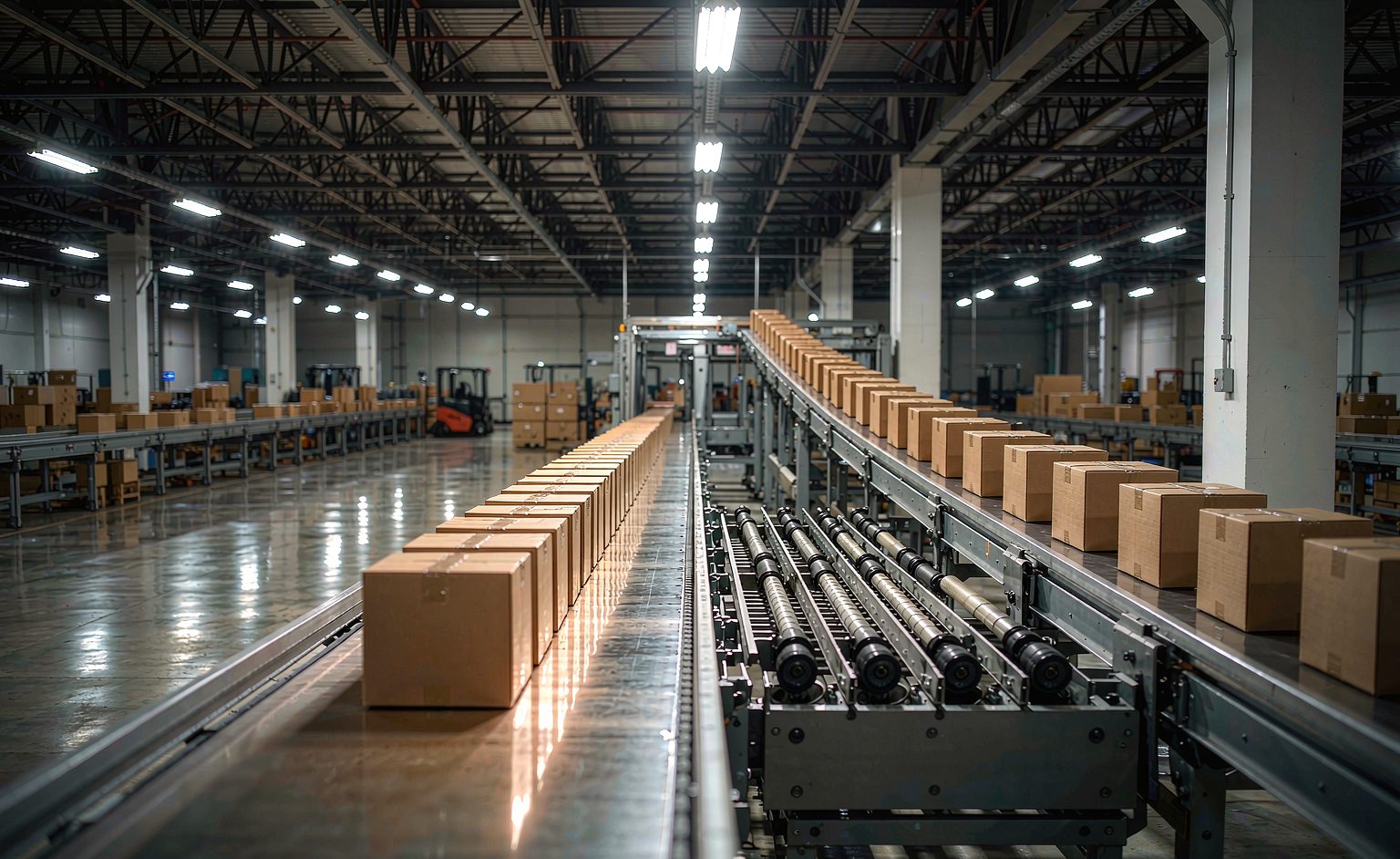
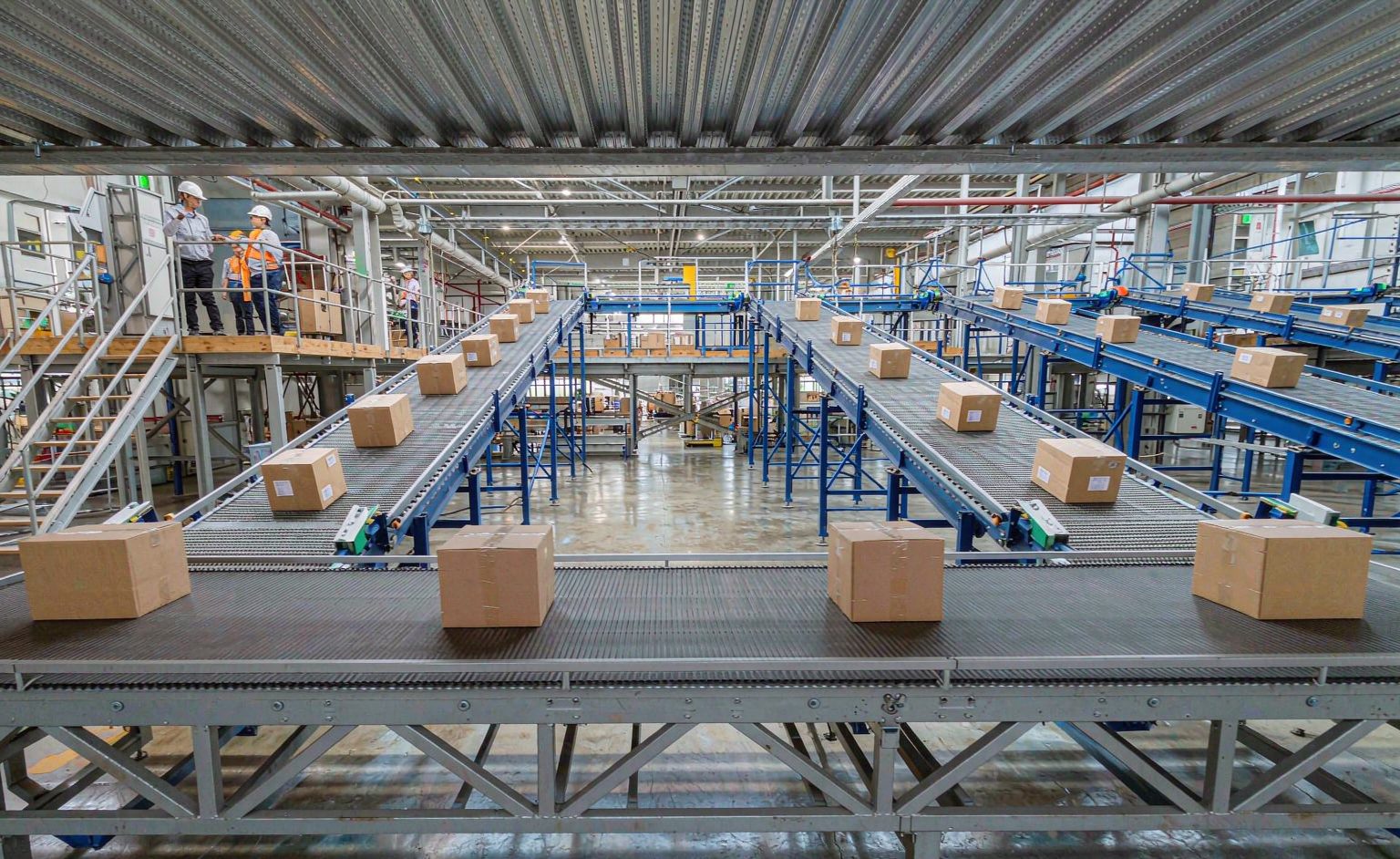
The future of warehouse operations is undeniably automated. From smart robotics to AI-powered software, the automation revolution is reshaping how goods are stored, picked, sorted, and shipped. As companies face increasing pressure to optimize costs and improve service levels, several key trends are leading the transformation:
-
AI and Machine Learning Integration: Predictive analytics and intelligent route planning are enhancing warehouse productivity and reducing errors in sorting and dispatch.
-
Scalable Automation Solutions: Modular systems allow businesses to scale operations quickly without massive infrastructure changes, providing flexibility in dynamic markets.
-
Labor Augmentation, Not Replacement: Automation is increasingly used to assist human workers by handling repetitive or hazardous tasks, leading to safer and more productive environments.
-
Sustainability-Driven Innovations: Energy-efficient motors, recyclable materials, and compact system designs are gaining popularity as companies strive to lower their environmental impact.
As warehouse automation becomes more accessible, businesses of all sizes are embracing digital transformation to stay competitive. The convergence of hardware and software is creating a new standard in logistics — one that is faster, smarter, and more responsive than ever before.
Warehouse Automation Trends: The Four That Survive Scrutiny
Warehouse automation produces trends faster than warehouses produce budgets. Four current trends survive scrutiny, each with its buying implication:
| Trend | Evidence it is real | Buying implication |
|---|---|---|
| Goods-to-person maturity | Installed base doubling; unit economics published | Pick-face design must anticipate it |
| Software-defined warehouses | Orchestration layers replacing point controllers | Buy systems that speak orchestration APIs |
| Vision replacing fixures | Depth cameras handling mixed, randomised flows | Induction flexibility matters more than speed |
| Robot-sorter hybrid cells | AMRs feeding loops at reference sites | Floor plans need charging and traffic lanes |
The fixture-replacement row carries the widest relevance to sorting. Fixed scanner arches and guided chutes assumed parcels presented themselves predictably; vision systems abandon that assumption, reading and routing whatever arrives however it arrives. For buyers this shifts the specification centre of gravity: the question is no longer “what rate on ideal parcels?” but “what rate on your worst week’s reality?” — and vendors with genuine vision competence answer it with your data, not their demo reel. The hybrid-cell row is the trend most often premature: real at reference scale, still expensive at general scale, worth designing floor space for rather than buying into early. Trends, in short, deserve different postures — adopt the mature, prepare for the credible, watch the promising. The future-proofing decisions behind this are in four decisions that age well, and the technology layers in where innovation lands. Reference: warehouse automation and autonomous mobile robots.
The four trends also arrive on different clocks by market — software-defined sortation matures globally while its labour-saving value diffuses locally at the speed of wage curves. Reading the adoption literature alongside your own market’s wage trajectory predicts arrival better than any global forecast, and early movers in late markets capture the scarcity premium of being first. Reference: innovation diffusion and adoption lifecycles.
The Warehouse-Scale View
Zoom out from the sorter and the warehouse-scale picture appears: induction feeds, singulation, sortation, dispatch waves — a chain whose rate is its slowest honest link. The warehouse-level framing of that chain, and where sorting sits inside it, is in the warehouse automation solutions.