

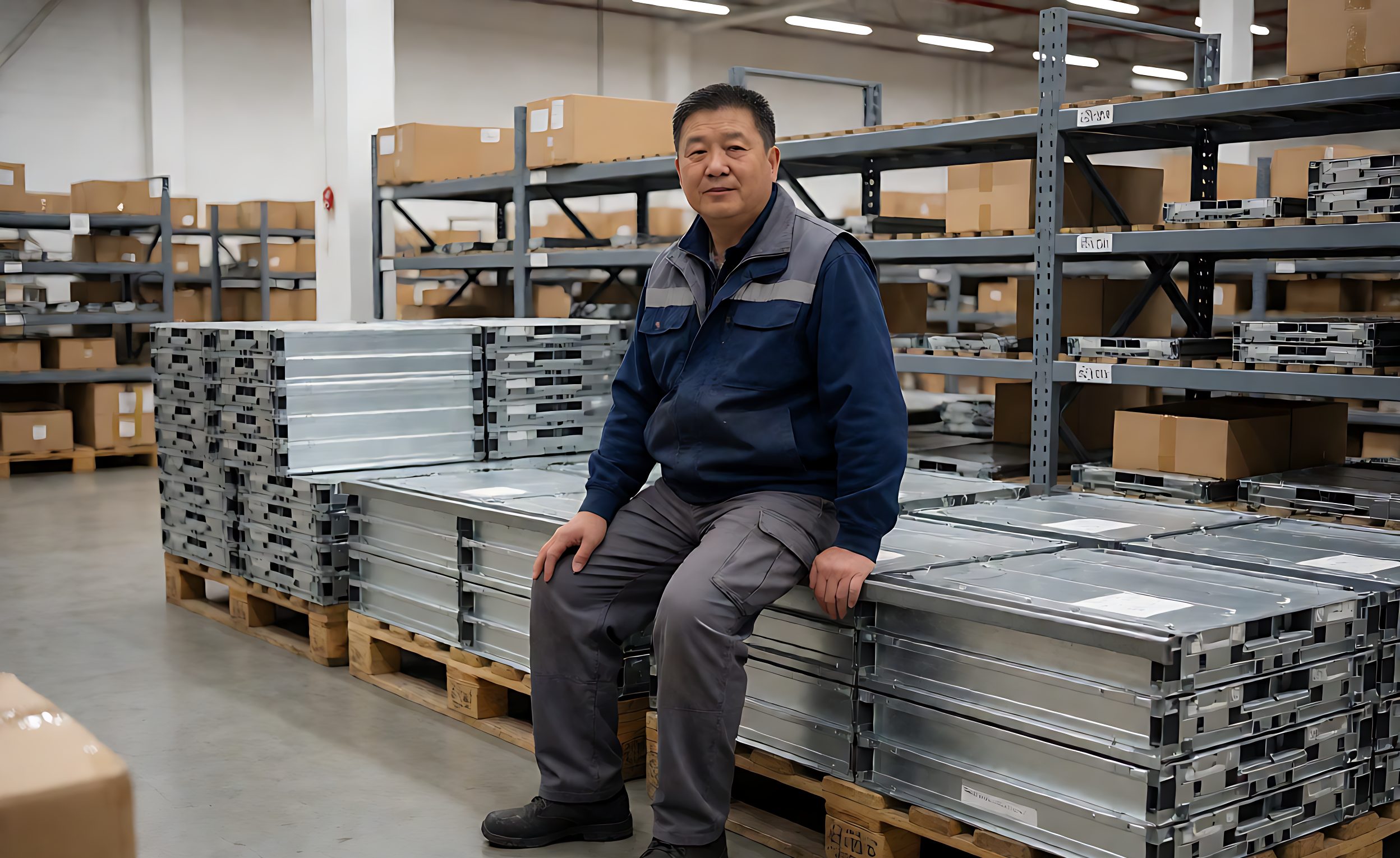


A sorter is a system which performs sortation of products (goods, luggage, mail, etc.) according to their destinations.
Different technologies can be selected to meet the different speed and capacity requirements e.g. pivot wheels, cross belt, etc.
4 benefits of sorter are:
- Increased worker productivity
- Accurate order processing
- Improved process visibility
- Improved working conditions for warehouse operators
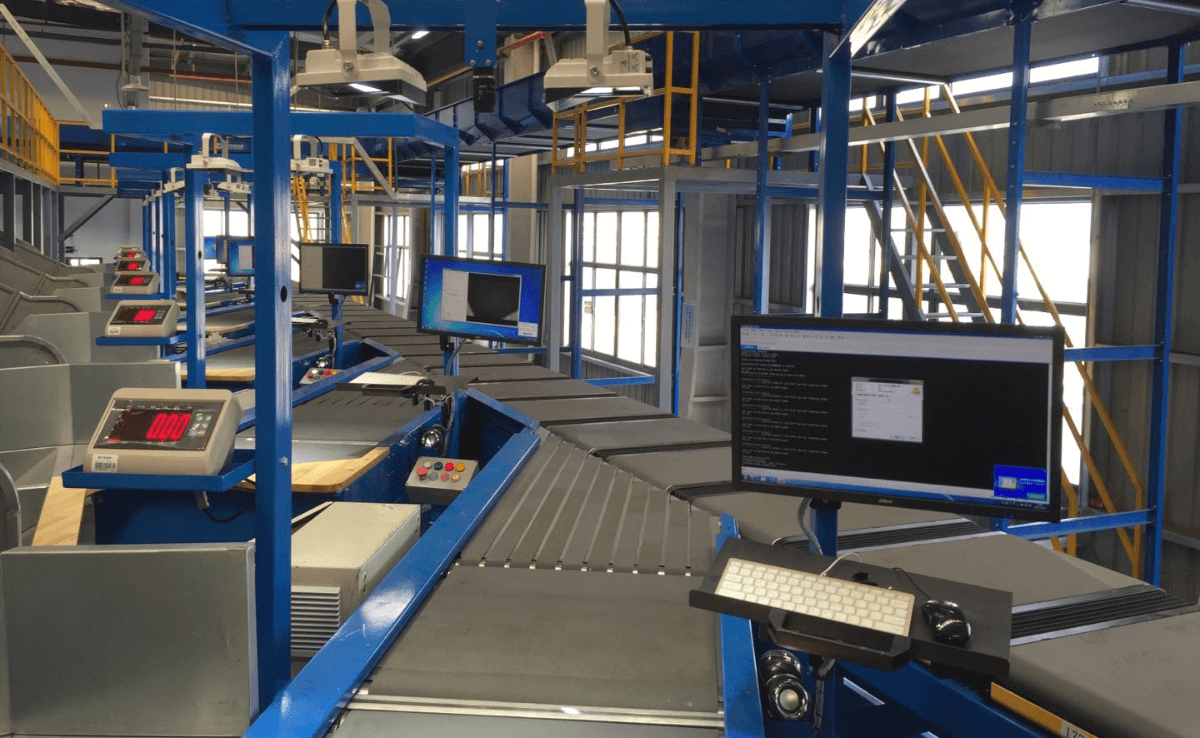
Cross Belt Sorting System
Crossbelt sorter is a high speed and high accuracy sortation system made up of a chain of bi-directional mini-conveyors. It features to provide crucial gains in productivity with benefits such as high sorting throughput for a vast range of products, higher precision, gentle and safe sortation according to destinations.
Benefits:
- Sorting accuracy up to 99.9%
- Productivity 6x Increment
- Increased worker productivity
- Accurate order processing
- Improved process visibility
- Improved working conditions for warehouse operators
Sortation Technologies Compared: Choosing by Profile, Not Popularity
Every sorter technology has a parcel profile where it wins. The comparison that matters is yours:
| Technology | Strength | Best-fit profile |
|---|---|---|
| Cross-belt | Gentle, precise diverts at high rate | Mixed parcels, apparel, fragile |
| Split-tray | Compact, fast changeover of destinations | Small-to-mid parcels, high SKU count |
| Tilt-tray | Proven, economical at scale | Uniform parcels, long loops |
| Sliding shoe | Very high rate on flat parcels | Parcel/postal hubs, polybags |
| Pouch systems | Single-item buffering built in | Apparel e-commerce, wave decoupling |
Popularity is a lagging indicator. Cross-belt’s current dominance reflects its genuine versatility, but the floor space, capital and maintenance it demands are real; a split-tray that fits your building and your parcels beats a cross-belt that fits neither. The comparison exercise worth doing is brutal and cheap: take one week of real parcel data — dimensions, weight distribution, fragility flags, destination spread — and score each technology against that profile, not against a generic benchmark. Facilities that skip this step often discover their sorter was chosen by a trade-show impression and then spend years compensating for a profile mismatch the data would have caught in an afternoon. The induction that feeds whichever loop you choose is analysed in anatomy of a sorting solution, and the flow context in five flows, one backbone. Reference: material-handling equipment and sortation.
The scoring exercise’s hidden benefit is the vocabulary it creates. After one week of honest parcel data, operations teams can discuss their mix in numbers — the irregular share, the weight distribution, the destination spread — and those numbers carry into every subsequent conversation: vendor selection, layout design, even labour planning. Facilities that never run the exercise keep discussing their parcels in adjectives, and adjectives negotiate poorly. The exercise also ages well: rerun it annually, the same protocol measures the mix drift that quietly invalidates last year’s assumptions, making it the cheapest continuous-improvement instrument a warehouse can own. Reference: data-driven decisions and process control.
The Warehouse-Scale View
Zoom out from the sorter and the warehouse-scale picture appears: induction feeds, singulation, sortation, dispatch waves — a chain whose rate is its slowest honest link. The warehouse-level framing of that chain, and where sorting sits inside it, is in the warehouse automation solutions.