
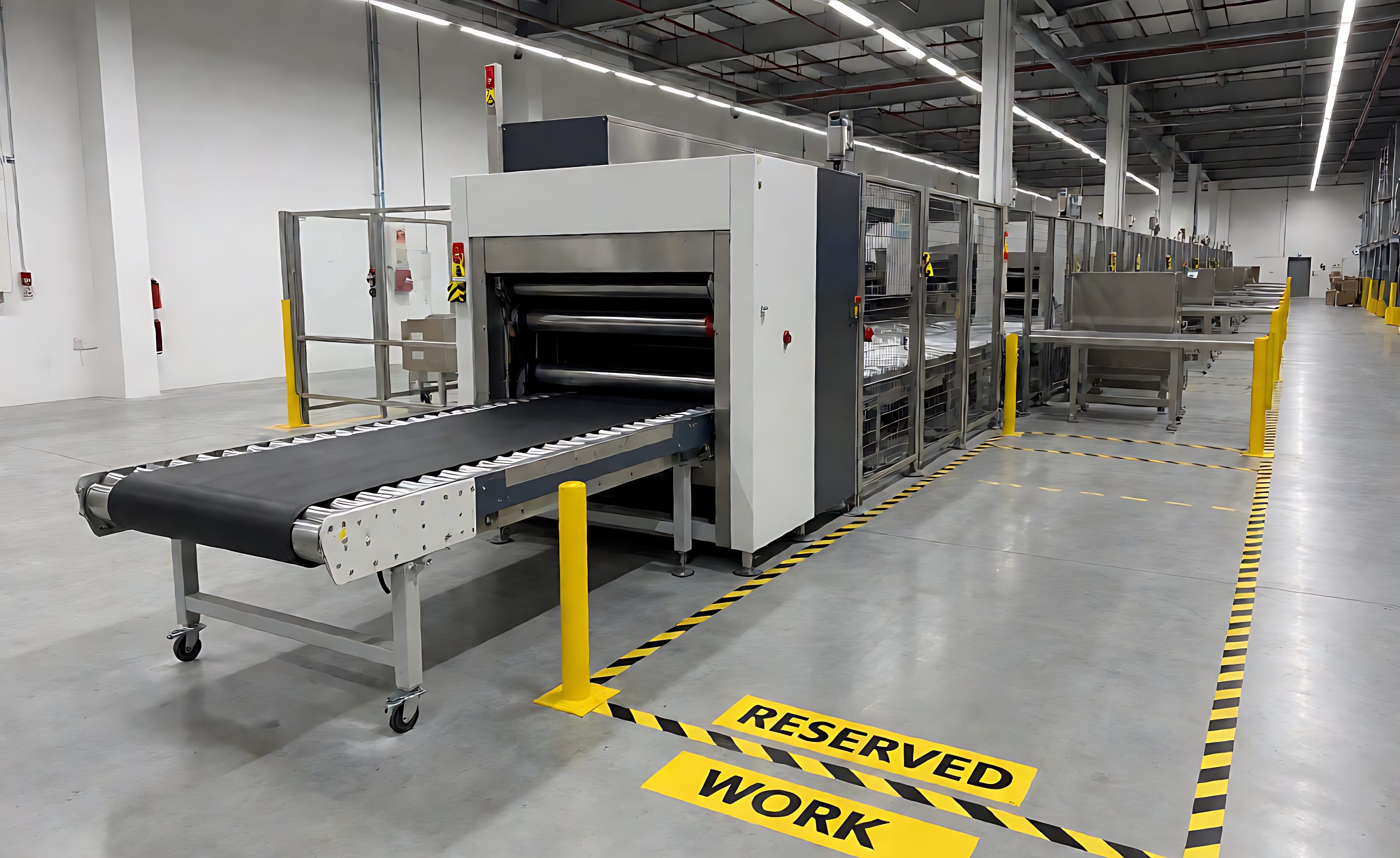

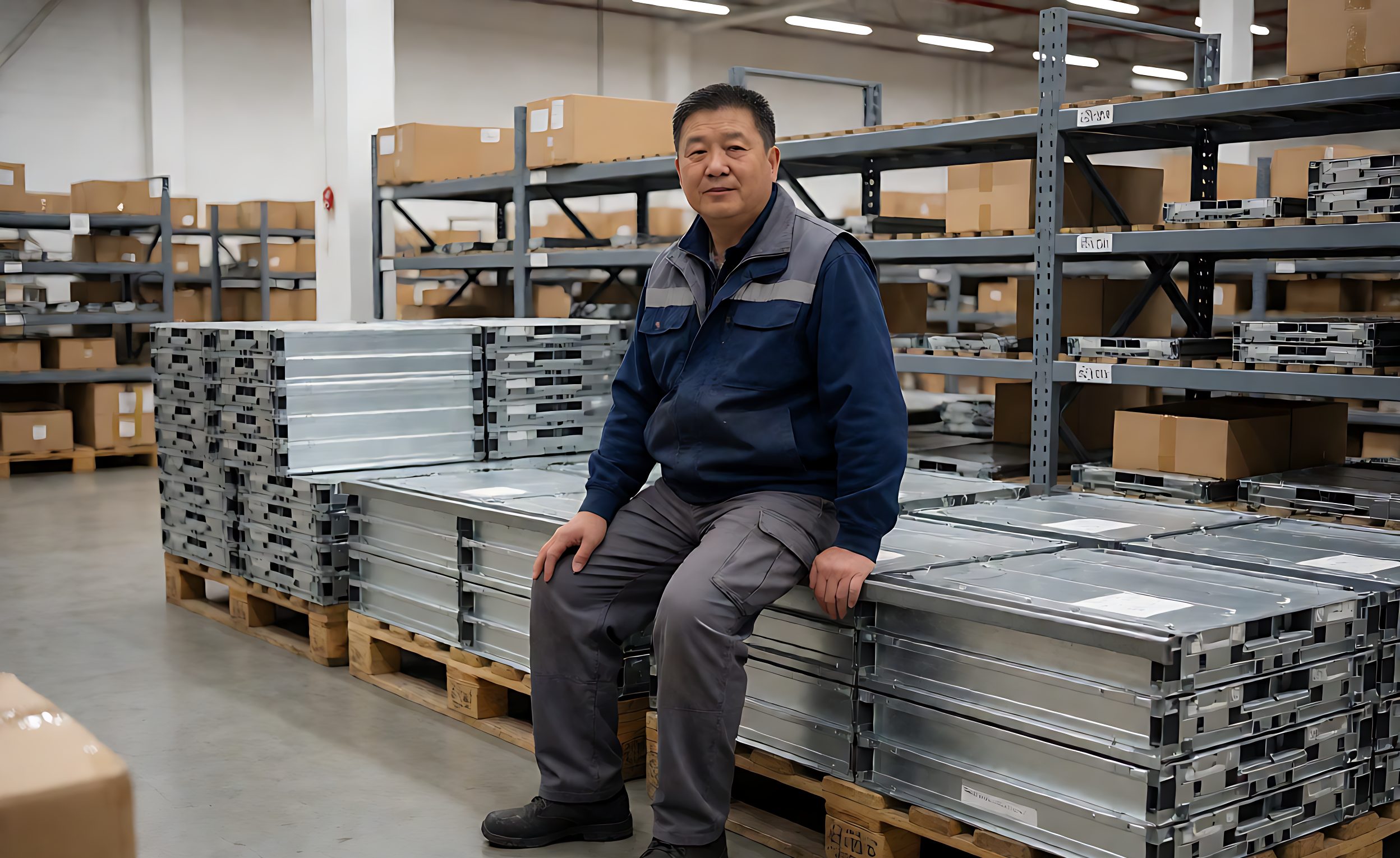

As global trade and e-commerce continue to expand, warehouses are evolving from simple storage facilities into high-tech fulfillment centers. Automation is at the heart of this transformation, enabling faster, more accurate, and more cost-efficient operations.
From automated guided vehicles (AGVs) and robotic picking arms to advanced conveyor and sorting systems, the integration of smart technology is reshaping the way goods move through a facility. These systems not only reduce manual labor but also minimize human error, ensuring orders are processed correctly and on time.
Moreover, with labor shortages affecting many regions, automation offers a sustainable solution to maintain productivity. As technology continues to advance, the next generation of warehouses will rely even more on AI-driven decision-making, predictive analytics, and interconnected systems to meet the demands of a rapidly changing market.
Five Warehouse Flows, One Sorting Backbone
Warehouse operations are usually described as a sequence of separate functions. In automated facilities they share one physical backbone, and the sorter is its heart:
| Flow | What the backbone does for it |
|---|---|
| Receiving | Inducts inbound cartons to putaway zones by family |
| Putaway | Batches cartons by aisle to cut travel |
| Replenishment | Feeds forward-pick faces on schedule, not on stockout |
| Order picking | Consolidates picked items to packing by order |
| Returns | Routes graded returns to re-stock, refurbish or disposal |
Running five flows over one backbone changes the economics of each. Receiving that sorts to putaway zones eliminates a second handling; replenishment that shares the loop with outbound fills faces in otherwise idle hours. But the shared backbone also concentrates risk: when it stops, five flows stop with it, which is why segment-level redundancy and a rehearsed manual fallback are not optional extras but design requirements. Buyers should ask to see the fallback plan executed, not just documented — a thirty-minute demonstration of degraded-mode operation reveals more about system maturity than any brochure. The metrics that prove the backbone works are in sorting efficiency quantified, and the greener side of shared infrastructure in smarter, faster, greener logistics. Reference: warehouse operations and warehouse management systems.
Sizing the Backbone: The Arithmetic That Matters
One backbone serving five flows needs honest arithmetic on coincidence — the flows do not peak together, but they overlap more than a single-flow analysis suggests. The sizing exercise starts with a 24-hour volume curve per flow, overlaid: receiving arrives in trailer waves, replenishment follows pick depletion, outbound compresses before cut-offs, returns lag outbound by days. The sorter’s design rate is not the sum of the peaks but the integral of their overlap, plus the recovery headroom for the worst hour. Under-sized backbones show a specific symptom: each flow works perfectly alone, and the loop jams whenever two peak together — usually within the first month of full operation. Over-sizing wastes the very capital the project was justified on. The defensible middle comes from measured curves, not design-day fictions, and it is the one specification conversation where operations data outranks vendor guidance every single time.
The Warehouse-Scale View
Zoom out from the sorter and the warehouse-scale picture appears: induction feeds, singulation, sortation, dispatch waves — a chain whose rate is its slowest honest link. The warehouse-level framing of that chain, and where sorting sits inside it, is in the warehouse automation solutions.