



A sortation line changes the electrical character of a building. It is a large, distributed, continuously cycling load with sensitive controls attached to it, and it draws power in a pattern that a warehouse designed for lighting and racking was never asked to serve. Most electrical problems on sorter projects are not capacity problems – they are distribution, quality and recovery problems that surface after energisation, when the fixes involve new containment and downtime.
Planning the supply means answering four questions before the electrical design is frozen: how much power, where it is distributed from, what quality the controls need, and what happens when the supply disappears.

Load, Duty Cycle and Diversity
The number to work from is not the nameplate total of every motor, because not everything runs at once. It is the expected draw at the throughput you will actually operate, with a duty profile attached: start-up, steady running, idle periods and shutdown. That profile shapes everything downstream – transformer sizing, cable sizing, and the heat the building has to remove.
Two refinements matter. First, starting and accelerating a loaded loop draws considerably more than running it, and the design has to tolerate that transient. Second, the pattern changes with expansion: a line extended in three years will be fed from the infrastructure installed today, so the design should state its headroom rather than silently assume none is needed.
Distribution Topology Inside the Sort Hall
Decide early where the line is fed from and how power is distributed around it. A single large feed with local distribution is simpler to operate; several zone feeds give better fault selectivity and make maintenance isolation easier. Either is defensible; what matters is that the topology is coordinated with the machine layout while both are still drawings.
- Feed point and capacity: agreed in writing, with the voltage and fault level the equipment is designed for.
- Isolation and lockout: the ability to isolate a zone for maintenance without darkening the whole hall.
- Containment and routing: cable trays and conduit runs that do not conflict with chutes, access routes or sprinkler coverage.
- Spare capacity: physical space in trays and panels for the additions everyone expects later.
Power Quality and What It Does to Controls
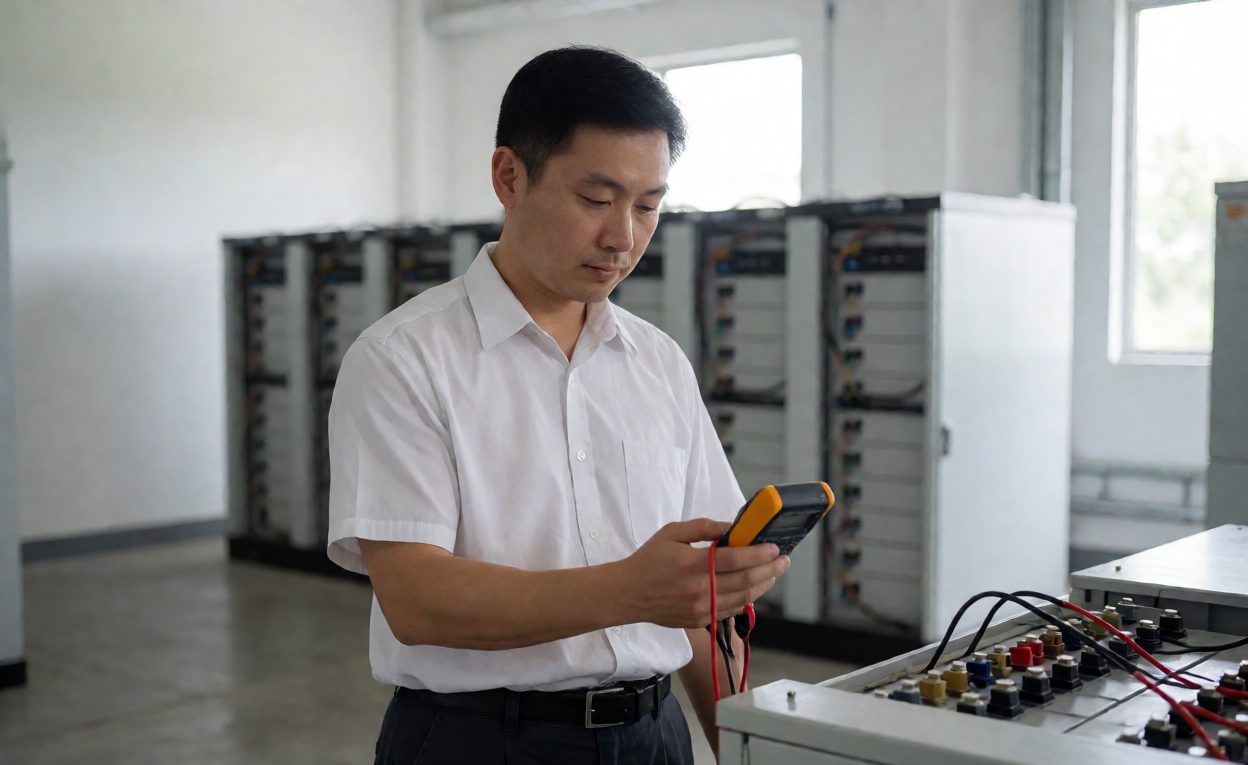
Controls, drives and scanning equipment are less tolerant of poor power than motors are. Voltage dips, harmonics from large drive populations and switching transients produce faults that look like software problems: scanners dropping out, communications resetting, drives tripping on a healthy machine. The result is intermittent downtime that is expensive to diagnose because nothing appears to be broken.
The mitigation is partly specification – equipment rated for the supply conditions it will actually see – and partly design: segregation of power and data cabling, appropriate earthing and bonding, and surge protection at the right points. Asking the supplier to state the supply conditions its equipment requires is a legitimate and revealing procurement question.
Standby Power and the Recovery Sequence
Decide what must survive an outage, because “everything” is rarely the economic answer. The usual split is: controls, network and safety systems must ride through without interruption; the motive power of the loop can stop and restart; and building services such as lighting and ventilation need enough cover to make the restart safe. Sizing backup for the whole machine is expensive and often unnecessary.
The recovery sequence deserves more attention than the equipment. After an outage, the line has parcels distributed around the loop, drives at rest and a control system that needs to re-establish its state. A documented restart procedure – what is checked, in what order, and who authorises it – turns an event into a short interruption instead of an afternoon of diagnosis. That procedure should be rehearsed during commissioning, not written during the first real outage.
Technical Background
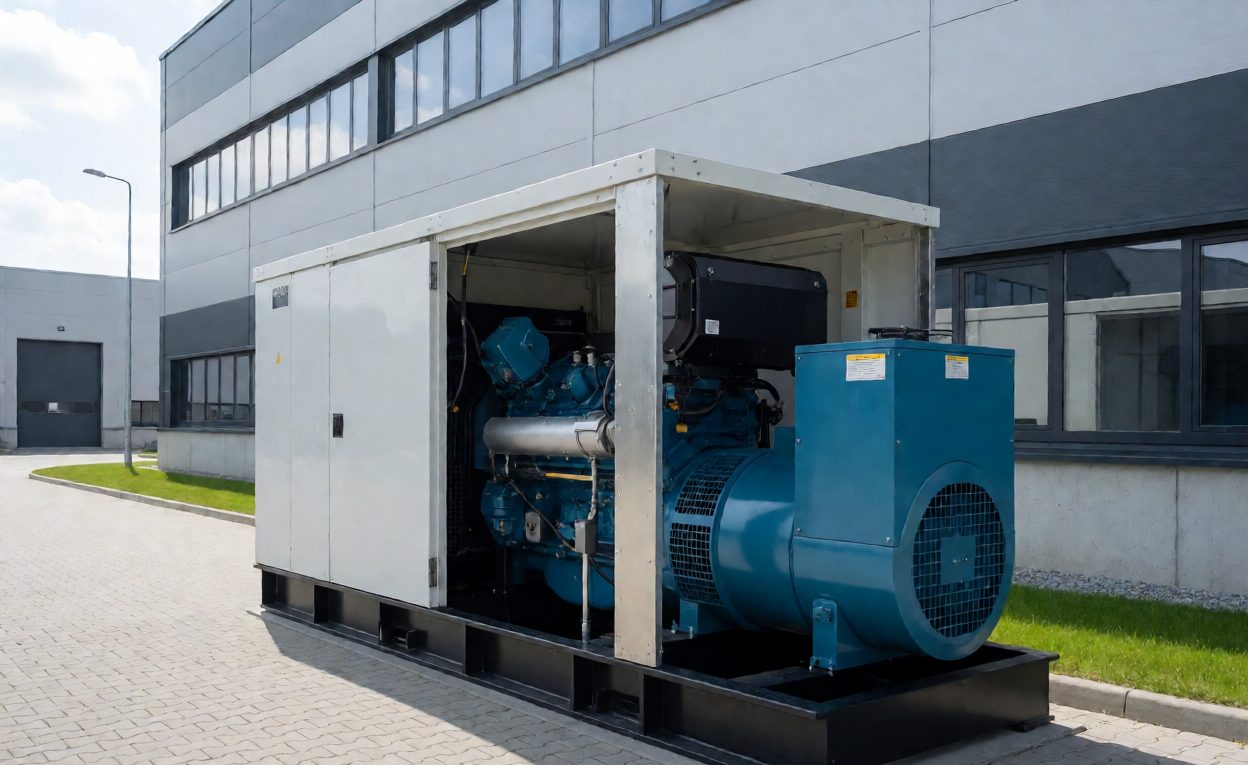
The device that carries sensitive controls across a short interruption is the uninterruptible power supply, sized for the controls load rather than the whole machine. Longer outages are covered by site generation, commonly a diesel generator with automatic transfer, and the distribution arrangement behind both sits within electric power distribution practice, which is where selectivity, protection and earthing are decided.
What to Lock Down in the Contract
Four commitments are worth having in writing: the supply conditions the equipment requires, the measured draw at the contracted throughput, the heat dissipation figures that follow from it, and the restart procedure with its training obligation. These are the same numbers that appear in the operating cost model and the thermal design, so agreeing them once prevents three separate arguments later.
The consumption side of the same question – what the line costs to run and how the duty profile shapes it – is modelled in sorter energy consumption and operating cost. The physical provisions for power belong in the site readiness checklist, and the thermal consequence of the draw is covered in heat and HVAC load planning. Protection settings and restart behaviour should be verified during FAT and SAT acceptance testing, and the equipment that carries controls through an outage belongs on the priority list in the critical spares list.
Frequently Asked Questions
How much standby power does a sorter need?
Enough to carry controls, network and safety systems without interruption, plus building services for a safe restart. Sizing backup for full motive power is rarely economic.
Why do controls fault when nothing is broken?
Usually power quality: voltage dips, harmonics from drives or switching transients produce intermittent faults that look like software problems.
Should power and data cabling be segregated?
Yes. Segregation, earthing and bonding are among the cheapest defences against intermittent control and scanner faults.
What load figure should the design use?
Expected draw at real operating throughput with the duty profile attached, not the sum of nameplate ratings on every motor.
Does starting the line affect the supply?
Yes; accelerating a loaded loop draws substantially more than steady running, and the design must tolerate that transient.
Who authors the restart after an outage?
A named person following a documented procedure rehearsed during commissioning. Writing it during the first real outage is how interruptions become long ones.
Should spare electrical capacity be installed now?
Usually yes, at least in trays and panel space, because a line extended later is fed from the infrastructure installed today.