

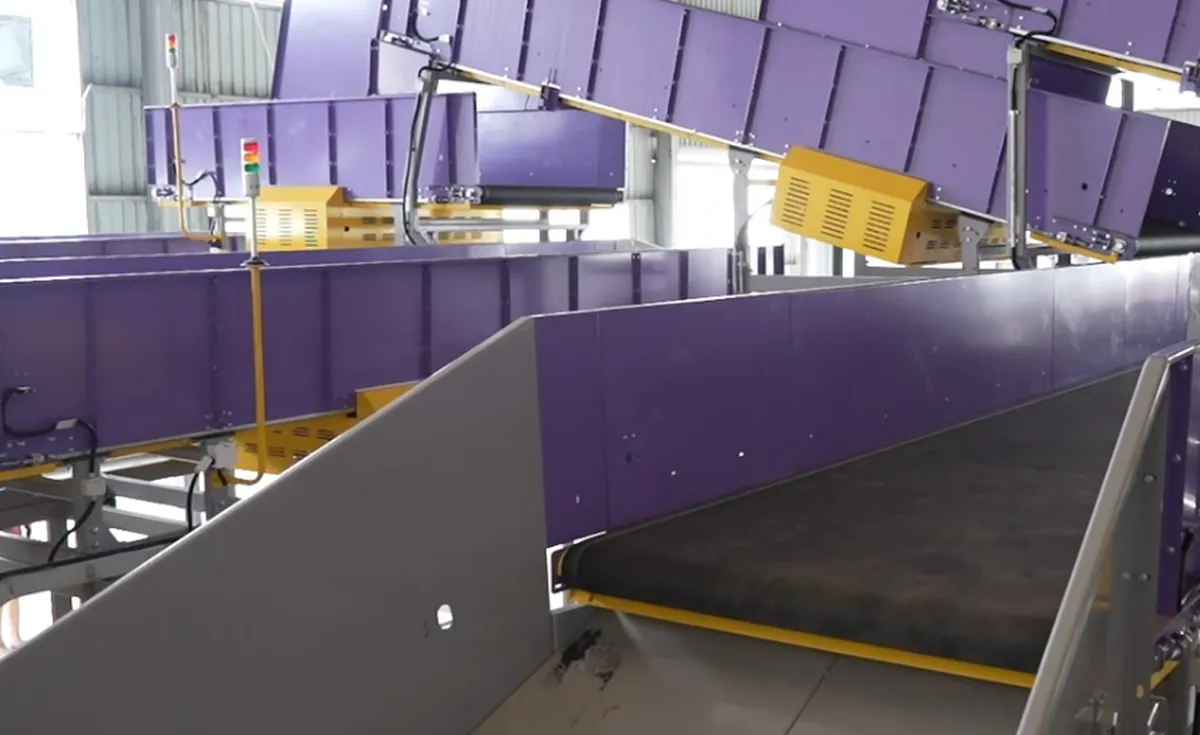
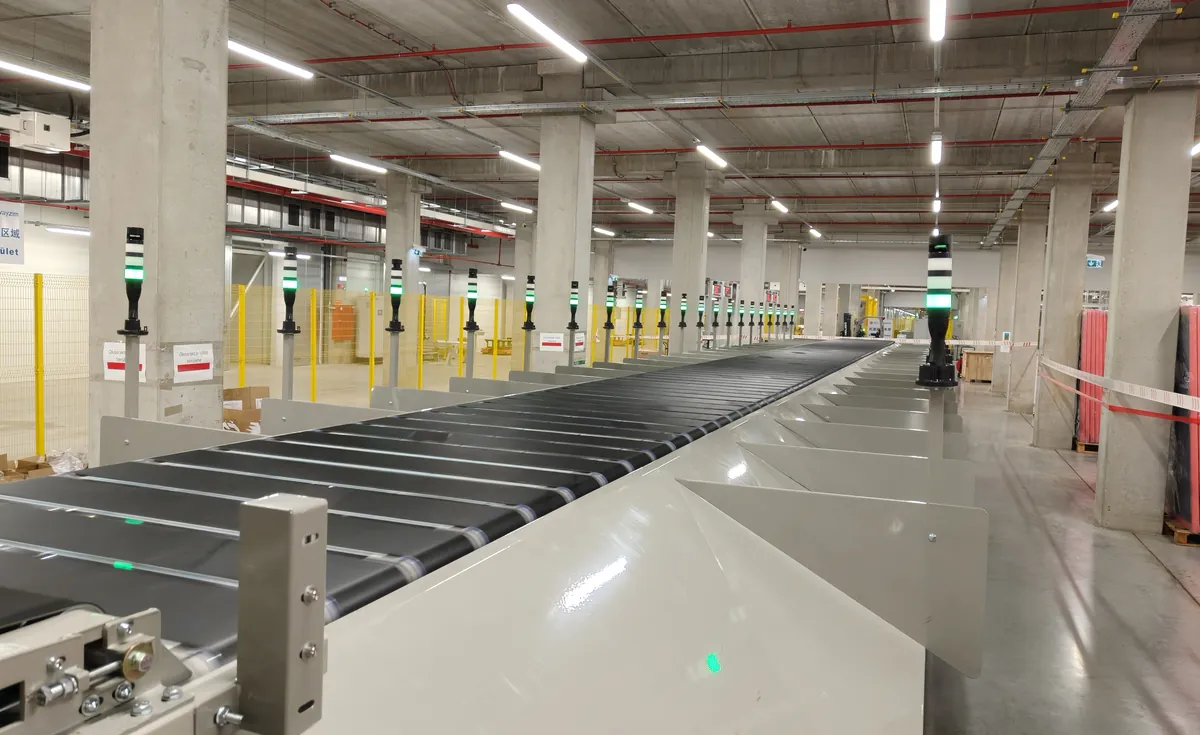
In a global supply chain environment facing continuous disruptions, logistics operations need more than just speed; they require flexibility and resilience. Smart sorting technology is becoming a critical component in building agile distribution networks.
Automated sorting equipment, like TRUELISORT’s Seeding Wall and DWS systems, empowers warehouses to quickly adapt to changing order profiles, manage peak seasons, and optimize space utilization. By leveraging AI-powered data analytics, these systems can predict demand patterns, streamline resource allocation, and enhance overall operational visibility.
As supply chains become more customer-centric, investing in advanced sortation solutions is no longer a luxury—it’s a strategic necessity for businesses aiming to deliver on the promise of faster, error-free deliveries while maintaining cost efficiency.
Where Sorting Absorbs Disruption
Supply chain resilience is usually discussed in strategic terms, but it is decided in operational ones — and the sorter is where most disruptions actually land. The table maps four common shocks to what they do to an unautomated line versus a smart sorting line:
| Disruption | Impact without automation | How smart sorting absorbs it |
|---|---|---|
| Peak surge (campaign, festival) | Overtime spirals, temp-labour quality dips | Rate scales to nameplate without headcount swings |
| Carrier cut-off changes | Manual re-planning of lanes by the hour | Destination remapping in software, minutes not shifts |
| Labour shortage | Backlogs compound at induction stations | Automated induction and recirculation keep flow |
| Customs or port delay | Batch arrival crushes manual capacity | Buffered release smooths the wave across days |
The structural point is that resilience is bought before the disruption, not during it. A sorting system sized on your average day fails exactly when it matters, because disruption always arrives as a multiple of normal — three to five times the volume in a fraction of the hours. Operators who survive their first peak season almost universally share one trait: they specified peak profile, not average profile, when they bought. The related reading on automated sorting in e-commerce covers the demand side of the same equation, and smart logistics and supply chain innovation extends it to the data layer. Reference: supply chain management and business continuity planning.
Resilience Is Also a Maintenance Story
Disruption absorption assumes the sorter itself stays up, which makes maintenance the quiet half of resilience. Three practices separate prepared operations from lucky ones. First, spares strategy matched to failure history: loops tell you which components actually fail, and the spare shelf should mirror that data, not the vendor’s default kit. Second, degraded-mode rehearsals: a segment taken down on purpose, with induction re-routed and destinations re-mapped, turns the fallback plan from a binder page into muscle memory. Third, telemetry with memory — motor currents and jam counts trended over weeks catch the bearing that fails next month, which is cheaper than the one that fails on peak day. Operations that rehearse failure spend their disruptions learning; operations that improvise them spend money. The measurement discipline behind this habit is the same one that justifies the equipment in the first place, which is why mature sites treat their maintenance log and their business case as the same document aging together.
Guide index: related reading
- Navigating Global Supply Chain Disruptions: How to Build a More Resilient Logist
- How Blockchain Technology Is Transforming Global Supply Chain Transparency
- Smart Warehouse Transformation: The Perfect Integration of Cross-Belt Sorters an
- The Heartbeat of Smart Warehousing: Everything You Need to Know About Cross-Belt
- Improving Parcel Throughput: Why Optimizing Cross-Belt Sorter Maintenance Should
- Cold Chain Logistics Challenges: How Cross-Belt Sorting Systems Perform in Low-T
- Cold Chain Logistics Explained: How to Keep Fresh Products from Spoiling During
- Enhancing Logistics Efficiency with Cross-Belt Sorters in Modern Warehousing
- Industry Insight: How Smart Sorting Is Redefining Modern Logistics
- Transforming Warehouse Efficiency with Smart Sorting Automation