

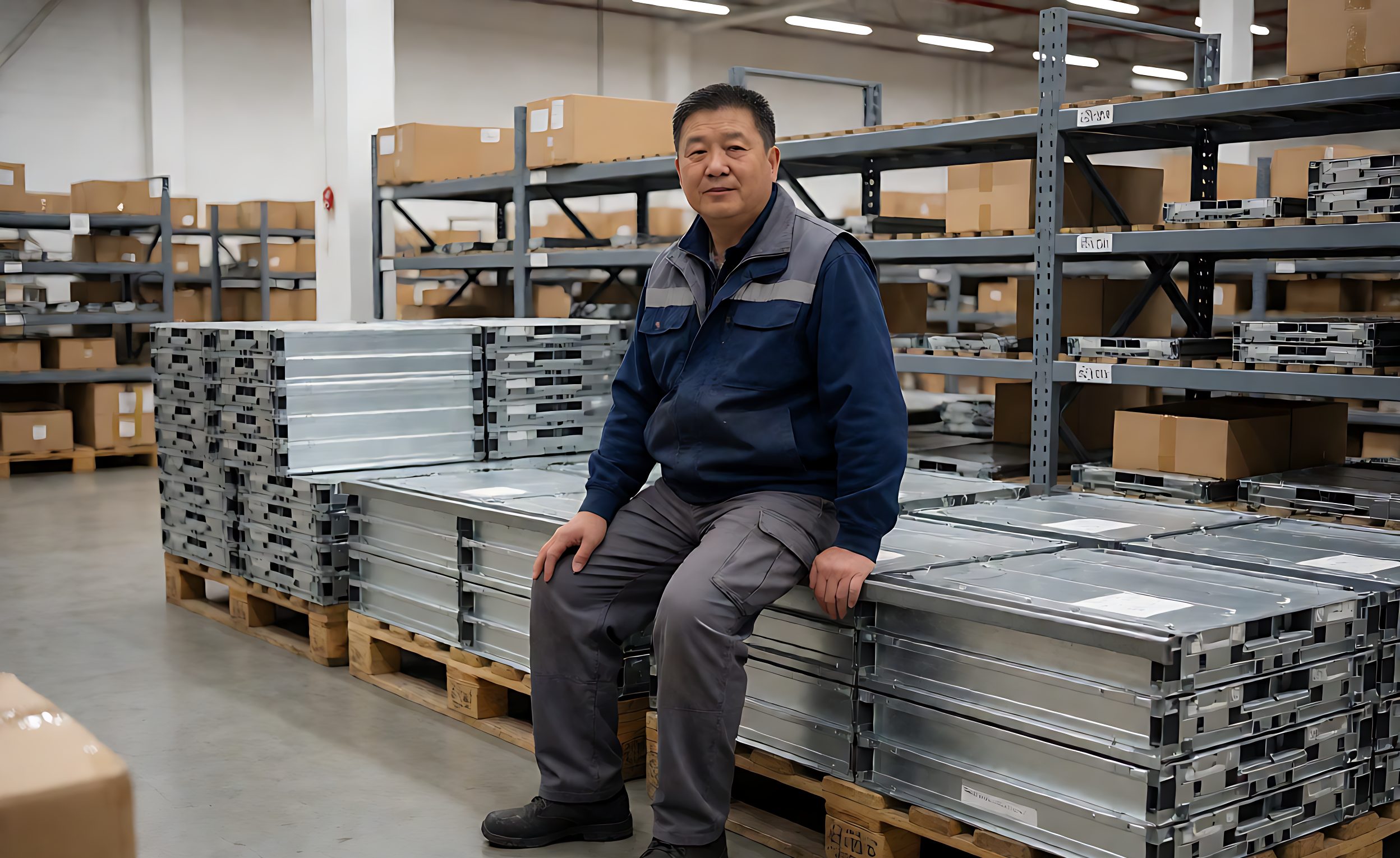

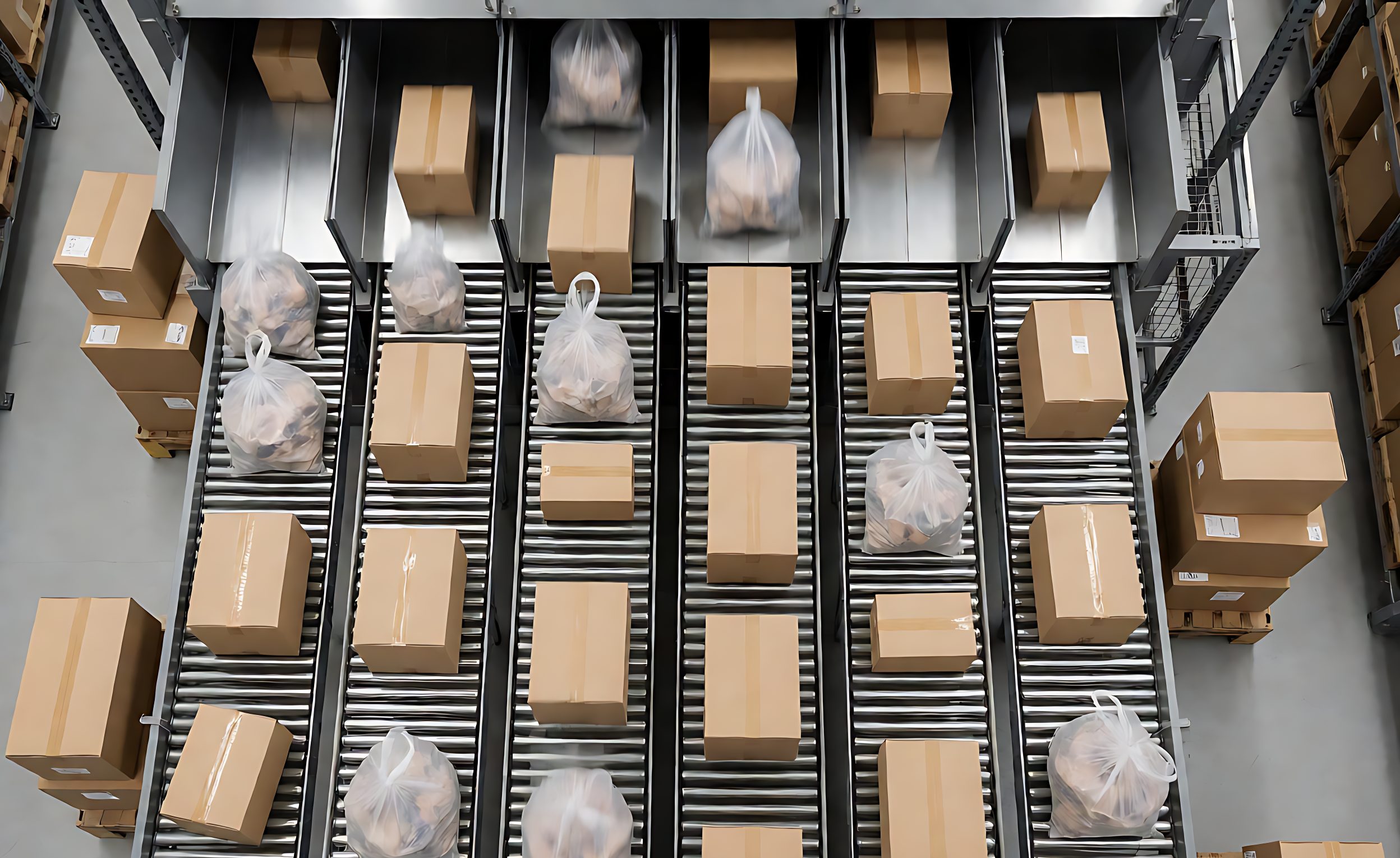
The logistics industry is under continuous pressure to deliver faster, more accurately, and at lower costs. With e-commerce driving an unprecedented volume of shipments, efficient sorting has become a critical factor in meeting customer expectations. Automated sorting solutions are increasingly essential for modern warehouses and distribution centers. **1. Automated Sorting: A Key Efficiency Driver** Manual sorting processes are no longer sufficient for high-volume operations. Automated sorting systems, including cross-belt sorters, narrow-belt sorters, and swivel sorters, provide rapid, accurate handling of packages of various sizes and weights. By reducing human error and accelerating throughput, these systems enable companies to maintain high service levels while controlling labor costs. **2. Smart Technologies Enhancing Performance** Modern sorting systems are equipped with advanced technologies such as OCR recognition, barcode scanning, and weight & dimension measurement. These features allow real-time package tracking and optimized routing throughout the sorting process. Artificial intelligence and data analytics further enhance efficiency by predicting peak loads, dynamically adjusting system operations, and identifying bottlenecks before they affect throughput. **3. Flexible and Modular System Design** Today’s automated sorting solutions are designed to be flexible and modular. This allows logistics operators to scale operations according to demand, optimize warehouse space, and adapt to changing product sizes or order volumes. Modular designs also facilitate easier maintenance, upgrades, and future expansion without significant downtime or cost. **4. Sustainability and Energy Efficiency** Environmental considerations are becoming increasingly important. Modern sorting equipment focuses on energy efficiency, low-maintenance designs, and the use of sustainable materials. Companies adopting eco-friendly solutions can reduce energy consumption and carbon emissions while maintaining high operational performance. **5. Future Outlook** The future of logistics sorting lies in complete automation, smart integration, and data-driven operations. As warehouses and distribution centers become increasingly digitized, sorting systems will continue to evolve, providing higher speed, accuracy, and operational intelligence to meet the demands of e-commerce and omnichannel logistics. Automated sorting is no longer a luxury—it is a necessity for logistics operators seeking efficiency, accuracy, and competitive advantage in a rapidly evolving market.
Advancing Efficiency: The Next Step Is Usually Unsexy
Efficiency advances photograph badly. The steps that actually move the numbers:
| Unsexy step | Efficiency it unlocks | Why it is skipped |
|---|---|---|
| Re-profiling the existing sorter | Rate gains without capex | No vendor visits to plead for it |
| Exception-path redesign | Recovery minutes per day | Process work, invisible to purchase orders |
| Induction staffing calibration | Singulation quality upstream | Labour scheduling habit |
| Weekly data review with owners | Drift caught early | Meeting fatigue mythology |
The re-profiling row is the highest-leverage line on this page: sorters configured at commissioning run against a parcel mix that has changed every season since, and the re-tune — hours of analyst work against the machine’s own history — routinely finds performance the naive capex case promised only hardware could deliver. The induction row works the same logic upstream: singulation quality is staffed into existence, and a calibrated crew at induction buys the sorter’s full rate more cheaply than any mechanical upgrade. Advancement in logistics efficiency is thus mostly archaeology — excavating the performance already buried in existing assets — and the shops that dig first fund their hardware later from the yield. The sequencing rule that orders these steps is in the sequencing rule, and the value mechanics in how sorters create value. Reference: process optimisation and logistics operations.