

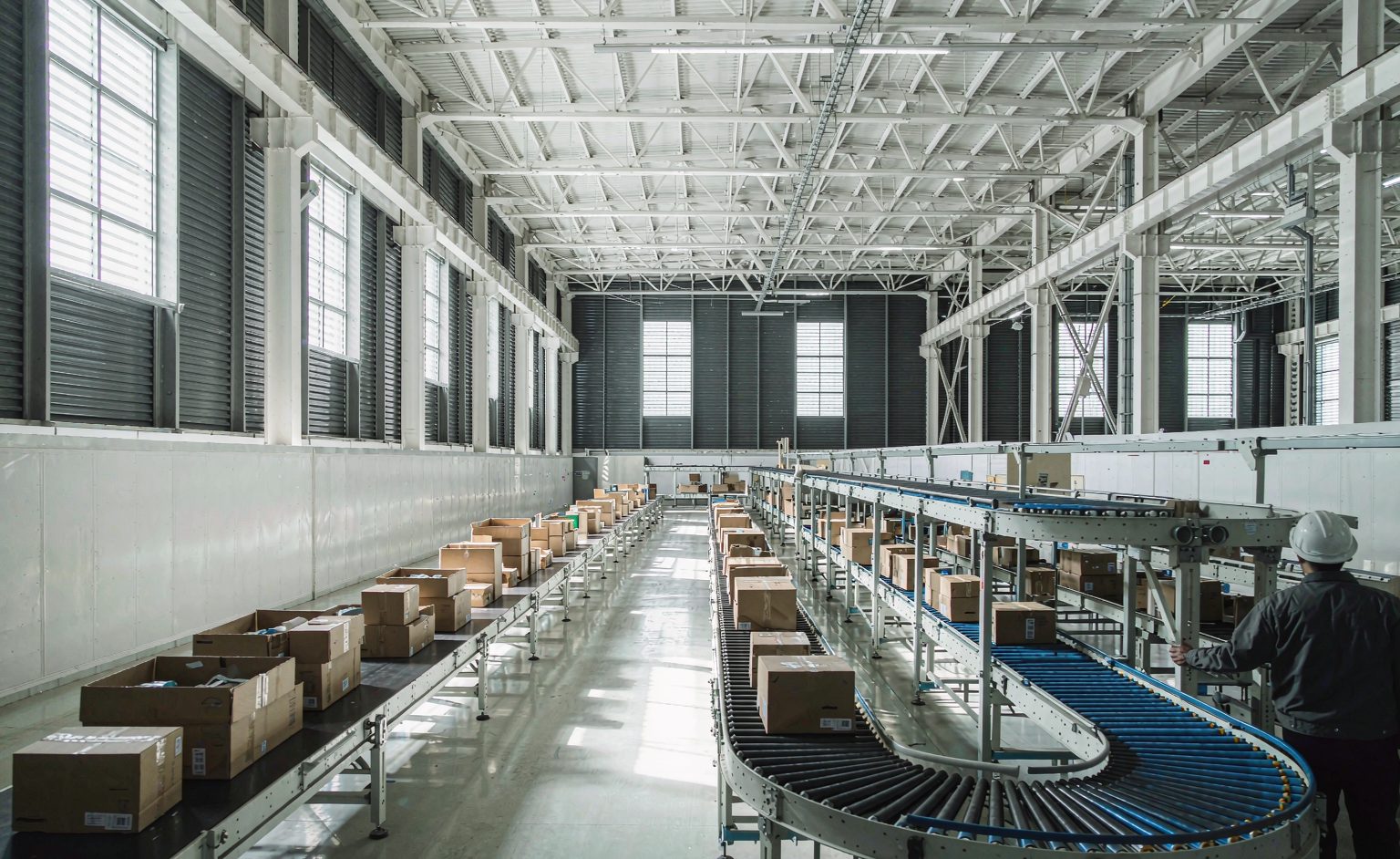
As the demand for faster delivery and accurate order fulfillment grows, warehouse operators are under increasing pressure to optimize every step of the logistics process. One of the most impactful ways to achieve this is through modern automated sorting equipment.
From Manual to Automated Sorting
Manual sorting is labor-intensive, error-prone, and often inconsistent. Automated sorting systems, on the other hand, provide high-speed, high-accuracy parcel handling that improves throughput and reduces operational strain. With solutions such as telescopic conveyors, diverter sorters, and sliding chutes, warehouses can now manage peak loads easily.
Scalability for Growing Businesses
Modern sorting lines are modular, meaning they can grow with your business. Whether you’re handling 3,000 or 30,000 parcels per hour, scalable systems allow businesses to start small and expand without redesigning their entire workflow.
Integrating with WMS and ERP Systems
Today’s advanced sorters smoothly integrate with Warehouse Management Systems (WMS) and Enterprise Resource Planning (ERP) platforms. This enables end-to-end traceability, from inbound receipt to outbound dispatch, ensuring precise inventory control and improved customer satisfaction.
The ROI is Clear
While the upfront investment in automated sorting systems may seem high, the return on investment is typically realized quickly through reduced labor, fewer errors, faster processing, and enhanced customer loyalty.
Boosting Efficiency Without Buying Twice: The Sequencing Rule
Warehouse operations that modernise twice pay twice. The sequencing rule that prevents it:
| Sequence | Action first | Why it precedes the next |
|---|---|---|
| 1 | Fix layout and flow design | Automation amplifies whatever flow exists |
| 2 | Standardise data and labels | Scanners cannot rescue unreadable identity |
| 3 | Automate the dominant flow | One proven flow funds the second |
| 4 | Extend to adjacent flows | Backbone utilisation, not new capital |
The first step’s unpopularity is legendary. Layout redesign is labour-intensive, politically delicate and produces no equipment to point at — so operations skip it, automate a broken flow, and spend year two automating the workarounds. The data step hides a similar trap: label standards agreed per department instead of per facility produce a sorter that reads 97% of parcels and hunts 3% forever. Operations that respect the sequence often discover their second automation phase costs half the first, because the backbone already exists and the flows already speak its language. The sequence also disciplines vendor timing: buying step 3 equipment during step 1 analysis locks today’s misunderstanding into tomorrow’s steel. Patience, in warehouse modernisation, is the cheapest capital equipment available. The maturity ladder formalising this sequence is in find your maturity level, and the backbone economics in five flows, one backbone. Reference: lean sequencing and facility layout.
The sequencing rule has one honest exception: obsolescence. When a platform is leaving support — parts scarce, firmware frozen, vendor exited — sequencing gains become irrelevant, and leapfrogging to the modern layer directly is the disciplined move, not a violation of it. The rule orders investments; it does not rescue stranded ones. Reference: opportunity cost and leapfrog decisions.
The ROI Discipline
Before acting on any of this, the ROI discipline applies: current utilisation measured over two weeks, labour cost fully loaded, rework rates by part family, and a forecast built from contracted demand. The sequencing and the numbers behind the discipline are in the ROI calculation guide.