
As global e-commerce, retail logistics, pharmaceutical fulfillment, manufacturing distribution, and parcel delivery continue expanding at record speed, companies are under enormous pressure to move products faster, more accurately, and more efficiently than ever before.
At the center of this transformation is warehouse automation.
Among the most powerful automation technologies available today, cross-belt sorting systems have become a major investment priority for distribution centers seeking higher throughput, lower labor dependency, improved accuracy, and scalable operational performance.
However, one question consistently dominates executive discussions before implementation:
How long does it take for a cross-belt sorting system to pay for itself?
This question goes far beyond simple equipment pricing. Calculating return on investment (ROI) for automated sorting requires analyzing labor savings, throughput gains, operational efficiency, damage reduction, scalability, maintenance costs, fulfillment speed, customer satisfaction, and long-term business growth.
For some facilities, ROI may arrive in less than two years. For others, payback periods may stretch much longer depending on operational complexity, shipment volume, and implementation strategy.
This guide explores how companies calculate cross-belt sorting ROI, what factors affect payback speed, common financial mistakes businesses make, and why automation decisions increasingly shape long-term competitiveness in modern logistics.
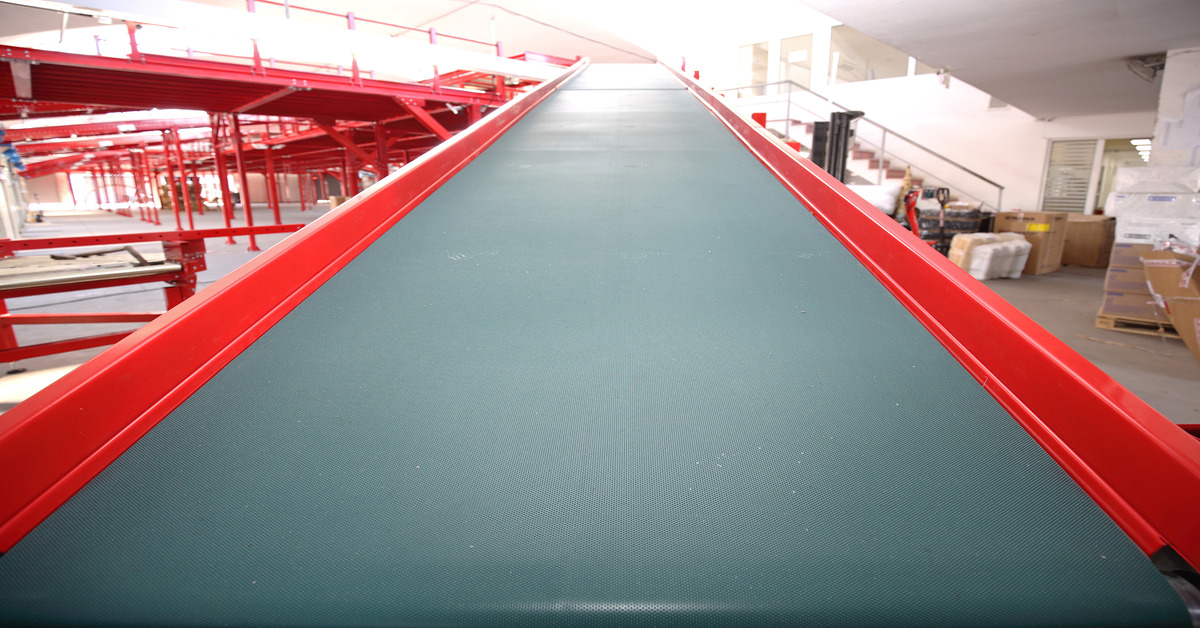
What Is a Cross-Belt Sorting System?
Before discussing ROI, it is important to understand how cross-belt sorting systems function.
Basic System Overview
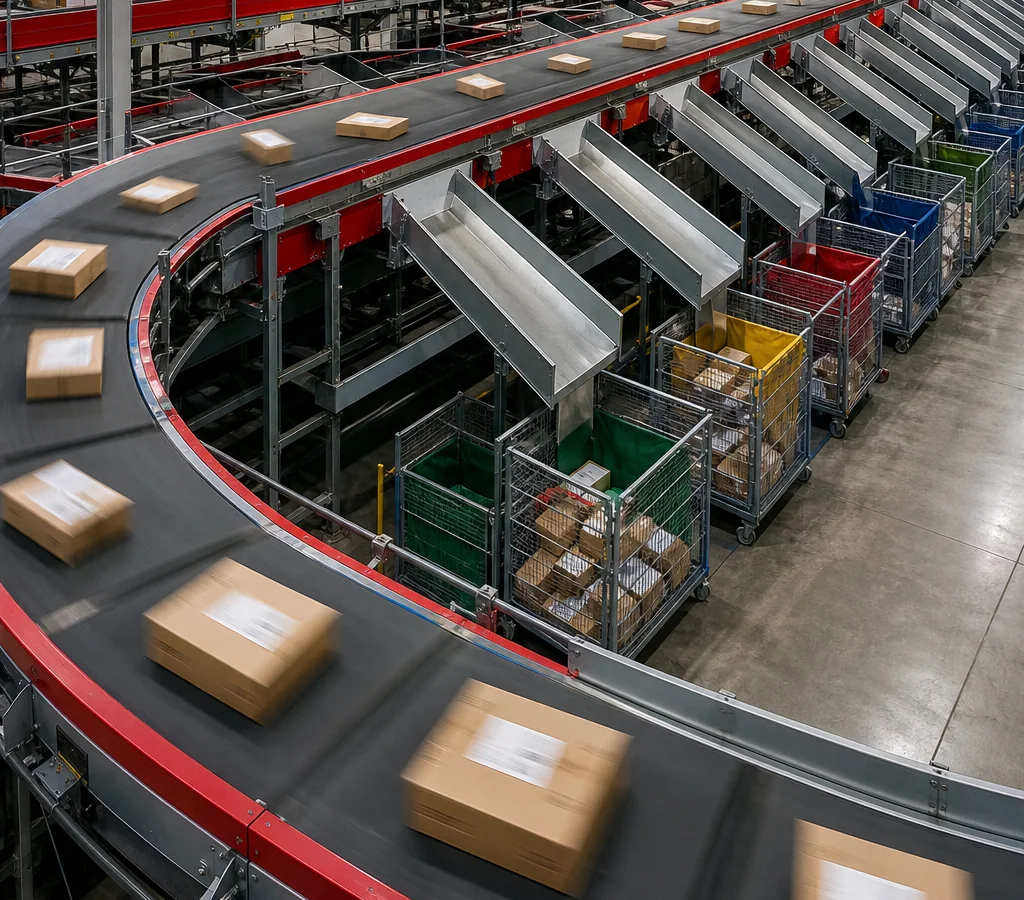
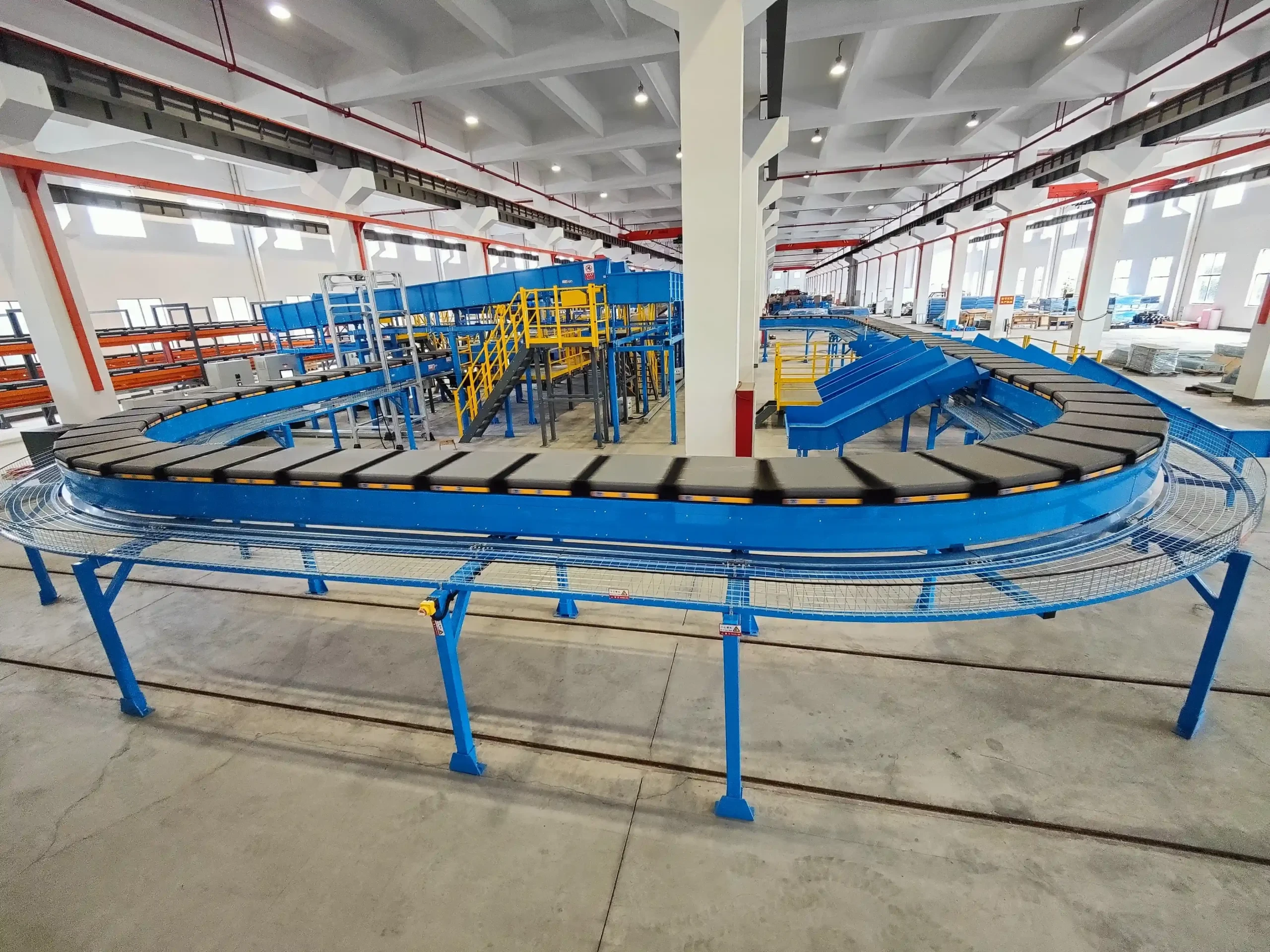
A cross-belt sorter is an automated material handling system designed to rapidly sort packages, parcels, cartons, totes, or products to designated destinations.
The system typically includes:
- Conveyor networks
- Carrier platforms
- Cross-belt transfer mechanisms
- Barcode scanners
- Sensors
- AI-assisted routing software
- Warehouse control systems
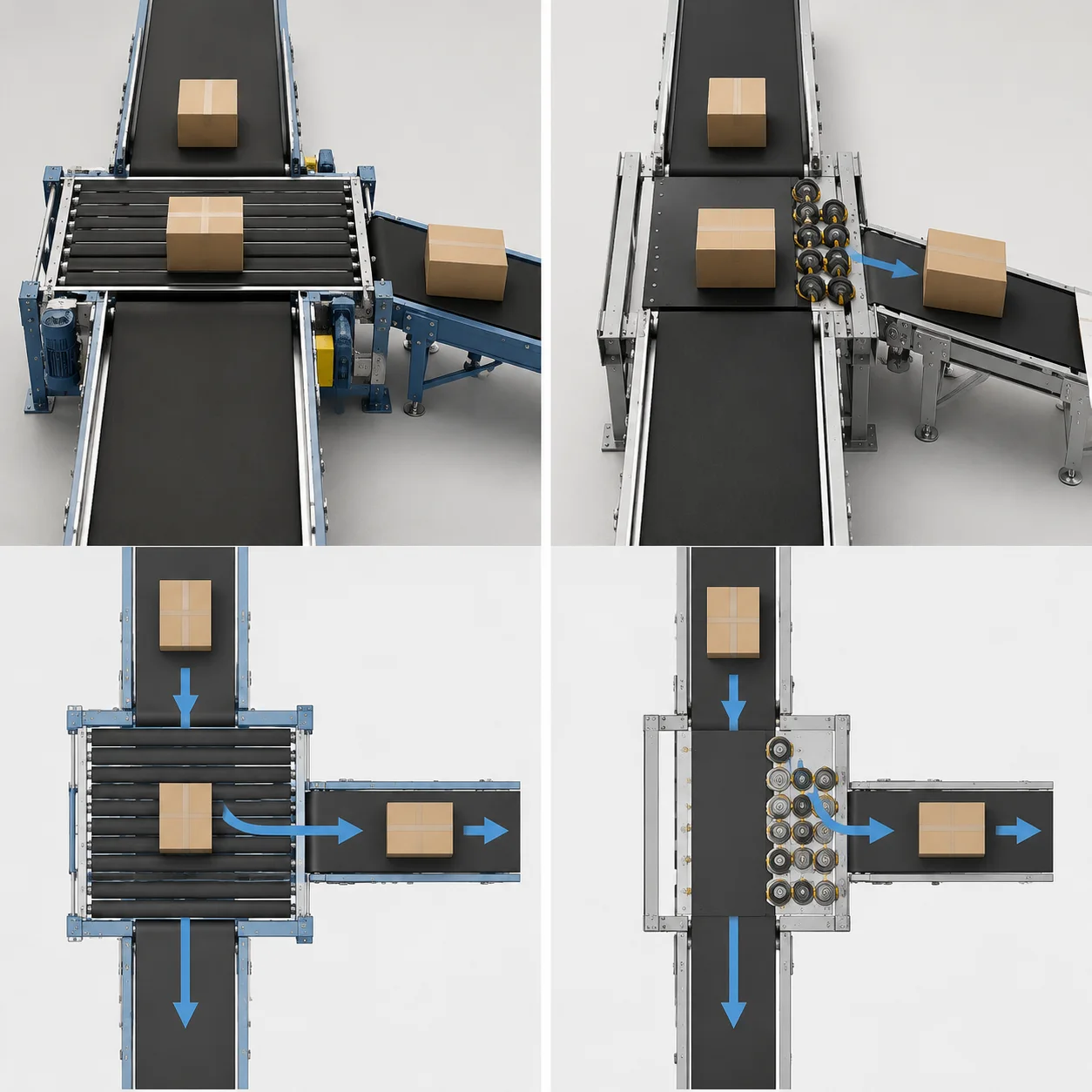
Each carrier contains a small belt that moves items sideways into the correct chute or destination lane.
Why Companies Invest in Cross-Belt Sorting
Cross-belt systems are expensive compared to basic conveyor systems.
So why do businesses adopt them?
Key Business Drivers
Companies usually invest because they need:
- Higher throughput
- Faster order fulfillment
- Improved accuracy
- Lower labor dependency
- Better scalability
- Reduced package damage
- More efficient space utilization
As order volumes grow, manual sorting becomes increasingly difficult to sustain.
Understanding ROI in Warehouse Automation
ROI measures how efficiently an investment generates financial returns over time.
Basic ROI Formula
The simplified formula is:
ROI = (Net Financial Gain – Investment Cost) ÷ Investment Cost
However, automation ROI calculations are far more complex in real logistics environments.
Why Simple Calculations Are Misleading
Cross-belt systems affect nearly every part of warehouse operations, including:
- Labor costs
- Shipping accuracy
- Customer retention
- Inventory flow
- Order speed
- Damage reduction
- Facility scalability
Many benefits are indirect but financially significant.
The True Cost of a Cross-Belt Sorting System
One of the biggest mistakes companies make is focusing only on equipment purchase price.
Major Cost Categories
A full implementation may include:
- Equipment purchase
- Installation
- Software integration
- Facility redesign
- Electrical upgrades
- Training
- Maintenance contracts
- IT infrastructure
- Downtime during installation
Large systems can require substantial upfront investment.
Initial Capital Expenditure
The first major cost is capital investment.
Equipment Pricing Factors
Pricing depends on:
- System size
- Throughput capacity
- Sort destinations
- Automation level
- AI integration
- Conveyor complexity
- Redundancy systems
Higher throughput systems cost significantly more.
Installation and Infrastructure Costs
Installation often represents a surprisingly large percentage of total project cost.
Common Infrastructure Expenses
Facilities may require:
- Floor reinforcement
- Ceiling modifications
- Mezzanine redesign
- Electrical upgrades
- Network cabling
- Fire system adjustments
Older warehouses may require extensive retrofitting.
Software and Integration Costs
Modern cross-belt systems depend heavily on software.
Integration Requirements
Systems must communicate with:
- Warehouse management systems (WMS)
- Enterprise resource planning systems (ERP)
- Inventory databases
- Shipping software
- Robotics systems
Complex integration can increase both cost and implementation time.
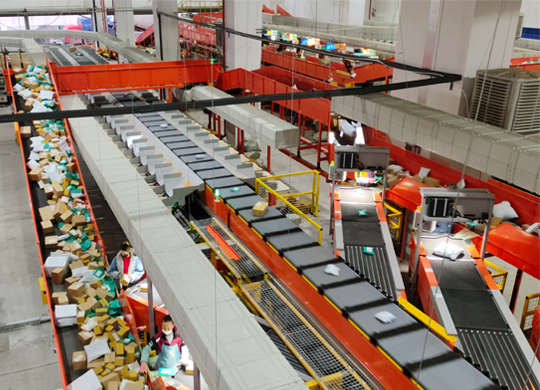
Labor Savings: The Biggest ROI Driver
For most companies, labor reduction is the single largest financial benefit.
Manual Sorting Is Labor Intensive
Traditional sorting operations require workers for:
- Package scanning
- Destination sorting
- Conveyor loading
- Lane management
- Error correction
Labor costs rise rapidly as order volume grows.
Automation Reduces Repetitive Labor
Cross-belt systems automate many repetitive tasks.
This can reduce:
- Headcount requirements
- Overtime expenses
- Seasonal labor dependency
- Training costs
Rising Labor Costs Accelerate ROI
In regions with increasing wages or labor shortages, automation payback periods often become shorter.
Throughput Improvements and Revenue Growth
Cross-belt systems dramatically increase sorting speed.
Why Throughput Matters
Higher throughput enables companies to:
- Process more orders
- Extend shipping cut-off times
- Reduce fulfillment bottlenecks
- Support peak-season demand
Faster Fulfillment Creates Competitive Advantage
Consumers increasingly expect:
- Same-day shipping
- Next-day delivery
- Real-time tracking
- High order accuracy
Sorting speed directly affects customer satisfaction.
Accuracy Improvements and Their Financial Impact
Sorting mistakes are expensive.
Costs of Mis-Sorted Packages
Errors may create:
- Return shipping costs
- Reshipping expenses
- Customer service labor
- Refunds
- Lost customer trust
Cross-Belt Systems Improve Precision
Automated systems often achieve extremely high sorting accuracy rates.
This reduces operational waste significantly.
Damage Reduction and Package Protection
Cross-belt systems are known for gentle package handling.
Why Damage Reduction Matters
Damaged shipments create:
- Product replacement costs
- Return processing expenses
- Brand reputation damage
- Customer dissatisfaction
Gentle Sorting Protects High-Value Goods
Cross-belt systems are especially valuable for:
- Electronics
- Cosmetics
- Pharmaceuticals
- Luxury goods
- Fragile retail items
Reducing damage directly improves profitability.
Space Utilization and Facility Efficiency
Warehouse space is expensive.
Automation Improves Density
Cross-belt systems often allow:
- Better vertical utilization
- Reduced congestion
- Optimized workflow design
Delaying Facility Expansion
Improved efficiency may postpone the need for:
- Additional warehouses
- Building expansion
- New lease agreements
This creates major long-term savings.
Seasonal Demand and Scalability
Many businesses experience massive seasonal order spikes.
Peak Season Challenges
Holiday demand often creates:
- Labor shortages
- Sorting bottlenecks
- Increased overtime
- Temporary staffing costs
Cross-Belt Systems Improve Scalability
Automation helps facilities handle peak demand more consistently.
This reduces seasonal operational stress.
Maintenance Costs and Long-Term Ownership
ROI calculations must include ongoing maintenance.
Common Maintenance Expenses
Long-term costs include:
- Belt replacement
- Sensor calibration
- Software updates
- Motor servicing
- Electrical maintenance
Predictive Maintenance Reduces Downtime
Modern systems increasingly use sensors and analytics to predict failures before breakdowns occur.
This improves uptime and operational stability.
Energy Consumption Considerations
Automation affects warehouse energy usage.
Energy Trade-Offs
Cross-belt systems increase electrical consumption but may reduce:
- Lighting needs in manual areas
- HVAC requirements for large labor forces
- Equipment redundancy
Energy-Efficient System Design
Modern systems increasingly prioritize:
- Low-friction conveyors
- Smart motor controls
- Variable-speed operation
Energy optimization supports long-term ROI.
Downtime Risks During Implementation
One hidden cost involves operational disruption during installation.
Transition Challenges
Implementation may temporarily affect:
- Shipping speed
- Order processing
- Workforce efficiency
Why Planning Matters
Successful projects minimize disruption through:
- Phased implementation
- Parallel operations
- Staff training before launch
Poor implementation planning delays ROI.
How Long Does ROI Typically Take?
The answer depends heavily on facility characteristics.
Common ROI Ranges
Many facilities achieve payback within:
- 2 to 5 years
High-volume operations sometimes recover costs even faster.
Factors That Accelerate ROI
Payback occurs faster when companies have:
- High order volume
- High labor costs
- Rapid growth
- Frequent sorting errors
- Strong peak-season demand
Factors That Slow ROI
Longer payback periods may result from:
- Low throughput volume
- Poor system utilization
- Weak implementation planning
- Excessive customization
Small Businesses vs. Large Enterprises
ROI differs significantly based on business scale.
Large Enterprises
Large fulfillment centers often benefit most because they process:
- Massive order volumes
- Continuous operations
- Multiple shifts
Automation efficiencies scale rapidly.
Smaller Operations
Smaller warehouses may struggle to justify full automation unless growth projections are strong.
Some adopt modular automation gradually instead.
E-Commerce and the Automation Explosion
E-commerce growth has dramatically accelerated automation investment.
Why Online Retail Drives Automation
Online shopping creates:
- Higher order frequency
- Smaller package sizes
- Faster shipping expectations
- Greater SKU complexity
Manual sorting becomes increasingly inefficient at scale.
Labor Shortages Are Changing ROI Calculations
One major shift affecting automation ROI is labor availability.
Warehousing Labor Challenges
Many regions face:
- Worker shortages
- High turnover
- Rising wages
- Recruitment difficulty
Automation as Risk Reduction
Cross-belt systems reduce dependency on unstable labor markets.
This creates strategic value beyond direct cost savings.
Customer Expectations and Financial Performance
ROI is not only about internal efficiency.
Faster Delivery Builds Customer Loyalty
Improved sorting speed supports:
- Faster shipping
- Better tracking accuracy
- Fewer fulfillment delays
Better Customer Experience Improves Revenue
Satisfied customers are more likely to:
- Reorder
- Leave positive reviews
- Maintain long-term loyalty
Operational efficiency directly influences revenue growth.
Sustainability and Environmental ROI
Automation increasingly affects environmental performance.
Cross-Belt Systems and Sustainability
Efficient systems may reduce:
- Packaging waste
- Re-shipping emissions
- Damaged inventory disposal
- Energy inefficiency
Sustainability Influences Brand Value
Environmentally efficient operations increasingly affect:
- Consumer perception
- Investor confidence
- Regulatory positioning
These indirect benefits may support long-term profitability.
AI and the Future of Sorting ROI
Artificial intelligence is changing warehouse automation rapidly.
AI-Enhanced Optimization
Modern systems increasingly use AI for:
- Dynamic routing
- Predictive maintenance
- Traffic balancing
- Error detection
- Throughput optimization
Smarter Systems Improve Payback Speed
Better optimization improves:
- Efficiency
- Uptime
- Labor allocation
This accelerates ROI potential.
Common ROI Calculation Mistakes
Many businesses underestimate or miscalculate automation value.
Focusing Only on Labor Savings
Labor reduction matters, but ROI also includes:
- Accuracy gains
- Customer retention
- Throughput growth
- Reduced returns
Ignoring Long-Term Growth
Some companies buy systems sized only for current demand.
Rapid growth may quickly overwhelm undersized infrastructure.
Underestimating Maintenance Planning
Poor maintenance planning can reduce system lifespan and increase downtime costs.
How to Build a Strong ROI Case
Successful automation projects rely on careful financial analysis.
Important Metrics to Evaluate
Companies should analyze:
- Orders per hour
- Labor cost per package
- Error rates
- Damage rates
- Peak-season performance
- Facility utilization
- Customer retention impact
Simulation and Forecasting
Many companies use digital modeling before implementation.
Simulation helps predict:
- Throughput improvements
- Bottleneck reduction
- Capacity growth
The Strategic Value Beyond Direct ROI
Not all automation value appears immediately on financial spreadsheets.
Competitive Positioning
Fast, scalable fulfillment supports long-term competitiveness.
Business Continuity
Automation improves resilience during:
- Labor shortages
- Demand spikes
- Supply chain disruption
Investor Confidence
Modern automated infrastructure may strengthen business valuation.
Is a Cross-Belt System Worth the Investment?
For many high-volume operations, the answer is increasingly yes.
Best Candidates for Cross-Belt Automation
Facilities benefit most when they experience:
- Rapid order growth
- Labor instability
- High sorting complexity
- Peak-season pressure
- Accuracy challenges
Situations Where Automation May Not Fit
Smaller low-volume operations may achieve better ROI through:
- Partial automation
- Simpler conveyor systems
- Gradual upgrades
Automation should match operational scale.
Final Thoughts
Cross-belt sorting systems represent one of the most transformative investments modern warehouses can make. While the upfront costs can be substantial, the long-term benefits often extend far beyond simple labor reduction.\n\nImproved throughput, higher sorting accuracy, reduced package damage, lower operational bottlenecks, enhanced scalability, and stronger customer satisfaction all contribute to long-term financial performance.\n\nFor many high-volume distribution centers, ROI may arrive within just a few years—especially in environments with rising labor costs, aggressive shipping expectations, and rapid e-commerce growth.\n\nHowever, successful ROI depends heavily on proper planning, realistic forecasting, strong software integration, preventive maintenance, and system scalability.\n\nUltimately, cross-belt automation is not simply about replacing workers with machines. It is about building faster, smarter, more resilient logistics operations capable of meeting the growing demands of modern commerce while positioning businesses for long-term competitive success.