
Modern mechanical systems—whether they are industrial conveyors, workshop carts, fitness machines, or compact automation units—rely on a surprisingly small set of core components. At the heart of most of these systems are three elements that quietly determine performance, reliability, and lifespan: small carts (or carriages), belts, and motors. While each of these components seems simple on its own, their interaction forms the backbone of motion systems everywhere. When one part degrades, the entire system suffers. When all three are properly maintained, machines can run for years with minimal downtime. This guide takes a deep, practical look at how these components work, how they fail, and—most importantly—how to maintain them for long-term stability and efficiency.
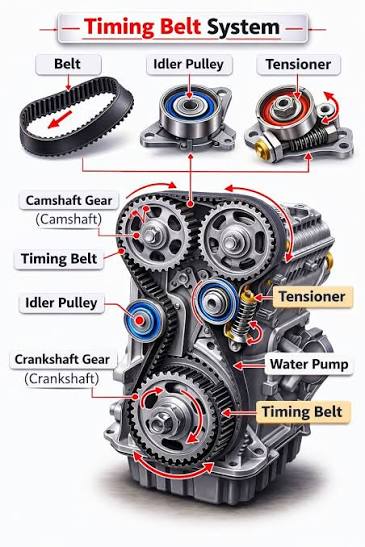
1. Understanding the System as a Whole
Before breaking down each component, it’s important to understand how they work together. In most motion-based systems:
- The motor generates rotational force (torque)
- The belt transfers that force into movement
- The small cart or carriage carries the load along a guided path
This trio forms a closed loop of energy conversion: electrical energy → mechanical rotation → linear motion → load transport When functioning properly, the system feels almost effortless. But when neglected, friction increases, alignment drifts, and efficiency collapses. Think of it like a chain: the motor is the heart, the belt is the arteries, and the cart is the hands doing the work.
2. The Motor: The Power Source That Defines Everything
2.1 What the motor really does
The motor is the driving force behind the system. In small mechanical setups, you’ll typically encounter:
- DC brushed motors
- Brushless DC (BLDC) motors
- Stepper motors
- Small AC induction motors
Each type behaves differently, but all share one responsibility: converting electrical input into controlled rotational motion.
2.2 Common motor problems
Motors rarely fail suddenly without warning. Instead, they degrade gradually.
Overheating
One of the most common issues. Causes include:
- Overloading the system
- Poor ventilation
- Excessive friction in connected parts (belt or cart resistance)
Bearing wear
Worn bearings create:
- Grinding noise
- Vibration
- Reduced efficiency
Electrical wear
Includes:
- Brush degradation (in brushed motors)
- Coil insulation breakdown
- Connector corrosion
2.3 Motor maintenance fundamentals
Keep it clean and ventilated
Dust buildup acts like insulation, trapping heat inside the motor housing. Over time, this shortens lifespan dramatically.
Monitor operating temperature
A motor that runs slightly warm is normal. A motor that becomes too hot to touch is a warning sign.
Check mounting stability
Loose motor mounts create vibration, which accelerates internal wear.
Inspect wiring regularly
Loose or oxidized connectors can cause intermittent failures that are difficult to diagnose.
2.4 Lubrication and bearing care
Most modern motors come with sealed bearings, but in older or industrial-grade systems:
- Bearings should be lubricated at scheduled intervals
- Over-lubrication should be avoided (it attracts dust)
2.5 Signs a motor is failing
- Noticeable drop in torque
- Strange electrical noise or buzzing
- Irregular speed under consistent load
- Burning smell or discoloration
When these signs appear, the issue is often already advanced.
3. The Belt: The Silent Workhorse of Motion Transfer
3.1 Why belts matter more than they seem
Belts are often overlooked because they are inexpensive and easy to replace. However, they are critical because they:
- Transfer torque from motor to motion system
- Absorb vibration and shock
- Maintain synchronization between moving parts
A degraded belt can ruin an otherwise healthy system.
3.2 Types of belts in small mechanical systems
Timing belts
- Tooth-based design
- Prevent slippage
- Used in precision systems like CNC machines and 3D printers
V-belts
- Rely on friction
- Common in industrial machines
- Good for higher load applications
Flat belts
- Simple and flexible
- Used in lightweight or older systems
3.3 Common belt problems
Stretching
Over time, belts elongate slightly, leading to:
- Loss of tension
- Reduced precision
- Slipping or misalignment
Cracking
Usually caused by:
- Age
- Heat exposure
- Chemical contamination
Tooth wear (timing belts)
When teeth degrade:
- Synchronization fails
- Movement becomes jerky or inconsistent
3.4 Proper belt tension: the most critical factor
Too tight:
- Increases motor load
- Wears bearings faster
- Causes premature belt failure
Too loose:
- Slippage
- Loss of precision
- Audible squeaking or knocking
A properly tensioned belt should:
- Feel firm but not rigid
- Deflect slightly under moderate finger pressure
- Run smoothly without vibration
3.5 Belt alignment and tracking
Misalignment is one of the fastest ways to destroy a belt system.
Signs of misalignment:
- Belt rides to one side of pulley
- Uneven wear patterns
- Edge fraying
Causes:
- Bent pulley shafts
- Improper installation
- Worn bearings in rollers or carts
3.6 Belt maintenance routine
- Inspect for cracks weekly in high-use systems
- Clean dust and debris regularly
- Check pulley grooves for wear
- Replace belts proactively, not reactively
4. The Small Cart (Carriage): The Load Carrier
4.1 What the cart actually does
The cart or carriage is the part that:
- Carries the load
- Moves along rails or guides
- Converts belt motion into usable linear transport
Depending on the system, it may include:
- Wheels
- Linear bearings
- Slide rails
- Mounting brackets
4.2 Common cart problems
Wheel wear or bearing degradation
This leads to:
- Uneven movement
- Increased resistance
- Noise during operation
Rail contamination
Dust, debris, or metal shavings can:
- Increase friction
- Cause sticking or jerky motion
Structural loosening
Bolts and mounts may loosen over time due to vibration.
4.3 Lubrication strategy for carts
Different systems require different lubrication approaches:
- Linear rails: light machine oil or specialized grease
- Wheels: minimal lubrication to avoid dust buildup
- Sliding surfaces: dry lubricants often preferred
Over-lubrication is a common mistake and can actually attract contaminants.
4.4 Alignment is everything
A misaligned cart creates cascading problems:
- Belt strain increases
- Motor load rises
- System accuracy decreases
Proper alignment ensures:
- Smooth motion
- Even load distribution
- Reduced wear on all components
4.5 Signs of cart failure
- Jerky or uneven motion
- Audible grinding or clicking
- Resistance changes during travel
- Visible wobble or tilt
Ignoring these signs often leads to belt and motor damage as well.
5. How These Three Systems Interact
The motor, belt, and cart are not independent systems—they are interdependent.
Example of a failure chain:
- Cart bearings begin to wear
- Resistance increases
- Belt tension rises unintentionally
- Motor works harder to compensate
- Motor overheats and degrades
This is why diagnosing only one component is not enough. You must view the system holistically.
6. Preventive Maintenance Strategy
Preventive maintenance is not about fixing problems—it is about preventing them entirely.
6.1 Daily or weekly checks
- Listen for abnormal noise
- Observe motion smoothness
- Check belt tracking visually
6.2 Monthly checks
- Measure belt tension
- Inspect motor temperature under load
- Clean rails and cart surfaces
6.3 Quarterly maintenance
- Replace worn belts if necessary
- Lubricate bearings and rails
- Tighten structural bolts
- Inspect motor mounts
7. Environmental Factors That Affect Performance
Even well-maintained systems can fail if the environment is hostile.
Dust and debris
One of the biggest enemies:
- Increases friction
- Contaminates bearings
- Accelerates belt wear
Humidity
Can cause:
- Corrosion of metal parts
- Electrical connector oxidation
- Lubricant degradation
Temperature extremes
- Heat softens belts and reduces lifespan
- Cold increases brittleness and reduces flexibility
8. Upgrade vs. Repair: Knowing When to Replace Components
Replace the motor when:
- Efficiency drops significantly
- Bearings are permanently damaged
- Electrical instability becomes frequent
Replace the belt when:
- Cracks or fraying appear
- Stretching exceeds tolerance
- Tooth wear is visible (timing belts)
Replace the cart when:
- Structural wear affects alignment
- Bearings cannot be restored
- Movement becomes inconsistent even after cleaning
Sometimes replacement is more cost-effective than repeated repairs.
9. Real-World Scenario: Diagnosing a Slipping System
Imagine a small automated cart system that begins to lose precision.
Symptoms:
- Cart movement becomes inconsistent
- Motor sounds strained
- Belt occasionally slips under load
Step-by-step diagnosis:
- Inspect belt tension → slightly loose
- Check cart resistance → wheels show increased friction
- Inspect motor → running hotter than normal
Root cause:
Worn cart bearings increased resistance, which indirectly caused belt slip and motor overload.
Solution:
Replace cart bearings, reset belt tension, and monitor motor temperature recovery. This illustrates how one weak component affects the entire system.
10. Final Thoughts: Small Components, Big Impact
Small carts, belts, and motors may not look impressive individually, but together they form the foundation of countless mechanical systems—from factory automation lines to everyday equipment. The key lesson is simple: No component fails in isolation. Every failure is systemic. Proper maintenance is not about reacting to breakdowns. It is about understanding how energy flows through the system and ensuring nothing interrupts that flow. When these three components are properly maintained:
- Systems run quieter
- Efficiency increases
- Lifespan extends significantly
- Downtime is reduced
In mechanical design and operation, the smallest parts often carry the greatest responsibility.