
Fresh products—whether seafood, produce, dairy, meat, or pharmaceuticals—are among the most sensitive goods in global trade. Their quality, safety, and shelf life depend heavily on one critical factor: temperature control. Even minor deviations can lead to spoilage, financial loss, and serious health risks.
This is where cold chain logistics comes in. It’s a specialized system designed to maintain precise temperature conditions throughout the entire supply chain—from origin to final destination.
In this comprehensive guide, we’ll break down how cold chain logistics works, the key challenges involved, and the best practices to ensure fresh products remain safe and high-quality during long-distance transportation.
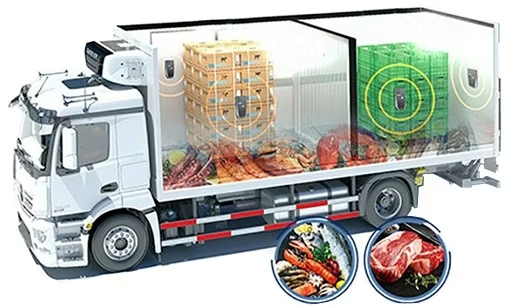
What Is Cold Chain Logistics?
Cold chain logistics refers to the transportation and storage of temperature-sensitive products under controlled conditions. It involves a continuous series of refrigerated production, storage, and distribution activities.
Key Components of the Cold Chain
- Pre-cooling at origin
- Refrigerated storage facilities
- Temperature-controlled transportation
- Monitoring and tracking systems
- Final delivery under controlled conditions
Each stage must function seamlessly to prevent temperature fluctuations.
Why Temperature Control Is Critical
Temperature directly affects the rate of biological and chemical processes.
Microbial Growth
Higher temperatures accelerate bacterial growth, leading to spoilage and potential health hazards.
Enzymatic Activity
Natural enzymes in food continue to break down tissues, affecting texture and flavor.
Moisture Loss
Improper conditions can cause dehydration, reducing product quality.
The Science Behind Spoilage
Understanding how spoilage occurs helps highlight the importance of strict control.
The “Danger Zone”
For most perishable foods, temperatures between 40°F (4°C) and 140°F (60°C) allow rapid bacterial growth.
Time-Temperature Relationship
Even brief exposure to unsafe temperatures can significantly shorten shelf life.
Cold Shock and Freezing Damage
Some products are sensitive to overly low temperatures, which can damage cell structures.
Step 1: Pre-Cooling at the Source
Cold chain success begins before transportation.
Why Pre-Cooling Matters
Freshly harvested or processed products retain field heat. Removing this heat quickly slows deterioration.
Methods of Pre-Cooling
- Forced-air cooling
- Hydro-cooling
- Vacuum cooling
The method depends on the product type.
Step 2: Proper Packaging for Temperature Stability
Packaging plays a vital role in maintaining consistent conditions.
Insulated Packaging
Materials like foam or thermal liners help reduce heat exchange.
Refrigerants
- Gel packs
- Dry ice
- Phase change materials
These maintain internal temperatures during transit.
Ventilation Design
Some products require airflow to prevent condensation and maintain freshness.
Step 3: Temperature-Controlled Transportation
Transport is one of the most critical links in the cold chain.
Refrigerated Trucks (Reefers)
- Maintain consistent temperatures
- Equipped with monitoring systems
Air Freight
- Faster but requires careful handling
- Often used for high-value or highly perishable goods
Ocean Freight
- Suitable for large volumes
- Requires advanced container technology
Step 4: Real-Time Monitoring and Tracking
Visibility ensures control.
Temperature Sensors
Devices track conditions throughout the journey.
GPS Tracking
Provides location data for shipments.
Data Logging
Records temperature history for quality assurance and compliance.
Step 5: Efficient Handling and Transfer
Every transfer point is a risk.
Minimize Exposure Time
Reduce the time products spend outside controlled environments.
Use Cold Storage Facilities
Maintain temperature during loading and unloading.
Train Personnel
Proper handling reduces the risk of damage and temperature breaches.
Step 6: Final Delivery and Last-Mile Challenges
The last mile is often the weakest link.
Urban Delivery Issues
Traffic delays and multiple stops can affect temperature stability.
حلول فعالة
- Insulated delivery vehicles
- Optimized routing
- Rapid handoff to end users
Common Challenges in Cold Chain Logistics
Even with advanced systems, challenges remain.
Temperature Fluctuations
Small deviations can accumulate over long distances.
Equipment Failures
Refrigeration breakdowns can lead to significant losses.
Human Error
Improper handling or delays can compromise the chain.
Regulatory Compliance
Different regions have varying standards for temperature control.
Best Practices for Preventing Spoilage
Maintain Consistent Temperature
Avoid fluctuations at all stages.
Use Redundant Systems
Backup cooling systems provide added security.
Implement Strict Protocols
Standard operating procedures ensure consistency.
Regular Maintenance
Keep equipment in optimal condition.
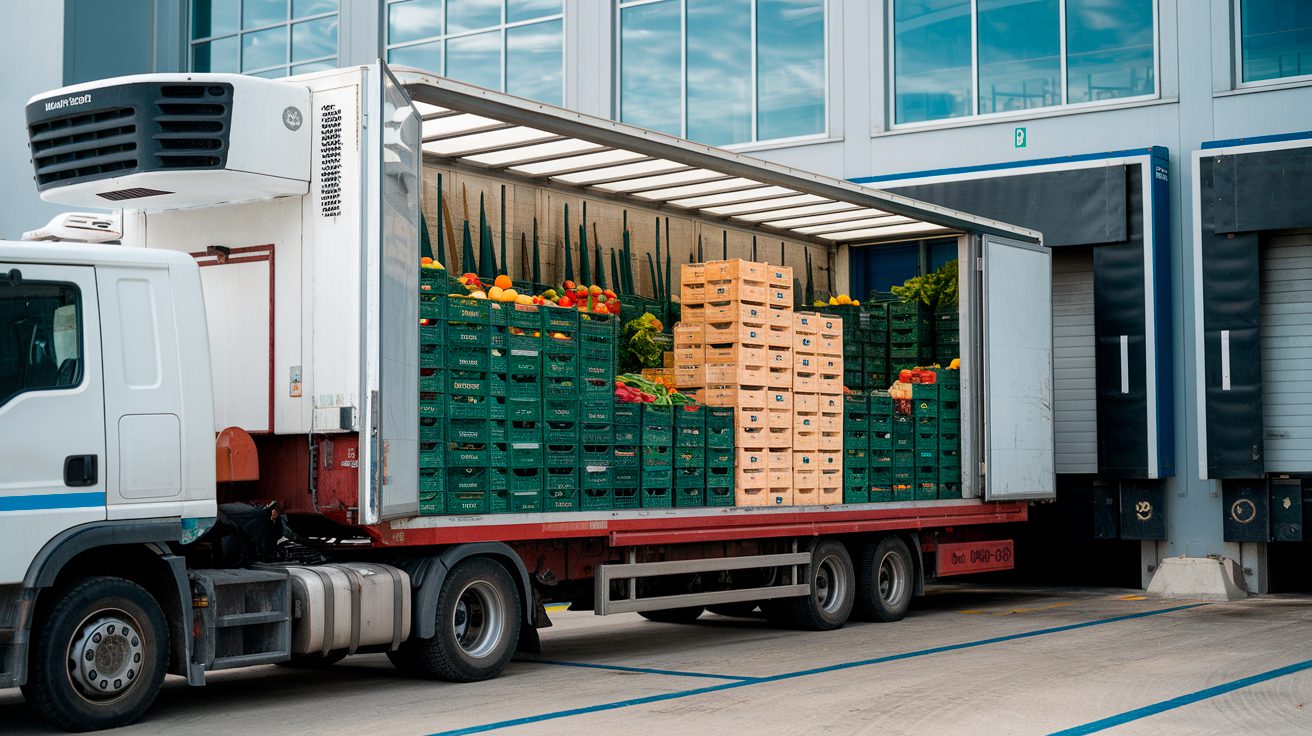
The Role of Technology in Modern Cold Chains
Technology has transformed cold chain logistics.
IoT Integration
Connected devices provide real-time insights.
Predictive Analytics
Anticipate risks and optimize routes.
Automation
Reduces human error and improves efficiency.
Industry Applications
Cold chain logistics is essential across multiple sectors.
Food Industry
- Fruits and vegetables
- Meat and seafood
- Dairy products
Pharmaceutical Industry
- Vaccines
- Biologics
- Temperature-sensitive medications
Cost vs. Value: Is Cold Chain Worth It?
While cold chain logistics can be expensive, the cost of failure is far higher.
Potential Losses Without Proper Control
- Product spoilage
- Financial losses
- Brand damage
- Regulatory penalties
Investing in proper systems protects both products and reputation.
Sustainability in Cold Chain Logistics
Balancing efficiency with environmental responsibility is increasingly important.
Energy-Efficient Equipment
Modern refrigeration systems use less energy.
Eco-Friendly Refrigerants
Reduce environmental impact.
Optimized Routes
Lower fuel consumption and emissions.
Future Trends in Cold Chain Logistics
Smart Packaging
Packages that monitor and report conditions.
Blockchain Integration
Improved transparency and traceability.
Advanced Materials
Better insulation and temperature control.
Common Mistakes to Avoid
Skipping Pre-Cooling
Leads to rapid deterioration.
Poor Packaging Choices
Inadequate insulation increases risk.
Lack of Monitoring
Without data, problems go unnoticed.
Ignoring Training
Untrained staff can compromise the entire system.
Final Thoughts: Precision Is Everything
Cold chain logistics is not just about keeping things cold—it’s about maintaining precise, consistent conditions from start to finish. Every step, from pre-cooling to final delivery, plays a crucial role in preserving product quality.
In a world where consumers expect fresh, safe products regardless of distance, mastering cold chain logistics is essential. Businesses that invest in the right systems, technology, and processes will not only reduce losses but also build trust and long-term success.
Frequently Asked Questions
What temperature should fresh food be transported at?
It depends on the product, but most require temperatures below 40°F (4°C).
How long can products stay outside refrigeration?
Even short periods can be risky, especially for highly perishable items.
What is the biggest risk in cold chain logistics?
Temperature fluctuations are the most common cause of spoilage.
Can technology eliminate all risks?
No, but it significantly reduces them and improves response times.