In today’s interconnected world, global supply chains are the backbone of modern commerce. From raw materials to finished goods, products move across continents through complex logistics networks that rely on precision, timing, and coordination. However, recent years have exposed just how fragile these systems can be.
From pandemics and geopolitical tensions to port congestion and extreme weather events, disruptions have become more frequent and more severe. Businesses that once prioritized efficiency and cost reduction are now rethinking their strategies, placing resilience at the center of logistics planning.
This in-depth guide explores how companies can respond to global supply chain disruptions and build a logistics system that is not only efficient but also adaptable, robust, and future-ready.
Understanding the Nature of Supply Chain Disruptions
Before building resilience, it’s important to understand the types of disruptions that can impact logistics systems.
1. Global Health Crises
The COVID-19 pandemic demonstrated how quickly supply chains can break down. Factory shutdowns, labor shortages, and transportation restrictions created ripple effects across industries.
2. Geopolitical Instability
Trade wars, sanctions, and regional conflicts can disrupt trade routes and limit access to key resources.
3. Natural Disasters
Hurricanes, earthquakes, floods, and wildfires can damage infrastructure and halt production.
4. Port Congestion and Transportation Bottlenecks
Overloaded ports, limited container availability, and delays in customs clearance can significantly slow down shipments.
5. Supplier Failures
Reliance on a single supplier or region increases vulnerability when disruptions occur.
Why Traditional Logistics Models Fall Short
For decades, logistics strategies have focused on minimizing costs and maximizing efficiency. While effective in stable environments, these models often lack flexibility.
Just-in-Time (JIT) Limitations
JIT inventory systems reduce storage costs but leave little buffer when disruptions occur.
Over-Reliance on Single Sources
Consolidating suppliers may lower costs but increases risk exposure.
Lack of Visibility
Many companies lack real-time insights into their supply chains, making it difficult to respond quickly.
The Shift Toward Resilience
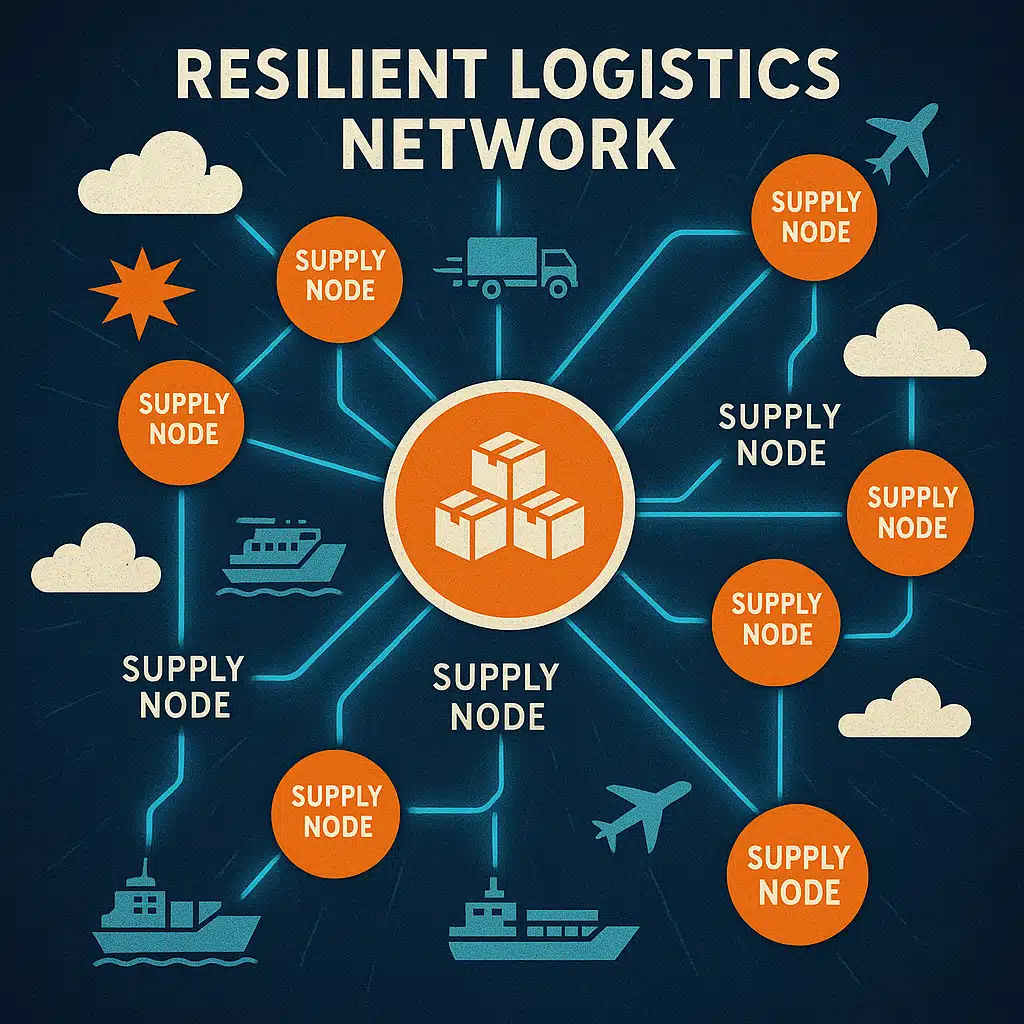
Resilience doesn’t mean eliminating risk—it means being prepared to adapt and recover quickly.
Key Characteristics of a Resilient Logistics System
- Flexibility in sourcing and transportation
- Real-time visibility and data integration
- Strong supplier relationships
- Strategic inventory management
- Risk diversification
Strategy #1: Diversify Your Supplier Base
One of the most effective ways to reduce risk is to avoid dependence on a single supplier or region.
Multi-Sourcing
Engage multiple suppliers for critical components. This ensures continuity if one source becomes unavailable.
Regional Diversification
Spread suppliers across different geographic regions to reduce exposure to localized disruptions.
Supplier Evaluation
Regularly assess supplier reliability, financial stability, and risk factors.
Strategy #2: Increase Supply Chain Visibility
Visibility is the foundation of effective decision-making.
Real-Time Tracking
Use digital tools to monitor shipments, inventory levels, and production status.
Data Integration
Integrate data from suppliers, carriers, and warehouses into a centralized system.
Predictive Analytics
Leverage analytics to anticipate disruptions and plan responses in advance.
Strategy #3: Build Strategic Inventory Buffers
While lean inventory has its advantages, strategic buffers provide a safety net.
Safety Stock
Maintain additional inventory for critical items to absorb shocks.
Decoupling Points
Identify stages in the supply chain where inventory can be stored to reduce dependency on upstream processes.
Demand Forecasting
Use historical data and predictive models to optimize inventory levels.
Strategy #4: Strengthen Transportation Flexibility
Transportation is a critical link in the supply chain.
Multi-Modal Transport
Use a combination of air, sea, rail, and road to increase flexibility.
Alternative Routes
Develop contingency plans for rerouting shipments when disruptions occur.
Carrier Partnerships
Build relationships with multiple carriers to ensure capacity during peak demand.
Strategy #5: Invest in Technology and Automation
Technology plays a vital role in enhancing resilience.
Supply Chain Management Systems
Advanced platforms provide end-to-end visibility and control.
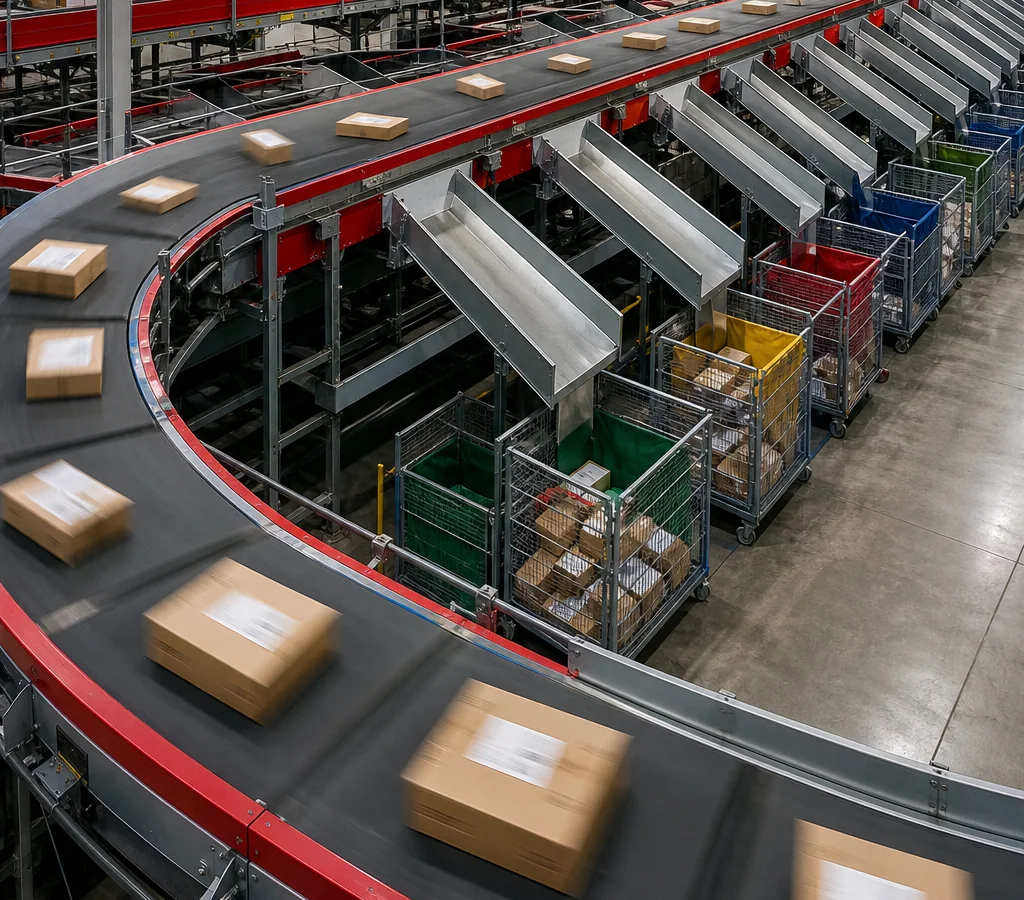
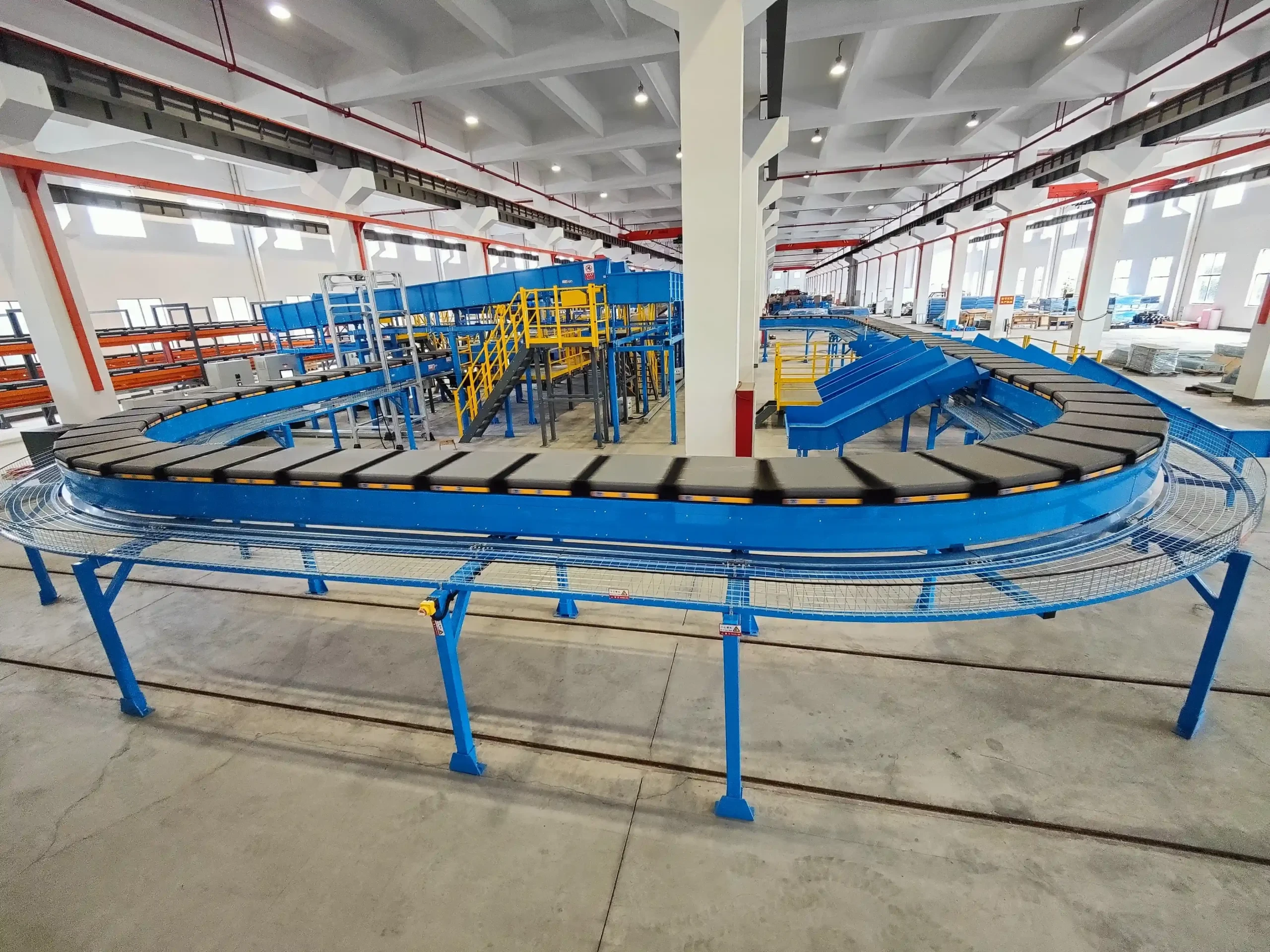
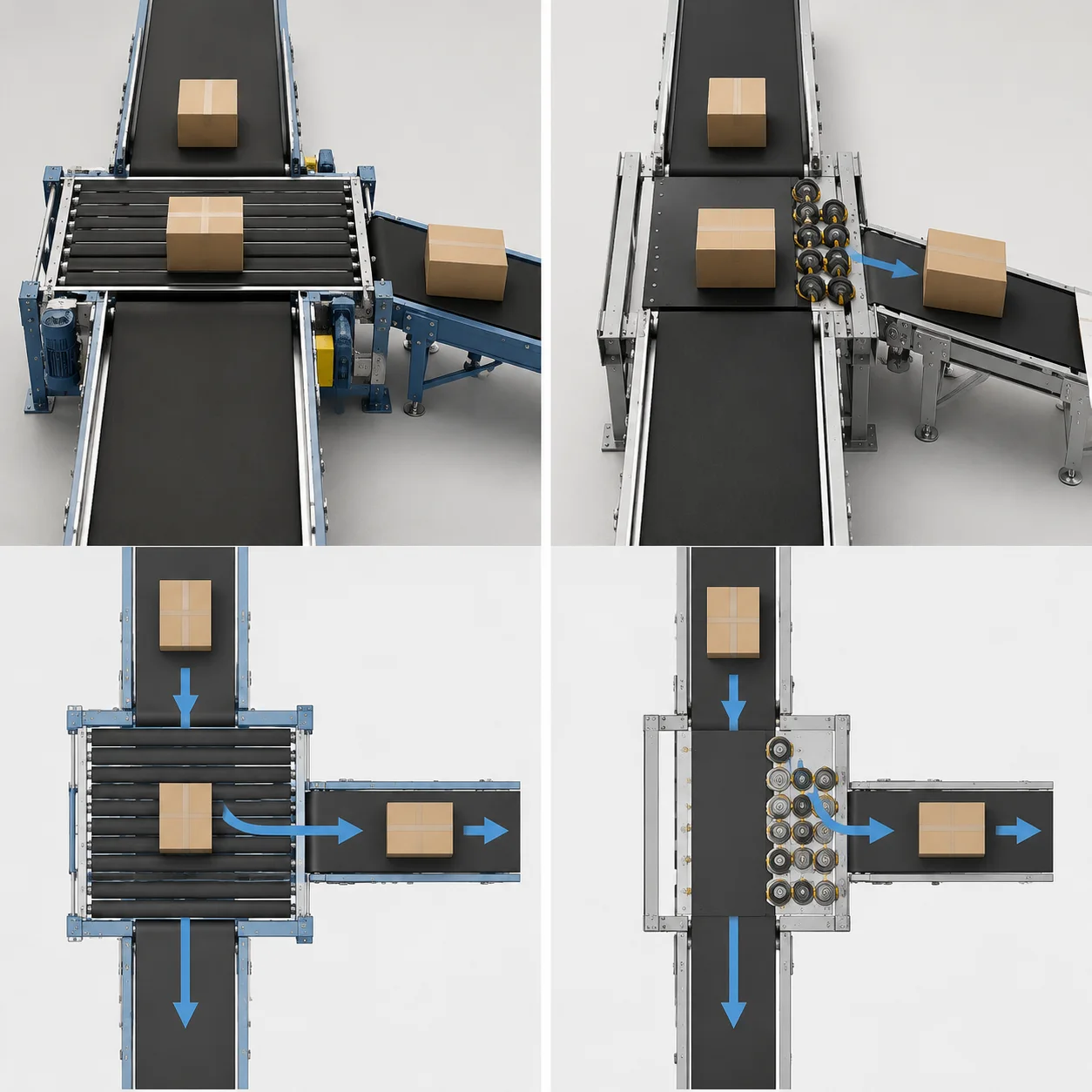
Automation
Automated warehouses and processes reduce reliance on manual labor.
Artificial Intelligence
AI can identify patterns, predict disruptions, and optimize operations.
Strategy #6: Develop Strong Supplier Relationships
Collaboration is key to resilience.
Transparent Communication
Maintain open lines of communication with suppliers to share information and coordinate responses.
Long-Term Partnerships
Invest in relationships that go bey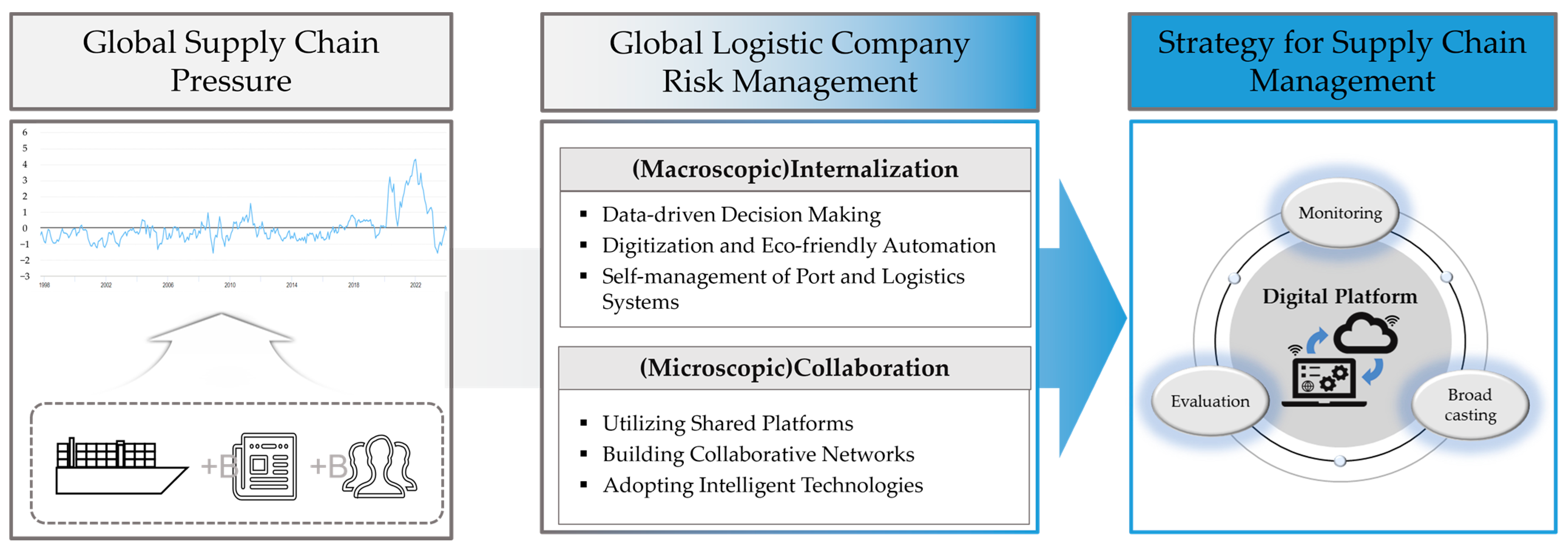
Work with suppliers to identify and mitigate risks together.
Strategy #7: Implement Risk Management Frameworks
Proactive risk management is essential.
Risk Identification
Map out potential risks across the supply chain.
Scenario Planning
Develop response plans for different disruption scenarios.
Continuous Monitoring
Regularly review and update risk assessments.
Strategy #8: Localize and Nearshore Operations
Bringing production closer to end markets can reduce risk.
Benefits of Nearshoring
- Shorter lead times
- Reduced transportation costs
- Greater control over operations
Challenges to Consider
- Higher labor costs
- Infrastructure limitations
Balancing global and local sourcing strategies is key.
Strategy #9: Enhance Workforce Resilience
People are a critical component of logistics systems.
Cross-Training
Train employees to perform multiple roles to ensure continuity.
Health and Safety Measures
Protect workers to maintain productivity during crises.
Remote Capabilities
Enable remote management and coordination where possible.
Strategy #10: Focus on Sustainability and Resilience Together
Sustainability and resilience often go hand in hand.
Eco-Friendly Practices
Reduce environmental impact while improving efficiency.
Circular Supply Chains
Incorporate recycling and reuse to reduce dependency on raw materials.
Regulatory Compliance
Stay ahead of environmental regulations that may impact operations.
Case Study: Lessons from Recent Disruptions
Recent global events have highlighted the importance of resilience.
Key Takeaways
- Companies with diversified suppliers recovered faster
- Digital visibility enabled quicker decision-making
- Flexible logistics networks adapted more effectively
These lessons underscore the need for proactive planning.
Common Mistakes to Avoid
Even well-intentioned strategies can fall short.
Overcomplicating Systems
Too much complexity can reduce agility.
Ignoring Data
Decisions without data increase risk.
قصيرة النظر
Focusing only on short-term gains can undermine long-term resilience.
Measuring Success: Key Performance Indicators
To evaluate resilience, track relevant metrics.
Important KPIs
- Lead time variability
- Order fulfillment rate
- Inventory turnover
- Supplier performance
- Recovery time after disruptions
Regular monitoring helps identify areas for improvement.
The Future of Resilient Logistics
As global uncertainty continues, resilience will remain a top priority.
Emerging Trends
- Increased adoption of digital twins
- Greater use of blockchain for transparency
- Expansion of regional supply networks
Continuous Improvement
Resilience is not a one-time effort—it requires ongoing adaptation.
Final Thoughts: Turning Disruption into Opportunity
Global supply chain disruptions are inevitable, but they don’t have to be devastating. By shifting from a purely efficiency-driven model to one that balances efficiency with resilience, businesses can better navigate uncertainty.
The goal is not to eliminate risk but to build systems that can absorb shocks, adapt quickly, and continue operating effectively.
Organizations that invest in resilience today will be better positioned to thrive in an unpredictable future.
Frequently Asked Questions
What is supply chain resilience?
It’s the ability of a supply chain to prepare for, respond to, and recover from disruptions.
How can small businesses improve resilience?
Start with supplier diversification, basic inventory buffers, and improved communication.
Is resilience expensive?
It can require upfront investment, but it often reduces long-term costs associated with disruptions.
What’s the first step to take?
Assess your current supply chain vulnerabilities and prioritize the most critical risks.