

Global trade depends on the smooth movement of goods across oceans. From electronics and automobiles to food and raw materials, more than 80% of international trade is carried by sea. But as climate patterns become increasingly unpredictable, extreme weather events are putting unprecedented pressure on global shipping networks.
Hurricanes, typhoons, storms, heatwaves, and rising sea levels are no longer rare disruptions—they are becoming recurring challenges that reshape routes, delay deliveries, and increase operational risks.
In this comprehensive guide, we’ll explore how extreme weather affects global maritime shipping routes and the strategies shipping companies, logistics providers, and importers are using to adapt and maintain resilience in a changing world.
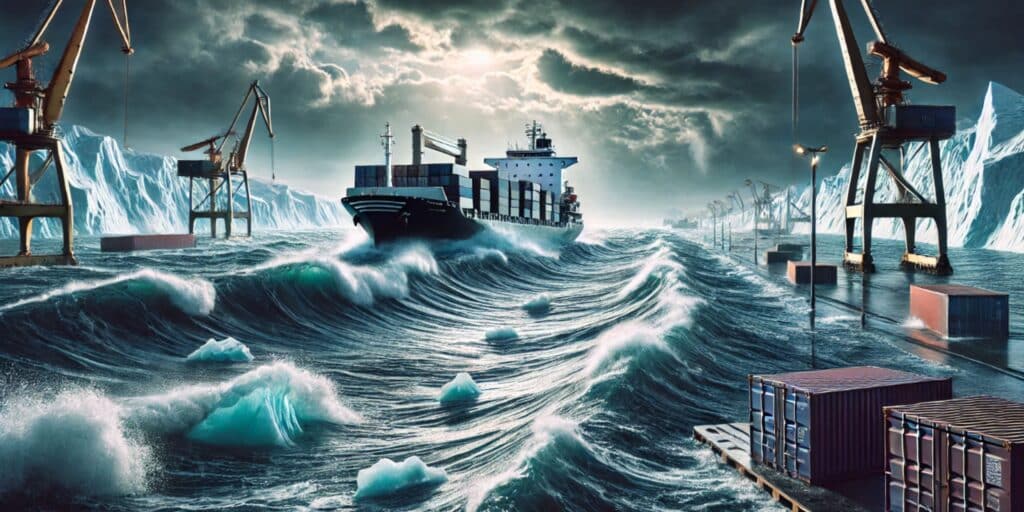
The Growing Role of Extreme Weather in Global Shipping Disruptions
Extreme weather is no longer a seasonal inconvenience—it is a structural risk factor in global logistics planning.
Climate Change as a Driving Force
Rising ocean temperatures and shifting atmospheric conditions have led to:
- More frequent and intense hurricanes
- Stronger typhoons in the Pacific
- Unpredictable storm patterns in the Atlantic
- Increased flooding and coastal disruptions
These changes directly affect maritime operations.
Why Shipping Is Especially Vulnerable
Shipping routes are fixed in geography but exposed to dynamic environmental conditions. Unlike land transport, vessels cannot easily reroute without significant time and cost implications.
Major Types of Extreme Weather Affecting Shipping Routes
1. Hurricanes and Tropical Storms
Hurricanes are among the most disruptive forces in maritime logistics.
Impacts:
- Port closures
- Vessel rerouting
- Cargo delays
- Damage to infrastructure
Major hubs in the Caribbean and Gulf of Mexico are particularly vulnerable.
2. Typhoons in the Pacific
The Western Pacific experiences some of the most powerful storms on Earth.
Effects on Shipping:
- Disruptions to Asia–North America routes
- Congestion at alternative ports
- Increased fuel consumption due to rerouting
Ports in East Asia often face temporary shutdowns during peak typhoon season.
3. Heavy Rainfall and Flooding
Flooding affects inland transport connections to ports.
Consequences:
- Delayed container movement
- Warehouse disruptions
- Road and rail infrastructure failures
Even if ports remain operational, inland logistics can break down.
4. Extreme Heat and Drought
While less dramatic, heatwaves have significant indirect effects.
Impacts:
- Reduced efficiency of port equipment
- Worker safety concerns
- Lower water levels affecting inland waterways (e.g., canals and rivers)
5. Fog and Visibility Issues
Dense fog can delay vessel docking and navigation.
Operational Challenges:
- Slower port entry and exit
- Increased risk of collision
- Delays in scheduling
Key Global Shipping Routes Most Affected
Trans-Pacific Route (Asia–North America)
One of the busiest trade corridors in the world, heavily impacted by Pacific typhoons and storm systems.
Trans-Atlantic Route (Europe–North America)
Susceptible to Atlantic hurricanes and winter storms.
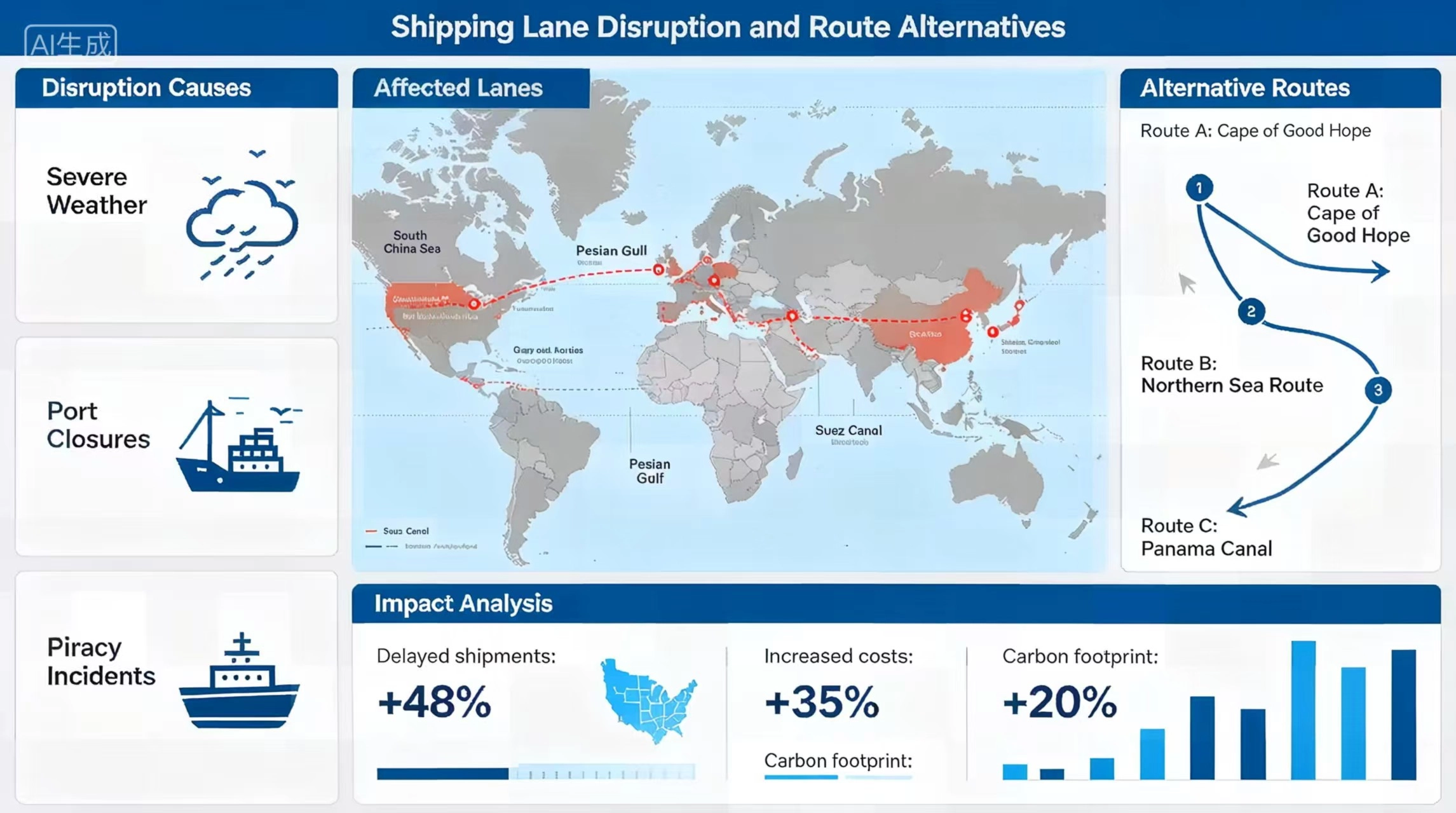
Asia–Europe Route via the Suez Canal
While less directly affected by storms, rerouting due to weather in connecting regions can cause cascading delays.
Regional Coastal Routes
Short-haul routes are often disrupted by localized weather events and port closures.
Real-World Impact of Extreme Weather on Shipping Operations
Port Shutdowns
When storms approach, ports often close preemptively, halting all inbound and outbound shipments.
Vessel Rerouting
Ships may need to take longer routes to avoid dangerous weather, increasing fuel costs and transit time.
Container Loss and Damage
Rough seas can cause containers to shift or fall overboard, leading to financial losses.
Supply Chain Bottlenecks
Delays at one port create ripple effects across global supply chains.
Economic Consequences of Weather-Driven Disruptions
Increased Shipping Costs
- Fuel consumption rises due to longer routes
- Insurance premiums increase in high-risk seasons
Inventory Imbalances
- Overstock in some regions
- Shortages in others
Contract Penalties
Delays can trigger penalties in time-sensitive supply agreements.
How Shipping Companies Are Responding
The industry is actively adapting to these challenges through innovation and strategy.
Strategy 1: Advanced Weather Forecasting and Predictive Analytics
Modern shipping relies heavily on data.
Tools Used:
- Satellite imaging
- AI-driven weather models
- Ocean current simulations
Benefits:
- Early rerouting decisions
- Reduced exposure to storms
- Improved schedule reliability
Strategy 2: Dynamic Route Optimization
Instead of fixed routes, companies now use adaptive planning systems.
Features:
- Real-time route adjustments
- Fuel efficiency optimization
- Risk-based navigation planning
Strategy 3: Port Diversification
Relying on a single port increases vulnerability.
Approach:
- Use multiple regional hubs
- Shift cargo to less affected ports during storms
- Build redundancy into logistics networks
Strategy 4: Strengthening Port Infrastructure
Ports are investing heavily in resilience.
Improvements Include:
- Elevated storage facilities
- Storm-resistant cranes
- Improved drainage systems
- Digital coordination systems
Strategy 5: Vessel Design Improvements
Modern ships are built to withstand harsher conditions.
Enhancements:
- Improved hull strength
- Stabilization systems
- Better weather resistance
Strategy 6: Insurance and Risk Transfer
Marine insurance plays a critical role in managing financial risk.
Coverage Areas:
- Weather-related damage
- Cargo loss
- Delay compensation
Strategy 7: Supply Chain Diversification
Companies are reducing dependence on single routes or regions.
Methods:
- Multi-origin sourcing
- Regional manufacturing hubs
- Flexible logistics contracts
Strategy 8: Buffer Inventory Strategies
To absorb delays caused by weather disruptions:
- Companies maintain safety stock
- Strategic warehousing near demand centers
- Flexible replenishment cycles
Role of Technology in Weather-Resilient Shipping
Internet of Things (IoT)
Sensors on containers provide real-time environmental data.
Artificial Intelligence
AI predicts disruptions and recommends alternative routes.
Blockchain
Improves transparency and coordination across stakeholders.
Environmental Feedback Loop: Shipping and Climate Change
Shipping is both affected by and contributes to climate change.
Emissions Impact
- Maritime transport contributes to global greenhouse gases
- Regulations are pushing for cleaner fuels
Industry Shift
- Slow steaming practices
- LNG and alternative fuels
- Green shipping corridors
Regulatory Responses to Weather Risks
Governments and international bodies are adapting policies.
Safety Regulations
- Mandatory storm avoidance protocols
- Enhanced reporting requirements
Environmental Regulations
- Emission controls
- Sustainable shipping initiatives
Common Mistakes in Weather Risk Management
Overreliance on Historical Data
Past weather patterns no longer reliably predict future conditions.
Lack of Flexibility
Rigid logistics systems struggle during disruptions.
Underinvestment in Technology
Without real-time data, response time is delayed.
Future Trends in Weather-Resilient Shipping
Autonomous Shipping
AI-controlled vessels may improve adaptive routing.
Smart Ports
Fully digitized ports will respond faster to weather events.
Climate-Adaptive Infrastructure
Ports designed specifically for rising sea levels and stronger storms.
Final Thoughts: Building a Weather-Resilient Maritime Future
Extreme weather is no longer an occasional disruption—it is a defining feature of modern global shipping. As climate patterns continue to evolve, resilience will become just as important as efficiency in logistics planning.
The most successful shipping networks of the future will not be those that avoid disruption entirely, but those that adapt quickly, recover efficiently, and maintain continuity under pressure.
By combining advanced forecasting, flexible routing, diversified infrastructure, and intelligent technology, the global maritime industry can continue to keep trade flowing—even in the face of increasingly unpredictable seas.
Frequently Asked Questions
Which weather events affect shipping the most?
Hurricanes, typhoons, and severe storms have the largest direct impact.
Can ships avoid all bad weather?
Not always, but modern forecasting allows for better route adjustments.
Do storms always cause delays?
Most severe storms lead to at least partial disruption in schedules.
How is technology improving weather safety in shipping?
Through AI forecasting, real-time tracking, and automated route optimization.