

In today’s global economy, moving goods across borders is no longer limited to large corporations. Small businesses, e-commerce sellers, and independent importers all rely on freight forwarding services to keep their operations running smoothly. But while demand has grown, so has the number of freight forwarding companies—making it increasingly difficult to distinguish reliable partners from risky ones.
Choosing the wrong freight forwarder can lead to delayed shipments, damaged goods, hidden fees, compliance issues, and even financial loss. On the other hand, selecting the right partner can streamline your logistics, reduce costs, and provide peace of mind.
So how do you make the right choice?
This comprehensive guide breaks down the process into three critical indicators that matter most when evaluating a freight forwarder: operational capability, transparency and pricing structure, and compliance with global regulations. By focusing on these factors, you can confidently select a partner that supports your business growth rather than jeopardizes it.
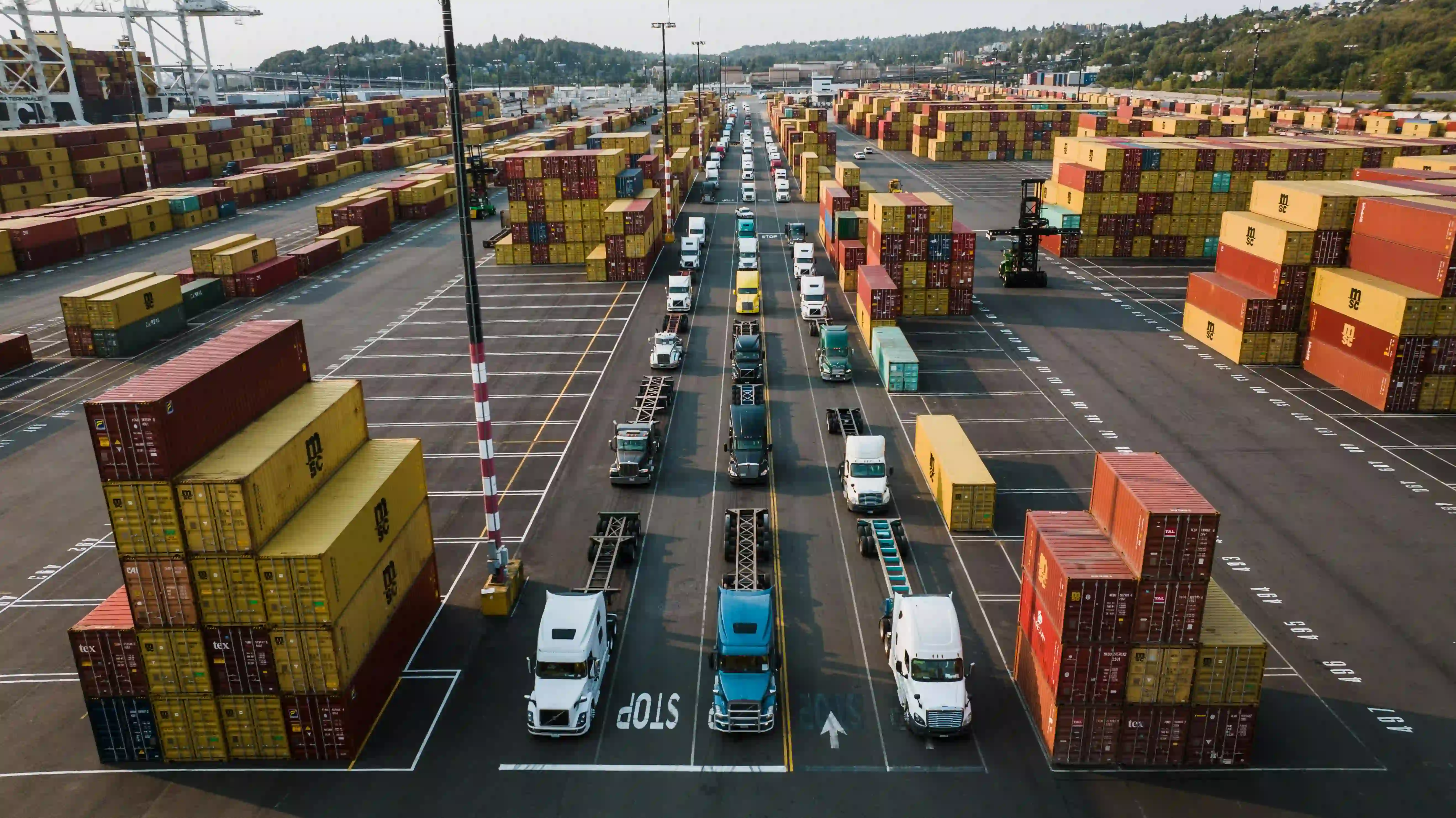
Why Choosing the Right Freight Forwarder Matters
Before diving into the key indicators, it’s important to understand the role of a freight forwarder.
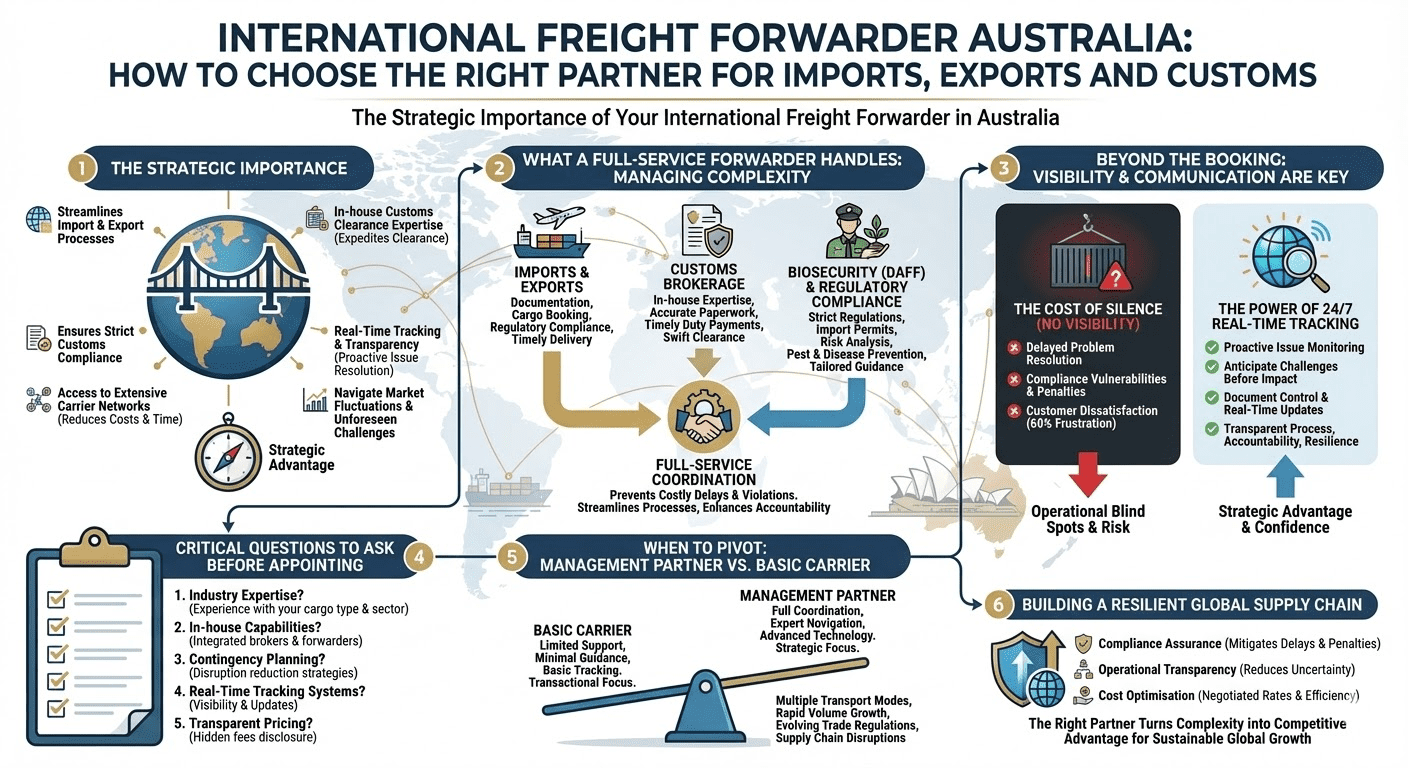
A freight forwarder acts as an intermediary between you (the shipper) and transportation services such as ocean carriers, airlines, trucking companies, and customs authorities. Their responsibilities often include:
- Booking cargo space
- Preparing shipping documentation
- Handling customs clearance
- Managing warehousing and distribution
- Coordinating delivery schedules
Because they manage such a critical part of your supply chain, their performance directly impacts your business operations.
Indicator #1: Strong Operational Capability
The first and most important factor to evaluate is a freight forwarder’s operational capability. This determines whether they can handle your shipments efficiently, consistently, and without unnecessary complications.
What Does Operational Capability Include?
1. Global Network Coverage
A reliable freight forwarder should have a well-established international network, including:
- Partnerships with carriers
- Overseas agents in key regions
- Access to multiple shipping routes
A strong network ensures flexibility and resilience, especially when disruptions occur.
2. Multi-Modal Transport Options
Look for companies that offer:
- Ocean freight
- Air freight
- Rail freight
- Trucking services
The ability to switch between transportation modes allows for better cost control and faster delivery when needed.
3. Experience in Your Industry
Different industries have different logistics requirements. For example:
- Electronics require careful handling and security
- Apparel needs efficient distribution timelines
- Perishable goods demand temperature control
A freight forwarder familiar with your industry will anticipate challenges and offer tailored solutions.
4. Problem-Solving Ability
Logistics rarely goes exactly as planned. Delays, port congestion, weather disruptions, and customs issues are common.
A capable freight forwarder should:
- Provide alternative routes quickly
- Communicate proactively
- Minimize delays and costs
Red Flags to Watch For
- Limited service offerings
- Lack of global presence
- Poor communication during disruptions
- No contingency planning
Indicator #2: Transparent Pricing and Clear Communication
Pricing is often the deciding factor when choosing a freight forwarder, but it’s also where many businesses get burned.
Why Transparency Matters
Freight forwarding costs can be complex, involving multiple components such as:
- Freight charges
- Fuel surcharges
- Port fees
- Customs duties
- Handling fees
A trustworthy forwarder provides a clear breakdown of these costs upfront.
What to Look For
1. Detailed Quotations
A reliable company should offer:
- Itemized pricing
- Clear terms and conditions
- Defined service scope
Avoid vague quotes that lack detail.
2. No Hidden Fees
Hidden charges often appear as:
- Unexpected surcharges
- Last-minute “adjustments”
- Undisclosed service fees
Transparency eliminates surprises and helps you budget accurately.
3. Consistent Communication
Good communication is just as important as fair pricing.
Your freight forwarder should:
- Respond promptly to inquiries
- Provide shipment updates
- Explain delays clearly
4. Digital Tracking Capabilities
Modern logistics relies on visibility.
Look for forwarders that offer:
- Real-time tracking systems
- Online dashboards
- Automated notifications
Red Flags to Watch For
- Prices significantly lower than competitors (often too good to be true)
- Unclear or incomplete quotes
- Delayed or inconsistent responses
- Lack of tracking tools
Indicator #3: Compliance and Certifications
Global shipping involves strict regulations, and non-compliance can result in fines, shipment delays, or confiscated goods.
A reliable freight forwarder must demonstrate strong compliance standards.
Key Certifications and Credentials
1. Industry Certifications
Look for memberships or certifications such as:
- FIATA (International Federation of Freight Forwarders Associations)
- IATA (International Air Transport Association)
- FMC (Federal Maritime Commission for U.S.-related shipments)
These indicate adherence to industry standards.
2. Customs Expertise
Customs clearance is one of the most complex aspects of shipping.
A qualified forwarder should:
- Understand import/export regulations
- Prepare accurate documentation
- Handle duties and taxes correctly
3. Insurance Coverage
Accidents happen, even with the best planning.
Ensure your forwarder offers or facilitates:
- Cargo insurance
- Liability coverage
This protects your goods during transit.
4. Legal Compliance
The company should operate legally in all relevant jurisdictions and maintain proper licensing.
Red Flags to Watch For
- Lack of verifiable certifications
- Poor understanding of customs procedures
- No insurance options
- History of compliance issues
Additional Factors to Consider
While the three key indicators form the foundation of your decision, a few additional considerations can further refine your choice.
Customer Reviews and Reputation
Look for:
- Online reviews
- Case studies
- Client testimonials
Consistent positive feedback is a strong indicator of reliability.
Scalability
As your business grows, your logistics needs will evolve.
Choose a forwarder that can:
- Handle increased shipment volumes
- Expand to new markets
- Offer additional services
Technology Integration
Advanced technology can improve efficiency and reduce errors.
Features to look for include:
- Automated documentation
- Data analytics
- Integration with your e-commerce or ERP systems
Common Mistakes to Avoid
Even experienced shippers can make poor decisions when selecting a freight forwarder.
Choosing Based on Price Alone
Low prices often come with hidden risks, including poor service quality.
Ignoring Contracts and Terms
Always review agreements carefully to understand:
- Liability limits
- Service scope
- Cancellation policies
Overlooking Communication Quality
A forwarder that communicates poorly at the beginning is unlikely to improve later.
A Practical Step-by-Step Selection Process
To simplify your decision-making, follow this structured approach:
Step 1: Define Your Needs
- Shipment type
- Destination
- Timeline
- Budget
Step 2: Shortlist Candidates
Identify 3–5 potential freight forwarders.
Step 3: Request Detailed Quotes
Compare pricing, services, and terms.
Step 4: Evaluate the Three Key Indicators
- Operational capability
- Pricing transparency
- Compliance
Step 5: Conduct Interviews
Ask questions about:
- Experience
- Problem-solving
- Communication processes
Step 6: Check References
Speak with existing clients if possible.
Step 7: Start with a Trial Shipment
Test performance before committing long-term.
The Long-Term Value of a Reliable Freight Forwarder
A good freight forwarder is more than a service provider—they are a strategic partner.
Benefits include:
- Reduced shipping costs over time
- Improved delivery reliability
- Better customer satisfaction
- Lower operational stress
Final Thoughts
Selecting a reliable freight forwarder is one of the most important decisions in your logistics strategy. With so many options available, it’s easy to feel overwhelmed—but focusing on the right criteria makes the process much clearer.
By evaluating operational capability, pricing transparency, and regulatory compliance, you can identify partners who are not only capable but trustworthy.
In a world where supply chains are becoming increasingly complex, having the right freight forwarder on your side is not just helpful—it’s essential. Taking the time to choose wisely today can save you significant time, money, and frustration in the future.
Make your decision carefully, and you’ll build a logistics foundation that supports your business for years to come.