


A sorter is the only machine in most warehouses that stops the whole building when it stops. That asymmetry is why maintenance planning deserves the same rigor as the purchase decision: the five-year cost model is dominated not by the purchase price but by uptime, wear parts and the labor that keeps them moving. This guide lays out a maintenance structure you can actually run — schedules by subsystem, a spare-parts stocking rule, and contract terms that put uptime in writing.
Start from a simple classification of everything on the line: components that wear (belts, chains, rollers), components that fail suddenly (drives, sensors, PLC I/O), and structures that last (frames, chutes, guarding). Each class gets a different strategy. Treating them the same — one annual service for everything — is how operators end up with a critical spare backlog and a shelf of parts they will never use.
Preventive Schedules by Subsystem
A workable baseline schedule for a parcel sorter:
- Daily (10–15 minutes, operator level): walk the line at start-up. Listen for bearing noise, look for tracking drift on belts, check ejection chutes for lodged parcels. Operators catch most failures months before instruments do.
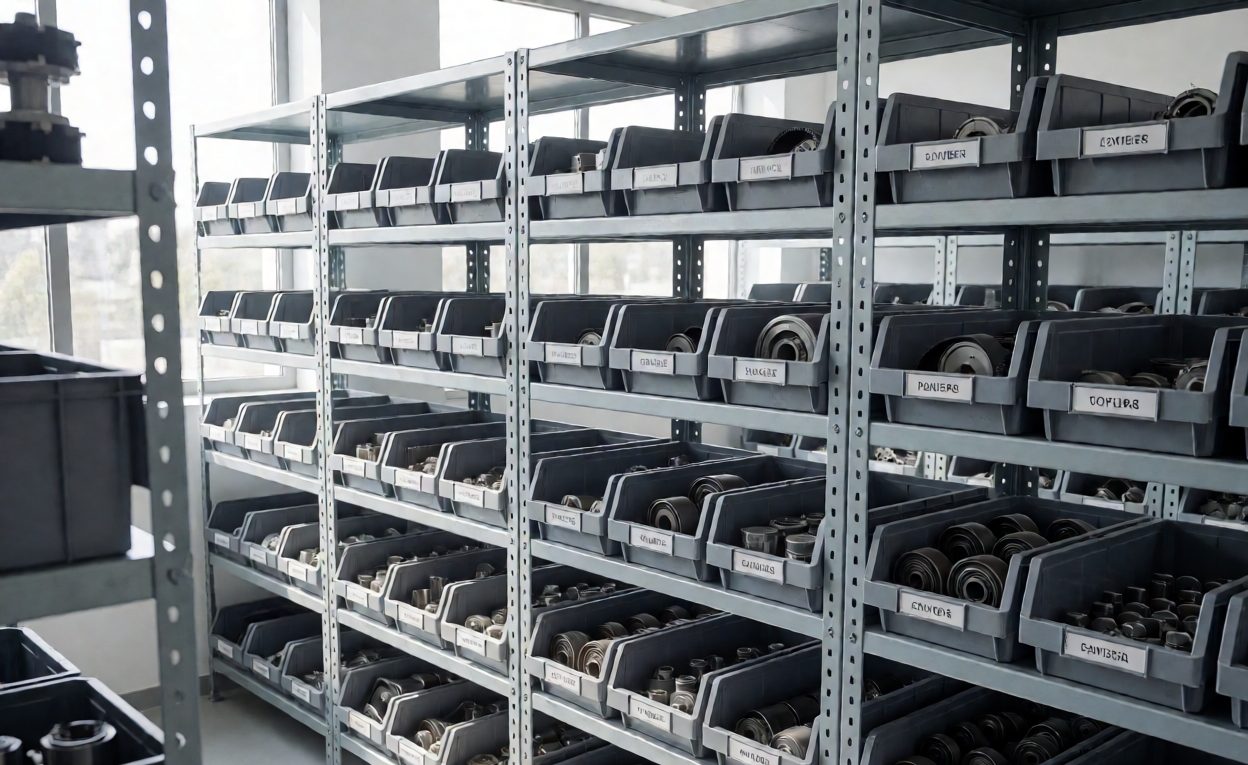
- Weekly: belt tension and tracking on induction and takeaway sections, photo-eye cleaning, chain lubrication, check torque on frequent-vibration fasteners.
- Monthly: drive motor current draw trends, gearbox oil level and leaks, sorter carriage wheels on cross-belt systems, diverter timing verification.
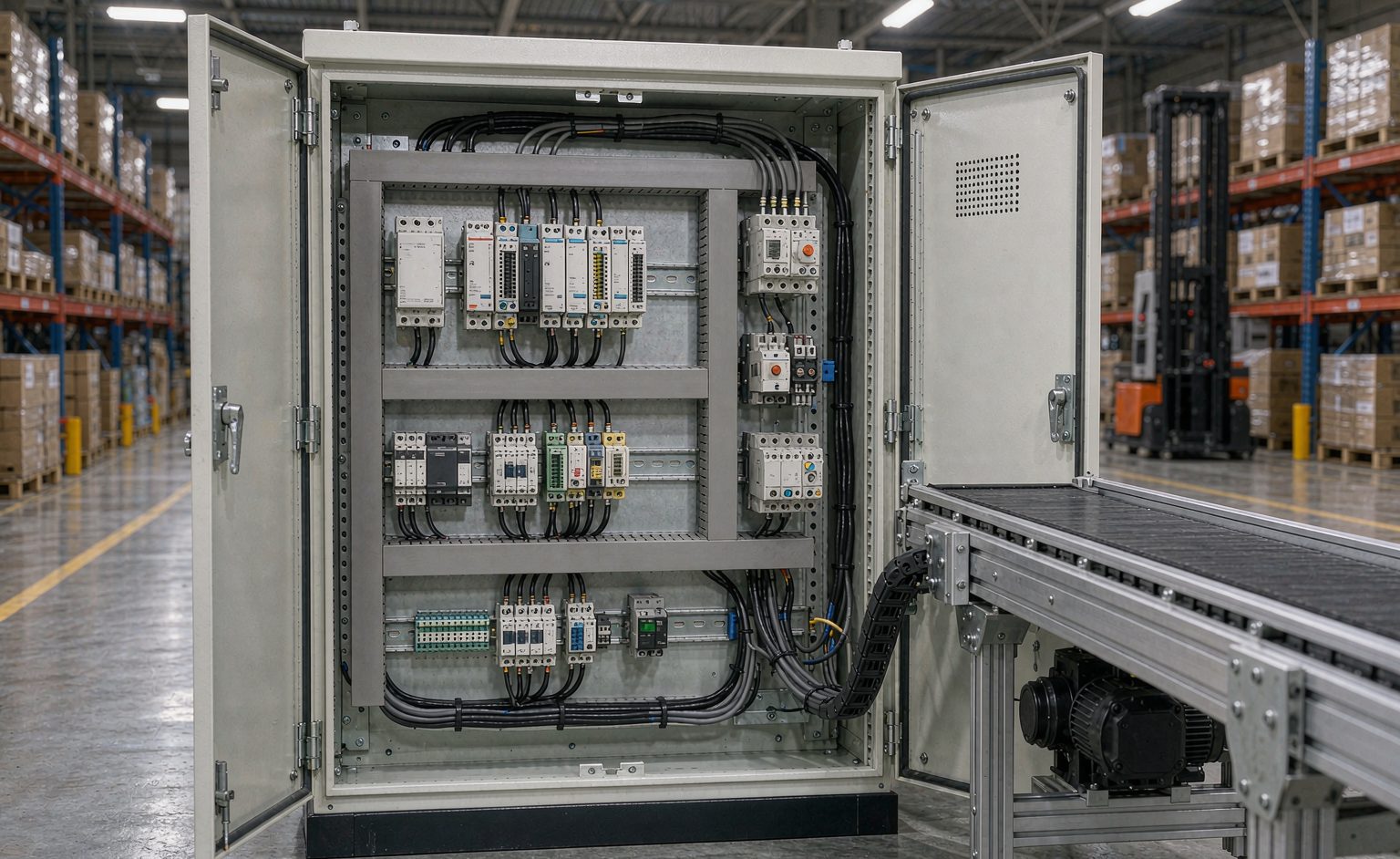
- Quarterly/annual: bearing replacement by hours not by failure on critical sections, full electrical cabinet inspection, backup restore test for the control system, and a structural check of chute mounts and guarding.
The exact intervals depend on volume and environment — dusty peak seasons justify weekly attention where a clean facility can run monthly. What matters is that the schedule is written, assigned and logged, not that it is perfect. The commissioning phase is when to build these checklists, because the installer knows every adjustment point the line has.
Wear-Part Families and What to Stock
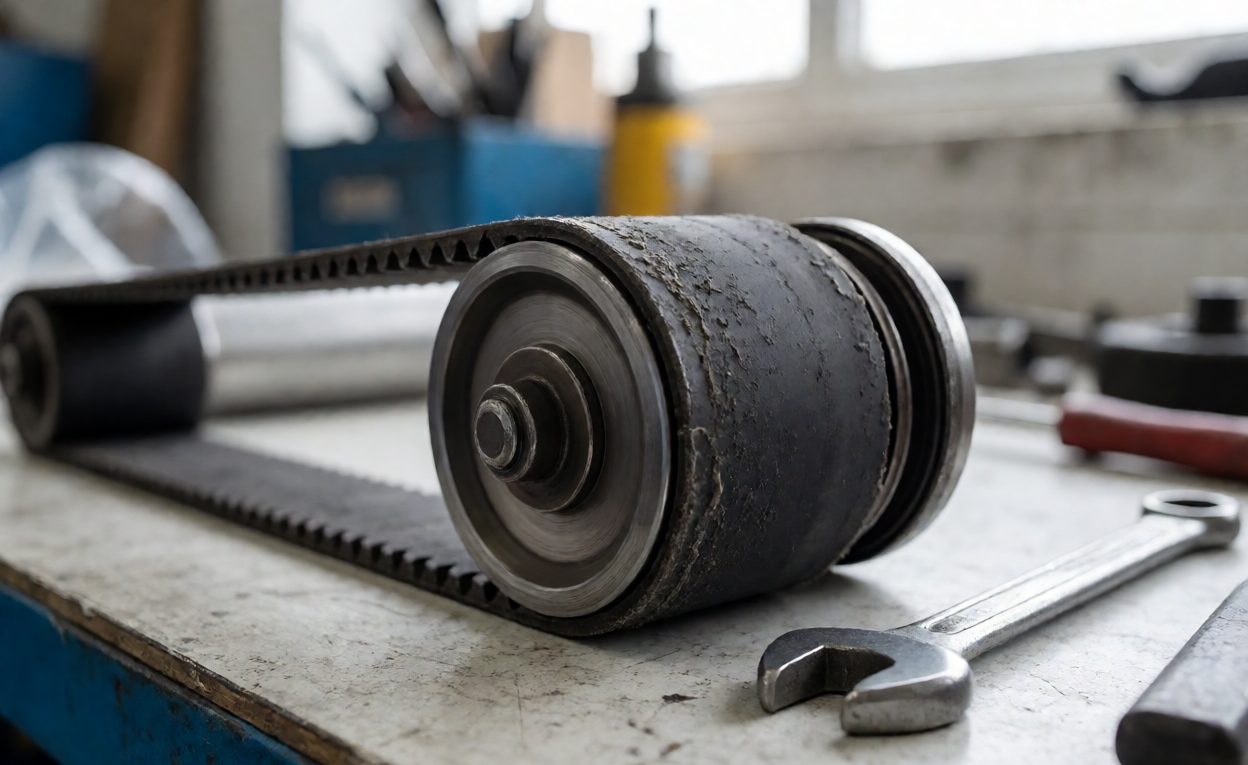
Spare parts strategy fails in both directions: nothing on the shelf when a belt snaps at peak, or capital buried in parts for a line configuration that changed two years ago. A pragmatic stocking rule sorts parts by lead time and criticality:
- Stock on site (days of cover): anything with site lead time over a week that stops the line when it fails — drive belts for critical sections, carriage wheels, divert fingers, photo-eyes for the induction zone, PLC I/O modules, fuses and contactors.
- Stock one of each (insurance items): full drive unit, gearbox for each size on the line, emergency spare for the singular items the line cannot run without.
- Order on consumption: cheap consumables — ties, labels, lubricants — via min-max reordering, never manually counted.
Technical background: reliability math uses MTBF and MTTR — you do not need formal analysis, but the ratio explains the levers: stocking spares and training techs shrinks MTTR, while preventive service stretches MTBF. Availability is what your parcel SLA actually experiences. For subsystem context, the conveyor system article maps the component families.

Writing Uptime Into the Service Contract
If the manufacturer or an integrator services the line, the contract is where uptime becomes real. Three clauses matter more than the rest:
- Response and fix times by severity: not “24-hour response” for everything, but tiered — same-shift remote support for line-down, next-visit for degraded, scheduled for cosmetic.
- Wear-part price protection: fixed pricing or formula for consumables over the contract term. Some operators discover after signing that genuine parts carry a premium that changes the maintenance economics entirely.
- Data and documentation ownership: you own the fault logs, the program backups and the as-built drawings. When you later add a chute or retune the WMS and PLC integration, whoever holds clean documentation does it in days, not weeks.
Negotiate these alongside the throughput and budget conversation, not after installation. Leverage is asymmetric once the line is running.

Peak Season Maintenance Mode
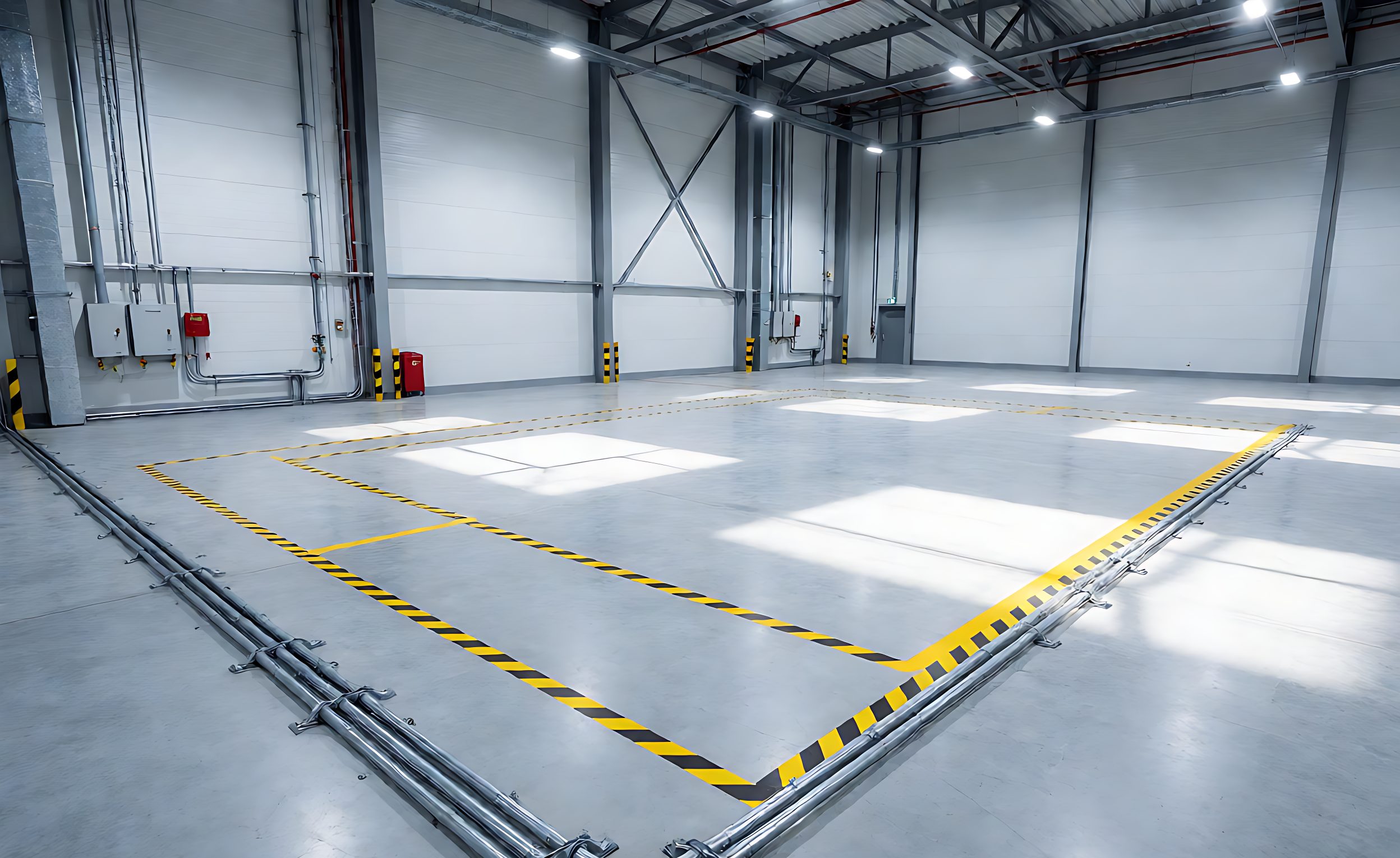
During peak, the schedule inverts: maintenance windows shrink, and the cost of downtime multiplies. Shift the heavy quarterly work into the weeks before volume ramps, stock critical spares deeper for the peak window, and add a night-shift inspection round — running equipment under real load reveals vibration and tracking issues that an empty line hides. Facilities that plan the layout around maintenance access from the start can service most of the line without stopping induction, which is worth more during peak than any other week of the year.
How often should a parcel sorter be serviced?
Baseline: a daily operator walk, weekly belt tension and sensor cleaning, monthly drive and gearbox checks, and quarterly-to-annual service for bearings, cabinets and structural items. Adjust intervals for volume, dust and peak season rather than copying a manual blindly.
Which spare parts should we keep on site?
Anything whose site lead time exceeds a week and that stops the line when it fails: drive belts for critical sections, carriage wheels, divert fingers, induction-zone photo-eyes, PLC I/O modules and contactors. Plus one insurance spare for singular items like full drive units.
What MTBF and MTTR targets are realistic for a sorter?
Targets depend on volume and line age, but the operating rule is general: preventive service stretches MTBF, and stocked spares plus trained technicians shrink MTTR. Track both by subsystem so the weak area is visible instead of averaged away.
Should we contract the OEM or self-maintain?
Many operators mix: OEM or integrator contract for drives, controls and software; in-house team for daily walks, belt work and mechanical basics. The contract decision matters less than tiered response times, wear-part price protection and documentation ownership in writing.
How do we prepare the sorter for peak season?
Complete heavy quarterly work before volume ramps, deepen critical-spare stock for the peak window, tighten the daily checklist, and add night-shift inspections under real load. Freeze configuration changes during peak unless they fix a live failure.
What should a daily sorter inspection catch?
Bearing noise, belt tracking drift, lodged parcels in chutes, damaged divert fingers, and anything leaking. Most major failures announce themselves as small symptoms for weeks; operators who walk the line daily catch them cheaply.
Who should own the PLC program and fault logs?
You should. Insist on program backups, as-built drawings and fault-log ownership in the contract. Clean documentation turns future modifications or second-vendor support from a negotiation into a work order.