

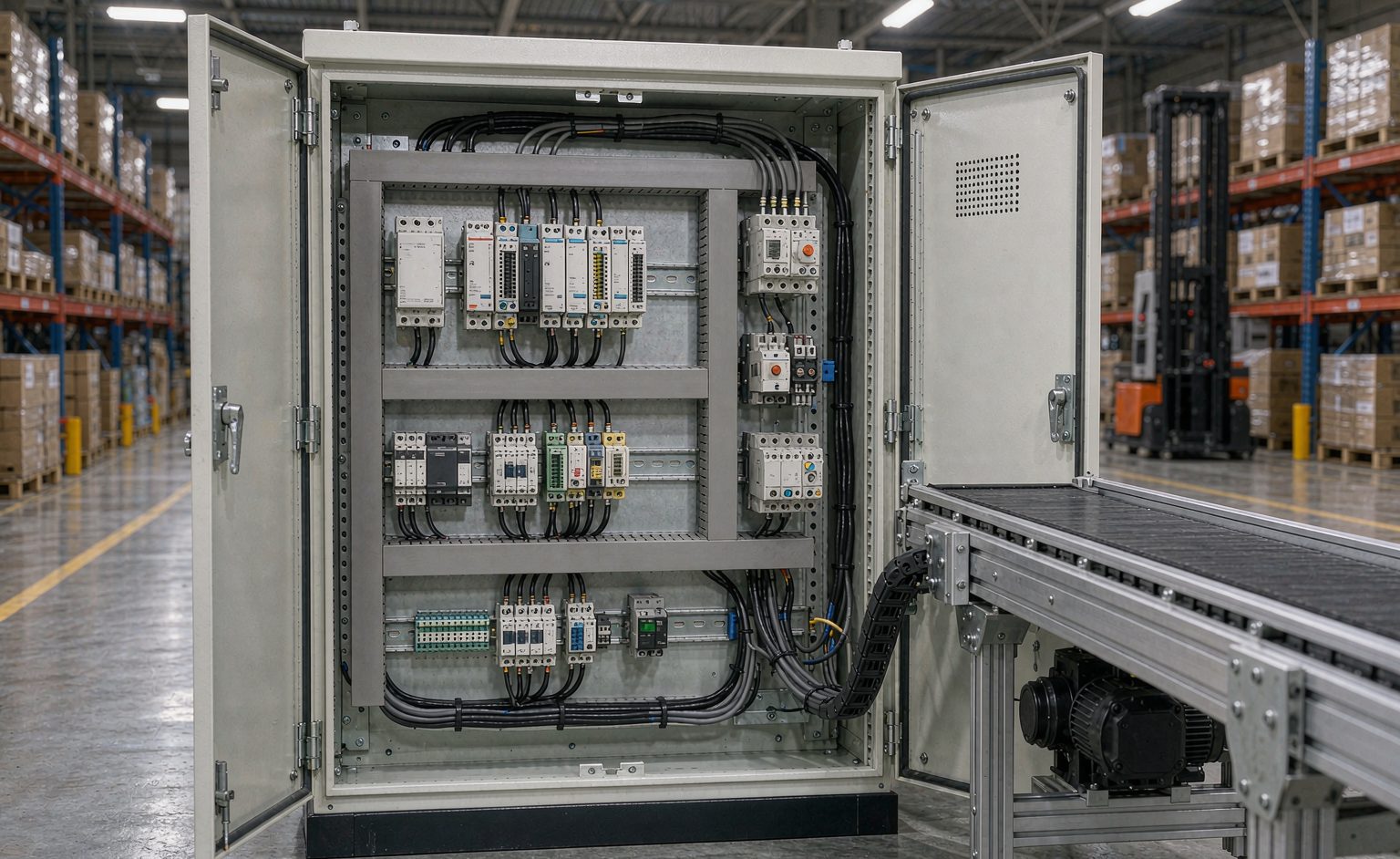
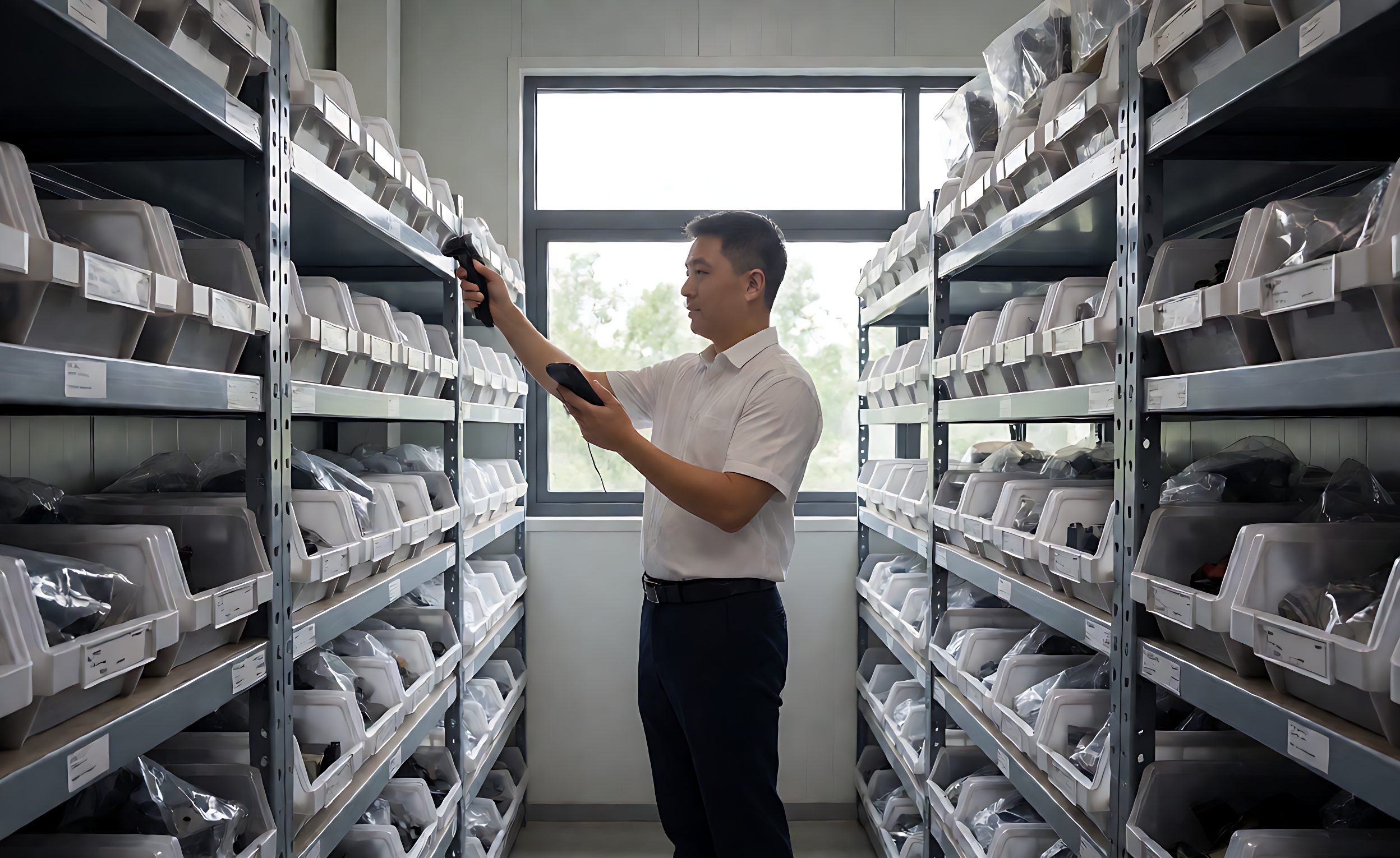

A sorter installation does not overrun because the machine is complicated. It overruns because the floor was not level, the power was not where the drawing said, or the network drop did not exist – and each of those stops a crew that is already on site and already being paid. The cost of a readiness gap is not the fix; it is the idle installation team and the slipped go-live.
Readiness is a checklist with owners and dates, and it should be worked backwards from the commissioning date rather than forwards from the order.
Power
Confirm capacity, connection type and location, and confirm them against the supplier’s requirement rather than against assumption. Three-phase capacity is usually the headline, but the details that stop work are the distribution board location, the cable route, and whether an isolated supply with its own protection is specified.
Confirm who terminates. An electrical scope that nobody owns is a classic two-week delay: the supplier expects the site to terminate at a point, the site expects the supplier to, and the crew waits.

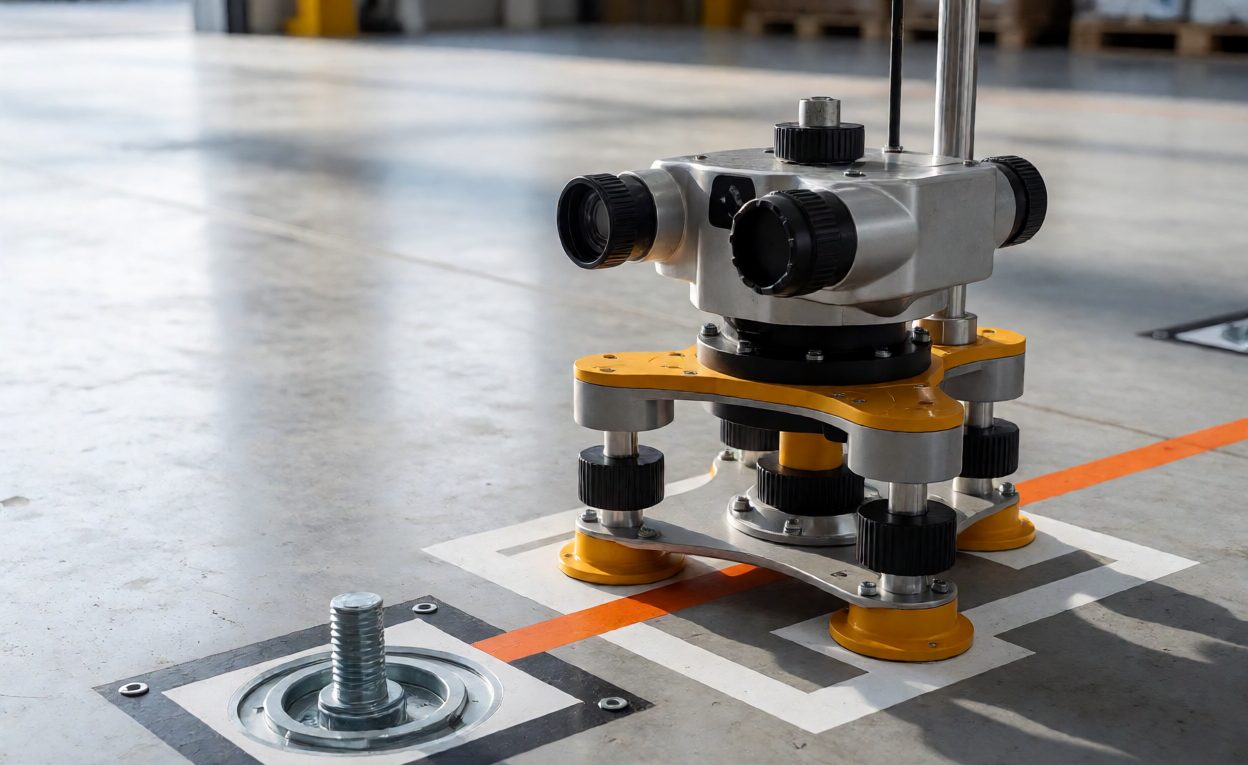
Floor
Sorting equipment is sensitive to floor level and to floor loading, and both should be verified rather than assumed. Ask the supplier for the tolerance and survey the actual slab at the anchor positions before the machine arrives. Levelling a machine on an out-of-tolerance floor is possible and slow; discovering the slab is out of tolerance on delivery day is worse.
Check point loading too. A sorter concentrates weight at feet and bases, and a slab adequate for racking may not be adequate for a machine point load.
Network and Controls Integration
Confirm data drops, switch capacity and any segregated network the controls require, and confirm them at the physical locations on the layout. Then confirm the integration scope: who configures the interface to the host system, who provides test data, and when integration testing happens relative to mechanical completion.
The single most useful readiness item is an integration test window booked before installation starts. Without it, integration slips into whatever time is left at the end, which is exactly when nobody has any.
Access, Air and Environment
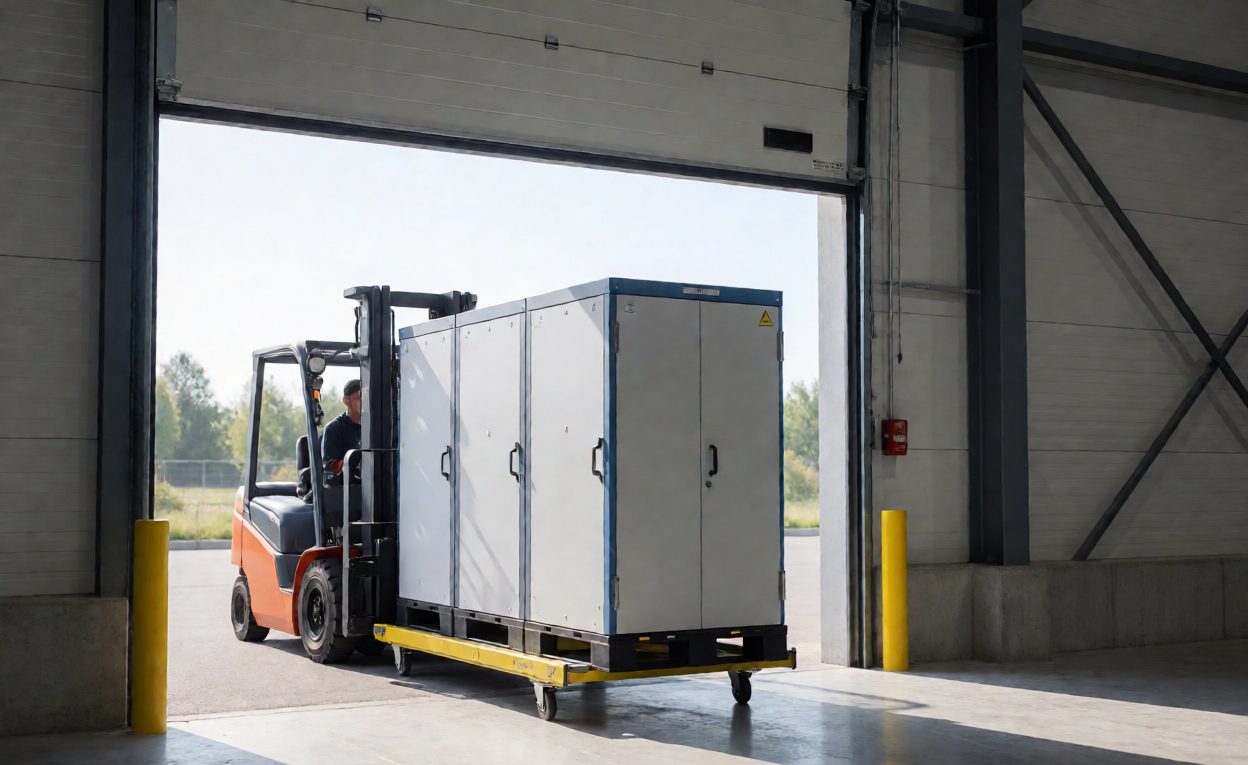
Confirm the delivery route: door dimensions, turning space, floor protection along the route, and whether a forklift of adequate capacity is available at the right time. Modules that cannot get through a door are a design conversation, not a delivery-day problem, and it is far cheaper to have it early.
Where pneumatics are used, confirm compressed air capacity, pressure and quality, and the location of the take-off. Where the environment is cold or humid, confirm the operating envelope the equipment is rated for, because a chilled environment affects both controls and material behaviour.
Technical Background
Formal handover of a prepared site is a commissioning prerequisite, and the process is usually staged from mechanical completion through energisation to performance testing. The electrical requirement is typically three-phase power at a defined capacity and protection. Where pneumatic actuation is used, the site needs compressed air at specified pressure and quality.
Running the Checklist
Assign every item an owner and a date, and review it at a fixed point before delivery – four weeks out is a reasonable first gate, with a second check a week before. Anything not confirmed at the second check becomes a risk with a named mitigation rather than a hope.
Then hold a readiness meeting with the supplier on site. Walking the route and the layout with the people who will install the machine surfaces problems that a document review never does, and it costs a morning.
Installation context is in sorter installation and commissioning, layout planning in warehouse layout for sortation, integration in WMS and PLC integration, acceptance in acceptance testing, and enquiry scope in the RFQ data package.
Readiness Ownership: Who Does What
Most readiness failures are not technical. They occur because each party assumed the other was doing the work. A short ownership matrix, agreed before delivery, prevents most of them.
- Power: who supplies the isolator, who terminates, who tests and certifies.
- Network: who provides drops, addressing, VLAN assignment and firewall rules.
- Floor: who surveys, who corrects, who certifies level tolerance at the anchor points.
- Access: who arranges route clearance, floor protection, and any temporary removal of doors or racking.
- Waste and packing: who removes crates and packing material after unpacking.
Put the matrix next to the payment schedule, because readiness slips are a common source of payment disputes. Where the contract uses the structure described in payment milestones and performance security, readiness items should be stated as conditions affecting specific tranches rather than as general obligations, so that responsibility is visible when a date moves.
A final practical point: re-survey one week before delivery. Buildings change – a racking move, a new partition, a damaged floor section – and a survey carried out at contract signature may no longer describe the site. The re-survey costs an hour and is the cheapest insurance available against a delayed commissioning start. Pair it with a short written confirmation from each owner in the matrix, and readiness stops being an assumption that is tested on delivery day.
FAQ
What delays sorter installations most often?
Site gaps rather than machine issues: floor tolerance, missing power at the right location, and absent network drops.
Who terminates the power supply?
Whoever the contract says. Leaving it unstated is a classic delay while both parties wait for the other.
Why survey the floor?
Sorters need a defined level tolerance at anchor positions; discovering a bad slab on delivery day is far more expensive than surveying early.
Is floor loading an issue?
Yes. Machine point loads differ from racking loads, and a slab adequate for one may not suit the other.
When should integration testing be booked?
Before installation starts, otherwise it slips into whatever time is left at the end.
What access checks matter?
Door dimensions, turning space, floor protection, and forklift capacity at the right time.
How early should readiness be reviewed?
First gate around four weeks before delivery, second a week before, with named owners throughout.