


Shipping goods across borders has become easier than ever, thanks to the growth of global e-commerce and advanced logistics networks. However, not everything can be packed into a box and shipped without a second thought. Many items fall under strict regulations because they pose potential risks to people, property, or the environment. These are known as hazardous materials—often referred to as “dangerous goods.”
Failing to understand and comply with these regulations can result in delayed shipments, fines, confiscation, or even serious safety incidents. Whether you’re a business owner, online seller, or individual shipper, knowing what you can and cannot send is essential.
This comprehensive guide breaks down the basics of hazardous materials shipping, explains why restrictions exist, and helps you identify items that require special handling—or cannot be shipped at all.
What Are Hazardous Materials?
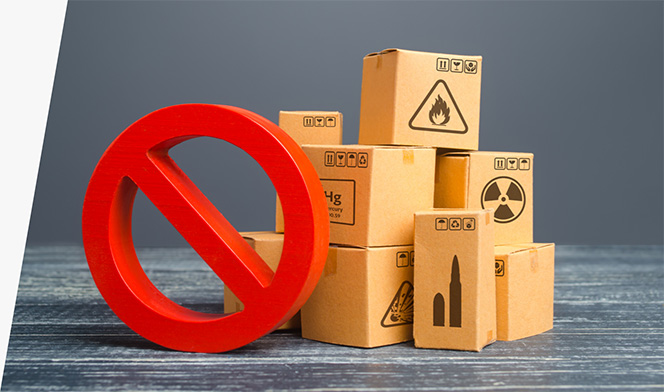
Hazardous materials (HAZMAT) are substances or items that can pose a risk during transportation. These risks may include:
- Fire or explosion
- Toxic exposure
- Chemical reactions
- Environmental damage
International shipping organizations classify dangerous goods into specific categories to ensure safe handling and transport.
Why Strict Regulations Exist
Transporting hazardous materials involves multiple stages—handling, storage, loading, transit, and delivery. At any point, improper packaging or labeling can lead to accidents.
Key Reasons for Regulation
- Protect human safety (workers, handlers, and recipients)
- Prevent transportation accidents
- Minimize environmental harm
- Ensure standardized global practices
Regulations are enforced by international and national authorities, and compliance is mandatory.
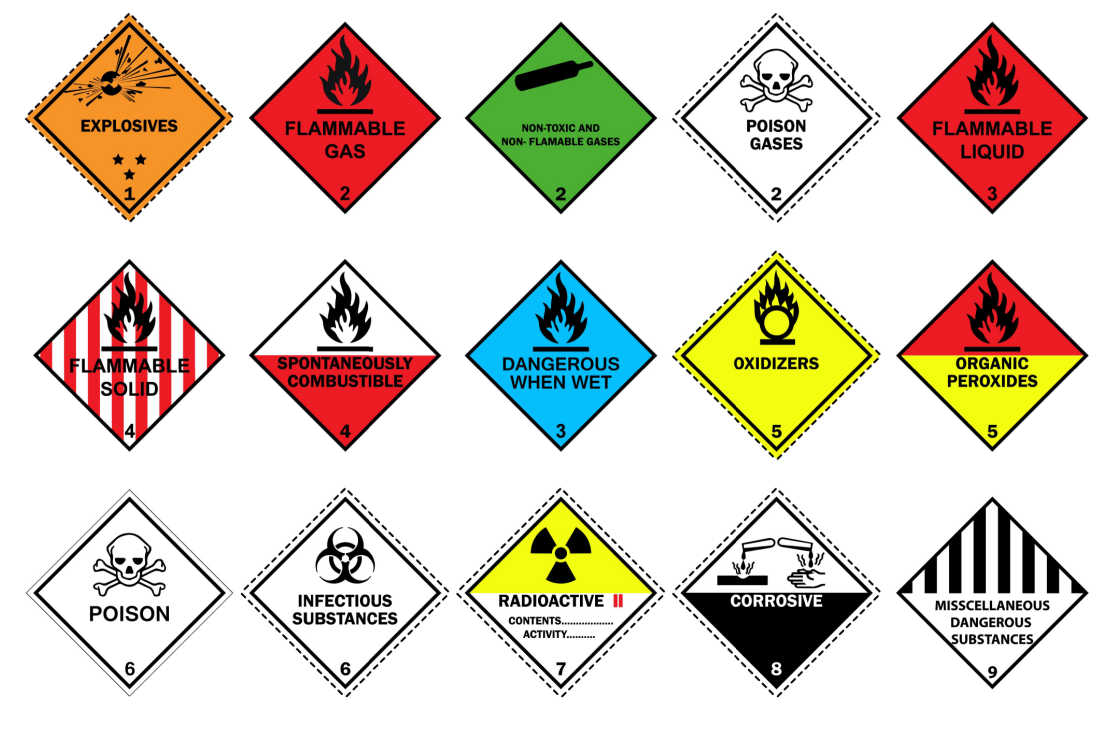
The Nine Classes of Dangerous Goods
Understanding the classification system is the first step in identifying restricted items.
Class 1: Explosives
Includes materials that can rapidly release gas and heat.
Examples:
- Fireworks
- Ammunition
- Detonators
Shipping status: Highly restricted or prohibited in most cases
Class 2: Gases
Compressed, liquefied, or dissolved gases.
Examples:
- Propane tanks
- Aerosol sprays
- Butane canisters
Risks: Explosion, leakage, flammability
Class 3: Flammable Liquids
Liquids that can ignite easily.
Examples:
- Gasoline
- Paint thinners
- Alcohol-based products (above certain concentrations)
Class 4: Flammable Solids
Materials that can ignite through friction or heat.
Examples:
- Matches
- Certain metal powders
Class 5: Oxidizing Substances and Organic Peroxides
These substances can intensify fires or decompose dangerously.
Examples:
- Hydrogen peroxide (high concentration)
- Bleaching agents
Class 6: Toxic and Infectious Substances
Materials that can cause harm to humans or animals.
Examples:
- Pesticides
- Medical waste
- Biological samples
Class 7: Radioactive Materials
Used in medical, industrial, or research applications.
Shipping status: Strictly controlled
Class 8: Corrosive Substances
Materials that can damage skin, metals, or other materials.
Examples:
- Acids
- Battery fluids
- Cleaning chemicals
Class 9: Miscellaneous Dangerous Goods
Items that don’t fit into other categories but still pose risks.
Examples:
- Lithium batteries
- Dry ice
- Magnetized materials
Common Everyday Items That Are Restricted
Many people are surprised to learn that everyday products can be considered hazardous.
Lithium Batteries
Found in:
- Smartphones
- Laptops
- Power banks
Why restricted: Risk of overheating and fire
Perfumes and Nail Polish
Contain flammable alcohol.
Cleaning Products
Some contain corrosive or toxic chemicals.
Aerosol Cans
Pressurized containers that can explode under certain conditions.
E-Cigarettes and Vape Devices
Often contain batteries and liquid chemicals.
Items That Are Often Prohibited Entirely
Some goods are not allowed to be shipped internationally under most circumstances.
Explosives and Fireworks
Too dangerous for standard transport.
Illegal Substances
Controlled or banned items vary by country.
Certain Chemicals
Highly reactive or toxic substances.
Counterfeit Goods
Illegal in many jurisdictions.
Shipping Restrictions by Transportation Mode
Different transportation methods have different rules.
Air Transport
The strictest regulations due to:
- Cabin pressure changes
- Limited emergency response options
Sea Freight
Allows more flexibility but still requires compliance.
Ground Transport
Regulations vary by country but are generally less restrictive than air.
Packaging Requirements for Hazardous Materials
Proper packaging is critical for safety.
Key Principles
- Use certified containers
- Prevent leaks and spills
- Protect against impact
Labeling and Documentation
Packages must include:
- Hazard labels
- Handling instructions
- Shipping declarations
Consequences of Non-Compliance
Ignoring regulations can lead to serious consequences.
Financial Penalties
Fines can be substantial, especially for repeated violations.
Shipment Delays or Confiscation
Non-compliant packages may be held or destroyed.
Legal Liability
In severe cases, shippers may face legal action.
Safety Risks
Improper shipping can result in accidents or injuries.
How to Determine If an Item Is Hazardous
Check Manufacturer Information
Product labels and safety data sheets (SDS) provide important details.
Consult Carrier Guidelines
Shipping companies publish lists of restricted items.
Work with Experts
Freight forwarders and compliance specialists can help navigate regulations.
Best Practices for Safe Shipping
Plan Ahead
Identify potential hazards before shipping.
Use Proper Documentation
Accurate paperwork ensures smooth processing.
Train Staff
If you’re a business, ensure employees understand regulations.
Stay Updated
Regulations change frequently.
Special Considerations for E-Commerce Sellers
Product Listings
Clearly indicate any shipping restrictions.
Customer Communication
Inform customers about limitations and requirements.
Returns Handling
Hazardous items may require special procedures for returns.
Sustainability and Hazardous Materials
Reducing Risk Through Design
Choosing safer materials can simplify shipping.
Eco-Friendly Alternatives
Non-toxic, non-flammable options reduce regulatory burden.
The Future of Hazardous Materials Shipping
Increased Regulation
Governments continue to tighten safety standards.
Technology Integration
Digital tools are improving tracking and compliance.
Greater Transparency
Supply chains are becoming more accountable.
Common Mistakes to Avoid
Assuming an Item Is Safe
Even common products can be hazardous.
Improper Packaging
Inadequate protection increases risk.
Missing Documentation
Incomplete paperwork causes delays.
Ignoring Destination Rules
Each country has unique restrictions.
Final Thoughts
Shipping hazardous materials is a complex but essential part of global logistics. While the rules may seem overwhelming, they exist for a reason: to protect people, property, and the environment.
Understanding what can and cannot be shipped—and how to handle restricted items properly—helps ensure smooth operations and avoids costly mistakes.
Whether you’re sending a single package or managing large-scale international shipments, taking the time to understand hazardous materials regulations is an investment in safety, compliance, and long-term success.
In global shipping, knowledge isn’t just power—it’s protection.