
Not long ago, losing a package in transit was considered an unfortunate but acceptable part of logistics. Customers might wait days—or even weeks—without updates, while businesses scrambled to locate shipments with limited visibility. Today, that reality has changed dramatically.
In the era of global e-commerce, same-day delivery expectations, and data-driven operations, the idea of a “missing” package is no longer acceptable. Real-time tracking systems have transformed logistics into a transparent, accountable, and highly optimized ecosystem where every shipment is expected to be visible at every stage.
This shift isn’t just about convenience—it’s about survival in a competitive market where customer expectations are higher than ever.
In this in-depth guide, we’ll explore how real-time tracking works, why it has become essential, and how businesses can leverage it to eliminate blind spots in their supply chain.
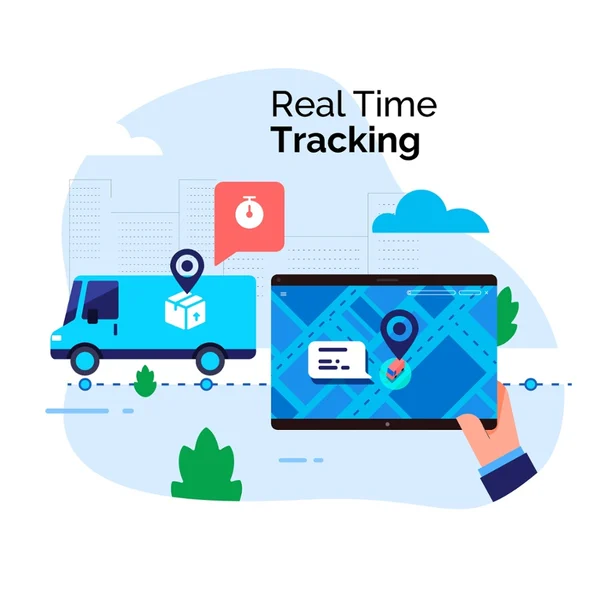
The Evolution of Package Tracking
From Manual Logs to Digital Visibility
Traditional logistics relied heavily on manual processes:
- Paper-based tracking systems
- Periodic status updates
- Limited communication between checkpoints
This often resulted in:
- Delayed information
- Human error
- Lack of accountability
The Rise of Real-Time Systems
Advancements in technology have introduced:
- GPS tracking
- IoT-enabled sensors
- Cloud-based logistics platforms
These innovations allow shipments to be monitored continuously, not just at key checkpoints.
What Is Real-Time Tracking?
Real-time tracking refers to the ability to monitor the location and status of a shipment continuously throughout its journey.
Key Components
- Location tracking (via GPS or network signals)
- Status updates (picked up, in transit, out for delivery)
- Condition monitoring (temperature, humidity, shock)
- Data integration across systems
Why “Missing Packages” Are No Longer Acceptable
1. Customer Expectations Have Changed
Today’s consumers expect:
- Instant updates
- Accurate delivery windows
- Full transparency
A lack of visibility quickly leads to frustration and lost trust.
2. E-Commerce Growth Demands Precision
With millions of packages moving daily, even a small error rate can result in significant losses.
3. Competitive Pressure
Businesses that fail to provide reliable tracking risk losing customers to competitors who do.
4. Financial Impact
Lost or delayed packages lead to:
- Refunds and replacements
- Increased customer service costs
- Damaged brand reputation
How Real-Time Tracking Systems Work
GPS and Location Technologies
Modern tracking systems use a combination of:
- Satellite-based GPS
- Cellular networks
- Wi-Fi positioning
This ensures continuous location updates.
IoT Sensors
Internet of Things (IoT) devices can monitor:
- Temperature (for sensitive goods)
- Humidity
- Movement and impact
Cloud-Based Platforms
Data from tracking devices is transmitted to cloud systems, where it can be:
- Processed
- Analyzed
- Shared with stakeholders
Integration with Logistics Software
Tracking systems integrate with:
- Warehouse management systems (WMS)
- Transportation management systems (TMS)
- Customer-facing platforms
Benefits of Real-Time Tracking
1. Enhanced Visibility
Businesses can see exactly where shipments are at any given time.
2. Improved Efficiency
Real-time data allows for:
- Route optimization
- Faster decision-making
- Reduced delays
3. Better Customer Experience
Customers receive:
- Accurate updates
- Delivery notifications
- Increased confidence
4. Reduced Loss and Theft
Continuous monitoring makes it easier to detect and respond to anomalies.
5. Data-Driven Insights
Tracking data can reveal:
- Bottlenecks
- Performance trends
- Areas for improvement
Eliminating Blind Spots in the Supply Chain
Identify Weak Points
Use tracking data to locate:
- Frequent delay zones
- High-risk areas
- Inefficient routes
Improve Coordination
Real-time visibility enables better communication between:
- Suppliers
- Carriers
- Warehouses
Automate Alerts
Set up notifications for:
- Delays
- Route deviations
- Environmental issues
Challenges in Implementing Real-Time Tracking
Cost of Technology
Initial investment in devices and systems can be significant.
Data Management
Handling large volumes of data requires robust infrastructure.
Integration Complexity
Connecting multiple systems can be challenging.
Privacy and Security Concerns
Protecting sensitive data is critical.
Best Practices for Adoption
Start with High-Value Shipments
Focus on tracking goods where visibility has the greatest impact.

Choose Scalable Solutions
Select systems that can grow with your business.
Train Your Team
Ensure staff understand how to use tracking tools effectively.
Continuously Optimize
Use data insights to refine operations over time.
The Role of AI and Automation
Predictive Analytics
AI can forecast:
- Delivery times
- Potential delays
- Demand patterns
Automated Decision-Making
Systems can automatically:
- Reroute shipments
- Adjust schedules
- Trigger alerts
Future Trends in Logistics Tracking
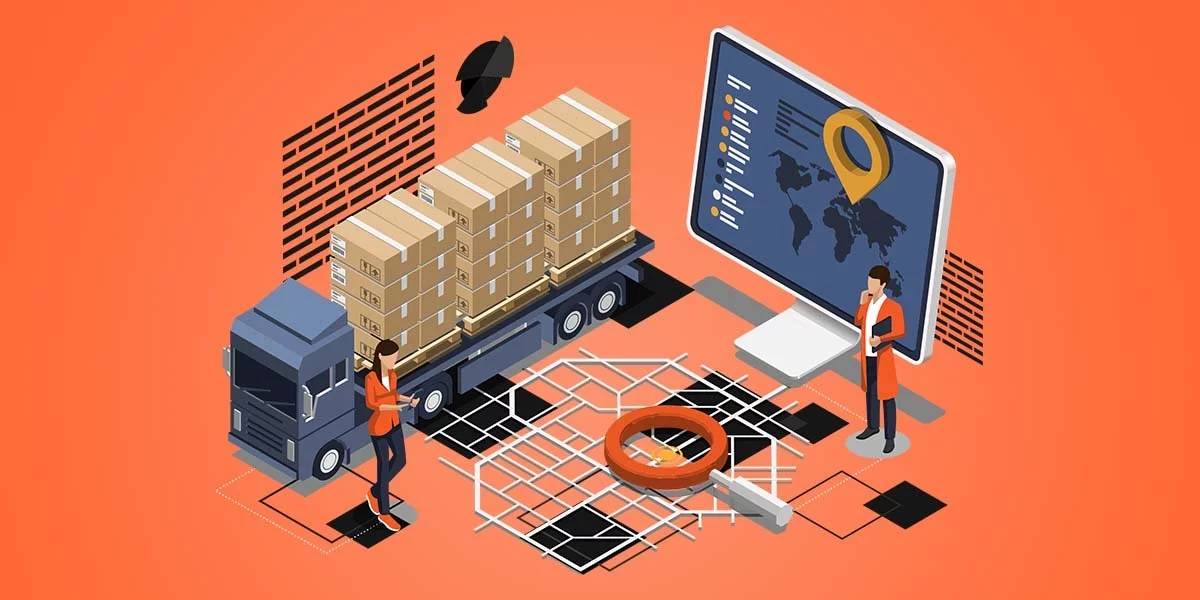
End-to-End Visibility
Complete transparency from origin to final delivery.
Blockchain Integration
Secure and immutable tracking records.
Advanced Sensor Technology
More detailed monitoring of shipment conditions.
Sustainability Tracking
Monitoring carbon footprint and environmental impact.
Common Mistakes to Avoid
Relying on Partial Tracking
Incomplete systems create gaps in visibility.
Ignoring Data Insights
Collecting data without using it limits value.
Overcomplicating Implementation
Start simple and expand gradually.
Building Customer Trust Through Transparency
Real-time tracking isn’t just an operational tool—it’s a trust-building mechanism.
Key Elements
- Clear communication
- Accurate information
- Proactive updates
When customers feel informed, they feel confident.
The Bottom Line
Modern logistics operates in a world where visibility is no longer optional. Real-time tracking systems have redefined what’s possible, making it unacceptable for packages to simply “disappear.”
Businesses that embrace these technologies gain:
- Greater control
- Improved efficiency
- Stronger customer relationships
Those that don’t risk falling behind in an increasingly competitive landscape.
Final Thoughts
The logistics industry has entered a new era—one defined by transparency, speed, and accountability. Real-time tracking systems are at the heart of this transformation, ensuring that every package is accounted for every step of the way.
By investing in the right tools and strategies, businesses can eliminate uncertainty, reduce losses, and deliver the level of service that today’s customers expect.
In a world where information moves instantly, there’s no longer room for “missing” packages—only opportunities to track, optimize, and improve.