
For independent eCommerce sellers, growth doesn’t just come from better ads, lower prices, or trendier products. One of the most overlooked yet powerful levers is logistics—specifically, how and where you store your inventory.
If you’re shipping every order directly from your home country to overseas customers, you’re likely facing challenges like long delivery times, high shipping costs, and lower customer trust. These issues quietly erode your conversion rates, even if your product and marketing are strong.
This is where overseas warehouses come in.
Choosing the right overseas warehouse can dramatically improve delivery speed, customer satisfaction, and ultimately your conversion rate. But with so many options available—third-party logistics providers (3PLs), fulfillment centers, regional hubs—how do you make the right choice?
In this comprehensive guide, we’ll break down everything you need to know about selecting an overseas warehouse and how it directly impacts your store’s performance.
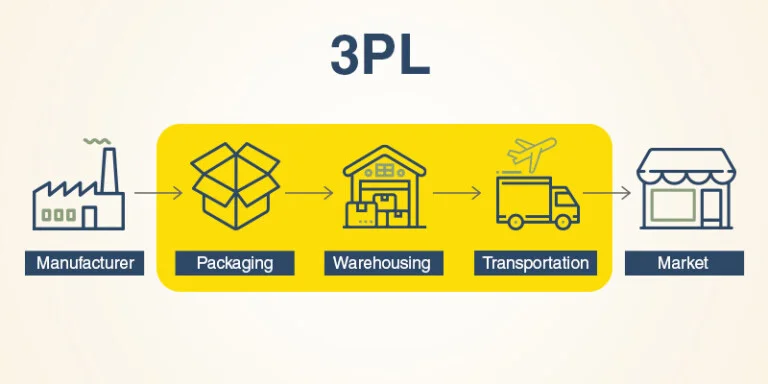
What Is an Overseas Warehouse?
An overseas warehouse is a storage and fulfillment facility located in your target market (or close to it). Instead of shipping products internationally for each order, you send inventory in bulk to a local warehouse, which then handles:
- Order fulfillment
- Packaging
- Shipping to customers
- Returns processing
This model is commonly used in markets like the United States, Europe, and Southeast Asia.
Why Overseas Warehousing Is a Game-Changer
Let’s address the core question: Why does warehouse location affect conversion rates?
1. Faster Delivery = Higher Conversions
Today’s customers expect fast shipping.
When your product page says:
- “Delivered in 2–5 days” → higher trust
- “Delivered in 10–20 days” → hesitation
Speed reduces friction in the buying decision.
2. Lower Shipping Costs
Bulk shipping to a warehouse is significantly cheaper than individual international shipments.
This allows you to:
- Offer free shipping
- Reduce product pricing
- Increase competitiveness
3. Improved Customer Experience
Local fulfillment leads to:
- Fewer delays
- Easier returns
- Better tracking
4. Higher Trust and Credibility
Customers are more likely to purchase when they see:
- Local shipping
- Domestic return addresses
- Familiar delivery carriers
Types of Overseas Warehousing Options
Not all overseas warehouses are the same. Understanding your options is critical.
1. Third-Party Logistics (3PL)
These are independent companies that handle storage and fulfillment.
Pros:
- Scalable
- Flexible
- No need to manage operations
Cons:
- Less control
- Service quality varies
2. Marketplace Fulfillment (e.g., platform-based)
Some sellers use marketplace warehouses even for independent stores.
Pros:
- Fast delivery networks
- Reliable infrastructure
Cons:
- Fees can be high
- Limited branding control
3. Self-Owned Warehouses
Larger sellers may operate their own facilities.
Pros:
- Full control
- Custom processes
Cons:
- High cost
- Operational complexity
Key Factors to Consider When Choosing an Overseas Warehouse
1. Location Strategy
Location is everything.
How to Choose the Right Region
- Analyze your top customer markets
- Identify shipping demand clusters
- Consider delivery time expectations
For example:
- U.S. sellers often choose warehouses on both coasts
- European sellers may centralize in countries like Germany or the Netherlands
2. Delivery Speed and Coverage
Ask:
- What is the average delivery time?
- Which regions are covered?
- Are express options available?
Faster delivery directly improves conversion rates.
3. Cost Structure
Understand all fees involved:
- Storage fees
- Pick and pack fees
- Shipping rates
- Return handling costs
Low upfront costs may hide higher operational expenses.
4. Integration with Your Store
Your warehouse should integrate seamlessly with your eCommerce platform.
Look for:
- Real-time inventory syncing
- Automated order processing
- Tracking updates
5. Returns Handling
Returns are inevitable.
A good warehouse should offer:
- Local return addresses
- Efficient processing
- Restocking services
6. Inventory Management Capabilities
Strong inventory systems help you:
- Avoid stockouts
- Prevent overstocking
- Track product performance
7. Scalability
Your warehouse should grow with your business.
Ask:
- Can they handle seasonal spikes?
- Do they support multi-location expansion?
8. Service Reliability
Delays or errors in fulfillment can damage your brand.
Check:
- Order accuracy rates
- Customer reviews
- Service-level agreements (SLAs)
How Overseas Warehousing Boosts Conversion Rates
Let’s connect logistics directly to sales performance.
1. Reduced Cart Abandonment
Long shipping times are a major reason customers abandon carts.
Faster delivery removes this barrier.
2. Better Product Page Messaging
You can confidently display:
- “Fast U.S. shipping”
- “Local delivery in 3–5 days”
These messages increase buyer confidence.
3. Competitive Advantage
Many sellers still rely on long international shipping.
Local fulfillment gives you an edge.
4. Higher Customer Satisfaction
Satisfied customers lead to:
- Positive reviews
- Repeat purchases
- Word-of-mouth referrals
5. Improved Ad Performance
Faster shipping improves:
- Click-through rates
- Conversion rates
- Return on ad spend
Common Mistakes to Avoid
1. Choosing Based on Price Alone
The cheapest option often leads to:
- Slow shipping
- Poor service
- Hidden costs
2. Ignoring Regional Demand
Stocking inventory in the wrong location increases delivery times.
3. Overcommitting Inventory
Sending too much stock too early ties up cash.
4. Poor Communication with Providers
Misalignment can lead to fulfillment errors.
5. Not Testing Before Scaling
Always start with a small batch to evaluate performance.
Step-by-Step: How to Choose the Right Overseas Warehouse
Step 1: Analyze Your Sales Data
Identify:
- Top countries
- Order volume
- Customer expectations
Step 2: Shortlist Potential Providers
Compare:
- Pricing
- Services
- Locations
Step 3: Run a Test Batch
Send a small inventory shipment and evaluate:
- Delivery speed
- Order accuracy
- Customer feedback
Step 4: Optimize Inventory Distribution
Adjust stock levels based on demand patterns.
Step 5: Scale Strategically
Expand to multiple warehouses as your business grows.
Advanced Strategies for Maximum Impact
Multi-Warehouse Strategy
Distribute inventory across regions to:
- Reduce delivery times
- Lower shipping costs
Hybrid Fulfillment Model
Combine:
- Overseas warehouses for fast-moving products
- Direct shipping for low-volume items
Data-Driven Replenishment
Use sales data to:
- Forecast demand
- Optimize stock levels
Real-World Scenario
Seller A: No Overseas Warehouse
- Shipping time: 10–15 days
- Conversion rate: Low
- Customer complaints: High
Seller B: Uses U.S. Warehouse
- Shipping time: 2–5 days
- Conversion rate: Higher
- Customer satisfaction: Strong
The difference is not just logistics—it’s business performance.
The Future of eCommerce Logistics
Overseas warehousing is becoming standard practice, not a luxury.
Trends include:
- Faster delivery expectations
- Localized fulfillment networks
- Increased competition
Sellers who adapt early gain a significant advantage.
Final Thoughts
Choosing the right overseas warehouse is one of the most impactful decisions an independent store seller can make.
It’s not just about logistics—it’s about:
- Customer experience
- Brand trust
- Conversion performance
By focusing on location, speed, cost, and reliability, you can turn your fulfillment strategy into a powerful growth engine.
Quick Takeaways
- Overseas warehouses significantly improve delivery speed
- Faster shipping leads to higher conversion rates
- Location and service quality matter more than price alone
- Testing and scaling are key to success
- Logistics is a competitive advantage—not just an operational detail