

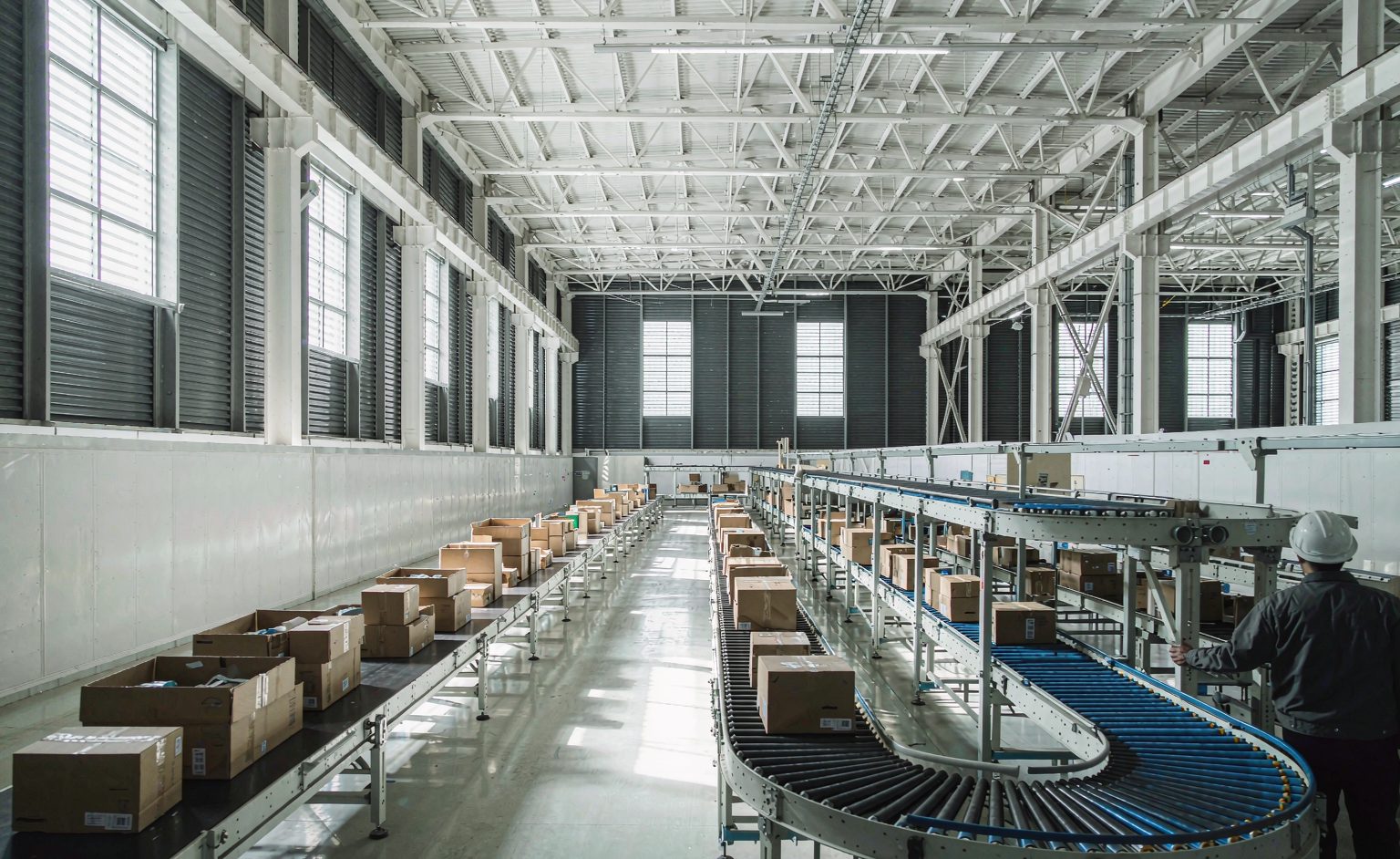
Global trade and e-commerce growth are pushing logistics companies to innovate faster than ever. Digital tools and automation are no longer luxuries—they’re essential for staying competitive.
Smart Automation – Robotic sorting systems, AI-powered routing, and automated warehouses are cutting processing times and reducing human error.
Data-Driven Decisions – Real-time tracking, IoT sensors, and analytics help companies predict delays, optimize routes, and improve delivery accuracy.
Green Logistics – Electric fleets, energy-efficient warehouses, and recyclable packaging are key steps toward a lower-carbon supply chain.
The future of logistics belongs to companies that combine **speed, precision, and sustainability** through technology-driven solutions.
The Speed–Accuracy Trade, Quantified
Digital-era logistics promises all three — speed, accuracy, sustainability — but the first two trade against each other at the machine level, and the trade has numbers:
| Belt speed step | Throughput effect | Accuracy risk |
|---|---|---|
| +10% | +~10% pph | Minor; barcode readability holds |
| +20% | +~20% pph | Mis-sort rate creeps; vision exposure shortens |
| +30%+ | Diminishing; induct-limited | Read-rate drops, recirculation eats the gain |
The reason is physics at the scan: exposure time per parcel shrinks as speed rises, and beyond a point the recirculation of unsorted parcels cancels the headline rate. Mature operations therefore tune speed per profile — fast lanes for barcoded flats, controlled speeds for poly bags and dark films. Accuracy infrastructure does the heavy lifting: proper DWS capture upstream and the methods in precision sorting science. Background: barcode scanning and supply chain.
Data Quality: The Third Pillar Nobody Sells
Speed and accuracy get the headlines; data quality silently decides whether either is real. The chain is unforgiving: a parcel read wrong at induction is sorted perfectly to the wrong destination, at full speed, with complete confidence.
| Data quality item | Effect when weak | Check |
|---|---|---|
| Barcode read rate | Recirculation and manual rework queues | Read rate per parcel type, not average |
| Address parsing | Sorted-to-country, not sorted-to-door | Sample audit of ambiguous labels |
| Event timestamps | “Where is my parcel?” answers lag hours | Scan-to-WMS latency, measured |
| Destination master data | New lanes misrouted for days | Change-control on carrier codes |
None of this is glamorous, which is precisely why it wins: operations that treat data quality as an engineering discipline — read rates tracked per shift, master data under change control, latency measured in seconds — get the digital-era promises of speed, accuracy and sustainability simultaneously, because all three run on the same pipe of trustworthy events. The machine builders solved motion years ago; the remaining battles are fought in the data.
Sustainability at the Load, Not the Logo
The sustainability pillar rests on less than buyers expect: fewer recirculated parcels, less packaging damaged in handling, and longer equipment life through gentler motion. Each is measurable — recirculation rate, damage claims per thousand, belt and bearing service intervals — and each improves when the sorting system is tuned rather than merely fast. The audit trail writes itself from operating data: energy per thousand parcels before and after tuning, waste-to-landfill avoided through undamaged shipments, and the extended life of a machine that runs balanced loads instead of abusive sprints. Reports assembled from these numbers survive customer ESG questionnaires; brochures do not.